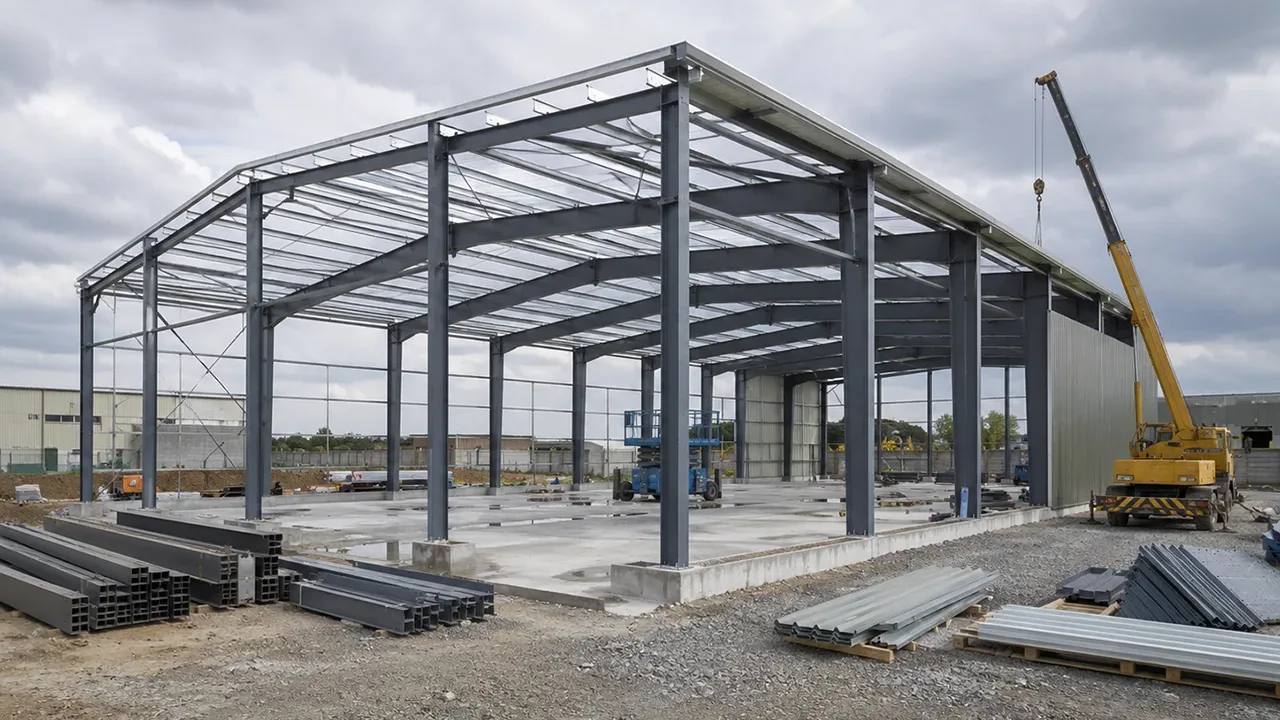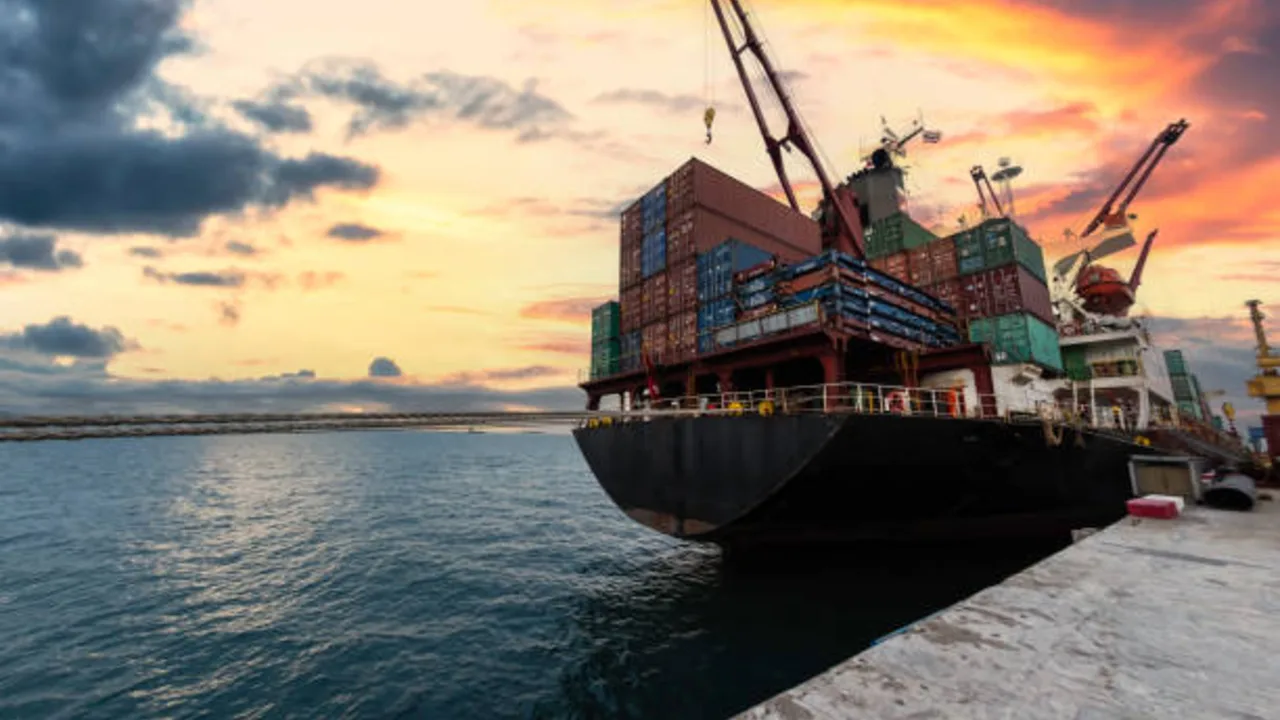
Global construction supply chains are becoming increasingly dependent on prefabricated steel systems. Large structural frames, modular units, and industrial steel components are now routinely transported across continents before reaching final installation sites. While prefabrication improves construction efficiency, long-distance shipping also introduces serious durability challenges that can compromise structural quality before installation even begins.
Among these risks, corrosion remains one of the most significant concerns during transportation. Salt exposure, humidity, condensation, mechanical abrasion, and prolonged outdoor storage can all damage steel surfaces during transit. Without proper preventive measures, corrosion can reduce coating performance, increase maintenance costs, delay installation, and affect long-term structural durability.
As international prefab logistics continue to expand, manufacturers and contractors increasingly prioritize prefab transport corrosion protection as a critical part of project planning. Surface protection is no longer viewed as a secondary packaging issue. Instead, it has become an integrated engineering and logistics strategy involving coating systems, wrapping technologies, moisture control, handling procedures, and inspection protocols.
Effective transport protection requires coordination between fabrication teams, coating specialists, logistics providers, and site installation crews. The goal is not simply to deliver steel components safely, but to preserve structural integrity, coating performance, and installation readiness throughout the entire shipping process.
Understanding how corrosion develops during transport — and how advanced protection systems minimize those risks — is essential for maintaining quality in modern prefabricated steel projects.
Why Transport Protection Matters in Prefabricated Steel Projects
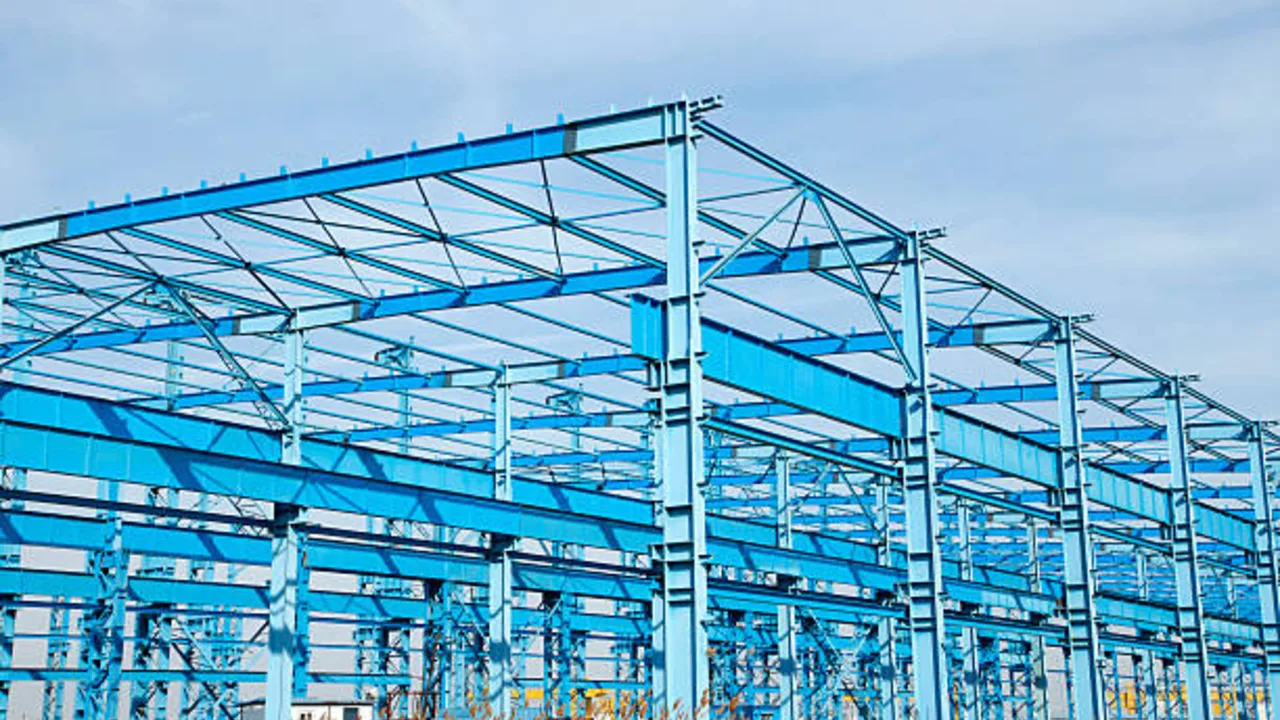
Growing Dependence on Global Prefab Logistics
Modern steel fabrication increasingly operates through international supply chains. Fabrication may occur in one country while final installation happens thousands of kilometers away.
This globalization offers major benefits:
- Lower manufacturing costs
- Access to specialized fabrication facilities
- Faster project scalability
- Improved modular construction efficiency
However, longer transportation distances expose steel structures to more severe environmental and handling risks.
Ocean freight, inland trucking, temporary port storage, and transshipment operations can all affect coating performance and surface condition.
As a result, prefab transport corrosion protection has become a fundamental requirement for international prefab steel projects.
Surface Damage Before Installation
Unlike completed buildings, prefab steel components often spend weeks or months exposed to varying environmental conditions before installation begins.
During transport, steel surfaces may encounter:
- Salt-laden marine air
- Rainwater exposure
- Condensation inside containers
- Mechanical abrasion
- Impact damage
- Temperature fluctuations
Even small coating damage during shipping can later develop into larger corrosion problems after installation.
Therefore, preserving surface condition during transport is essential for maintaining long-term durability.
Reducing Delays and Rework on Site
Corrosion or coating damage discovered upon arrival frequently creates installation delays.
Site teams may need to:
- Perform additional surface preparation
- Reapply damaged coatings
- Replace affected fasteners
- Delay erection activities
- Conduct additional inspections
These disruptions increase labor costs and reduce the efficiency advantages of prefabrication.
Maintaining effective prefab transport corrosion protection helps projects avoid unnecessary rework while preserving installation schedules.
Main Corrosion Risks During Long-Distance Transport
Salt Exposure During Ocean Freight
Marine transport environments are highly aggressive toward steel structures.
Salt particles suspended in ocean air can accumulate on steel surfaces throughout shipping. Combined with moisture, these salts accelerate electrochemical corrosion reactions.
Critical exposure risks include:
- Open deck transport
- Port-side storage
- High-humidity marine climates
- Container condensation
Salt contamination is particularly dangerous because corrosion may continue even after components arrive at the project site if surfaces are not properly cleaned.
For this reason, marine shipping conditions heavily influence prefab transport corrosion protection planning.
Mechanical Surface Damage
Mechanical damage during transport can compromise protective coatings even when high-quality paint systems are used.
Common causes include:
- Chain abrasion
- Forklift impacts
- Crane sling friction
- Metal-to-metal contact
- Improper stacking
Even localized scratches may expose bare steel to moisture and salt contamination.
Transport protection strategies therefore must address both environmental exposure and physical damage risks simultaneously.
Moisture Trapping and Condensation
Condensation is one of the most underestimated transport risks in prefab steel logistics.
Temperature variations between day and night can create moisture accumulation inside packaging or shipping containers.
This trapped moisture may lead to:
- Surface rust formation
- Coating blistering
- Galvanized surface staining
- Accelerated corrosion beneath wrapping materials
Improperly sealed wrapping systems can sometimes worsen corrosion by trapping moisture instead of preventing exposure.
Therefore, modern prefab transport corrosion protection systems carefully balance waterproofing and ventilation requirements.
Port Delays and Outdoor Storage
Unexpected delays during customs clearance or port handling can leave prefab steel exposed for extended periods.
Temporary outdoor storage creates additional risks such as:
- Standing water accumulation
- UV exposure
- Wind-driven rain
- Dust contamination
- Salt spray exposure
Protection systems must therefore be designed not only for transportation itself but also for uncertain storage durations during international logistics.
Core Principles of Prefab Transport Corrosion Protection
Surface Preparation Before Shipment
Effective protection begins before packaging starts.
Steel surfaces must be properly prepared to ensure coating performance and minimize contamination risks.
Typical preparation procedures include:
- Removing welding residues
- Cleaning dirt and oils
- Drying surfaces completely
- Inspecting coating integrity
- Repairing damaged areas
Poor preparation can significantly reduce the effectiveness of transport protection systems.
Protective Coating Systems
Coatings form the primary corrosion barrier during transport.
Different projects may use:
- Zinc-rich primers
- Epoxy intermediate coatings
- Polyurethane topcoats
- Temporary transport coatings
- Hot-dip galvanizing
The selected system depends on:
- Transport duration
- Environmental exposure severity
- Project climate conditions
- Storage expectations
- Final service environment
Well-designed coating systems remain central to successful prefab transport corrosion protection.
Edge and Weld Protection
Certain steel areas are particularly vulnerable during transport.
These include:
- Sharp edges
- Weld seams
- Bolt holes
- Connection plates
- Cut surfaces
These regions often require:
- Additional coating thickness
- Localized protective wrapping
- Extra inspection procedures
Proper edge protection significantly improves long-term corrosion resistance after shipment.
Wrapping Methods for Long-Distance Prefab Shipping
Shrink Wrapping Systems
Shrink wrapping is widely used for protecting prefab steel during ocean and land transport.
These systems create sealed protective barriers around components using heat-shrunk polymer films.
Advantages include:
- Protection from rain and salt spray
- Reduced dirt accumulation
- UV resistance
- Improved package stability
However, shrink wrapping must be carefully installed to avoid internal moisture buildup.
Modern shrink wrap systems often incorporate ventilation features to improve moisture management.
VCI Protective Wrapping
Vapor corrosion inhibitor (VCI) technology provides additional corrosion protection during enclosed transport.
VCI materials release corrosion-inhibiting molecules that form temporary protective layers on steel surfaces.
VCI systems are commonly used for:
- Precision steel components
- Bolts and fasteners
- Machined surfaces
- Connection assemblies
These systems are particularly useful in long-duration shipping environments where condensation risk is elevated.
Waterproof Multi-Layer Packaging
Many large prefab projects use layered packaging systems rather than relying on a single protective barrier.
These systems may combine:
- Primary coating protection
- VCI wrapping layers
- Moisture-resistant films
- Protective fabric covers
- Drainage separation materials
Multi-layer systems provide redundancy, which improves protection reliability during long international shipping cycles.
Proper drainage design is also critical because trapped water inside packaging can accelerate hidden corrosion.
Ventilation vs Sealed Packaging
Transport protection systems must balance waterproofing with airflow management.
Completely sealed packaging may trap condensation, while excessive ventilation may expose steel surfaces to salt-laden air.
Therefore, protection strategies are often adjusted based on:
- Transport route
- Climate conditions
- Shipping duration
- Container type
- Storage expectations
Carefully designed packaging systems improve overall prefab transport corrosion protection performance.
Transport Protection for Different Prefab Components
Structural Steel Frames
Large structural members such as beams and columns require extensive protection during transport.
Critical protection measures include:
- Connection plate wrapping
- Bolt hole sealing
- Edge reinforcement
- Lifting point padding
- Spacer installation
Long-span members are particularly vulnerable to transport deformation and coating abrasion.
Protection systems therefore must address both corrosion resistance and structural stability simultaneously.
Modular Building Units
Modular units require broader protection because they often include finished architectural surfaces.
Protection strategies may include:
- Roof membrane shielding
- Window sealing
- Panel wrapping
- Temporary weather barriers
- Corner impact protection
Finished surfaces are often more sensitive to scratches and moisture damage than structural steel alone.
As modular construction grows globally, advanced prefab transport corrosion protection systems become increasingly important.
Bolts and Fasteners
Fasteners are highly vulnerable to corrosion because of their relatively small size and exposed threads.
Protection methods often include:
- Vacuum-sealed packaging
- Oil-based temporary coatings
- VCI packaging
- Dry storage containers
Even slight corrosion on fasteners may complicate installation and torque performance during erection.
Galvanized Components
Galvanized steel provides excellent corrosion resistance, but improper transport conditions can still create problems.
One common issue is white rust formation caused by trapped moisture between galvanized surfaces.
Protection measures include:
- Dry separation layers
- Ventilated stacking
- Moisture monitoring
- Drainage spacing
Proper handling is essential for preserving galvanized coating performance throughout shipping.
Loading and Securing Strategies to Reduce Surface Damage
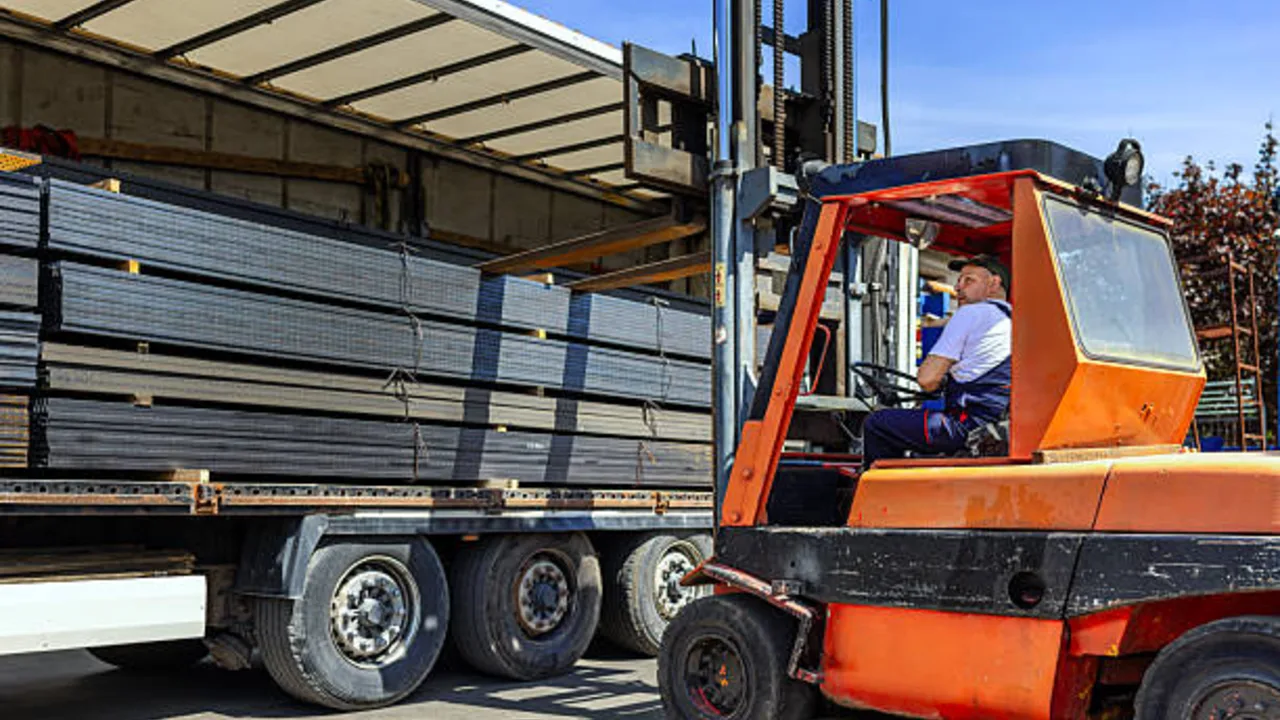
Protecting Lifting Points
Lifting points frequently experience concentrated loads during transport and installation handling.
Protective measures may include:
- Temporary rubber padding
- Reinforced contact plates
- Soft sling interfaces
- Protective edge guards
These systems help minimize coating damage during repeated lifting operations.
Using Timber Spacers and Isolation Blocks
Direct steel-to-steel contact during transport can damage protective coatings.
Timber spacers and isolation blocks help:
- Reduce abrasion
- Improve airflow
- Prevent moisture trapping
- Distribute loads more evenly
Proper spacing systems improve both mechanical protection and corrosion resistance.
Soft Sling and Rigging Systems
Improper rigging equipment can easily damage coated steel surfaces.
Soft slings are often preferred because they:
- Reduce friction damage
- Minimize coating scratches
- Improve lifting stability
- Lower edge stress concentrations
Rigging procedures therefore form an important part of overall prefab transport corrosion protection.
Container Positioning and Load Distribution
Improper load distribution may create structural movement during shipping.
This movement increases:
- Impact damage
- Coating abrasion
- Connection deformation
- Package instability
Transport engineers therefore carefully plan:
- Center of gravity positioning
- Container restraint systems
- Load sequencing
- Weight balancing
Proper logistics engineering significantly reduces transport-related damage risks.
Environmental Factors Affecting Corrosion During Transport
Humidity and Climate Zones
Different shipping routes expose prefab steel to different environmental conditions.
High-humidity tropical climates significantly increase corrosion risks, especially during long shipping durations.
Critical environmental factors include:
- Relative humidity
- Temperature cycling
- Rain exposure
- Salt concentration
- UV intensity
Transport protection systems must be adapted to the expected environmental exposure profile.
Ocean Freight Salt Conditions
Ocean shipping remains one of the harshest transport environments for steel.
Salt-laden moisture accelerates:
- Surface oxidation
- Coating degradation
- Fastener corrosion
- Edge rust development
This is why marine transport requires more advanced prefab transport corrosion protection systems than inland transportation alone.
Tropical Transport Challenges
Projects shipped to tropical regions face elevated condensation and humidity risks.
High temperatures combined with moisture exposure may accelerate:
- Coating blistering
- Flash rust formation
- Moisture entrapment
- Seal degradation
Protection systems for tropical transport often require stronger moisture management strategies.
Winter Condensation and Temperature Cycling
Cold-weather transport also creates unique risks.
Rapid temperature fluctuations can generate condensation inside enclosed shipping containers.
This hidden moisture may remain trapped for extended periods if packaging lacks adequate ventilation.
Modern logistics planning therefore evaluates both hot and cold climate transport risks before shipment begins.
Inspection and Quality Control Before Shipment
Coating Thickness Verification
Protective coatings must meet specified dry film thickness requirements before shipment approval.
Inspection teams commonly verify:
- Primer thickness
- Topcoat consistency
- Edge coverage
- Weld protection
Proper coating thickness is critical for long-term corrosion resistance.
Surface Damage Inspection
Pre-shipment inspections help identify damage before transport begins.
Inspection procedures may include:
- Visual coating assessment
- Holiday testing
- Surface cleanliness verification
- Mechanical damage checks
Early identification prevents small issues from becoming major corrosion failures later.
Packaging Integrity Checks
Packaging systems must also undergo inspection before shipping.
Quality control teams evaluate:
- Wrapping continuity
- Seal integrity
- Drainage capability
- Ventilation openings
- Load restraint stability
Proper inspection greatly improves transport reliability.
Digital Documentation and Shipment Tracking
Modern projects increasingly use digital systems to document shipping condition before departure.
This may include:
- Photographic records
- QR-coded inspections
- Cloud-based logistics tracking
- Digital quality reports
Digital documentation improves accountability and simplifies post-shipment verification processes.
Digital Monitoring for Prefab Transport Protection
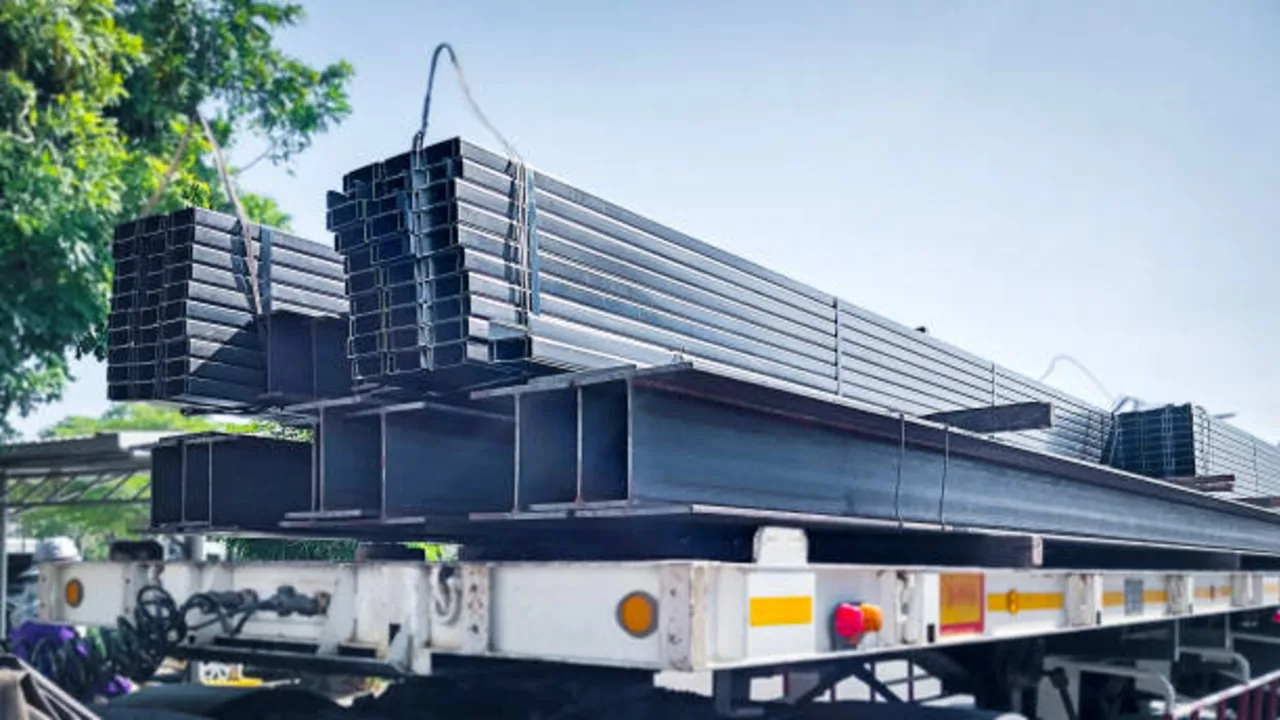
Smart Moisture Monitoring Systems
Modern prefab logistics increasingly use smart monitoring devices to track environmental conditions during shipment.
These systems may monitor:
- Humidity levels
- Temperature fluctuations
- Condensation risks
- Container ventilation performance
Real-time environmental tracking helps logistics teams identify risks before severe corrosion develops.
As digital logistics systems improve, sensor-based monitoring is becoming an important component of advanced prefab transport corrosion protection.
GPS and Shipment Tracking
Digital shipment tracking improves transport visibility across complex international logistics routes.
Tracking systems help project teams:
- Monitor shipment location
- Predict delivery delays
- Reduce unexpected storage exposure
- Coordinate installation schedules
Improved coordination reduces the likelihood of extended outdoor storage after arrival.
Remote Inspection Documentation
Remote digital inspections are becoming more common in international prefab projects.
Using cloud-based documentation systems, teams can:
- Review packaging conditions remotely
- Track inspection records
- Verify coating quality
- Document transport damage claims
This improves communication between fabrication plants, logistics providers, and installation contractors.
BIM Integration for Logistics Coordination
Building Information Modeling (BIM) increasingly supports logistics planning and transport coordination.
Digital models help teams:
- Optimize loading sequences
- Reduce handling risks
- Coordinate delivery timing
- Improve installation readiness
To better understand how BIM supports industrial construction coordination, refer to this overview of Building Information Modeling (BIM).
As logistics systems become more integrated, BIM contributes directly to improved prefab transport corrosion protection planning.
Common Failures in Prefab Transport Corrosion Protection
Inadequate Wrapping Systems
Poor wrapping design remains one of the most common transport protection failures.
Common issues include:
- Torn protective films
- Improper sealing
- Insufficient drainage
- Weak UV resistance
Even small wrapping failures can expose steel surfaces to severe environmental conditions during long shipping cycles.
Coating Damage During Loading
Improper loading procedures frequently create mechanical coating damage before transportation even begins.
Critical risk areas include:
- Forklift contact points
- Crane sling interfaces
- Container edge impacts
- Stacking pressure zones
This is why loading supervision forms a major part of quality control procedures.
Poor Drainage Design
Water accumulation inside packaging systems can significantly accelerate corrosion.
Poor drainage often occurs when:
- Packaging lacks ventilation
- Components are stacked improperly
- Water escape paths are blocked
- Protective films trap condensation
Modern protection systems therefore prioritize moisture management as much as external waterproofing.
Extended Outdoor Storage
Unexpected storage delays remain difficult to control in global logistics operations.
Components stored outdoors for extended periods face:
- UV degradation
- Standing water exposure
- Salt contamination
- Mechanical damage risks
Protection systems should therefore be designed with contingency storage durations in mind.
How Experienced Manufacturers Improve Transport Protection
Experienced prefab manufacturers integrate transport protection directly into production planning rather than treating packaging as a separate final-stage activity.
Advanced manufacturers typically coordinate:
- Fabrication sequencing
- Coating system selection
- Wrapping procedures
- Container loading strategies
- Export logistics planning
This integrated approach improves both structural quality preservation and installation efficiency after delivery.
Companies working with experienced china prefabricated steel structure building manufacturers often benefit from stronger export quality control systems, more reliable packaging standards, and improved long-distance shipping performance.
Future Trends in Prefab Transport Corrosion Protection
As international prefab construction continues expanding, transport protection technologies are becoming increasingly advanced.
Emerging developments include:
- AI-assisted logistics monitoring
- Smart packaging systems
- Automated coating inspections
- Sustainable wrapping materials
- Digital twin logistics coordination
Future protection systems will likely combine environmental sensing, digital tracking, and predictive maintenance technologies to improve shipping reliability even further.
As modular and industrialized construction scales globally, prefab transport corrosion protection will remain a critical factor in preserving quality, reducing risk, and ensuring successful installation outcomes for prefabricated steel structures.