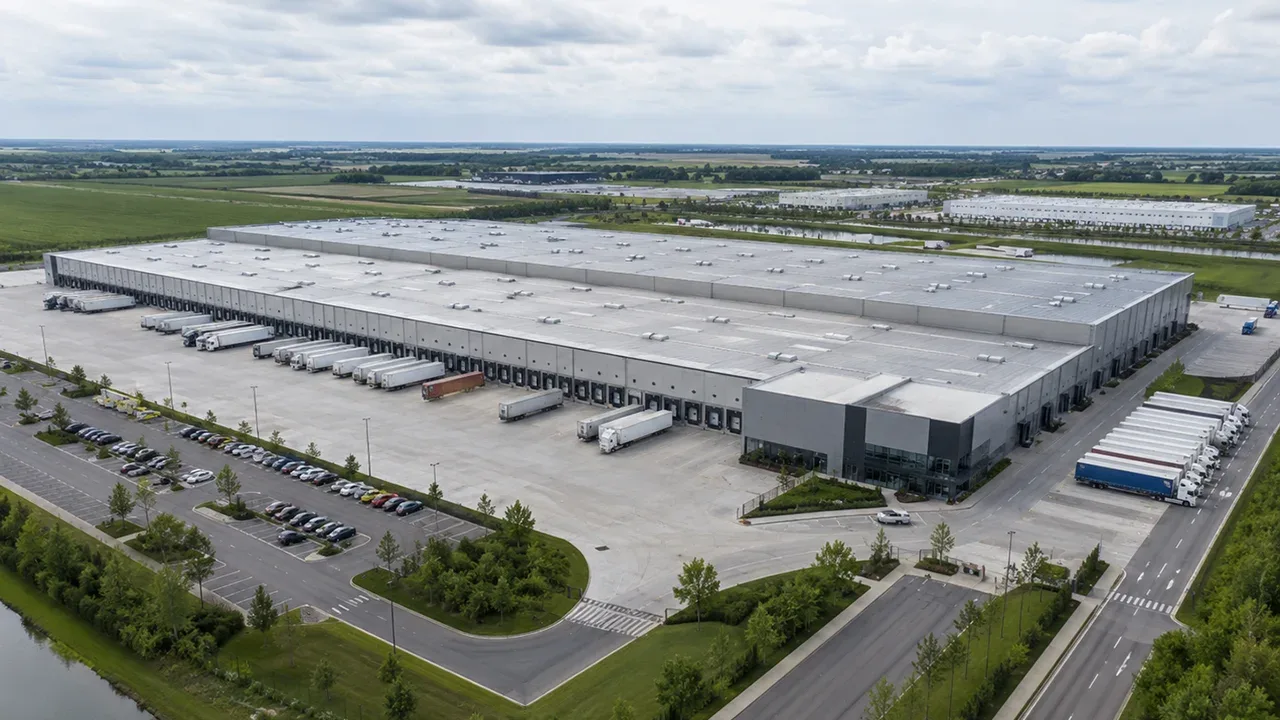
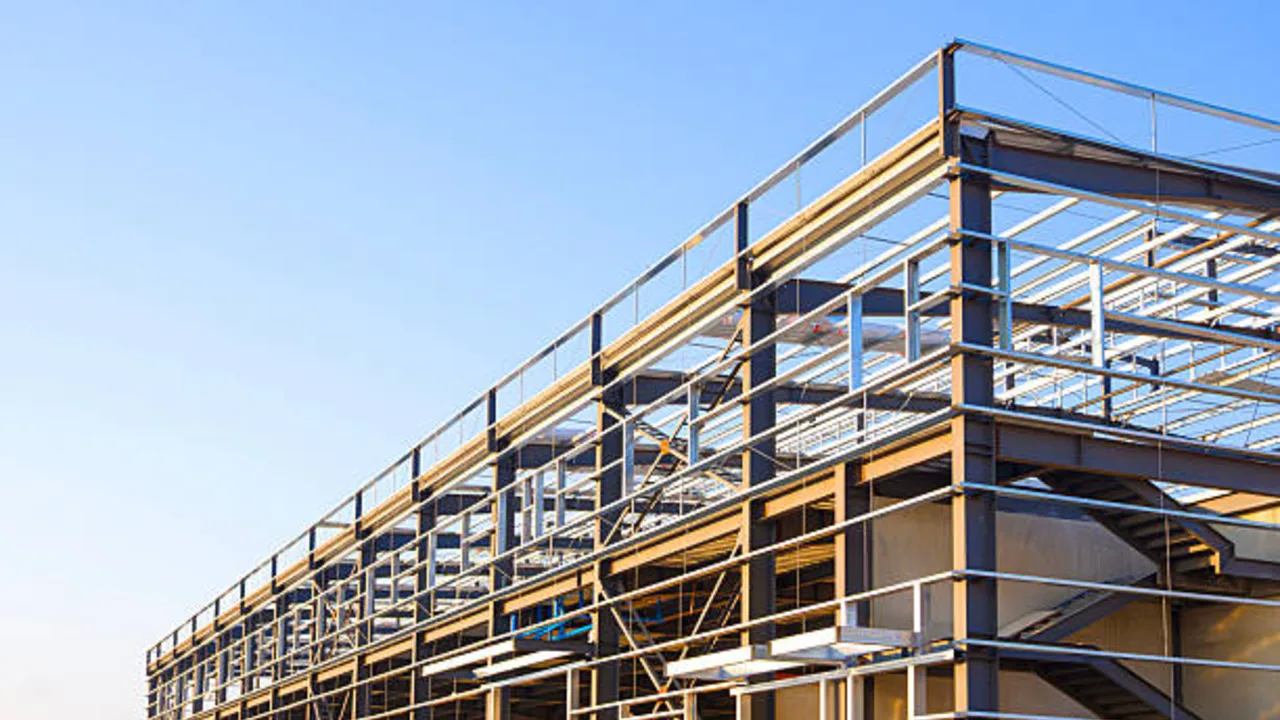
Modern modular construction depends heavily on transportation efficiency and coordinated installation planning. In large industrial and commercial developments, steel modules often travel long distances from fabrication plants to construction sites before assembly begins. While much attention is usually focused on engineering and manufacturing, the physical ability to access the project site is equally critical.
A single prefab site access constraint can disrupt transportation schedules, delay installation activities, increase crane costs, and create major coordination challenges between logistics teams and construction crews.
Unlike traditional steel construction where smaller components may arrive gradually over time, prefab steel systems frequently involve oversized modules, long-span structural sections, and preassembled units that require specialized transportation and installation procedures.
Road conditions, bridge capacities, traffic regulations, turning limitations, and site entry restrictions can all influence whether modules can safely and efficiently reach the project location.
As modular construction expands worldwide, managing prefab site access constraint issues has become one of the most important logistical considerations in industrialized steel construction.
Successful projects increasingly rely on integrated transportation planning, digital route analysis, early-stage logistics coordination, and close collaboration between manufacturers, transportation providers, and site installation teams.
In many cases, access planning directly determines:
- Installation speed
- Transportation costs
- Safety performance
- Project sequencing
- Overall project profitability
For large-scale modular steel projects, site access is no longer viewed as a secondary logistical detail. It is now considered a core project risk factor that must be evaluated from the earliest planning stages.
Understanding Site Access Constraints in Prefab Construction
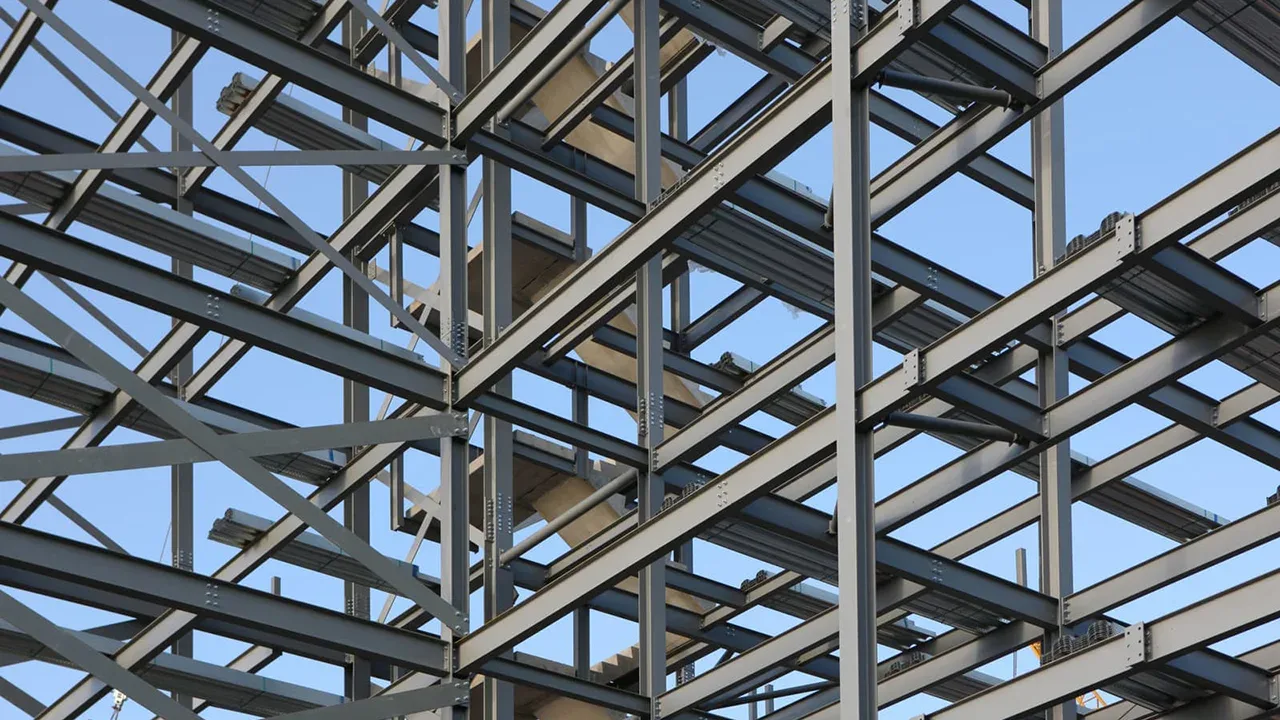
What is a prefab site access constraint?
A prefab site access constraint refers to any physical, logistical, regulatory, or environmental condition that limits the transportation or installation of modular steel components at a project site.
These constraints may involve:
- Road width limitations
- Bridge load restrictions
- Low overhead clearances
- Limited crane positioning areas
- Traffic restrictions
- Temporary site obstructions
- Restricted delivery schedules
Even when steel modules are fully engineered and fabricated correctly, poor site accessibility can severely disrupt installation operations.
Managing prefab site access constraint conditions therefore requires early coordination between engineering, logistics, and construction teams.
Why access planning matters in prefab steel projects
Prefab steel systems depend heavily on precise coordination between manufacturing and installation.
Unlike traditional construction, modular steel installation often follows strict sequencing requirements. If one module cannot arrive on time due to access limitations, the entire installation process may be affected.
Poor access planning can create:
- Transportation delays
- Crane idle time
- Storage congestion
- Module rehandling
- Installation inefficiencies
These problems can quickly increase project costs and reduce construction productivity.
For this reason, experienced contractors evaluate prefab site access constraint risks long before fabrication begins.
Connection between logistics and installation efficiency
Transportation logistics directly affect installation performance.
Modules must arrive:
- In the correct sequence
- At the correct time
- Using routes compatible with module dimensions
- Under conditions suitable for crane operations
Even small delivery disruptions can interrupt highly coordinated installation workflows.
As a result, logistics planning has become deeply integrated into modern prefab steel project management.
Why Prefab Steel Projects Depend on Transportation Access
Large module transportation requirements
Prefab steel construction frequently involves oversized components that exceed standard transportation dimensions.
These modules may include:
- Long-span trusses
- Heavy steel frames
- Preassembled roof systems
- Modular equipment platforms
- Integrated structural units
Transporting these assemblies often requires:
- Specialized trailers
- Escort vehicles
- Road permits
- Temporary traffic control
- Route engineering analysis
Any prefab site access constraint can significantly complicate these transportation activities.
Differences between prefab and conventional steel delivery
Traditional steel construction usually involves shipping smaller individual components that are assembled gradually onsite.
Prefab steel projects differ because large portions of the structure may already be partially assembled before transportation.
This creates several logistical differences:
- Larger shipment dimensions
- Higher transportation weights
- Reduced transportation flexibility
- More sensitive installation sequencing
- Greater dependence on crane coordination
As prefab systems become more advanced, transportation planning becomes increasingly critical.
Impact of oversized steel modules on logistics planning
Oversized modules introduce major logistical complexity.
Common challenges include:
- Restricted highway routes
- Bridge capacity limitations
- Urban transportation restrictions
- Tight turning conditions
- Utility clearance conflicts
In many regions, oversized transport may only be permitted during specific time windows such as nighttime operations.
This makes scheduling highly sensitive to route availability and local transportation regulations.
Managing oversized transport efficiently is one of the most important aspects of controlling prefab site access constraint risks.
Common Road and Infrastructure Limitations
Narrow roads and turning radius problems
Many construction sites are located in areas with limited road infrastructure.
Industrial facilities, urban developments, mining projects, and remote energy sites may all present access difficulties.
Common issues include:
- Narrow roads
- Sharp turning radii
- Steep slopes
- Temporary construction roads
- Soft ground conditions
Long modular trailers may struggle to navigate these environments safely.
In some cases, temporary road widening or reinforcement may be required before deliveries can begin.
Bridge weight restrictions
Bridge limitations represent one of the most serious transportation risks for heavy prefab steel modules.
Transportation routes must be carefully analyzed to confirm:
- Bridge load capacities
- Dynamic transportation forces
- Trailer axle configurations
- Weight distribution compliance
If bridge restrictions are identified late, transportation routes may require complete redesign.
This can create significant delays and unexpected project costs.
Low clearance obstacles
Overhead clearance restrictions can prevent oversized modules from reaching project sites.
Typical obstacles include:
- Bridges
- Tunnels
- Utility lines
- Traffic signage
- Temporary construction structures
Large prefab steel assemblies may require customized transportation heights to avoid clearance conflicts.
Route surveys are therefore essential during early logistics planning.
Urban traffic limitations
Urban projects often face strict transportation regulations.
Cities may impose:
- Restricted delivery hours
- Noise limitations
- Road closure requirements
- Police escort coordination
- Traffic congestion controls
These restrictions can significantly complicate installation schedules.
Urban logistics management is therefore a critical part of managing prefab site access constraint conditions.
Temporary road conditions on industrial projects
Large industrial projects frequently rely on temporary access roads during construction phases.
These roads may experience:
- Ground settlement
- Weather damage
- Surface instability
- Heavy equipment congestion
Temporary infrastructure must often be upgraded before heavy prefab modules can be transported safely.
Site Entry Challenges During Prefab Steel Installation
Limited staging areas
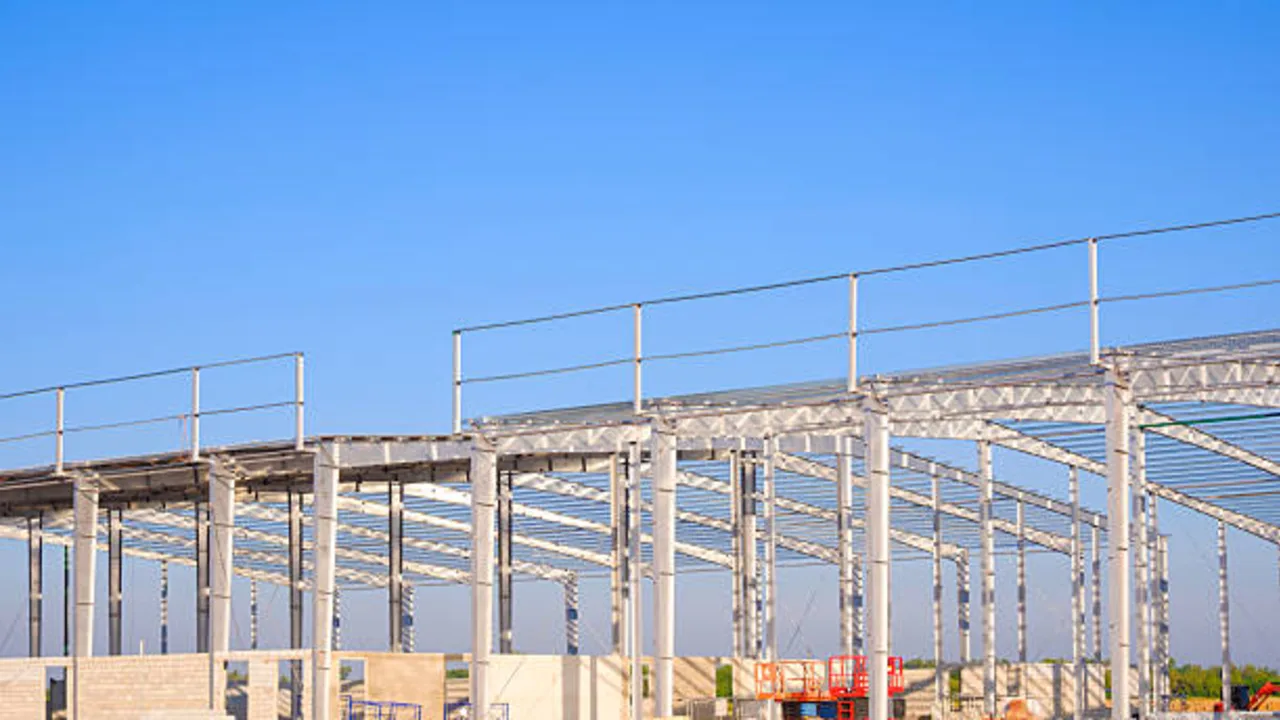
Many prefab steel construction sites have limited space available for staging and temporary storage.
Because modular steel systems often arrive in large preassembled sections, inadequate staging capacity can create serious installation inefficiencies.
Common problems include:
- Module congestion
- Restricted vehicle movement
- Rehandling operations
- Temporary storage conflicts
- Safety clearance issues
When staging areas are too small, modules may need to remain on transportation trailers longer than planned, increasing scheduling pressure and crane coordination complexity.
Proper staging management is therefore essential when addressing prefab site access constraint risks.
Crane positioning restrictions
Crane operations are central to prefab steel installation.
However, crane positioning is often affected by:
- Limited working space
- Ground bearing limitations
- Nearby structures
- Underground utilities
- Restricted lifting radii
If cranes cannot access optimal lifting positions, installation efficiency may decline significantly.
Additional crane movements, repositioning operations, and extended lifting times can quickly increase project costs.
Advanced lift planning is therefore closely connected to managing prefab site access constraint conditions.
Conflicts with ongoing site operations
Many industrial and commercial projects are installed while other construction activities remain active onsite.
This creates operational conflicts involving:
- Heavy equipment traffic
- Material deliveries
- Concrete operations
- Utility installations
- Worker safety zones
Poor coordination between trades can restrict delivery access and disrupt installation sequencing.
Successful prefab projects therefore require continuous communication between logistics teams, installation crews, and general contractors.
Weather-related accessibility problems
Weather conditions can significantly affect transportation and site access.
Heavy rain, snow, wind, or flooding may create:
- Road instability
- Reduced traction
- Visibility problems
- Unsafe crane operations
- Delivery delays
Remote industrial sites are especially vulnerable to weather-related accessibility issues.
Flexible scheduling and contingency planning are critical for minimizing weather-driven prefab site access constraint disruptions.
How Access Constraints Affect Prefab Steel Installation
Installation delays
Access restrictions frequently delay module deliveries and installation activities.
Because prefab steel projects rely on tightly coordinated installation sequences, even small transportation disruptions may create cascading schedule impacts.
A delayed module may affect:
- Subsequent crane operations
- Follow-up module installation
- Mechanical integration
- Electrical systems coordination
- Roof and enclosure work
In highly integrated modular projects, one delayed delivery can affect multiple downstream construction activities.
Increased transportation costs
Transportation restrictions often increase logistical expenses.
Additional costs may involve:
- Escort vehicles
- Specialized trailers
- Temporary road modifications
- Additional permits
- Extended transportation durations
In some cases, alternative transportation routes may significantly increase hauling distances.
Managing transportation efficiency is therefore an important component of controlling prefab site access constraint costs.
Re-sequencing of modules
Access challenges may force installation teams to modify original sequencing plans.
This may require:
- Reordering module deliveries
- Adjusting crane schedules
- Changing installation priorities
- Temporary storage solutions
- Additional coordination meetings
Frequent resequencing can reduce installation efficiency and increase project management complexity.
Additional lifting operations
Limited site access sometimes prevents modules from being installed directly from delivery vehicles.
This may create additional lifting requirements such as:
- Temporary staging lifts
- Secondary crane operations
- Repositioning procedures
- Multi-crane coordination
Additional handling increases both labor costs and safety exposure.
Reducing unnecessary lifting activities is therefore a key objective when managing prefab site access constraint risks.
Higher safety risks
Restricted access environments can significantly increase installation safety risks.
Potential hazards include:
- Congested lifting zones
- Limited emergency access
- Reduced visibility
- Equipment conflicts
- Unstable ground conditions
Comprehensive safety planning is therefore essential for projects involving complex access conditions.
Engineering Solutions for Prefab Site Access Constraint
Modular size optimization
One common strategy for improving transportation accessibility is optimizing module dimensions during design development.
This may involve:
- Reducing module width
- Limiting transportation height
- Adjusting structural segmentation
- Optimizing weight distribution
Smaller modules may improve transportation flexibility while reducing permit complexity.
However, reducing module size can also increase onsite assembly work.
Engineers must therefore carefully balance transportation efficiency with installation productivity.
Segmented transportation strategies
Some projects divide large assemblies into smaller transportable sections.
These sections are then reassembled onsite.
Segmented transport strategies may help overcome:
- Bridge limitations
- Urban access restrictions
- Tight turning conditions
- Road weight limitations
Although this approach may increase onsite assembly requirements, it can significantly improve transportation feasibility.
Temporary access road construction
Large industrial projects sometimes require temporary infrastructure improvements before installation begins.
Temporary access solutions may include:
- Road widening
- Ground stabilization
- Temporary bridges
- Drainage improvements
- Temporary crane pads
These upgrades can dramatically improve transportation safety and installation efficiency.
Digital logistics simulation
Advanced digital planning tools now allow project teams to simulate transportation routes before deliveries occur.
These simulations can evaluate:
- Turning radii
- Bridge clearances
- Trailer movement paths
- Site entry conditions
- Crane positioning requirements
Digital route analysis helps identify potential prefab site access constraint issues before transportation begins.
Night transportation planning
Many oversized prefab deliveries are scheduled during nighttime operations to reduce traffic conflicts.
Night transport may improve:
- Traffic flow
- Safety control
- Police escort coordination
- Urban route availability
However, nighttime operations also require:
- Additional lighting
- Specialized safety procedures
- Extended coordination planning
Careful scheduling is therefore essential for safe nighttime transportation management.
Role of BIM and Digital Planning in Access Coordination
BIM-based transportation analysis
Building Information Modeling (BIM) has become an important tool for evaluating transportation feasibility in prefab steel projects.
BIM systems allow project teams to:
- Visualize transportation routes
- Analyze module dimensions
- Evaluate lifting clearances
- Coordinate installation sequencing
- Detect logistical conflicts early
Integrating logistics planning directly into digital project models helps reduce uncertainty during installation.
To better understand how BIM supports industrialized construction workflows, see this overview of Building Information Modeling (BIM).
4D logistics planning
4D planning combines three-dimensional models with scheduling data.
This allows project teams to simulate:
- Transportation timing
- Installation sequencing
- Crane operations
- Site congestion
- Temporary storage requirements
By visualizing construction activities over time, teams can identify potential access conflicts before field operations begin.
4D coordination is increasingly valuable for managing complex prefab site access constraint conditions.
Digital route simulation
Digital transportation simulations help evaluate:
- Road geometry
- Turning movements
- Bridge clearances
- Traffic conflicts
- Oversized load feasibility
These simulations reduce transportation uncertainty and improve route planning accuracy.
Advanced route analysis is becoming a standard practice in modern prefab logistics management.
Coordination between factory and site teams
Digital planning systems improve communication between manufacturing and installation teams.
Integrated coordination allows teams to:
- Adjust fabrication sequencing
- Track delivery schedules
- Monitor installation readiness
- Respond to logistical disruptions quickly
This level of coordination significantly improves project stability and installation efficiency.
Importance of Early Access Evaluation
Pre-construction route surveys
Early route surveys help identify transportation risks before fabrication begins.
These surveys may evaluate:
- Road widths
- Bridge capacities
- Traffic patterns
- Turning limitations
- Site entry conditions
Comprehensive surveys reduce the likelihood of unexpected transportation problems during installation.
Coordination with local authorities
Oversized module transportation often requires coordination with:
- Transportation agencies
- Police departments
- Utility companies
- Municipal authorities
Permit approvals, traffic management, and utility coordination may all affect transportation schedules.
Early communication with local authorities is therefore essential for avoiding delivery delays.
Permit planning for oversized loads
Large prefab steel modules frequently require special transportation permits.
Permit requirements may involve:
- Weight limitations
- Travel time restrictions
- Escort vehicle requirements
- Approved transportation routes
Permit delays can significantly disrupt installation sequencing.
Experienced logistics teams therefore begin permit coordination early during project planning.
Site readiness verification
Before module deliveries begin, installation teams must confirm site readiness.
This includes verifying:
- Crane pad stability
- Road accessibility
- Ground conditions
- Temporary storage capacity
- Safety clearances
Failure to verify site readiness can create serious installation disruptions and safety hazards.
How Experienced Manufacturers Reduce Access Risks
Integrated logistics planning
Experienced prefab steel manufacturers integrate transportation planning into the earliest project stages.
This includes coordination between:
- Engineering teams
- Fabrication managers
- Transportation providers
- Site installation crews
Early coordination helps identify potential access conflicts before manufacturing begins.
Coordination with transportation providers
Transport specialists play a critical role in evaluating delivery feasibility.
Experienced manufacturers work closely with logistics providers to:
- Select transportation equipment
- Optimize delivery sequencing
- Evaluate route safety
- Plan oversized transport procedures
Close transportation coordination helps reduce delivery uncertainty and improve installation reliability.
Flexible fabrication sequencing
Some projects require manufacturing schedules to adapt dynamically to transportation conditions.
Flexible fabrication systems allow manufacturers to:
- Adjust production priorities
- Resequence modules
- Delay noncritical fabrication
- Respond to site conditions rapidly
This flexibility is especially important in projects involving complex prefab site access constraint risks.
Real-time delivery monitoring
Modern logistics systems increasingly rely on real-time transportation monitoring.
These systems help teams track:
- Vehicle locations
- Traffic conditions
- Weather impacts
- Estimated arrival times
Real-time visibility allows faster response to transportation disruptions and improves installation coordination.
Risk management systems
Advanced prefab projects often use formal logistics risk management procedures.
These systems evaluate:
- Transportation vulnerabilities
- Access bottlenecks
- Weather exposure
- Scheduling dependencies
- Safety risks
Proactive risk management helps minimize installation delays and improve overall project performance.
Future Trends in Prefab Installation Logistics
AI-assisted route optimization
Artificial intelligence is beginning to improve transportation planning for modular construction.
AI systems may help optimize:
- Transportation routes
- Delivery timing
- Traffic avoidance
- Fuel efficiency
- Scheduling coordination
These technologies may eventually reduce many traditional prefab site access constraint challenges.
Autonomous transport systems
Future transportation technologies may include:
- Autonomous delivery vehicles
- Automated convoy systems
- Smart traffic coordination
- Remote logistics monitoring
These innovations could improve delivery precision and reduce transportation risk exposure.
Smart logistics monitoring
Integrated logistics platforms are becoming increasingly sophisticated.
Modern monitoring systems may track:
- Transportation conditions
- Vehicle performance
- Route congestion
- Site readiness
- Installation progress
This visibility helps project teams respond rapidly to changing site conditions.
Digital twin coordination
Digital twin technology allows virtual simulation of transportation and installation operations.
These systems can help teams:
- Predict logistical conflicts
- Improve sequencing accuracy
- Optimize crane utilization
- Evaluate transportation alternatives
Digital twin coordination is expected to become increasingly important in large modular steel projects.
Conclusion
Modern modular steel construction depends heavily on transportation accessibility and coordinated installation logistics.
As projects become larger and more complex, managing prefab site access constraint conditions becomes increasingly critical for maintaining installation efficiency, project safety, and transportation reliability.
Effective access management requires:
- Early logistics planning
- Integrated digital coordination
- Flexible transportation strategies
- Continuous communication between factory and site teams
- Advanced risk management systems
Companies involved in large-scale prefabricated steel structure projects increasingly rely on advanced logistics coordination to reduce delays, improve installation performance, and optimize overall project execution.
As industrialized construction continues to evolve, site accessibility management will remain one of the most important factors influencing the success of prefab steel installation projects.