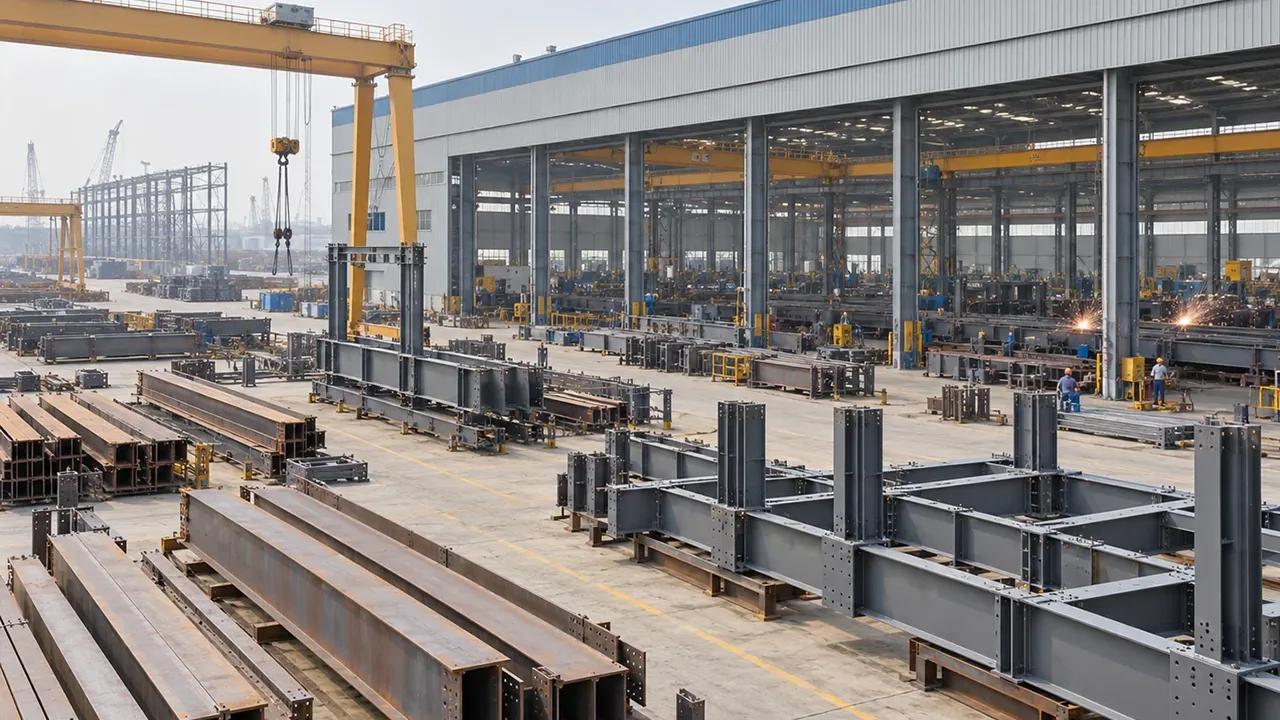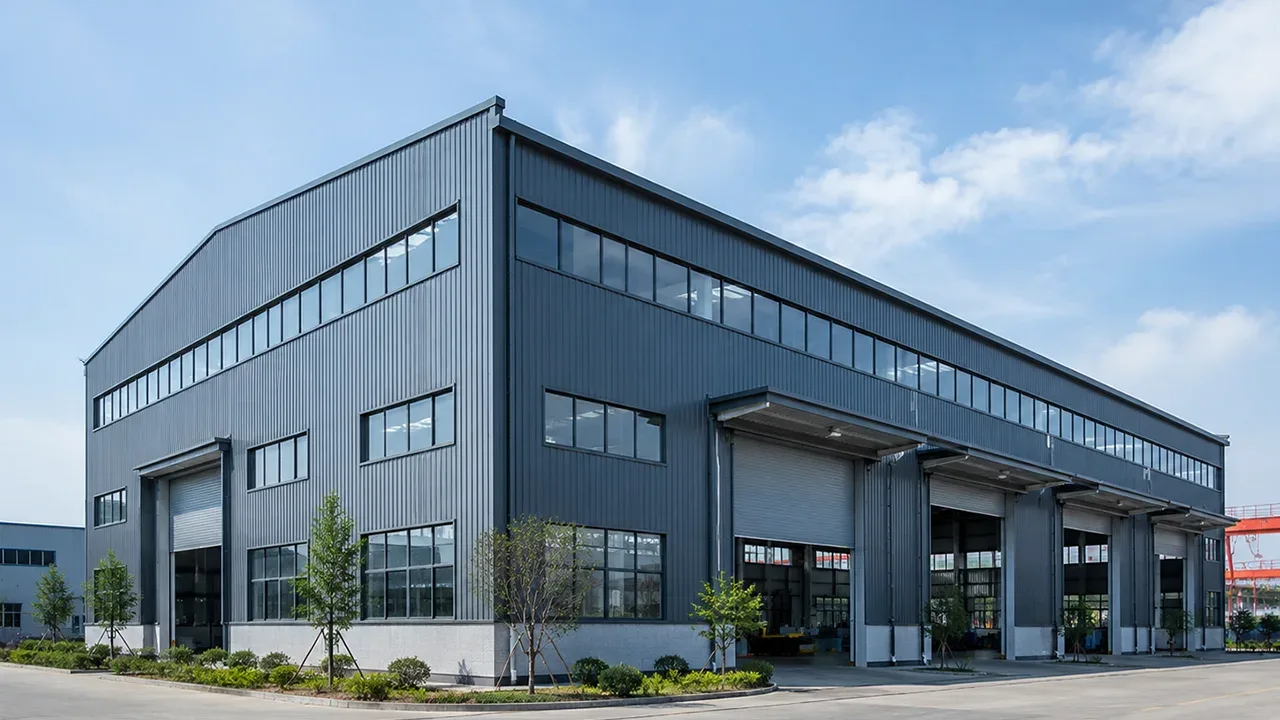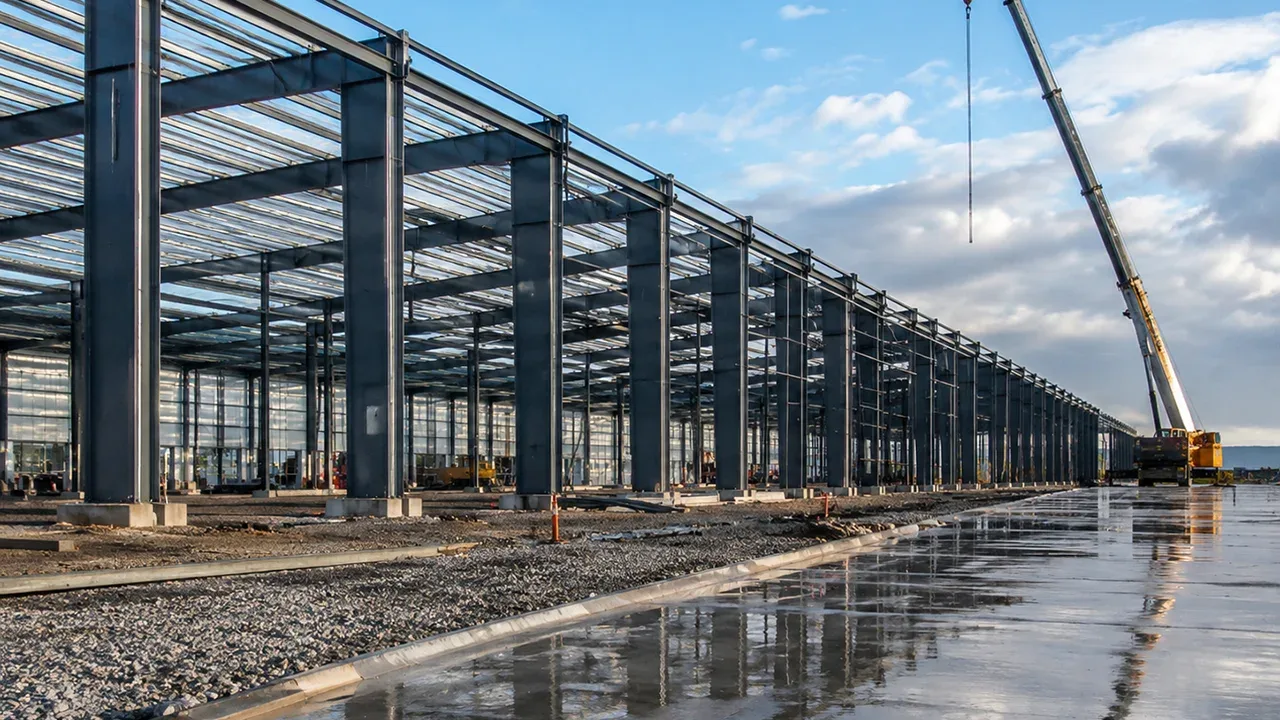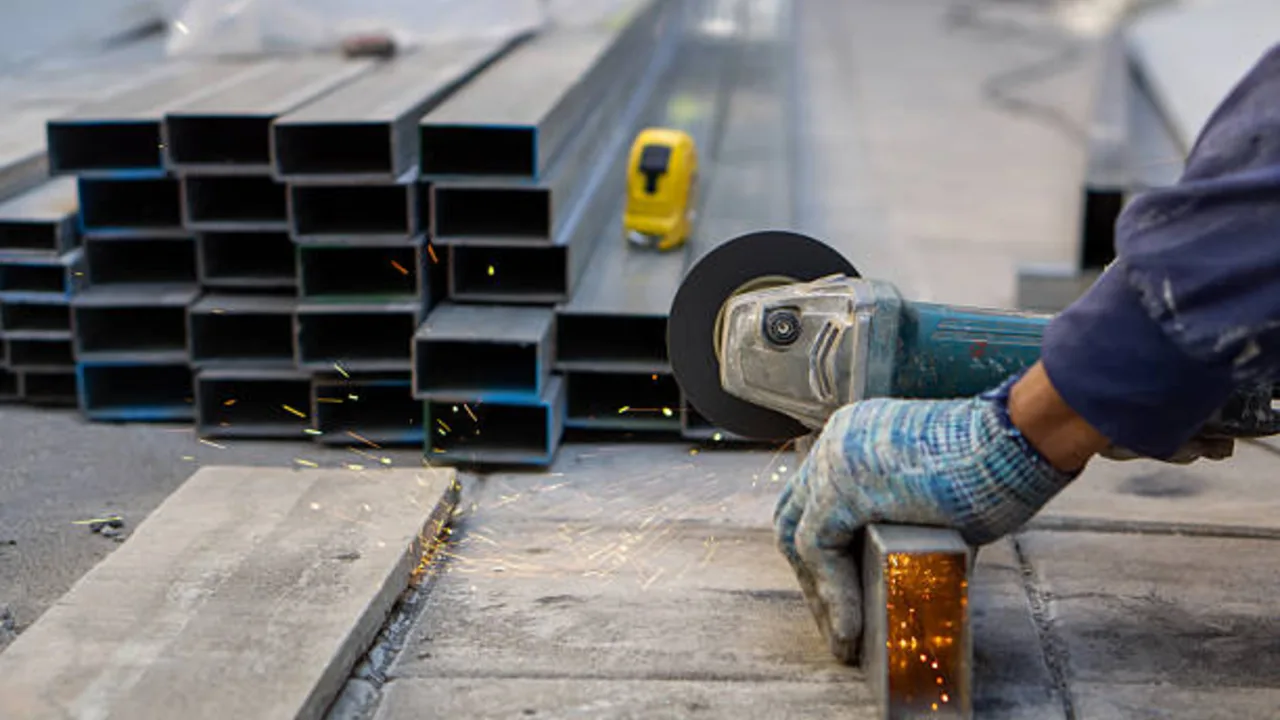
Construction schedules are becoming tighter across industrial buildings, logistics centers, warehouses, commercial facilities, and expansion projects. Owners want earlier occupancy, contractors need predictable site progress, and project managers are often asked to compress timelines without increasing risk. In this environment, steel prefabrication is frequently selected because it shifts a large portion of cutting, drilling, welding, fitting, marking, and surface preparation away from the jobsite and into a controlled factory workflow.
However, speed is not created by fabrication alone. A project can still lose time if drawings are late, deliveries arrive in the wrong order, crane access is blocked, or installation crews cannot identify members quickly. This is why fast track prefab assembly must be understood as a coordinated project method rather than simply a faster erection process.
Under tight project schedules, every phase affects the next one. Design decisions influence shop drawings. Shop drawings influence fabrication. Fabrication influences packing and delivery. Delivery sequence influences crane productivity. Crane productivity affects enclosure, MEP access, and downstream trades. When any one of these links is weak, the schedule can tighten further and create unnecessary rework.
The purpose of prefab steel assembly is not to rush the project blindly. It is to organize the work so that field installation becomes more predictable. When design control, factory production, logistics planning, and site readiness are aligned early, prefabricated steel systems can help project teams manage schedule compression while still protecting safety, quality, and long-term building performance.
Why Tight Project Schedules Change the Way Steel Assembly Is Planned
Schedule pressure starts before steel reaches the site
Many project delays appear during site assembly, but the root cause often begins much earlier. A missing connection detail, late drawing revision, unclear coating requirement, or unresolved anchor bolt layout can disrupt the installation sequence weeks later. In a compressed schedule, there is less time to absorb these mistakes.
For steel projects, early confirmation is essential. The project team must clarify member sizes, connection plates, bolt grades, base plate details, bracing layout, purlin spacing, surface treatment, delivery zones, and erection sequence before fabrication moves too far ahead. Once steel members are cut, drilled, welded, coated, bundled, and shipped, late changes become more expensive and more disruptive.
This is especially true for fast track prefab assembly, where fabrication and site preparation may overlap. The factory may be producing one zone while the site team is preparing foundations or crane access for another. That overlap can save time, but only if the information being used by both sides is accurate and controlled.
The difference between fast construction and rushed construction
Fast construction is not the same as rushed construction. Fast construction is planned acceleration. Rushed construction is uncontrolled pressure. The difference matters because steel erection depends on accuracy, stability, safe lifting, and proper sequencing.
A well-planned prefab project can move quickly because members are prepared in advance, connection details are coordinated, and delivery packages are arranged according to installation needs. Crews know what should arrive, where it should be unloaded, and how it should be lifted into position.
Rushed construction creates the opposite condition. Members may arrive without clear labels. Bolt packages may be incomplete. Connection plates may need field correction. Crane operations may stop while workers search for missing components. In that situation, the project may look active, but actual progress becomes slow and inefficient.
The goal of prefab steel assembly is therefore not to skip checks or reduce discipline. It is to remove unnecessary site uncertainty before the structure reaches the jobsite.
Why schedule compression increases coordination risk
Schedule compression often means that design, procurement, fabrication, transport, and site preparation happen closer together than usual. Instead of one phase finishing completely before the next begins, multiple phases overlap. This can reduce total project duration, but it also increases coordination risk.
For example, if fabrication begins before all details are finalized, a late design change may affect members already in production. If steel is shipped before the site is ready, materials may need to be stored longer than planned. If the crane schedule is fixed but deliveries arrive out of sequence, erection crews may lose valuable installation time.
Compressed schedules require tighter communication between engineers, fabricators, logistics teams, site supervisors, crane operators, and quality inspectors. The project needs clear drawing control, revision tracking, packing lists, delivery schedules, and inspection records. Without that discipline, schedule compression can turn into schedule confusion.
How Prefabricated Steel Supports Faster Assembly
Factory-controlled fabrication reduces site work
One of the biggest advantages of prefabricated steel is that much of the complex work can be completed before the steel reaches the site. Cutting, drilling, welding, trial fitting, surface preparation, member marking, and sometimes coating can be handled under controlled factory conditions.
This reduces the amount of field labor required during erection. Instead of cutting or modifying members on site, crews can focus on positioning, bolting, alignment, bracing, and inspection. Less field fabrication also means less dependence on temporary work areas, weather windows, welding conditions, and manual correction.
For tight schedules, this is important because site work is usually more exposed to delays. Rain, wind, limited access, crowded laydown areas, equipment conflicts, and labor coordination can all slow down field activities. Moving more work into the factory makes the installation process more predictable.
Standardized components improve repeatable installation
Prefab steel systems often use repeated frames, modular bays, standard connection details, purlins, girts, bracing sets, and roof or wall support members. This repetition helps installation crews develop rhythm. Once the first bay or zone is assembled correctly, the same installation logic can often be repeated across the building.
Repeatability is useful in warehouses, factories, logistics buildings, and long industrial halls where grid systems are consistent. Crews can learn the sequence quickly, equipment movement becomes easier to plan, and inspection teams can apply consistent checks from one area to the next.
However, standardization only supports speed when the components are properly organized. If similar members are poorly labeled or packed randomly, repetition can actually create confusion. The project team must ensure that member identification, bundle grouping, and delivery sequence match the erection plan.
Bolted connections and pre-planned interfaces
Bolted connections are one of the reasons prefabricated steel can be assembled efficiently under schedule pressure. When bolt holes, splice plates, gusset plates, base plates, and connection interfaces are accurately fabricated, site crews can erect the structure with less welding and fewer adjustments.
This does not mean bolted work is simple. Bolt access, hole alignment, tightening sequence, washer placement, connection surface condition, and inspection requirements still need careful planning. If connection details are not coordinated, even a small mismatch can stop crane work and delay the entire installation zone.
For fast track prefab assembly, connection readiness directly affects crane productivity. A crane should not be waiting while workers search for bolts, clean blocked holes, correct plate alignment, or confirm unclear drawings. The faster the schedule, the more important it becomes to make every connection package complete before members are lifted.
Key Planning Requirements for Fast Track Prefab Assembly
Early design freeze and drawing approval
A fast schedule needs early control of critical design information. This does not always mean every minor detail must be frozen at once, but the elements that affect fabrication and erection must be approved before production advances too far.
Shop drawings should confirm member dimensions, connection geometry, bolt requirements, anchor bolt coordination, bracing layout, coating requirements, and erection marks. Any open RFIs should be resolved before they affect production. Client decisions, engineering approvals, and fabrication releases must be managed with clear deadlines.
Late drawing changes are one of the most damaging problems in prefab steel work. A small revision can affect multiple members, connection plates, coatings, packing sequence, and delivery planning. In a tight schedule, there may not be enough time to absorb these changes without affecting site assembly.
Sequenced fabrication instead of bulk production
In a compressed project, steel should not always be fabricated only according to factory convenience. Production planning should support the erection sequence. The first zone needed on site should be prioritized, inspected, packed, and shipped before later zones that are not yet required.
This approach helps the site team begin erection earlier while the factory continues producing later packages. It also prevents the jobsite from being overloaded with steel that cannot yet be installed.
Sequenced fabrication requires communication between the project manager, fabrication planner, logistics coordinator, and erection supervisor. The team must know which columns, beams, bracing, purlins, bolts, plates, and accessories belong to each installation zone. When fabrication sequence and erection sequence are aligned, prefab steel can support real schedule acceleration instead of simply producing material faster.
Delivery planning and transport coordination
Fast steel assembly depends heavily on delivery planning. A project may have every member fabricated correctly, but if the wrong truck arrives first, the erection team may still lose time. Delivery order should follow installation sequence, not simply loading convenience.
Transport planning should define bundle numbers, member marks, unloading points, truck arrival windows, lifting access, and temporary storage zones. For large members, the team must also check route restrictions, turning radius, site gate width, and unloading equipment.
A good delivery plan reduces double handling. Steel should not be unloaded in one area, moved to another area for sorting, then moved again for lifting. Under tight schedules, unnecessary handling wastes crane time, increases coating damage risk, and creates confusion around installation zones.
Just-in-time delivery can be useful when site space is limited, but it requires reliable communication between the factory, transport team, and site supervisor. If trucks arrive too early, the site may become congested. If they arrive too late, erection crews may stand idle.
Crane planning and erection-zone readiness
Crane planning is another critical part of fast track prefab assembly. The crane location, lifting radius, access road, ground bearing capacity, turning space, and lifting sequence should be confirmed before steel arrives.
Even when the steel package is ready, installation cannot move quickly if the crane pad is unfinished, access roads are blocked, or lifting zones overlap with other trades. The site must be prepared to receive steel and begin erection immediately.
Erection-zone readiness includes anchor bolt verification, foundation curing, survey control, temporary bracing locations, bolt storage, safety access, and weather planning. If any of these items are incomplete, the speed advantage of prefabrication can disappear at the site stage.
The best fast-track projects treat crane time as a high-value resource. Every lift should be supported by clear drawings, correct member identification, complete connection hardware, and a prepared work area.
Managing Schedule Compression Without Losing Quality
Quality control before shipment
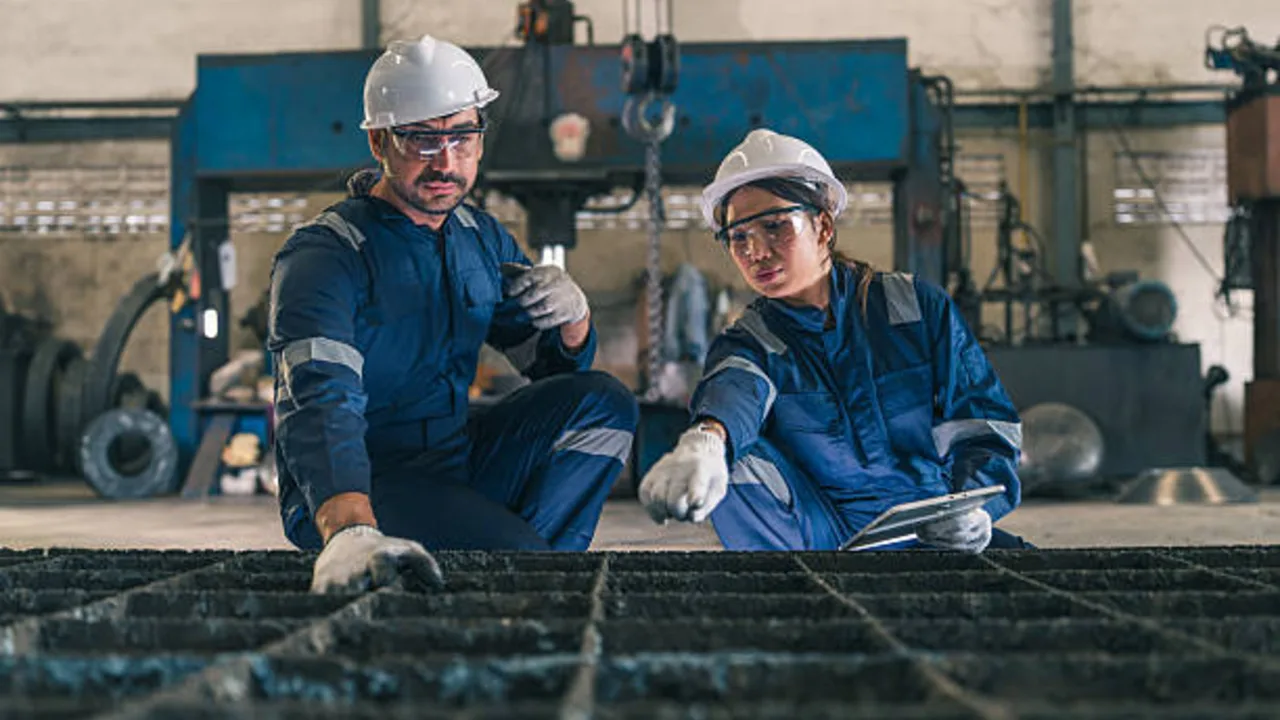
Quality control must happen before the steel leaves the factory. In compressed projects, site correction is one of the most expensive forms of delay. If a bolt hole is wrong, a member is mislabeled, or a coating is damaged before delivery, the problem may stop an entire installation sequence.
Factory inspection should verify member dimensions, hole locations, weld quality, surface treatment, coating condition, member marks, packing lists, and accessory packages. Critical members should be checked against the erection sequence, not only against individual fabrication drawings.
Pre-shipment inspection also helps reduce dispute between factory and site teams. When records are clear, the project can quickly identify whether a problem came from fabrication, transport, unloading, storage, or installation.
Inspection hold points in compressed schedules
A compressed schedule does not remove the need for inspection. It only requires inspection to be planned better. Instead of waiting until the end, quality checks should be built into the production and installation workflow.
Useful hold points may include material verification, welding inspection, surface treatment approval, coating inspection, trial assembly checks, packing verification, delivery inspection, anchor bolt survey, first-frame alignment, final bolt tightening, and bracing completion.
These checkpoints help prevent small errors from becoming major delays. The goal is not to slow the project down. The goal is to catch problems early enough that they do not damage the critical path.
Clear responsibility between factory and site teams
Fast projects suffer when responsibility is unclear. If a member arrives damaged, who records it? If bolts are missing, who supplies replacements? If a coating needs repair, who approves the procedure? If field alignment is difficult, who decides whether modification is acceptable?
These questions should be answered before assembly begins. The project should define responsibility for missing parts, transport damage, field touch-up, bolt supply, drawing clarification, inspection records, and nonconformance reports.
Clear responsibility keeps decisions moving. Under schedule compression, a delay in decision-making can be as damaging as a delay in fabrication.
Site Assembly Strategy Under Tight Timelines
Divide the project into erection zones
Zone-based erection is one of the most practical ways to manage prefab steel under tight timelines. Instead of treating the building as one large installation area, the project can be divided into logical zones such as grid sections, warehouse bays, production areas, roof zones, or equipment platforms.
This allows the team to complete stable sections progressively. A typical approach may begin with a braced bay, then extend the frame outward bay by bay. Temporary bracing and alignment checks are essential during this process because partial structures must remain stable before the full building system is complete.
Zone-based work also supports phased handover. Once one zone is structurally stable, follow-up trades may begin roofing, cladding, MEP installation, or equipment preparation while steel erection continues elsewhere.
Install primary structure before secondary systems
A typical steel assembly sequence starts with columns, then rafters or beams, then bracing, then purlins, girts, roof systems, and wall systems. This sequence helps establish structural stability before secondary members and enclosure work are added.
However, real projects may require adjustments. Weather exposure, crane access, equipment installation, or phased occupancy may influence the order of work. The key is that any deviation must be planned, not improvised.
Secondary members should not be installed in a way that blocks alignment, connection access, or temporary bracing. Under fast schedules, the temptation to overlap too much work can be strong, but uncontrolled overlap can create unsafe or inefficient conditions.
Coordinate steel erection with envelope and MEP work
Schedule compression often requires parallel work between steel erection, roof installation, wall cladding, ducts, cable trays, crane rails, equipment supports, and fire protection activities. This overlap can save time, but only when interfaces are coordinated.
For example, roof panels may need to start soon after the primary frame is stable. MEP hangers may need embedded connection points. Equipment platforms may need to be installed before wall closure. If these interfaces are not reviewed early, trades may interfere with one another.
Coordination drawings, daily work plans, and zone-based access control help reduce conflict. In fast-track projects, the question is not only “Can this trade start early?” but also “Can this trade start early without blocking another critical activity?”
Common Problems in Fast Track Prefab Assembly
Missing or poorly labeled components
Missing components can stop a steel installation faster than many major technical problems. A missing brace, bolt set, splice plate, clip angle, or base plate accessory can delay an entire zone.
Clear member marking is essential. Packing lists should match erection zones. Similar members should be labeled in a way that prevents confusion. For large projects, QR codes, color tags, bundle maps, or digital tracking can help crews identify members quickly.
The faster the schedule, the less time the site has for sorting mistakes.
Late design changes after fabrication
Late design changes are especially damaging in prefab work because the steel may already be cut, drilled, welded, coated, packed, or shipped. A revision that seems small on paper may create field drilling, welding repair, coating damage, inspection delays, and approval issues.
Change control must be strict. If a revision is unavoidable, the project team should immediately identify affected members, production status, shipment status, site impact, and repair method. Without this discipline, one late change can spread across multiple installation zones.
Site access and laydown limitations
Limited site access can slow assembly even when fabrication is excellent. Tight urban sites, active industrial facilities, narrow gates, poor ground conditions, and small laydown areas can all restrict productivity.
In these conditions, shipment batches should be smaller and more precise. The site may need just-in-time delivery, direct lifting from truck, or carefully assigned laydown positions. Delivery planning should also consider turning space, unloading time, and traffic restrictions.
A prefab system is only fast if the site can physically receive and handle the components.
Weather disruption and exposed work fronts
Weather can affect lifting, bolting, coating repair, access, and worker productivity. High wind may stop crane operations. Rain can affect surface repair and safe movement. Extreme heat or cold can reduce productivity and create additional handling risks.
Fast-track projects should include weather contingency planning. This may involve prioritizing critical lifts during stable weather windows, protecting stored steel, preparing temporary access routes, and sequencing roof closure as early as possible.
Weather cannot be eliminated, but its impact can be reduced through planning.
Practical Checklist for Fast Track Prefab Assembly
| Planning Area | What Must Be Confirmed | Schedule Risk If Missed | Best Practice |
|---|---|---|---|
| Approved drawings | Shop drawings, connection details, anchor bolt layout, erection sequence | Fabrication errors, late revisions, installation stoppage | Freeze critical details before production release |
| Fabrication sequence | Priority zones, first shipment package, critical path members | Steel arrives before it can be installed | Fabricate according to erection priority |
| Member marking | Piece marks, bundle labels, zone tags, packing lists | Sorting delays and wrong lifts | Label members by installation zone |
| Delivery order | Truck sequence, unloading location, site arrival window | Double handling and crane waiting time | Load trucks in erection order where possible |
| Crane access | Crane pad, lifting radius, access road, ground bearing | Delayed lifts and unsafe work conditions | Prepare erection zones before delivery |
| Connection package | Bolts, plates, washers, splice materials, tightening procedure | Incomplete connections and work stoppage | Pack hardware by zone and member group |
| Inspection records | Factory QC, delivery inspection, bolt tightening records | Disputes, reinspection, compliance delays | Maintain documentation from factory to site |
| Field repair procedure | Coating repair, minor damage process, approval responsibility | Unclear repair decisions and delayed acceptance | Approve repair method before erection starts |
How Prefab Assembly Protects the Project Critical Path
Reducing on-site fabrication work
The more work completed in the factory, the less uncertainty remains on site. Reducing field cutting, drilling, welding, and correction helps protect the project critical path because site activities are usually more exposed to weather, access limits, and trade interference.
Factory preparation also improves predictability. Project managers can track fabrication milestones, coating completion, packing status, shipment dates, and erection progress with greater clarity.
Supporting phased handover
Prefab steel assembly can support phased handover when the building is divided into logical installation zones. One area can be erected, braced, inspected, and partially enclosed while later areas are still being assembled.
This is useful for warehouses, factories, and logistics buildings where roof closure, equipment access, or interior trade work may need to begin before the entire steel frame is complete.
Improving predictability for project managers
Predictability is one of the biggest advantages of prefab systems under tight schedules. Instead of relying on broad estimates, project managers can monitor production status, shipment status, site readiness, erection progress, and inspection completion.
This makes fast track prefab assembly easier to control. The project is still fast, but it becomes measurable rather than chaotic.
When Fast Track Prefab Assembly Works Best
Warehouses and logistics facilities
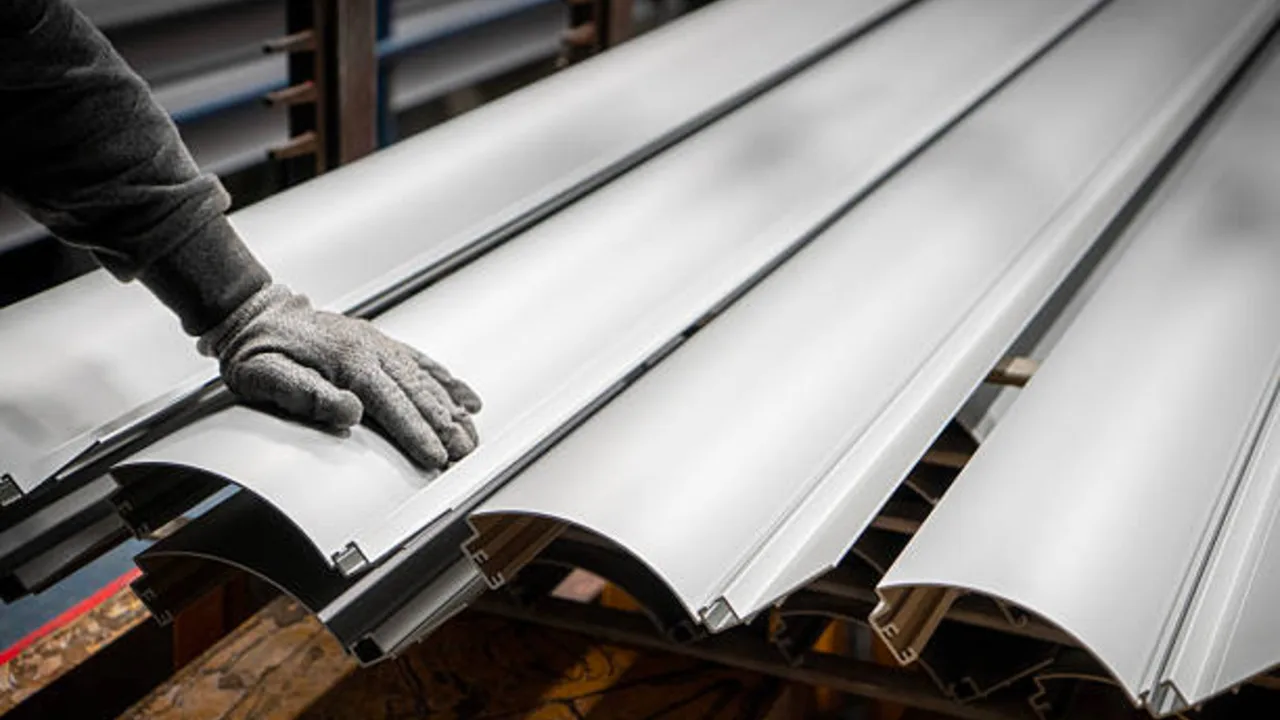
Warehouses and logistics facilities often have repeated bays, large roof areas, clear grid systems, and straightforward circulation requirements. These conditions are well suited to prefabricated steel because repetition supports speed and predictable erection.
Industrial plants and factories
Industrial buildings often require coordination between steel frames, equipment platforms, pipe supports, crane systems, and access zones. Prefab planning helps organize these interfaces before site installation begins.
Commercial and modular steel buildings
Commercial and modular buildings benefit from faster enclosure, controlled fabrication, and repeatable module interfaces. When installation sequence is well planned, prefab systems can reduce disruption and support earlier downstream work.
Expansion projects on active sites
Expansion projects often happen near existing operations. Prefabrication can reduce on-site cutting, welding, and disruption, making it useful when construction must occur near active production, storage, or logistics activities.
Best Practices for Successful Fast Track Prefab Assembly
- Freeze key design decisions before fabrication release.
- Align fabrication sequence with erection sequence.
- Package steel by installation zone.
- Confirm crane access before delivery.
- Use clear member identification and packing records.
- Keep bolts, plates, and accessories grouped by zone.
- Inspect members before shipment.
- Prepare field repair procedures before site work begins.
- Coordinate envelope and MEP work early.
- Track progress with daily installation records.
Conclusion
Fast steel assembly is not only about moving quickly. It is about removing uncertainty before the project reaches the most time-sensitive stage. A strong prefab strategy connects design control, factory precision, transport planning, site readiness, crane productivity, inspection discipline, and clear responsibility.
Effective fast track prefab assembly helps project teams manage schedule compression without turning speed into disorder. It reduces unnecessary site fabrication, improves delivery control, supports phased installation, and gives project managers a clearer view of progress.
For companies working with a prefabricated steel structure system, tight schedules can be managed more reliably when assembly planning begins long before the steel reaches the site. When fabrication, logistics, and erection are coordinated as one workflow, prefab steel can protect the critical path while preserving quality, safety, and long-term building performance.