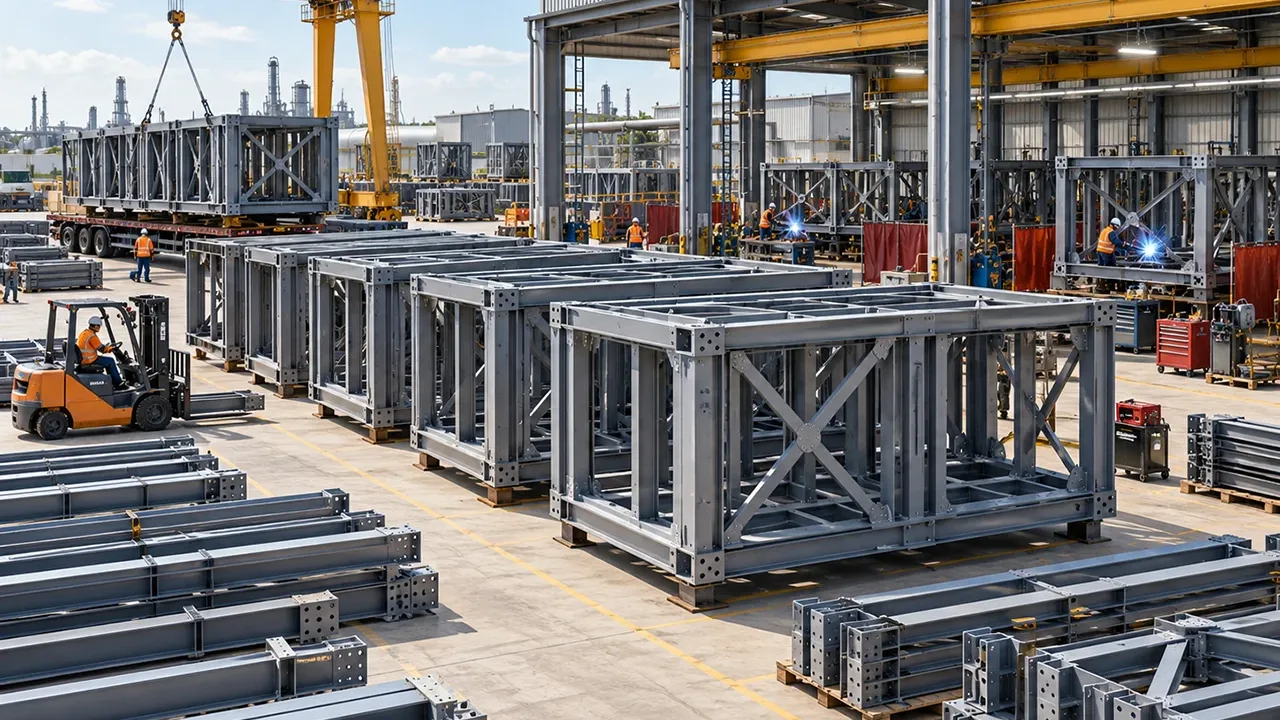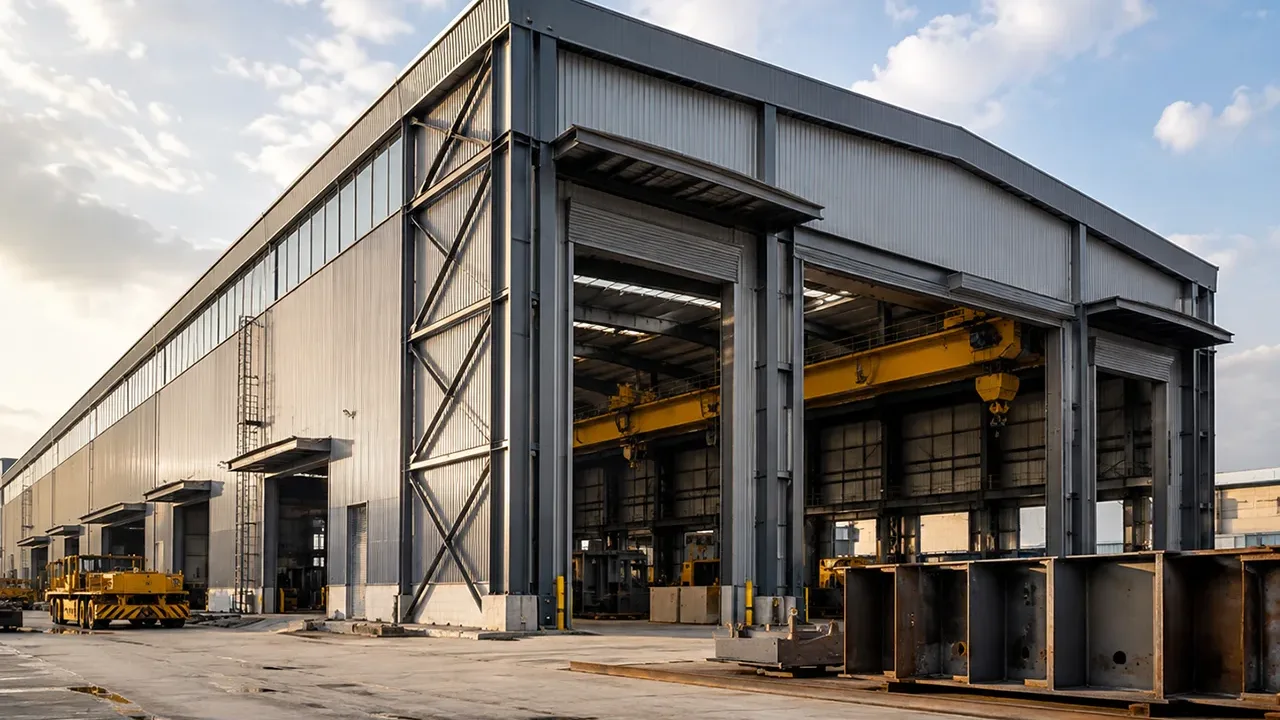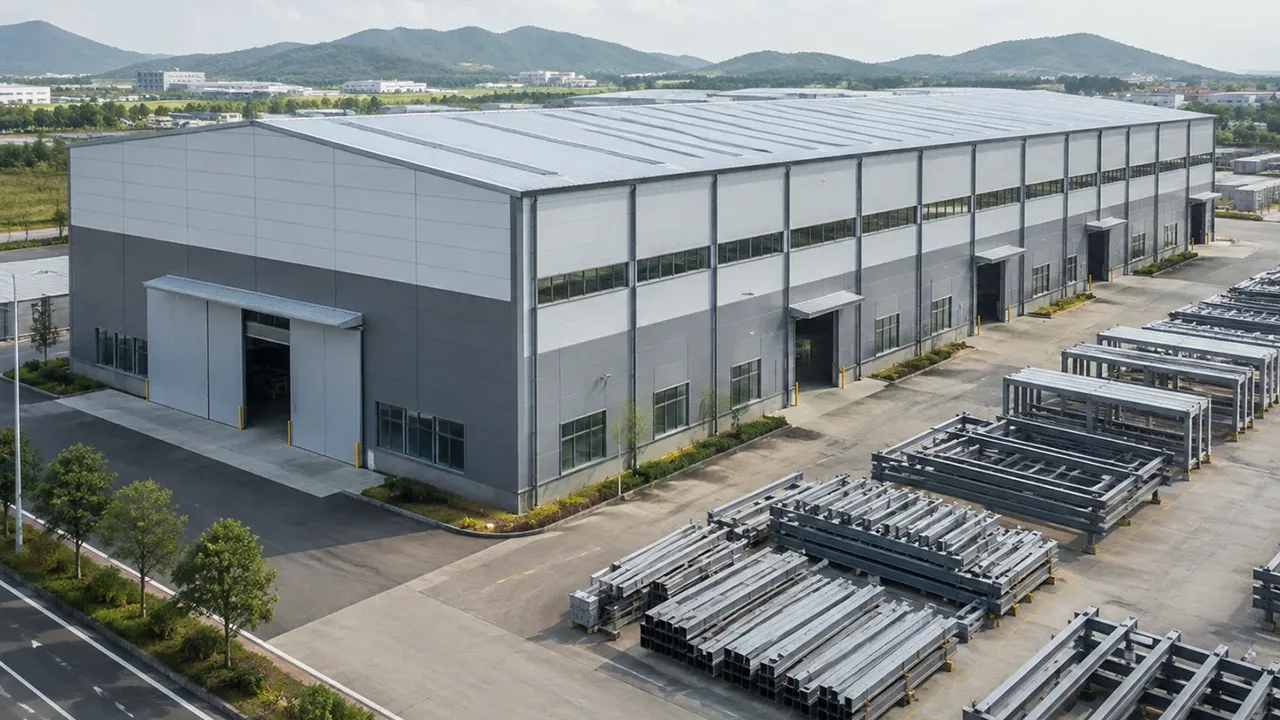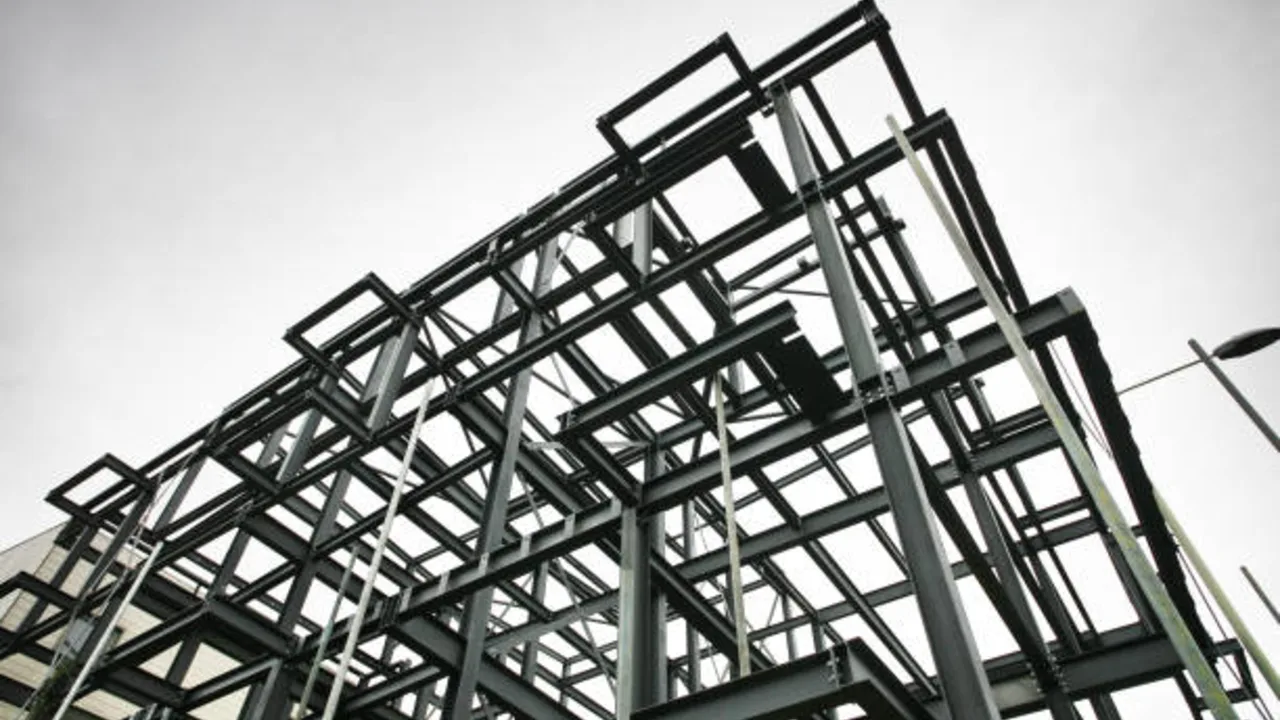
Steel projects are rarely as clean and linear as they appear in early design models. In many industrial, commercial, and infrastructure developments, the final structure is built through a combination of factory-prefabricated steel assemblies and steel work completed directly on site. This mixed approach can improve speed, quality, and installation efficiency, but it also creates a critical coordination challenge: the point where prefabricated work meets field-built work.
This is where prefab hybrid construction becomes both valuable and technically demanding. Factory-made components may arrive with precise dimensions, drilled connection holes, welded assemblies, protective coatings, and clear installation marks. At the same time, the site may still involve foundation variation, temporary access limitations, field welding, secondary steel installation, and coordination with other trades.
When these two worlds are not properly aligned, small mismatches can quickly become major installation problems. A connection plate that does not meet the site-built frame, an anchor bolt group that is slightly out of position, or a temporary support that blocks crane access can disrupt the entire erection sequence.
The main risk in this type of project is not simply whether prefab components are manufactured correctly. The real challenge is managing the interface between factory-controlled steel and site-controlled steel. In complex projects, interface risk can affect schedule certainty, safety, cost control, and long-term structural performance.
What Prefab Hybrid Construction Means in Steel Projects
Combining factory-made steel with field-installed work
In practical terms, prefab hybrid construction refers to a steel project delivery method where part of the structure is manufactured or preassembled off-site, while another part is completed, adjusted, connected, or reinforced on the construction site.
This may include prefabricated columns, trusses, beams, roof sections, pipe racks, platforms, stair towers, equipment supports, or modular steel frames. These elements are produced in controlled fabrication facilities and then transported to the project location for erection.
At the same time, some steel work may remain site-based. This can include field-welded joints, secondary framing, bracing, alignment adjustments, local reinforcement, embedded plate connections, roof support details, façade supports, equipment interface steel, or last-stage connection work.
The hybrid model is especially common when project teams want the benefits of prefabrication but still need flexibility for site conditions. It allows the most repetitive or quality-sensitive work to be completed in the factory, while certain final connections and adjustments remain under field control.
Why project teams choose hybrid methods
A fully conventional steel project may require extensive site labor, longer erection periods, more temporary works, and greater exposure to weather. A fully prefabricated system may not always be practical when site geometry, transportation limits, existing structures, or phased construction requirements are complex.
Hybrid steel construction offers a middle path.
It can help project teams achieve:
- Faster structural erection compared with fully field-built methods
- Better welding and fabrication quality under factory conditions
- Reduced on-site labor density
- More predictable production before site installation begins
- Greater flexibility for final field adjustment
- Improved control over repetitive steel assemblies
This is why prefab hybrid construction is often used in industrial plants, warehouses, logistics facilities, power projects, process buildings, commercial structures, and large-span roof systems.
However, the method only works well when the boundary between factory and site responsibilities is clearly defined. If the project team treats prefabrication and site work as separate activities instead of one integrated workflow, interface problems become much more likely.
The Main Challenge: Managing Interface Risk
What interface risk means in hybrid steel construction
Interface risk refers to the possibility that two connected scopes of work will not match properly when they meet in the field. In mixed prefab and on-site steel projects, this usually happens at the transition point between factory-fabricated elements and site-built or site-adjusted steel.
These risks may appear at:
- Anchor bolt groups
- Base plate locations
- Column-to-beam connections
- Truss bearing points
- Field-welded joints
- Secondary steel connections
- Temporary support locations
- Equipment and MEP interface points
The issue is rarely caused by one single dramatic error. More often, interface problems develop from small differences between design assumptions, fabrication tolerances, survey results, and actual site conditions.
For example, a prefabricated truss may be manufactured within tolerance, while the site-built support frame may also appear acceptable when measured separately. But when both systems meet, accumulated tolerance differences may create a gap, bolt misalignment, bearing issue, or forced connection condition.
Why small interface errors become expensive
Small steel interface errors can become expensive because they usually appear during the most time-sensitive stage of the project: installation.
By the time a prefab module is lifted into place, the crane may already be scheduled, the installation crew may be waiting, other trades may be blocked, and the delivery vehicle may need to leave the site quickly. If the module does not fit, the project team may have very limited time and space to solve the issue.
Common consequences include:
- Crane standby time
- Field drilling or cutting
- Unplanned welding
- Temporary shoring
- Delayed follow-up trades
- Additional inspection requirements
- Schedule resequencing
In severe cases, a module may need to be lowered, stored temporarily, modified on site, or returned for fabrication correction. This creates safety exposure, cost escalation, and project management pressure.
Managing interface risk is therefore one of the most important responsibilities in hybrid steel construction.
Factory Prefabrication vs On-Site Steel Work
Factory-controlled steel work
Factory prefabrication offers a controlled environment for steel production. Fabricators can use CNC cutting, automated drilling, controlled welding procedures, coating systems, dimensional inspection, trial fitting, and structured quality documentation.
This environment is ideal for components that require repeatability and accuracy. Structural members can be measured before shipping, welds can be inspected under controlled conditions, and coating quality can be checked before exposure to the site environment.
Factory work is usually more predictable because it is less affected by weather, site congestion, access restrictions, and overlapping trades. This gives prefabricated steel elements a major advantage in quality control and production planning.
However, factory precision does not eliminate field variation. A perfectly fabricated component can still fail to fit if the foundation, support steel, embedded plate, or field connection point is not where the model expected it to be.
Site-controlled steel work
On-site steel work has a different risk profile. Field teams must deal with real site conditions such as foundation deviations, survey changes, temporary access constraints, crane limitations, weather exposure, and coordination with civil, mechanical, electrical, and façade works.
Site work often provides flexibility. Field welding, shimming, alignment adjustment, and local reinforcement can help solve practical installation issues. But this flexibility must be controlled. If field adjustments are made without engineering review, the project may introduce structural distortion, connection weakness, coating damage, or inspection problems.
This is why hybrid projects need clear rules for what can be adjusted in the field and what requires formal engineering approval.
Defining the boundary between factory and site
The boundary between prefabricated steel and site-built steel should never be left vague. Every connection, support point, and adjustment zone needs an owner.
A strong hybrid steel plan should clarify:
- Which components are fully prefabricated
- Which connections are completed on site
- Which dimensions are controlled by the factory
- Which dimensions must be verified by site survey
- Which tolerances can be absorbed during installation
- Which field changes require engineering approval
Without this clarity, teams may assume that another party has already checked the interface. This assumption is one of the most common causes of interface risk in mixed prefab and on-site steel works.
Planning Responsibilities Before Fabrication Begins
Clear scope split between factory and site teams
The most effective time to control hybrid construction risk is before fabrication begins. Once steel is cut, welded, drilled, coated, and shipped, changes become slower and more expensive.
Before production starts, the project team should define the scope split between factory and site work. This includes identifying which assemblies will arrive as finished modules, which elements will require site bolting, which joints will be field welded, and which supports or secondary members will be installed locally.
This scope split should be visible in drawings, method statements, inspection plans, and installation sequences. It should not exist only in meeting notes or informal communication.
Interface control drawings
Interface control drawings are essential in prefab hybrid construction. These drawings focus specifically on the points where factory-made steel connects with site-built or site-adjusted steel.
They should show:
- Connection locations
- Bolt groups and hole patterns
- Field weld requirements
- Survey reference points
- Elevation control points
- Allowable tolerance ranges
- Temporary support requirements
- Inspection hold points
These drawings help ensure that designers, fabricators, surveyors, erection crews, and site managers are all working from the same assumptions.
Early installation review
Installation teams should review fabrication drawings before production begins. This is important because erection crews often identify practical field issues that may not be obvious during design.
They may notice that a bolted connection is difficult to access after lifting, that a temporary brace conflicts with crane movement, that a field weld is located in an awkward position, or that a module is too large for the planned site route.
Early installation review helps prevent avoidable problems before they are locked into the fabrication package.
Dimensional Tolerance Control in Prefab Hybrid Construction
Factory tolerance versus site tolerance
Factory tolerances and site tolerances are not the same. Factory tolerances are usually controlled through fabrication equipment, jigs, inspection tools, and repeatable production processes. Site tolerances are influenced by concrete placement, embedded items, foundation settlement, weather, survey accuracy, and construction sequencing.
In hybrid projects, both tolerance systems meet at the interface.
A steel component can be accurate in factory terms, while the site condition may still prevent proper installation. This is why tolerance management must be planned as a combined system, not as separate factory and site responsibilities.
Critical measurements to verify
Before prefabricated components are shipped, the site team should verify key dimensions that affect installation.
Critical checks may include:
- Grid line locations
- Column positions
- Anchor bolt spacing
- Base plate elevations
- Diagonal measurements
- Embedded plate locations
- Connection plate positions
- Support bearing levels
These measurements should be compared against fabrication drawings and installation models. When deviations are found early, the project team can decide whether to adjust the site condition, modify the prefab component, revise the connection detail, or change the installation sequence.
How tolerance stacking creates installation problems
Tolerance stacking happens when several small deviations combine into one larger problem. Each deviation may appear acceptable on its own, but together they can create a connection conflict.
For example, a foundation elevation may be slightly high, a column line may be slightly shifted, and a prefabricated beam connection may have a small fabrication tolerance. Individually, each issue may seem minor. Combined, they may cause bolt holes to misalign or bearing surfaces to become uneven.
This is why interface risk must be evaluated across the entire connection path, not just at one isolated component.
Survey and Site Verification Before Delivery
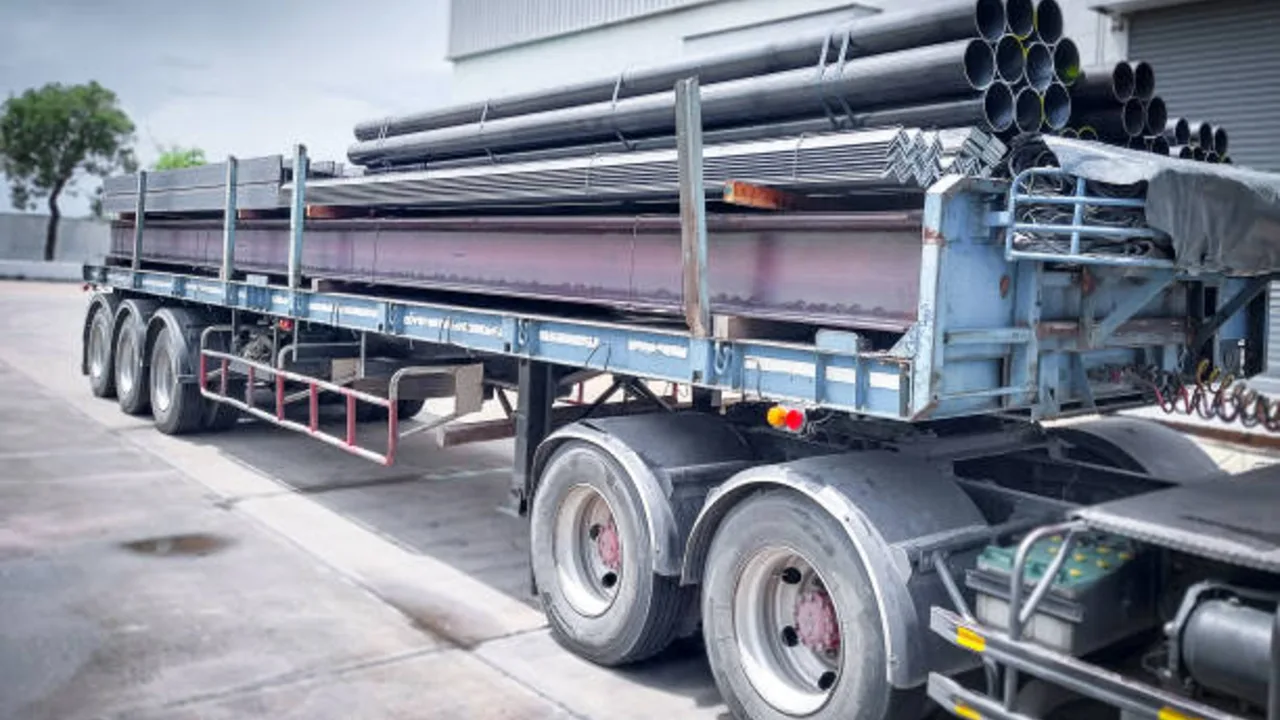
Pre-delivery site survey
A pre-delivery survey is one of the most important safeguards in prefab hybrid construction. Before factory-made steel assemblies leave the fabrication yard, the site team should confirm that the receiving conditions are ready, measurable, and compatible with the manufactured components.
This survey should not be treated as a routine formality. It is the practical checkpoint where design assumptions, fabrication dimensions, and actual field conditions are compared before transportation and lifting begin.
A proper pre-delivery survey helps verify:
- Whether foundations are built to the required grid positions
- Whether anchor bolts match the approved layout
- Whether support elevations are within allowable tolerance
- Whether temporary access is clear for delivery vehicles and cranes
- Whether site-built steel is ready to receive prefab elements
When this step is skipped, problems are often discovered only after modules arrive on site. At that stage, correction becomes more expensive because cranes, labor crews, transport vehicles, and installation schedules are already active.
Checking foundations and embedded items
Foundations and embedded items are among the most common sources of interface conflict in hybrid steel projects. Even a well-fabricated steel module can become difficult to install if anchor bolts, embedded plates, or concrete elevations do not match the approved steel drawings.
Important items to check include:
- Anchor bolt spacing and projection height
- Base plate bearing surfaces
- Concrete elevation levels
- Embedded steel plate locations
- Grout pocket dimensions
- Support bearing points
- Foundation diagonal measurements
These checks are especially important when the foundation work is completed by a different contractor than the steel fabrication team. In that case, the connection between concrete work and prefab steel installation becomes a major source of interface risk.
Digital survey data and BIM comparison
Modern project teams increasingly use digital survey data to compare field conditions with BIM models or fabrication models. This improves coordination because survey information can be checked before physical installation begins.
Digital verification can help identify:
- Anchor bolt deviations
- Column grid shifts
- Elevation conflicts
- Connection clearance problems
- Potential clash points between prefab and site-built steel
When survey data is integrated with the project model, teams can review problems visually instead of relying only on written reports. This makes decision-making faster and reduces the chance of misunderstanding between factory and site teams.
Connection Design for Hybrid Steel Interfaces
Bolted connections for faster installation
Bolted connections are often preferred in prefab steel installation because they support faster erection and reduce the amount of field welding required. When connection holes are accurately fabricated and site tolerances are properly managed, bolted joints allow installation crews to assemble structural elements efficiently.
Bolted interfaces are useful for:
- Column-to-beam connections
- Truss bearing connections
- Preassembled frame connections
- Secondary steel attachments
- Temporary bracing points
However, bolted connections require careful control of hole alignment, plate thickness, edge distances, bolt access, and erection sequence. A bolted detail that looks simple on a drawing may become difficult if workers cannot access the bolt after the module is positioned.
Field welding where adjustment is required
Field welding can provide flexibility when final adjustment is required, but it must be used carefully. Unlike factory welding, site welding may be affected by weather, access restrictions, worker position, coating conditions, inspection availability, and temporary stability requirements.
Field welding may be useful for:
- Final alignment adjustments
- Local reinforcement
- Connection repair
- Site-specific steel additions
- Non-repetitive interface conditions
The danger is uncontrolled welding. If field welds are added without engineering approval, they may change load paths, introduce distortion, damage coatings, or create inspection problems.
For this reason, hybrid steel projects should clearly identify which welds are planned field welds and which changes require formal approval.
Slotted holes and adjustable plates
Some interface problems can be reduced by designing controlled adjustment into the connection system. Slotted holes, shim zones, adjustable splice plates, and planned tolerance gaps can help absorb minor variation between prefabricated elements and site-built conditions.
These details can improve installation flexibility, but they must be engineered carefully. Too little adjustment may cause installation delays. Too much adjustment may reduce connection efficiency or create uncertainty about final load transfer.
A good interface design should define:
- Allowable movement direction
- Maximum adjustment range
- Required washer or plate details
- Final tightening or welding requirements
- Inspection acceptance criteria
Controlled adjustment is one of the most practical ways to reduce interface risk without turning every small field variation into a major rework issue.
Installation Sequencing for Mixed Prefab and Site Works
Why sequence planning matters
Installation sequence is critical in prefab hybrid construction because factory-made components, site-built steel, crane operations, and inspection activities must all move together. A prefab module may be ready for delivery, but if the site-built support steel is not complete, the module cannot be installed efficiently.
Likewise, site crews may complete supporting steel, but if the prefab assembly arrives late, the project may lose crane productivity and delay other trades.
A strong sequence plan should coordinate:
- Factory production schedule
- Site readiness milestones
- Transport and delivery windows
- Crane availability
- Temporary support requirements
- Inspection hold points
- Follow-up trade access
Sequence planning should be realistic, not just optimistic. It must reflect actual site access, installation speed, weather exposure, inspection timing, and the possibility of adjustment work.
Typical sequencing risks
Hybrid steel projects often experience sequencing problems when one part of the project progresses faster than another.
Typical risks include:
- A prefab module arriving before support steel is ready
- Site-built framing blocking crane access
- Temporary bracing preventing final module placement
- Field welds becoming inaccessible after installation
- Inspection points being missed before covering work
- Follow-up MEP work starting before steel alignment is confirmed
These problems are avoidable when the team treats sequencing as a shared responsibility between fabrication, logistics, and site installation.
Hold points and inspection checkpoints
Inspection hold points are essential for controlling quality during hybrid steel erection. They ensure that critical work is checked before the next stage proceeds.
Important hold points may include:
- Foundation and anchor bolt verification before delivery
- Prefab component inspection before shipping
- Crane lift readiness review
- Initial module alignment check
- Bolt tightening verification
- Field weld inspection
- Temporary support release approval
- Final plumbness and alignment confirmation
These checkpoints reduce the chance that an interface problem becomes hidden inside the completed structure.
Managing Field Adjustments Without Losing Control
When adjustment is normal
Minor adjustment is normal in hybrid steel work. Real construction sites are never perfectly identical to digital models. Foundations may vary slightly, anchor bolts may have minor positional deviations, and site-built steel may require small alignment corrections.
Reasonable adjustments may include:
- Controlled shimming
- Minor bolt alignment correction
- Approved slotted-hole adjustment
- Planned field welding
- Temporary support adjustment
The key is that the adjustment must be expected, controlled, and documented. If adjustment zones are included in the design, field crews can respond efficiently without improvising unsafe solutions.
When adjustment becomes rework
Adjustment becomes rework when the installed condition no longer matches the approved design intent.
Warning signs include:
- Forcing members into position
- Cutting steel without approval
- Drilling new holes in primary members
- Using excessive shim thickness
- Adding uncontrolled welds
- Distorting connection plates during fit-up
- Ignoring anchor bolt misalignment
These actions may appear to solve an immediate installation problem, but they can create long-term structural, quality, and liability risks.
Approval workflow for field changes
A clear field change workflow helps keep the project under control.
A practical process includes:
- Record the issue with photos, measurements, and location references
- Notify the responsible engineer or project coordinator
- Assess whether the issue affects structure, tolerance, coating, or installation sequence
- Define the corrective method
- Obtain approval before modification
- Document the final installed condition
This workflow prevents informal decisions from becoming hidden structural problems. It also gives the manufacturer, contractor, and owner a clear record of how interface issues were resolved.
Quality Control Across Factory and Site Work
Factory inspection before delivery
Factory quality control should confirm that prefabricated steel assemblies are ready for site installation before they leave the fabrication facility.
Typical checks include:
- Dimensional inspection
- Welding inspection
- Hole pattern verification
- Trial fit checks when required
- Coating inspection
- Component marking
- Packing and loading inspection
Accurate marking is especially important. If components are delivered without clear identification, site teams may lose time sorting materials or may install members in the wrong sequence.
Site inspection during installation
Site inspection focuses on whether prefabricated components are installed correctly under actual field conditions.
Important checks include:
- Column plumbness
- Beam alignment
- Truss bearing condition
- Bolt tightening
- Field weld quality
- Shim installation
- Grout condition
- Temporary support removal
Factory quality alone cannot guarantee project success. In prefab hybrid construction, final quality depends on the continuity between factory inspection and site inspection.
Documentation continuity
A complete quality system should connect factory records with site records. Fabrication inspection reports, material certificates, welding records, coating reports, shipping documents, site survey records, installation checklists, and field change approvals should all be traceable.
This documentation helps project teams prove that both prefabricated and site-installed work were completed according to the approved requirements.
It also reduces disputes when interface problems occur because the team can identify where the issue originated and how it was resolved.
Reducing Interface Risk with BIM and Digital Coordination
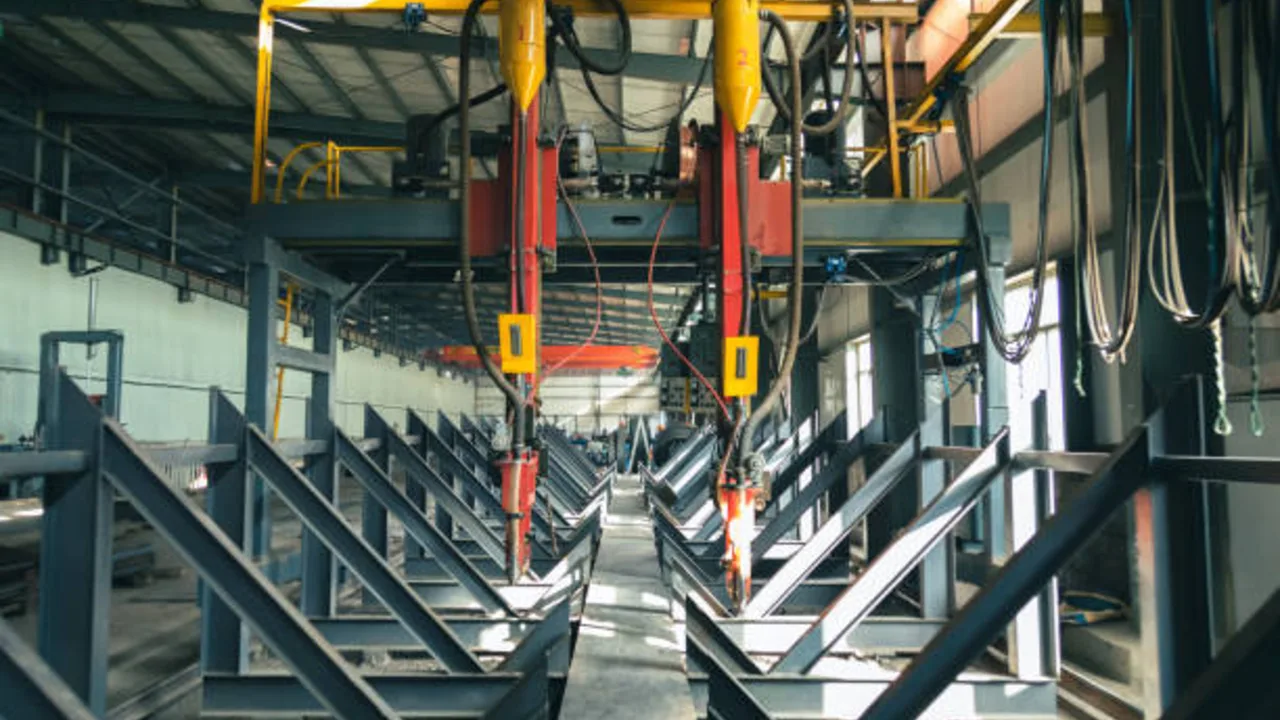
Using BIM to visualize hybrid interfaces
BIM is especially useful for hybrid steel projects because it allows teams to visualize where prefabricated components meet site-built work. Instead of reviewing separate drawings in isolation, project teams can examine the actual relationship between steel members, foundations, secondary framing, equipment supports, MEP systems, and temporary works.
BIM can help identify:
- Connection conflicts
- Access problems
- Crane clearance issues
- Temporary support clashes
- MEP penetration conflicts
- Sequencing risks
This visibility reduces interface risk because conflicts can be addressed before fabrication or installation.
Clash detection before fabrication
Clash detection should happen before steel production begins. Once steel is fabricated, resolving conflicts becomes slower and more expensive.
Useful clash detection areas include:
- Foundations and base plates
- Anchor bolts and column bases
- Prefab frames and site-built supports
- Roof trusses and secondary purlins
- Equipment platforms and MEP systems
- Crane access routes and temporary bracing
When the model reveals a conflict, the team can decide whether to adjust fabrication, revise the site detail, change sequencing, or provide a tolerance-absorbing connection.
4D sequencing for installation planning
4D planning connects the 3D model with the project schedule. This allows teams to visualize how installation will progress over time.
In hybrid steel work, 4D planning can show:
- When prefab modules arrive
- When site-built steel must be ready
- Where cranes will stand
- When temporary supports are needed
- Which connections must be inspected before the next lift
This reduces confusion and helps project teams coordinate work before the site becomes congested.
Communication Between Manufacturer, Contractor, and Site Team
Why communication gaps create interface risk
Many hybrid steel problems are not caused by poor workmanship. They are caused by missing information.
The fabricator may assume that the foundation has been surveyed. The site team may assume that the prefab module includes adjustment allowance. The contractor may assume that the latest drawing revision was issued to all parties. These assumptions create interface risk.
A good communication system should make assumptions visible before they become installation problems.
Information that must be shared early
Important information should be shared early and updated continuously.
This includes:
- Latest approved drawings
- Revision history
- Survey results
- Fabrication status
- Delivery sequence
- Crane plans
- Installation method statements
- Inspection requirements
- Field change records
The goal is to make sure that factory teams and site teams are working from the same project reality.
Single source of truth for revisions
Revision control is especially important in hybrid construction. If one team uses an outdated drawing, the error may not become obvious until a module reaches the site.
A single source of truth helps ensure that all parties refer to the latest approved documents. This may involve a document control platform, BIM coordination system, shared revision register, or formal transmittal process.
Without strong revision control, even a well-managed project can suffer from preventable interface errors.
Case-Style Scenario: When Prefab Modules Meet Site-Built Steel
Example problem
Consider a project where a prefabricated roof truss is delivered to site for direct lifting. The truss has been fabricated correctly according to the approved shop drawings. However, during installation, the crew discovers that the site-built support frame has a small elevation variation at one bearing point.
The difference is not large, but it is enough to prevent proper bearing and bolt alignment.
Possible impact
This type of issue may cause:
- Delayed crane operation
- Temporary support requirements
- Field drilling or plate modification
- Additional survey checks
- Weld access problems
- Schedule disruption for follow-up roofing work
If the team reacts without a controlled process, the problem may lead to forced alignment or unapproved field modification.
Better management approach
A better approach would be to identify the support elevation variation before shipping. The team could then decide whether to adjust the support steel, provide an approved shim detail, modify the connection plate, or revise the installation sequence.
This scenario shows why early survey, interface control drawings, adjustable details, and pre-delivery verification are essential in prefab hybrid construction.
Best Practices for Managing Prefab Hybrid Construction
Define interface responsibility early
Every interface should have a clearly assigned owner. The project team should know who is responsible for verifying dimensions, approving adjustments, inspecting connections, and documenting final conditions.
This avoids the common problem where factory and site teams both assume that the other side has checked the issue.
Verify site conditions before shipping
No major prefab component should be shipped based only on design assumptions. Site conditions should be verified before dispatch, especially for foundations, anchor bolts, embedded plates, site-built supports, and crane access.
This step reduces the risk of modules arriving before the site is ready.
Design for controlled tolerance adjustment
Hybrid steel projects should include planned adjustment methods where appropriate.
These may include:
- Slotted plates
- Shim zones
- Bolted interfaces
- Planned field weld locations
- Adjustable secondary steel details
The goal is not to allow uncontrolled field changes. The goal is to give installation teams approved tools for managing normal site variation.
Keep installation sequence realistic
A realistic installation sequence accounts for crane access, site readiness, delivery timing, inspection requirements, weather, and the possibility of minor adjustments.
Overly aggressive schedules often fail because they assume perfect fit-up and uninterrupted site conditions. A strong hybrid plan includes buffers for verification and controlled correction.
Why Integrated Prefabricated Steel Planning Matters
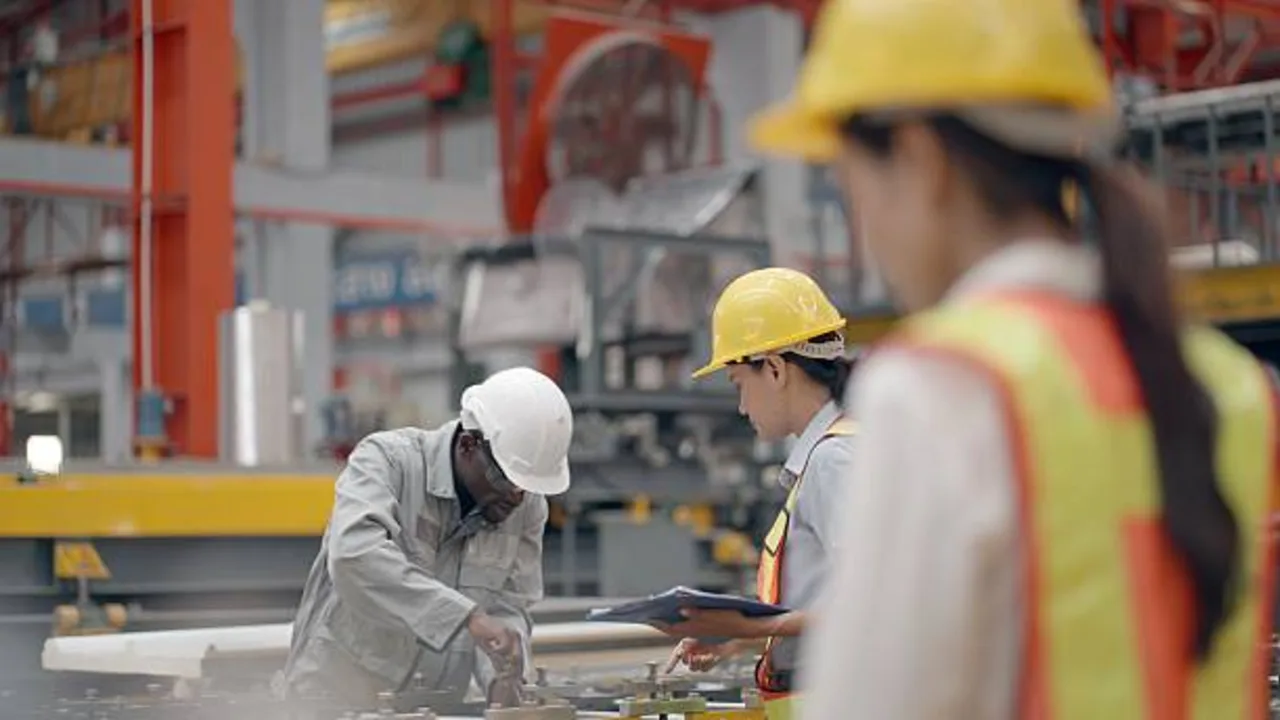
Mixed prefab and on-site steel works can deliver strong project advantages when they are managed as one coordinated system. The factory can improve quality and production speed, while the site team can provide final flexibility and practical adaptation.
However, these benefits only appear when engineering, fabrication, logistics, surveying, installation, and inspection are connected from the beginning.
Companies working on large-scale prefabricated steel structure building projects need integrated planning between factory fabrication and on-site steel works to reduce interface risk and maintain installation efficiency.
This integrated approach helps prevent the most common hybrid construction problems: late discovery of dimensional mismatch, unclear field adjustment responsibility, uncontrolled site modification, and poor revision control.
Conclusion
Prefab hybrid construction can improve speed, quality, and project predictability when factory-prefabricated steel and on-site steel works are properly coordinated.
The main challenge is managing the transition point between controlled fabrication and real site conditions. This is where interface risk appears most often, and where early planning has the greatest impact.
Successful hybrid steel projects depend on:
- Clear scope separation between factory and site work
- Interface control drawings
- Pre-delivery survey verification
- Practical tolerance management
- Connection details that allow controlled adjustment
- Disciplined field change approval
- Connected quality documentation
- Strong communication between all project teams
When these elements are managed properly, mixed prefab and on-site steel works can reduce installation delays, improve structural quality, and support more efficient project delivery.