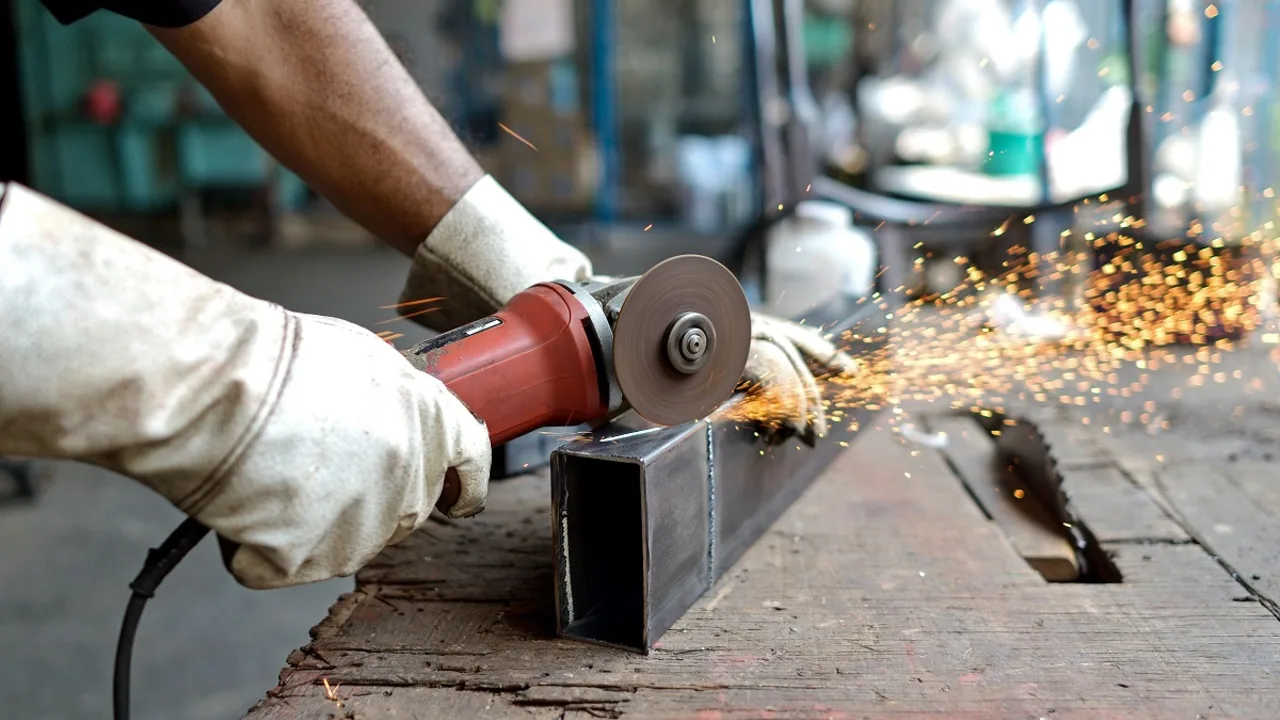
Fabrication quality often begins with the first cut. Before a component is welded, drilled, polished, assembled, shipped, or installed, its shape and dimensions are already being defined by the cutting process. A small error at this stage can travel through the entire workflow and become a larger problem during fitting, finishing, or installation.
This is why cutting accuracy in fabrication matters across many industrial sectors. Steel structures, stone products, aluminum frames, composite panels, and other fabricated materials all depend on controlled dimensions. The tools and machines may differ, but the basic principle is similar: when cutting is inaccurate, every process after it becomes less predictable.
Cutting Is the First Step That Shapes the Final Product
In many workshops, cutting is treated as an early production task. In reality, it is also a quality-control point. Once material is cut incorrectly, the error can affect assembly, welding, edge finishing, bolt alignment, polishing, packaging, and installation. The cost of correction usually increases the further the material moves through the process.
Industrial cutting accuracy is especially important when parts must fit with other components. A steel plate may need to align with bolt holes. A beam may need to meet another member at a precise angle. A stone slab may need to fit a countertop layout or wall panel system. A machine part may need to repeat the same dimension across a production batch.
A Small Cutting Error Can Become a Larger Project Problem
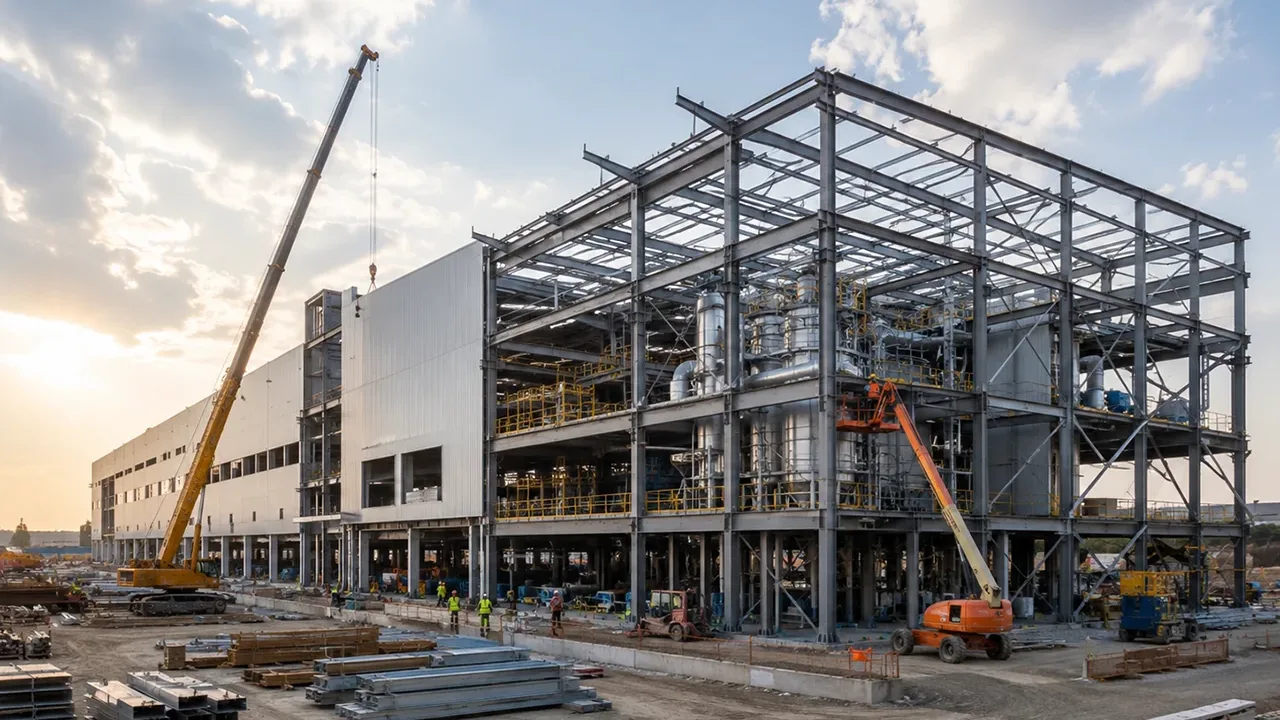
A few millimeters may not sound serious until the part has to connect with another part. In steel fabrication, an inaccurate cut can create fit-up gaps, misalignment, or poor weld preparation. On a construction site, that may lead to field correction, delayed erection, or extra inspection.
In stone fabrication, the same issue appears differently. A wrong slab dimension may create visible joint problems, uneven seams, or material waste. Unlike some structural components that become hidden inside a building system, many stone surfaces remain visible after installation. That makes dimensional control and edge quality more noticeable to the final user.
Why Cutting Accuracy Matters in Steel Fabrication
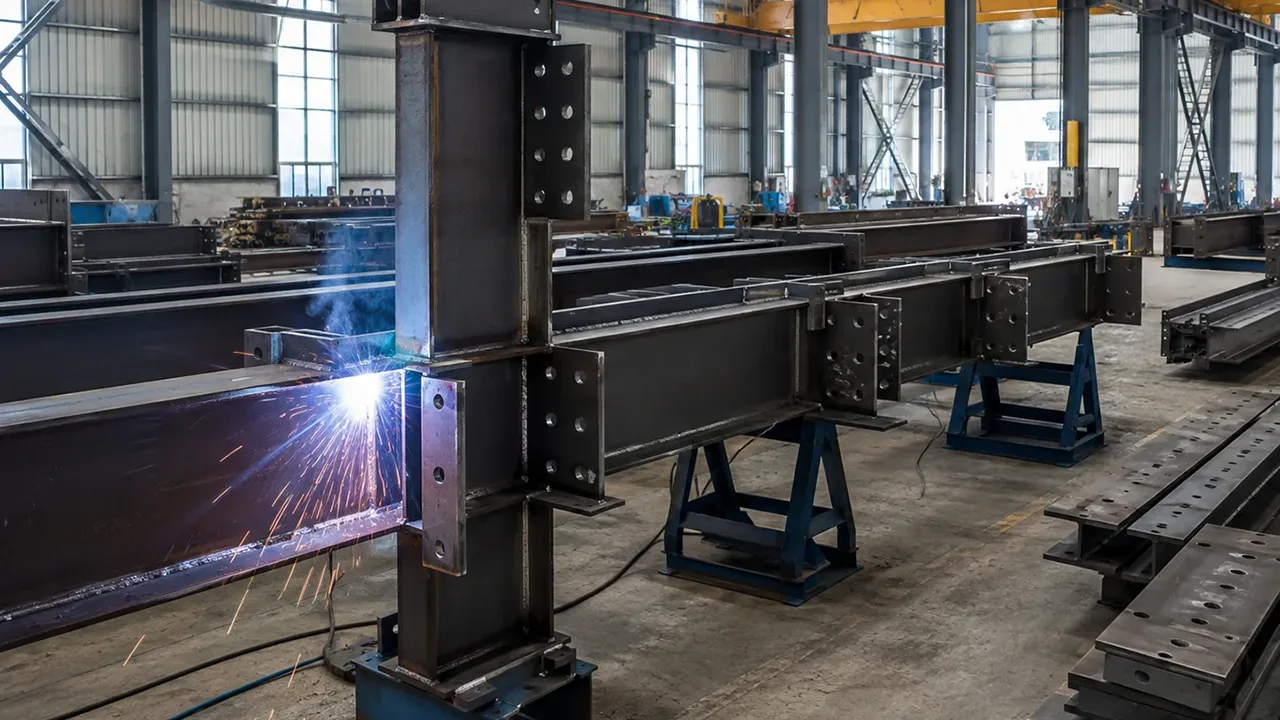
Steel fabrication depends on controlled dimensions because structural members must match drawings, connection plates, bolt holes, bracing details, and erection sequence. Cutting affects the starting geometry of the component. If the cut is wrong, later processes must compensate for that mistake.
Steel fabrication precision is not only about advanced machines. It also depends on drawing control, material marking, operator checks, and a stable workflow between cutting, fitting, welding, drilling, and inspection. A clean fabrication process reduces surprises when components move from the workshop to the site.
Fit-Up, Welding, and Assembly Depend on the Cut
Before welding or assembly begins, the cut material must already be close to the required shape. Poor edge preparation or inaccurate member length can create unnecessary gaps, distortion risk, or alignment problems.
- Member length affects frame geometry.
- End angle or bevel affects fit-up quality.
- Plate size affects connection accuracy.
- Edge preparation affects weld quality.
- Cutting marks affect component identification.
- Dimensional consistency affects repeated frame assembly.
When these details are controlled early, steel components become easier to weld, inspect, pack, and erect. This is one reason steel fabrication precision starts before welding, not after it.
Stone Processing Has the Same Precision Problem in a Different Form
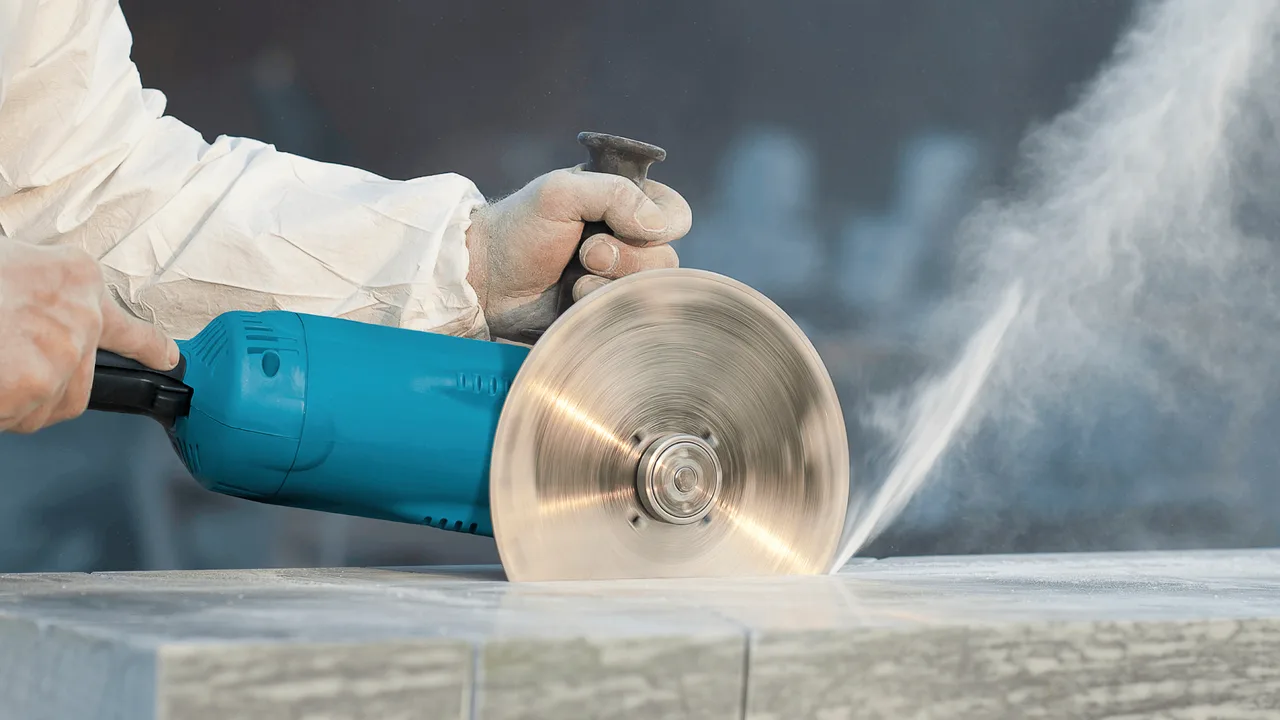
Stone workshops face a similar challenge when slabs must be cut for countertops, tiles, panels, stairs, and construction materials. In that context, equipment such as stone cutting equipment for fabrication work shows how controlled cutting supports repeatable dimensions and cleaner downstream finishing.
A stone cutting machine works with a very different material from structural steel, but the production logic still depends on control. Operators need accurate measurements, stable material support, suitable blades, proper feed settings, and careful handling. If the first cut is poor, polishing, edge treatment, installation, and material matching become harder.
Why Stone Cutting Leaves Less Room for Visible Error
Stone is often used as a finished surface. Countertops, wall panels, flooring, stairs, and decorative construction elements are judged not only by dimension, but also by seam quality, edge finish, and visual consistency. A cut that is slightly off may be difficult to hide after installation.
Stone also creates a material-waste problem when errors happen. Slabs are limited by size, color, pattern, and vein direction. If a piece is cut incorrectly, replacing it may not be as simple as cutting another identical part from stock. This makes cutting accuracy a practical cost-control issue, not just a finishing concern.
CNC Cutting Workflow and Repeatability
A CNC cutting workflow can improve repeatability when it is set up correctly. Digital files, programmed paths, calibrated machines, and controlled tool movement can reduce manual variation. However, CNC systems do not automatically remove all risk. A bad file, worn tool, unstable material support, or incorrect reference point can still create inaccurate parts.
Cutting accuracy in fabrication improves when CNC equipment is supported by process discipline. The workflow should confirm the drawing file, material position, tool condition, cutting path, and first-piece result before full batch production begins.
The Workflow Matters as Much as the Machine
Good cutting results come from the combination of machine capability and production control. A typical workflow should include several checks before and after cutting.
- Confirm the drawing or cutting file version.
- Check material type, thickness, and actual dimensions.
- Calibrate the machine and reference point.
- Secure the material properly before cutting.
- Use a suitable blade, tool, or cutting method for the material.
- Inspect the first piece before running a full batch.
- Record adjustments when repeat production is required.
This CNC cutting workflow applies differently to steel, stone, aluminum, and industrial plates, but the principle is the same: repeatability depends on both technology and verification.
Comparison Table: How Cutting Accuracy Affects Different Materials
Different materials respond to cutting in different ways. The table below shows how cutting errors can affect later fabrication and installation steps.
| Material Type | Cutting Accuracy Affects | Common Problem If Poorly Controlled |
|---|---|---|
| Structural steel | Fit-up, welding, bolt alignment, site erection | Rework, misalignment, delayed assembly |
| Stone slabs | Edge finish, joint lines, installation fit | Waste, visible defects, poor seams |
| Aluminum profiles | Frame alignment, assembly tolerance, connection quality | Gaps, vibration, poor fit |
| Industrial plates | Component repeatability and machine assembly | Batch inconsistency and correction work |
| Composite panels | Panel size, edge quality, installation joints | Chipping, uneven joints, material loss |
The cutting equipment, tool type, and finishing process may change from one material to another, but the downstream effect is consistent. Poor cutting makes later work harder.
Factors That Influence Industrial Cutting Accuracy
Material Behavior and Thickness
Every material behaves differently during cutting. Steel may involve heat, edge preparation, and internal stress. Stone can be brittle and sensitive to blade condition, vibration, and support. Aluminum can deform if clamping or feed speed is poorly managed. Composite panels may chip or delaminate if the tool and cutting path are not suitable.
Industrial cutting accuracy improves when the cutting method matches the material behavior. Thickness, hardness, brittleness, internal stress, surface finish, and handling method should all influence how the material is cut.
Tool Condition and Machine Setup
Even a strong machine can produce poor results if the tool or setup is not controlled. Operators should watch several practical factors:
- Blade or tool wear.
- Feed speed and cutting depth.
- Cooling or water flow when required.
- Vibration during cutting.
- Material support and clamping.
- Machine calibration and reference points.
Tool condition can slowly reduce accuracy before the problem becomes obvious. Regular checks help prevent repeated defects across a production batch.
Measurement, Marking, and Operator Checks
Automation does not remove the need for measurement discipline. Marking errors, wrong reference points, unclear drawings, or batch confusion can create repeated defects even when the machine itself performs correctly. Operators still need to confirm critical dimensions before full production continues.
Why Accuracy Reduces Waste and Rework
Cutting accuracy in fabrication has a direct commercial impact. Accurate cutting reduces scrap, protects expensive materials, shortens correction time, and helps maintain consistent output. In steel construction, it can reduce field modification. In stone processing, it can protect slab value and improve visible results. In industrial component production, it supports repeatability across batches.
Rework Is More Expensive Than Prevention
Fixing a cutting mistake after the material has moved forward is usually more expensive than preventing the mistake at the cutting stage. Rework may require grinding, trimming, welding correction, polishing correction, replacement material, or delayed assembly. It may also interrupt other production steps waiting for the corrected part.
Prevention comes from process control: correct drawings, stable machine setup, suitable tools, first-piece checks, and inspection after cutting. These controls may take time, but they usually cost less than repairing a batch of inaccurate components.
Quality Control Points Before and After Cutting
A reliable cutting process should include checks before the machine starts and after the part is cut. These control points help identify errors before they spread through the fabrication workflow.
- Confirm the drawing version or CNC cutting workflow file.
- Verify material type, grade, thickness, and dimensions.
- Check blade, tool, or cutting head condition.
- Confirm machine setup, reference point, and cutting path.
- Inspect the first piece before batch processing.
- Measure critical dimensions after cutting.
- Separate rejected or corrected parts from approved parts.
- Record recurring issues for future production improvement.
Cutting Accuracy Connects Design, Production, and Installation
Cutting is not isolated from the rest of fabrication. In steel, it affects fit-up, welding, drilling, bolting, and erection. In stone, it affects edge finishing, visible seams, installation fit, and waste control. In industrial material fabrication, it affects repeatability, assembly speed, and final product consistency.
Cutting accuracy in fabrication is one of the earliest controls that protects the rest of the project. When measurement, machine setup, material handling, and inspection are managed properly, fabrication becomes more predictable across stone, steel, and other industrial materials.