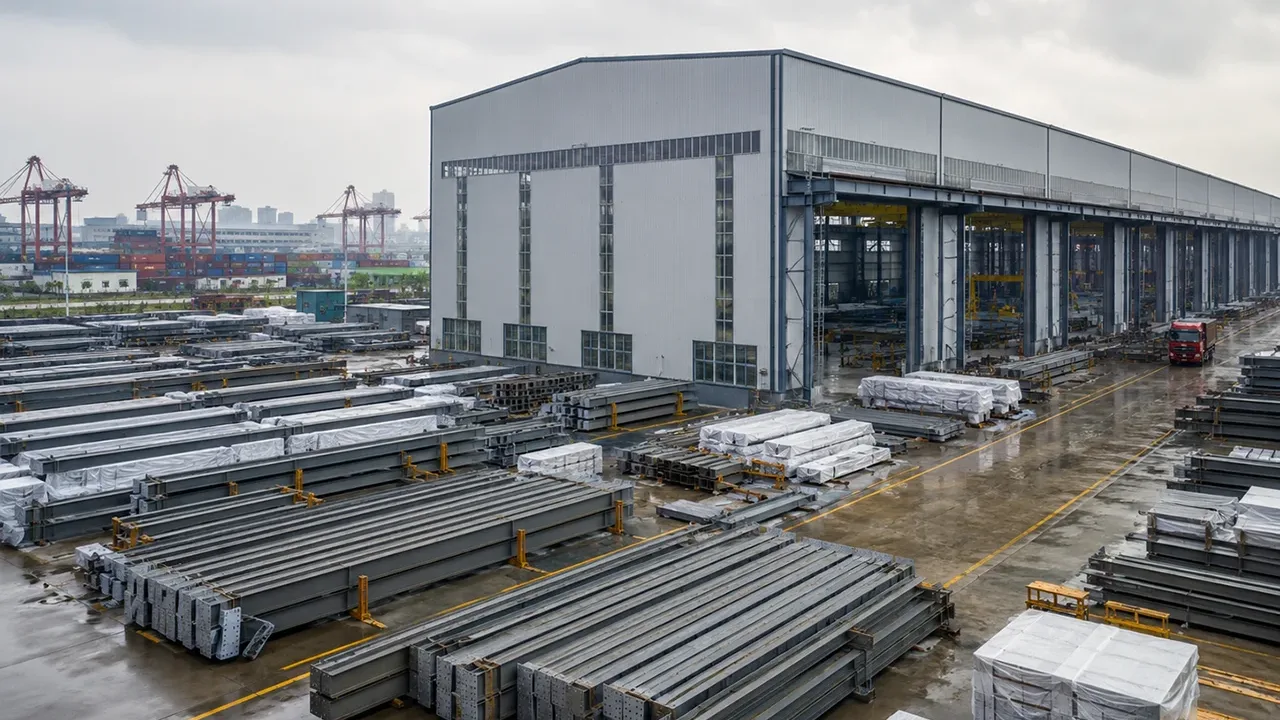
Export Steel Structure Manufacturing for Global Projects
Working with an experienced export steel structure manufacturer helps international buyers manage the technical and logistical challenges involved in sourcing structural steel from overseas. Every project begins with a detailed review of the building design, fabrication requirements, transportation method, and installation sequence.
Supporting International Steel Construction
International steel structure projects often involve multiple parties, including owners, consultants, architects, local contractors, logistics providers, and installation teams. Clear technical coordination is essential to ensure that drawings, materials, connection details, production schedules, and shipping plans remain aligned throughout the project.
Our team reviews project information before production and communicates with clients regarding dimensions, steel grades, connection methods, coating systems, loading requirements, and packaging preferences. This structured approach helps reduce misunderstandings and improves overall project control.
Manufacturing for Different Regional Requirements
Steel structures may need to satisfy different wind loads, snow loads, seismic conditions, corrosion categories, or local construction practices depending on the destination country. Fabrication is therefore carried out according to approved drawings and project specifications rather than a single standardized building package.
Custom production allows each structure to be adapted to the intended application, site environment, and applicable engineering requirements.
Comprehensive Export Manufacturing Services
Engineering Review and Production Planning
Before fabrication begins, project drawings and technical documents are reviewed to confirm manufacturability, material requirements, connection details, component sizes, and transportation feasibility.
Production planning also considers the sequence in which components will be fabricated, inspected, coated, packed, and loaded. Proper planning is particularly important for large international projects with multiple building zones or phased deliveries.
Custom Steel Structure Fabrication
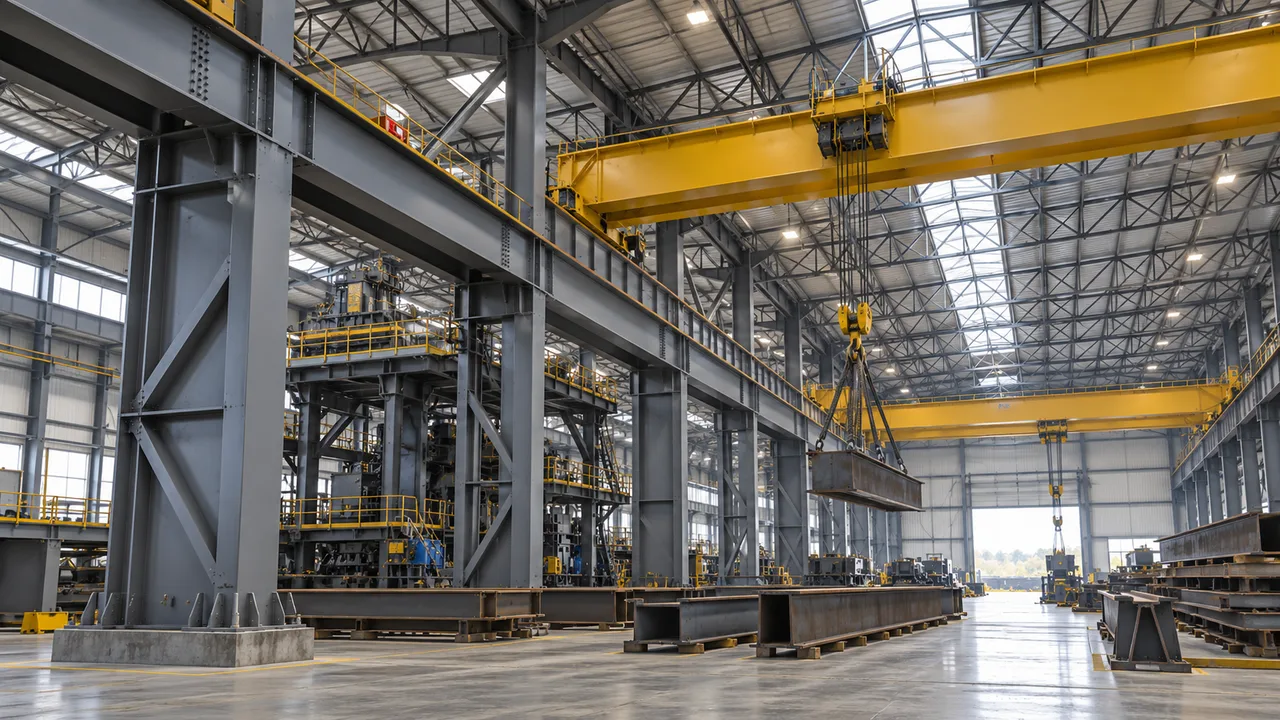
Our factory manufactures primary and secondary steel components according to project-specific drawings. These may include columns, beams, rafters, trusses, bracing systems, crane beams, purlins, girts, connection plates, stiffeners, and customized structural assemblies.
Each component is processed according to the required dimensions and connection configuration to support efficient installation at the destination site.
Quality Inspection Before Export
Inspection is carried out during key production stages, including material verification, cutting, drilling, assembly, welding, dimensional checking, surface preparation, coating, and final packing.
Completed components are checked before shipment to confirm that they correspond with the approved drawings and packing lists.
Packaging and Shipping Preparation
Export packaging must protect steel components during handling, inland transport, port operations, sea freight, unloading, and temporary storage. Components are grouped, marked, bundled, and secured according to their size, weight, shape, and installation sequence.
Smaller parts, bolts, connection plates, and accessories are packed separately and clearly identified to simplify inventory control at the project site.
Steel Structure Products Available for Export
Industrial Steel Buildings
Industrial steel buildings can be manufactured for production lines, machinery installation, processing operations, maintenance activities, and general industrial use. Structural layouts can include large clear spans, elevated platforms, crane systems, equipment loads, and future expansion provisions.
Steel Warehouses
Export steel warehouse systems are suitable for storage, logistics, distribution, cold storage, and material handling operations. Flexible bay spacing and clear internal areas help improve storage capacity and vehicle movement.
Steel Factory Buildings
Steel factory buildings can be customized for manufacturing operations, assembly lines, processing equipment, utility systems, ventilation, and overhead cranes. The structure can be coordinated with production requirements from the early planning stage.
Commercial Steel Buildings
Commercial applications may include retail buildings, showrooms, service centers, offices, exhibition spaces, and mixed-use facilities. Steel framing provides construction speed, design flexibility, and efficient use of internal space.
Agricultural Steel Buildings
Agricultural structures can be fabricated for machinery storage, livestock housing, grain storage, feed warehouses, agricultural processing, and other rural applications. Protective coating systems can be selected according to exposure conditions.
Workshop Buildings
Steel workshops are commonly used for maintenance, fabrication, repair, and light manufacturing. They can be designed with wide doors, high clearances, ventilation systems, mezzanines, and crane-supporting structures.
Office Buildings
Steel-framed office buildings offer flexible floor planning and can be integrated with insulation, cladding, partitions, stairs, and service systems. They are suitable for standalone offices or office sections attached to industrial facilities.
Large-Span Steel Structures
Large-span systems can support hangars, terminals, sports facilities, exhibition halls, logistics centers, and other buildings that require extensive column-free space. These projects require precise fabrication and careful shipping coordination due to the size and complexity of the components.
Manufacturing Capabilities
Advanced CNC Processing
CNC cutting, drilling, sawing, and profiling equipment improves dimensional consistency and production efficiency. Automated processing helps ensure that bolt holes, plate shapes, member lengths, and connection details match the approved fabrication drawings.
Precision Welding
Qualified welding procedures and experienced personnel are used to produce reliable structural connections. Welds are inspected according to project requirements, with additional testing available when specified.
Surface Treatment Options
Steel components can be supplied with shop primer, industrial paint systems, or hot-dip galvanizing depending on the environmental exposure and project specification. Surface preparation and coating quality are checked before packing.
Large Production Capacity
Organized production lines allow multiple types of structural members to be fabricated within coordinated schedules. This supports both individual buildings and multi-building international developments.
Custom Manufacturing Support
Projects can be manufactured from client-provided drawings or developed through coordinated detailing support. Custom dimensions, connection systems, steel grades, coating requirements, and packaging methods can be incorporated into the production plan.
Export Standards and Quality Control
Raw Material Inspection
Incoming steel materials are checked against project requirements before entering production. Material identification and documentation help maintain consistency and traceability throughout fabrication.
Dimensional Accuracy Verification
Critical dimensions are checked during fabrication to support proper fit-up and alignment during site installation. Hole spacing, member length, plate position, and connection geometry are among the details that require close control.
Welding Quality Inspection
Welds are visually inspected, and additional testing can be carried out where required by the project. Inspection helps identify defects before components proceed to coating and shipment.
Protective Coating Inspection
Surface preparation, coating coverage, thickness, and overall finish are checked according to the selected protection system. Proper coating application is especially important for projects located in humid, coastal, industrial, or chemically exposed environments.
Export Documentation and Traceability
Project documentation may include packing lists, component marks, inspection records, material information, fabrication drawings, and shipping references. Organized records help clients manage customs clearance, receiving, inventory, and installation.
International Packaging and Logistics
Container Loading Optimization
Components are arranged to use container space efficiently while avoiding damage during transport. Member length, bundle size, weight distribution, unloading method, and installation sequence are considered during loading preparation.
Break-Bulk Shipping Solutions
Oversized or heavy components that cannot fit standard containers may be prepared for break-bulk or other specialized shipping methods. Packaging and lifting points are coordinated with the selected transportation plan.
Component Identification System
Each structural member is marked according to the erection drawings and packing lists. Clear identification allows site teams to locate components quickly and follow the intended assembly sequence.
Export Documentation Support
Shipping documents are prepared to support international transportation and project receiving. Accurate documentation helps reduce customs delays and simplifies coordination between the factory, freight forwarder, port, and client.
Global Industries We Serve
Manufacturing Facilities
Steel structures for manufacturing projects can support production equipment, cranes, platforms, utility systems, maintenance areas, and warehouse functions within a coordinated building layout.
Warehousing and Logistics
Warehouses, distribution centers, and logistics hubs benefit from large clear spans, high storage capacity, efficient loading areas, and flexible expansion options.
Mining Projects
Mining-related steel structures may include workshops, maintenance buildings, equipment shelters, processing facilities, conveyors, and storage buildings designed for demanding operating conditions.
Energy Projects
Steel structures can be fabricated for power generation facilities, equipment enclosures, support frames, utility buildings, and other energy-related applications.
Commercial Buildings
Commercial steel construction is suitable for retail, office, service, exhibition, and mixed-use developments that require efficient construction and adaptable layouts.
Agricultural Facilities
Farm buildings, grain warehouses, livestock facilities, processing units, and machinery storage structures can be customized for local agricultural operations.
Infrastructure Projects
Infrastructure applications may include terminals, stations, bridges, corridors, toll facilities, shelters, and specialized structural systems requiring coordinated fabrication and export planning.
Why Choose XTD Steel Structure as Your Export Steel Structure Manufacturer?
- Extensive experience supporting overseas steel structure projects
- Integrated engineering review and fabrication coordination
- Advanced CNC processing and welding equipment
- Strict quality control throughout production
- Custom packaging and international shipping preparation
- Clear component marking and organized documentation
- Flexible production for different building types and industries
- Reliable communication throughout the project cycle
As an experienced export steel structure manufacturer, we focus on manufacturing accuracy, quality consistency, packaging efficiency, and practical coordination for international construction projects. Our goal is to provide steel structure components that are ready for organized delivery and efficient site assembly.
Frequently Asked Questions
Which countries do you export steel structures to?
We support projects in a wide range of international markets. The final shipping plan depends on the destination, project size, port access, transportation method, and local import requirements.
Can you manufacture according to international standards?
Yes. Production can follow approved project drawings, technical specifications, material requirements, and applicable international or regional standards provided for the project.
How are steel structures packaged for export?
Main structural members are bundled and secured, while smaller components, bolts, and accessories are packed in clearly marked boxes or crates. Packaging is planned according to the shipping method and unloading conditions.
Do you provide fabrication drawings?
Fabrication detailing support can be provided based on the project scope. Drawings are coordinated before production to confirm dimensions, connections, component marks, and assembly requirements.
Can you support custom international projects?
Yes. Steel grade, dimensions, connection systems, coating, packaging, loading method, and delivery schedule can be customized according to the requirements of the international project.
Can the steel structure be delivered in phases?
Yes. Large projects can be divided into production and shipment phases based on the construction sequence, site readiness, storage capacity, and delivery schedule.
Request a Quote from an Export Steel Structure Manufacturer
If you are looking for a reliable export steel structure manufacturer, send us your architectural drawings, structural plans, technical specifications, destination port, and project schedule. Our team will review the requirements and prepare a customized manufacturing, packaging, and export solution for your project.