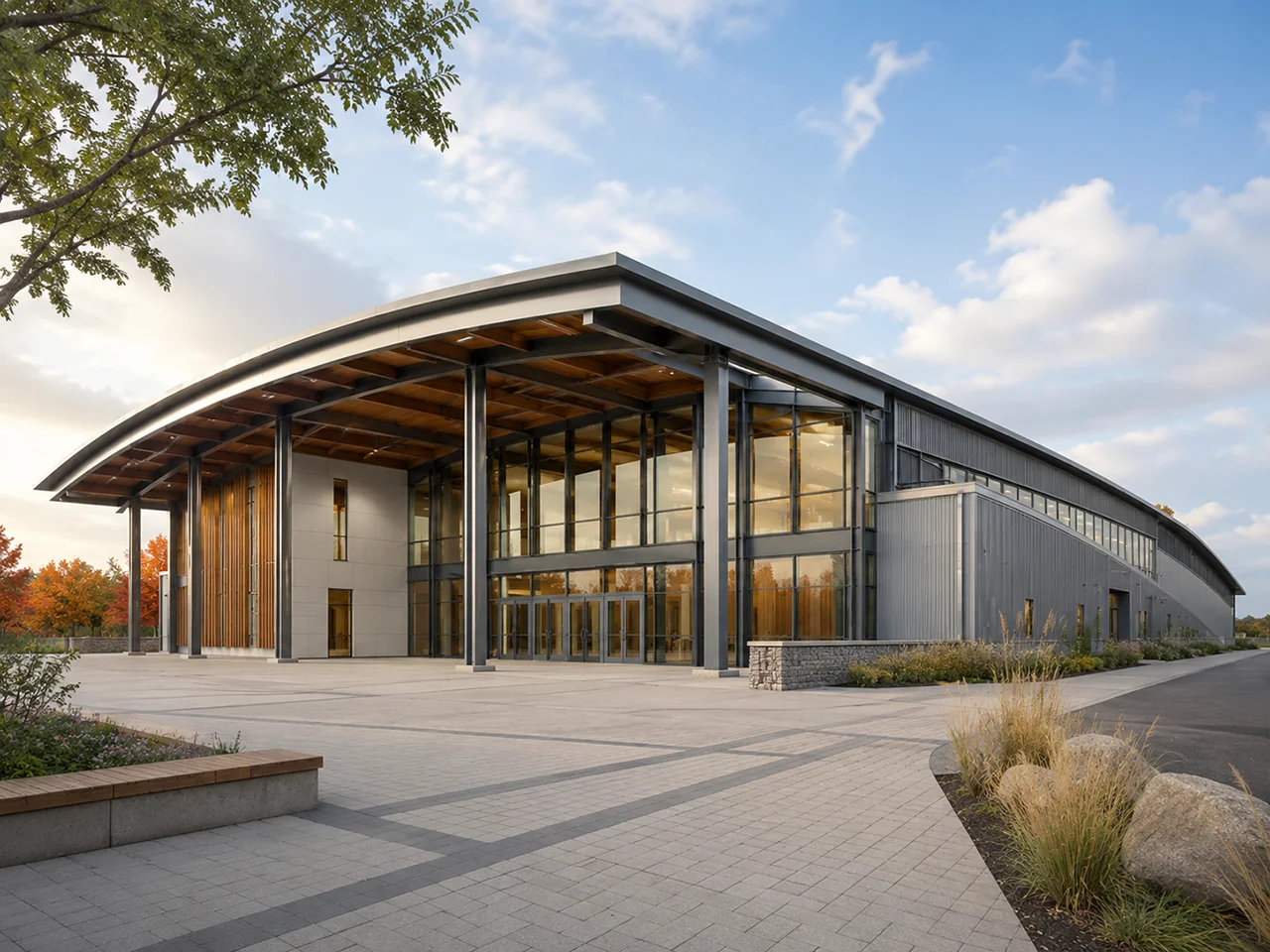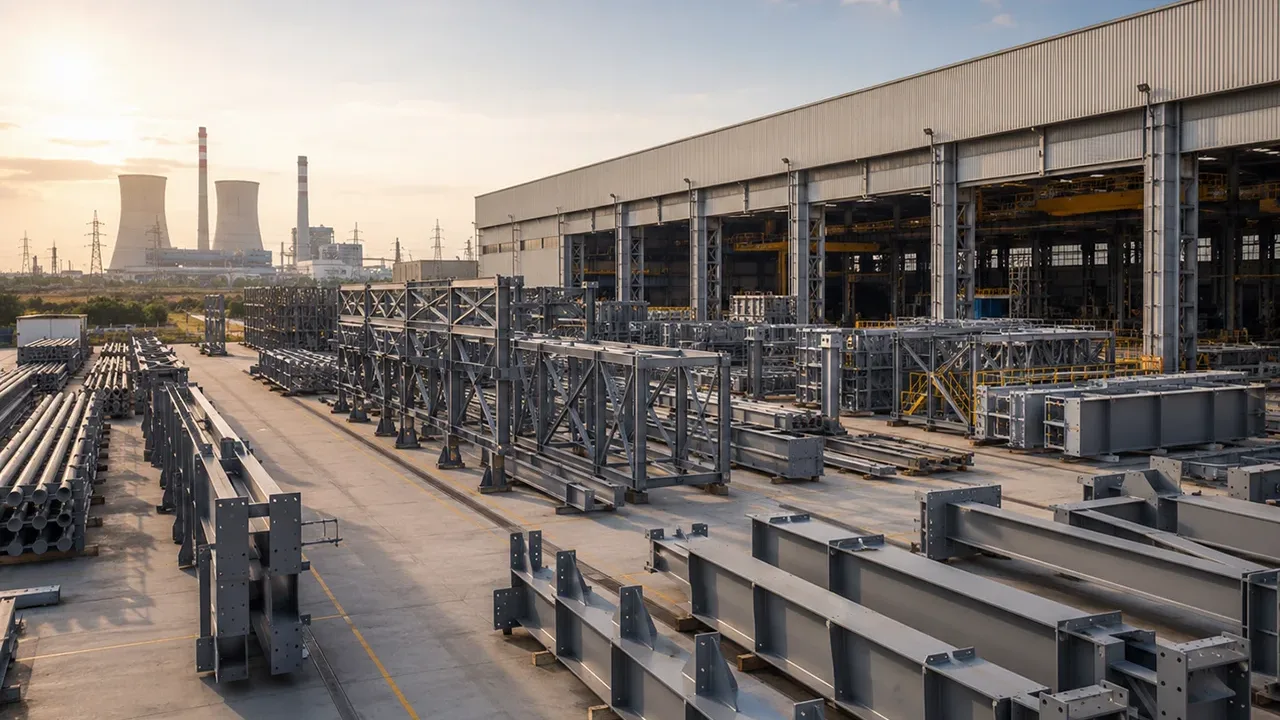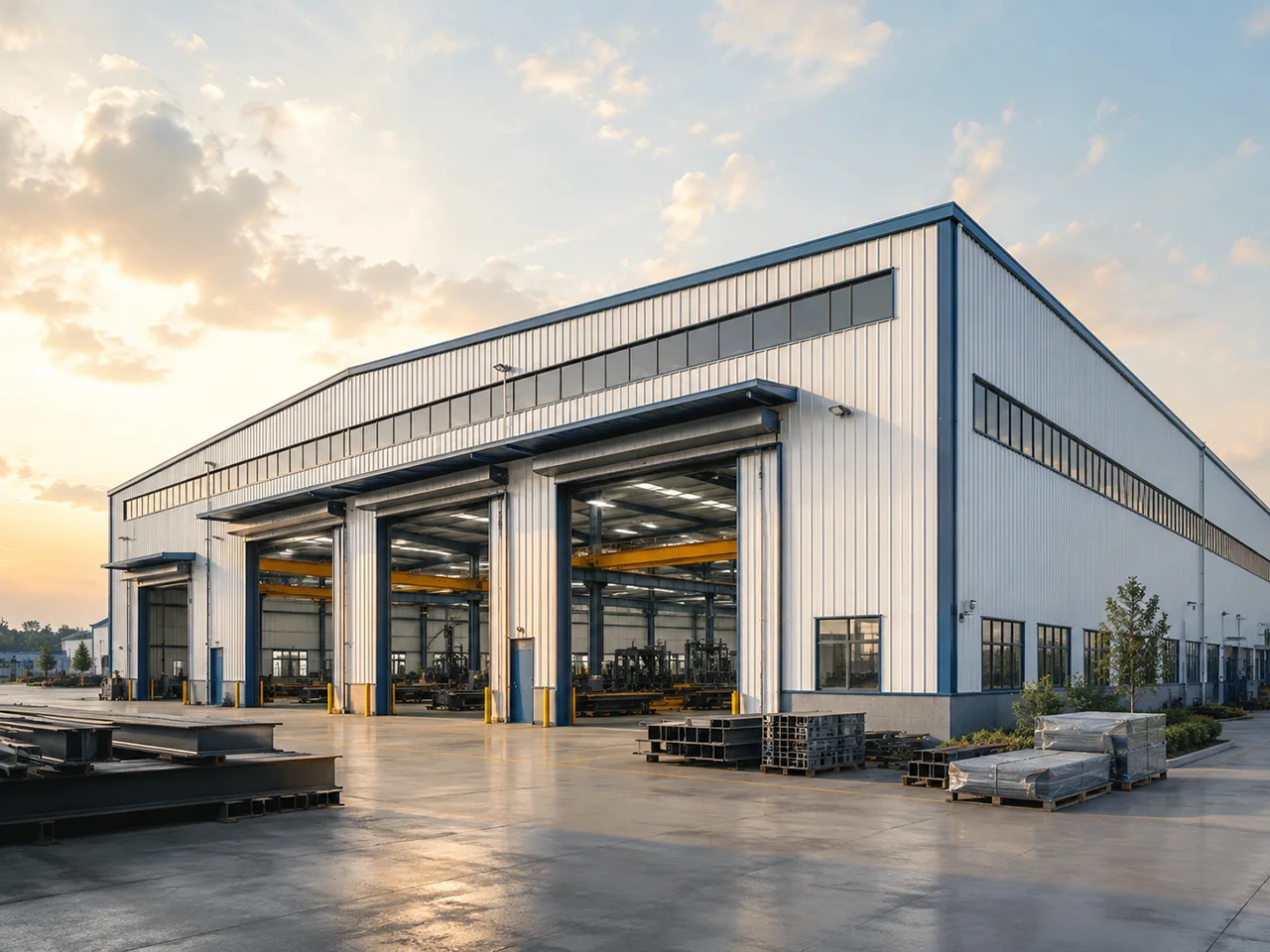
Industrial, logistics, commercial, and infrastructure projects in Rio de Janeiro require construction systems capable of combining execution speed, precision, flexibility, and structural performance. In this context, a steel structure in Rio de Janeiro offers a versatile solution for projects that need to reduce complex activities on the construction site and transfer a significant portion of production to a controlled industrial environment.
However, the performance of a steel structure does not depend solely on the quantity or strength of the material used. Structural engineering, detailing, fabrication, surface protection, logistics, and erection need to function as parts of a single process. An incompatibility between these stages can increase costs, generate rework, and compromise the schedule.
Therefore, a steel structure building in Rio de Janeiro should be developed by considering everything from the specific conditions of the project to the way each component will be fabricated, transported, and installed. This integrated approach allows steel to be used in warehouses, factories, logistics centers, hangars, commercial buildings, industrial facilities, and infrastructure projects of different scales.
Why Use a Steel Structure in Rio de Janeiro?
Industrialization is one of the main characteristics of steel construction. Instead of executing a large part of the structure directly on the construction site, beams, columns, trusses, bracing, and other components can be fabricated in advance at a specialized facility. While the foundation and other activities progress on-site, structural fabrication can take place simultaneously.
This model can reduce the total construction time when design, fabrication, logistics, and erection are properly coordinated. It also allows greater dimensional control because components are produced based on previously defined fabrication drawings and can undergo inspections before being shipped to the project site.
Another advantage of steel structures in Rio de Janeiro is their flexibility for different architectural and operational configurations. Depending on the structural system adopted, it is possible to create large clear spans, different internal heights, mezzanines, platforms, and areas prepared for future expansions.
The possibility of expansion can also be important for industrial and logistics facilities. When this requirement is anticipated during the initial engineering stage, new areas can later be incorporated with less interference with certain parts of the existing structure.
Local Conditions That Influence Steel Structure Projects
Each project must be designed according to its location, purpose, geometry, loads, and environmental conditions. There is no single configuration of steel structure in Rio de Janeiro suitable for every project.
Environmental exposure deserves particular attention. Depending on the project location and its proximity to coastal environments, the specification of the corrosion protection system can play an important role in structural durability. Surface preparation, coating system, and coating thickness should be defined according to exposure conditions and the technical requirements of the project.
Wind actions, rainfall, roof drainage, permanent loads, imposed loads, and equipment also need to be considered during structural development. In industrial buildings, additional requirements may include overhead cranes, piping, technical platforms, machinery, and suspended systems.
The design of structural steel in Rio de Janeiro should therefore integrate architectural, structural, and operational information. The earlier these requirements are identified, the lower the risk of significant changes during fabrication or erection.
Applications of Steel Structures in Rio de Janeiro
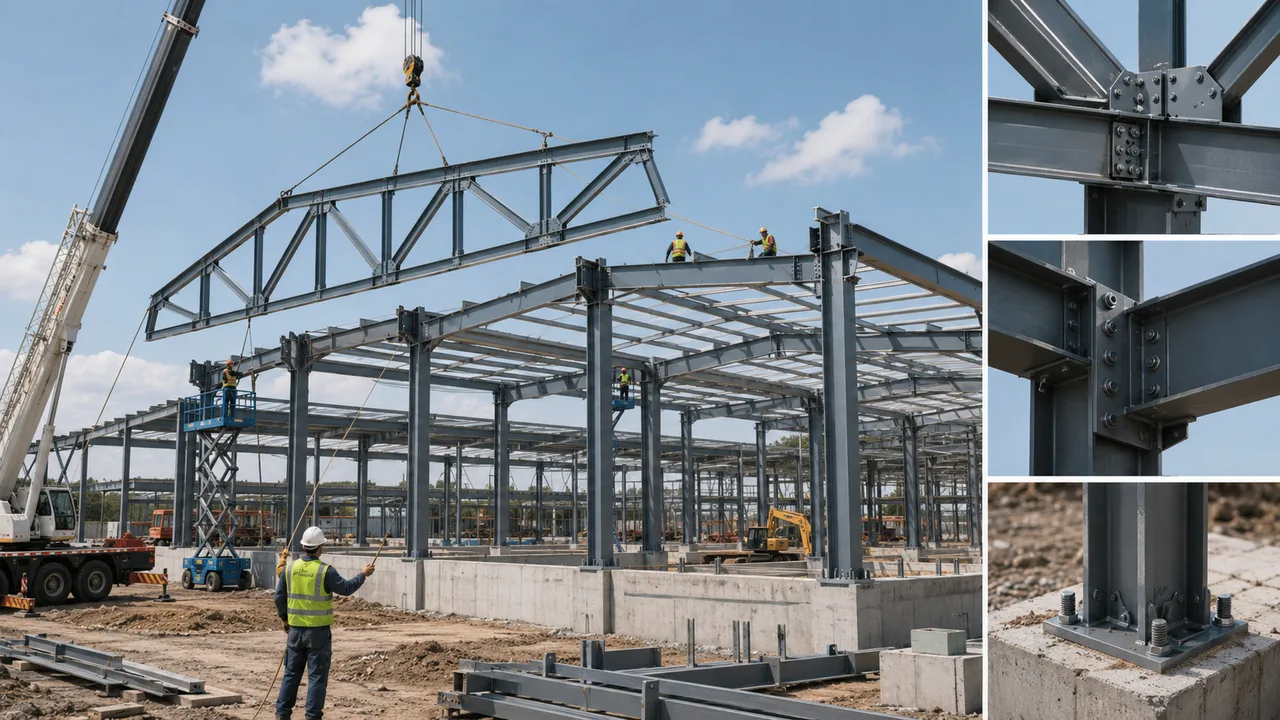
The flexibility of steel systems allows them to be applied to different types of projects. The structural configuration can be adapted according to span, height, loads, internal use, and architectural requirements.
Industrial and Logistics Warehouses
Warehouses intended for storage, distribution, and industrial operations generally require large internal areas and efficient circulation. Steel portal frames can reduce the need for intermediate columns and facilitate the organization of aisles, storage systems, and material-handling equipment.
In logistics centers, the structure can also be planned to accommodate loading docks, canopies, administrative areas, racking systems, and future expansions.
Factories and Production Facilities
Factories require more than simply creating a roof over a production area. The structural system may need to accommodate machinery, platforms, walkways, ventilation systems, industrial utilities, and material-handling equipment.
In these projects, a steel structure building in Rio de Janeiro can be developed around the production process, allowing the building geometry to follow the actual operational requirements.
Commercial and Corporate Buildings
Steel can also be used in commercial buildings, offices, and multi-story developments. Industrialized fabrication supports geometric precision and can facilitate integration with facade systems, floors, and building services.
Depending on the engineering solution, all-steel structures or composite steel-and-concrete systems can be considered.
Hangars and Large-Span Buildings
Hangars, maintenance centers, sports facilities, and other buildings requiring large open spaces can use trusses or other structural systems capable of spanning large distances.
Reducing internal columns facilitates the movement of aircraft, equipment, vehicles, and operations that require unobstructed areas.
Infrastructure and Special Projects
Structural steel in Rio de Janeiro can also be used in terminals, walkways, platforms, roofs, structural corridors, and various infrastructure projects. In these cases, the structural solution must respond to the specific loading, erection, and usage conditions.
How a Steel Structure Project in Rio de Janeiro Is Developed
An efficient project begins long before the first plates or sections are cut. Final performance depends on the quality of the information used during engineering.
Identifying Project Requirements
Building dimensions, height, clear span, purpose, loads, equipment, and future requirements should be defined as early as possible. In industrial projects, information about overhead cranes, platforms, and heavy equipment also directly influences the structural configuration.
The more complete this information is, the more precise the preliminary definition of the steel structure in Rio de Janeiro can be.
Defining the Structural System
The system should be selected according to the characteristics of the project. Rigid portal frames may be suitable for many warehouses and factories, while trusses can be used when large spans need to be covered efficiently.
Space structures can serve certain large-scale roofs, while multi-story systems require a different approach to beams, columns, floors, and overall stability.
The choice should result from engineering analysis rather than the automatic application of a single solution to every project.
Engineering and Detailing
After the structural concept has been defined, the project moves into structural sizing, modeling, and detailing. Connections between beams, columns, bracing, and other elements need to be developed with strength, fabrication, and erection in mind.
Fabrication drawings transform the engineering model into information that can be used in production. Dimensions, holes, plates, welds, connection positions, and component identification must be clearly defined.
Fabrication of Steel Structures for Projects in Rio de Janeiro
Fabrication transforms approved drawings into physical structural components. For steel structures in Rio de Janeiro, this stage must maintain strict correspondence between technical documentation and production.
Steel Preparation and Cutting
Sections, plates, and other materials are prepared according to the specifications of each component. CNC cutting equipment can be used to produce parts with the dimensions and geometries defined in the drawings.
Proper identification of materials and parts helps maintain traceability and reduces the risk of mixing components intended for different areas of the structure.
Welding and Factory Assembly
After cutting and preparation, different parts can be assembled and welded to form beams, columns, trusses, and other assemblies. The production sequence should consider not only productivity but also welding access, dimensional control, and internal material handling.
Precision at this stage directly influences erection on the construction site. Dimensional errors or incorrect connection positions can require field adjustments and compromise installation productivity.
Inspection and Quality Control
Quality control should accompany fabrication at different stages. Dimensions, hole positions, connections, welds, and tolerances need to be verified according to the applicable project requirements.
Detecting a nonconformity while the component is still in the factory generally allows for a more controlled correction than discovering the problem after the component has already been transported to Rio de Janeiro.
Surface Treatment and Corrosion Protection
After fabrication and the necessary inspections, components can undergo surface preparation and application of the specified protection system. The solution depends on exposure conditions, expected service life, and project requirements.
Adequate protection is particularly important when the structure will be exposed to environments that accelerate corrosion processes.
Transportation and Logistics to Rio de Janeiro
Logistics should not be planned only after fabrication has been completed. Component dimensions, weight, and shape need to be considered from the detailing stage, especially when beams or trusses have large dimensions.
Loading should also follow the planned erection sequence. When components required during the initial stages are positioned inadequately or arrive later, the construction site may face additional handling and productivity losses.
For steel structure in Rio de Janeiro projects, a well-coordinated logistics strategy considers packaging, identification, component protection, loading, transportation, unloading, and temporary storage.
Designing simultaneously for fabrication, transportation, and erection reduces the risk of producing elements that are structurally efficient but difficult to move or install.
Construction and Erection of the Steel Structure in Rio de Janeiro
Erection represents the stage when all previous engineering, fabrication, and logistics work converges on the construction site. Properly detailed, identified, and sequentially delivered components significantly facilitate this phase.
Erection typically involves positioning columns, installing beams, bracing, and secondary elements, as well as progressively aligning and leveling the structure. Connections need to be executed and verified according to the project.
Stability during the different erection stages also needs to be considered. A partially erected structure may present conditions different from its final configuration, requiring proper planning of the installation sequence.
Once the main structure has been stabilized, other activities can proceed, including roof installation, wall cladding, and integration with complementary systems.
Steel Structure and Conventional Construction: Differences in the Process
The choice of construction system depends on the specific requirements of each project. Instead of considering one technology universally superior, it is more useful to analyze how each alternative responds to the schedule, geometry, loads, logistics, and future needs of the project.
| Aspect | Steel Structure | Conventional Construction |
|---|---|---|
| Production | Greater use of industrialized fabrication | Greater volume of work performed directly on-site |
| Erection | Sequential process with prefabricated components | Generally a more gradual process |
| Precision | Components produced according to fabrication drawings | Greater dependence on certain on-site operations |
| Large spans | Wide variety of structural systems | May require different or more robust structural solutions |
| Expansion | Can be planned from the initial design stage | Changes may require more extensive interventions |
| Structural weight | Can provide relatively lightweight systems | Weight depends on the system and materials adopted |
For certain industrial or logistics buildings, the speed of fabrication and erection can favor the use of steel structures in Rio de Janeiro. In other projects, composite systems or conventional solutions may better meet specific conditions.
Quality Control in Steel Structures
Quality control should not be treated as a single inspection performed at the end of production. It begins with the verification of raw materials and continues through cutting, preparation, assembly, welding, finishing, and shipping.
Dimensions and tolerances need to be monitored to ensure compatibility between components. Welds must follow the requirements defined for the project, while holes, plates, and other connection elements need to correspond to the approved drawings.
Surface protection is also part of this process. Inadequate surface preparation or inconsistent coating application can reduce the expected performance of the protection system.
Consistent quality control in the fabrication of structural steel in Rio de Janeiro also improves erection efficiency. Properly manufactured components tend to require fewer corrections and adjustments on the construction site.
How to Reduce Costs Without Compromising Structural Performance
The cost of a steel structure should not be analyzed solely based on the price of the material or the cost per ton. The final cost also includes fabrication, connection complexity, surface protection, transportation, erection equipment, and on-site labor.
One of the most effective strategies is to optimize the system during the design stage. Rational modularization, component repetition, and detail standardization can simplify fabrication without compromising structural requirements.
Excessively complex details can increase fabrication hours and make erection more difficult. Therefore, Design for Manufacturing and Assembly concepts can help develop components that are efficient not only in structural calculations but also during production, transportation, and installation.
Another important factor is reducing rework. Late changes, inconsistencies between drawings, and fabrication errors can consume resources without adding value to the project.
For a steel structure in Rio de Janeiro, economic optimization should consider the complete system: steel consumption, fabrication hours, number of connections, protection, transportation, and erection.
Choosing a Supplier for Steel Structures in Rio de Janeiro
Supplier selection should consider much more than nominal production capacity. Engineering, equipment, team experience, quality control, and the ability to manage customized projects directly influence execution.
For projects involving fabrication outside the installation region, experience in logistics and delivery coordination also becomes relevant. The manufacturer needs to understand how components will be loaded, transported, received, and erected.
XTD Steel Structure integrates engineering, fabrication, and production management for different types of steel buildings. For buyers evaluating Steel Structure in Brazil solutions, analyzing the supplier’s technical and industrial capabilities helps reduce risks between initial design and component delivery.
It is also important to assess whether the factory has the flexibility to produce different systems, such as rigid portal frames, trusses, multi-story structures, and customized components. This capability allows the solution to be adapted to the actual needs of the project rather than limiting it to a single construction model.
From Engineering to Erection: An Integrated Workflow
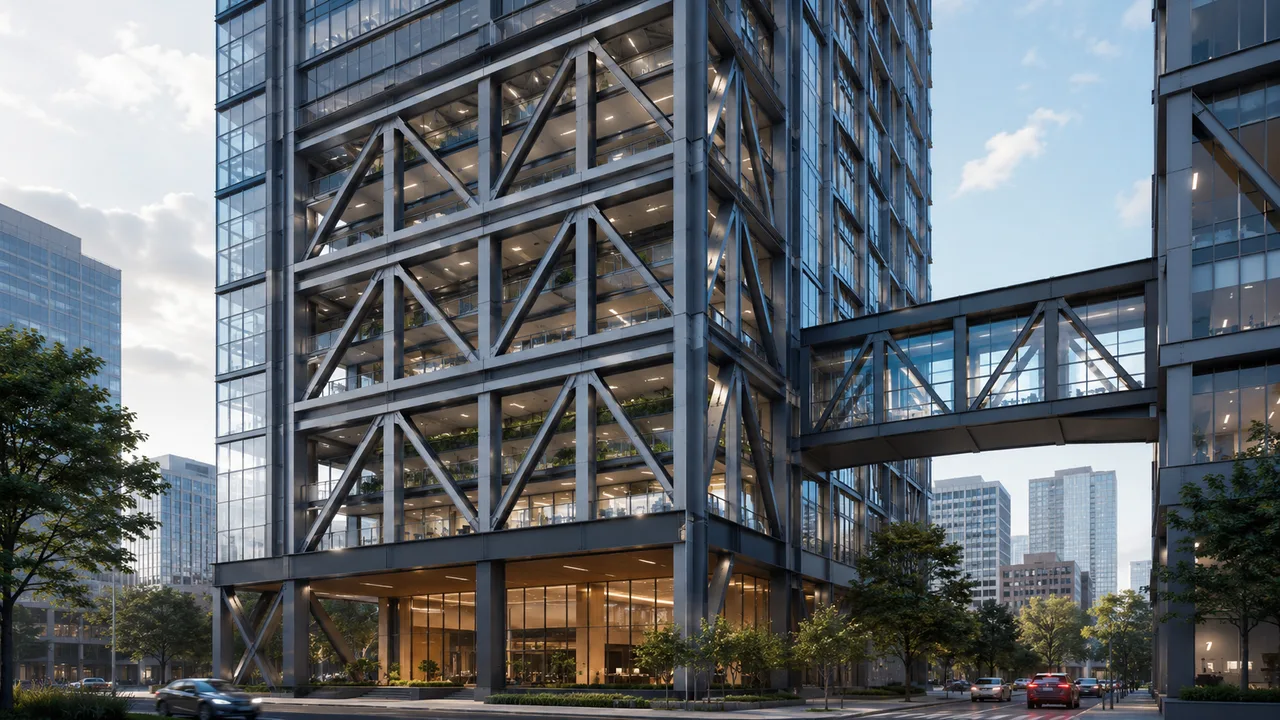
Projects involving steel structures in Rio de Janeiro work better when engineering, procurement, fabrication, quality control, and logistics share information from the earliest stages. Treating these departments as isolated activities increases the possibility of incompatibilities and delays.
For example, a structural connection may be technically adequate but unnecessarily complex to fabricate. Likewise, a truss may be structurally efficient but have dimensions that make it difficult to transport as a single piece. These issues need to be identified before production begins.
An integrated workflow also makes it possible to organize fabrication according to the erection sequence. Instead of simply producing components according to factory convenience, scheduling can consider which elements will be needed first on the construction site.
This coordination improves predictability and reduces the need for unnecessary handling during installation. For large-scale projects, small improvements at different stages can result in significant gains in the overall schedule.
Planning Your Steel Structure Project in Rio de Janeiro
The more information available before quotation and preliminary engineering, the more precise the proposed solution can be. A steel structure in Rio de Janeiro project normally begins with the definition of the functional requirements and main characteristics of the building.
Important information includes the project location, width, length, height, desired clear span, intended use of the building, operational loads, and the presence of special equipment. Requirements for roofing, wall cladding, insulation, and surface protection should also be provided when available.
For industrial facilities, information about overhead cranes, platforms, suspended equipment, and future production lines can significantly change the structural concept. Likewise, future expansion requirements should be considered before the final definition of the structure.
The expected schedule also influences the fabrication and delivery strategy. If erection takes place in phases, production and logistics can be organized to follow this sequence, avoiding the premature shipment of components that will not yet be used.
XTD Steel Structure can develop solutions based on the specific requirements of each project, coordinating engineering, detailing, and fabrication to transform operational needs into components that can be efficiently manufactured and transported.
Conclusion
A steel structure in Rio de Janeiro requires much more than simply selecting sections and fabricating steel components. Project performance depends on the integration of engineering, detailing, fabrication, quality control, surface protection, logistics, and erection.
When these stages are considered as parts of a single workflow, it becomes possible to reduce incompatibilities, improve production predictability, and facilitate work on the construction site. The structural solution can also be adapted to different applications, from warehouses and factories to hangars, commercial buildings, and special projects.
For each project, the ideal configuration should respond to the specific conditions of use, loads, location, architecture, and schedule. With technical planning from the earliest stages, steel can provide an industrialized and flexible solution for projects of different scales in Rio de Janeiro.