One Manufacturing Partner for a More Coordinated Project
Steel structure procurement involves more than purchasing beams and columns. Each component must match engineering requirements, fabrication drawings, connection details, and the intended assembly sequence. When several independent suppliers handle these activities without sufficient coordination, small inconsistencies can develop into expensive site problems.
An integrated manufacturing service connects technical review, production planning, fabrication, inspection, and delivery preparation within a defined workflow. The manufacturer becomes a central point of communication for the agreed supply scope, helping buyers track responsibilities and resolve production-related questions more efficiently.
This approach is particularly useful for international projects where engineering teams, purchasing departments, manufacturers, logistics providers, and installation contractors may operate in different locations.
What Our Integrated Manufacturing Service Covers
Engineering Review and Technical Coordination
Manufacturing begins with an evaluation of project drawings, technical specifications, structural requirements, and production feasibility. The review identifies information needed for fabrication, including material grades, member dimensions, connection configurations, welding requirements, and applicable project standards.
Where required, technical coordination may include fabrication detailing, drawing clarification, connection review, and communication with the client’s design team. Structural design responsibility and approval procedures are defined according to the project agreement.
This early coordination helps reduce discrepancies before materials enter production.
Steel Component Fabrication
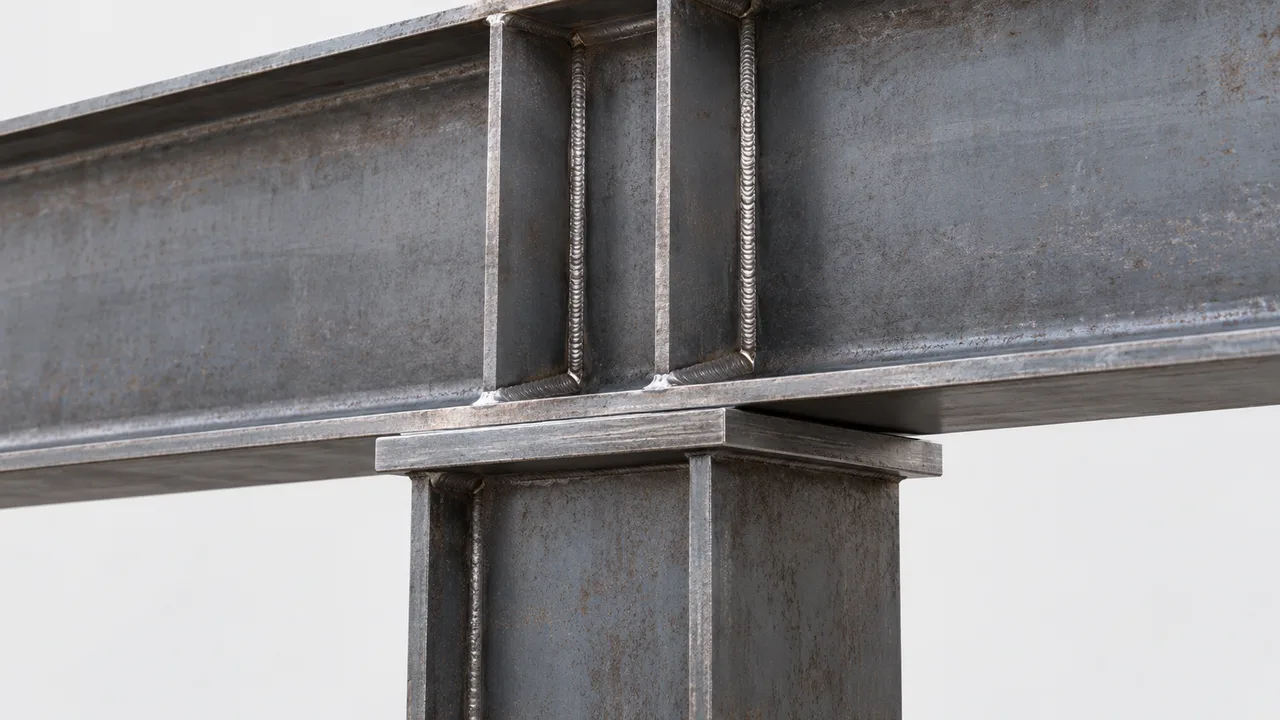
Once the fabrication requirements are confirmed, steel members move into controlled manufacturing processes. Production activities may include CNC cutting, drilling, plate preparation, assembly, welding, and dimensional verification.
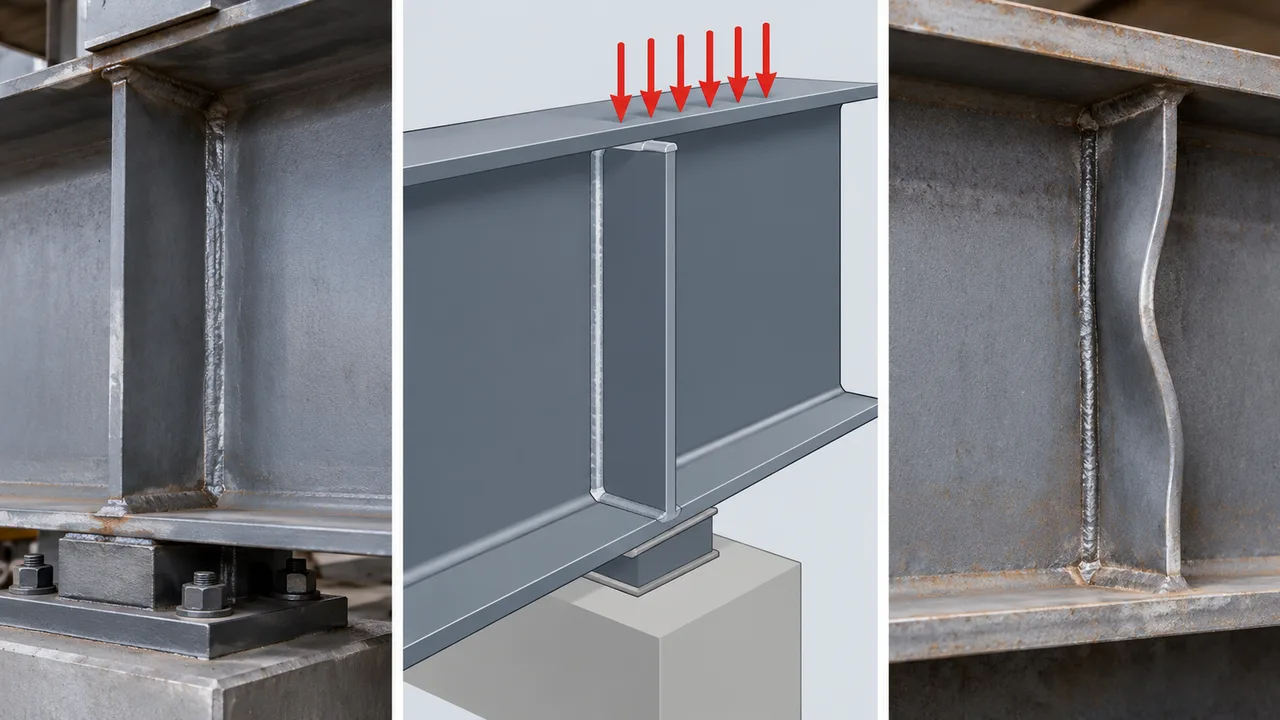
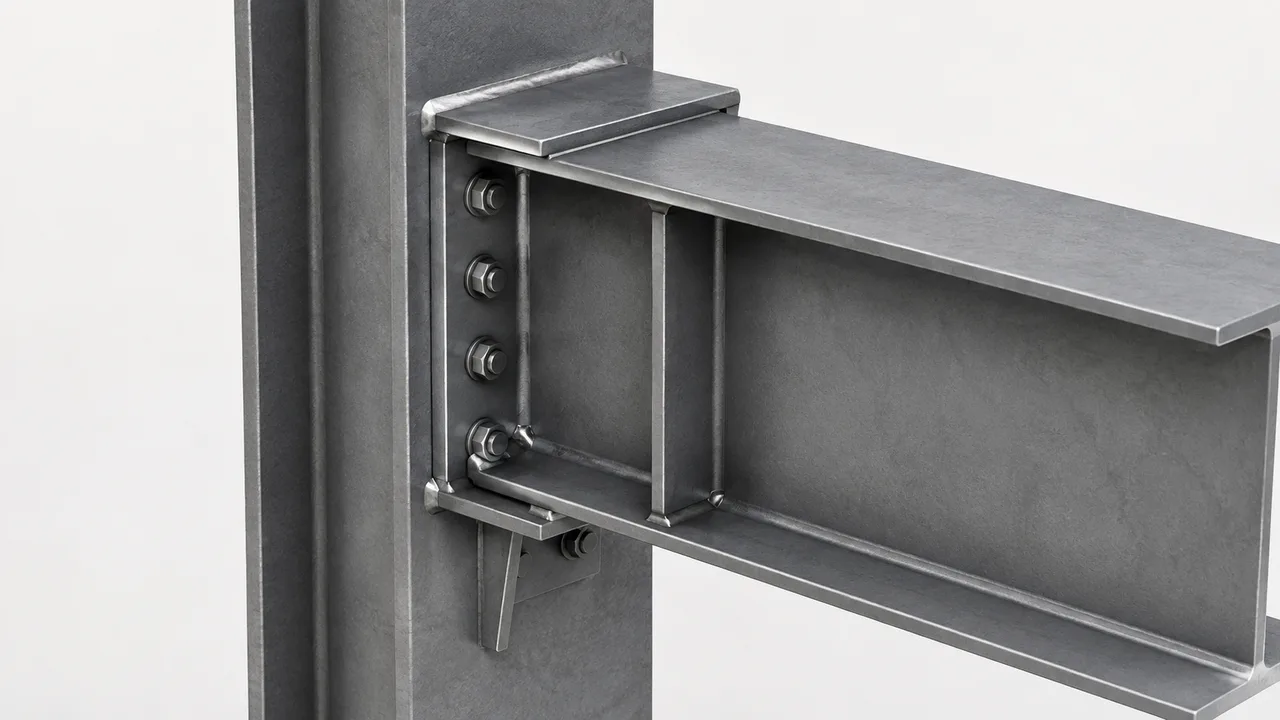
XTD Steel Structure supports customized manufacturing of primary and secondary steel components, including columns, beams, rafters, trusses, bracing members, and connection plates. Fabrication is organized around approved drawings and project-specific requirements rather than relying on a single standard building configuration.
Coordinating these operations helps maintain component compatibility while supporting efficient production and subsequent site assembly.
Surface Treatment and Quality Inspection
Structural components may require blasting, protective painting, galvanizing, or other surface treatments depending on the intended environment. Coating selection should consider corrosion exposure, transportation conditions, and the project’s expected service life.
Quality inspection can include material documentation, dimensional checks, welding inspection, coating verification, and identification of completed components. Specific inspection methods, acceptance criteria, and documentation are established according to contractual and technical requirements.
Export Packing and Delivery Coordination
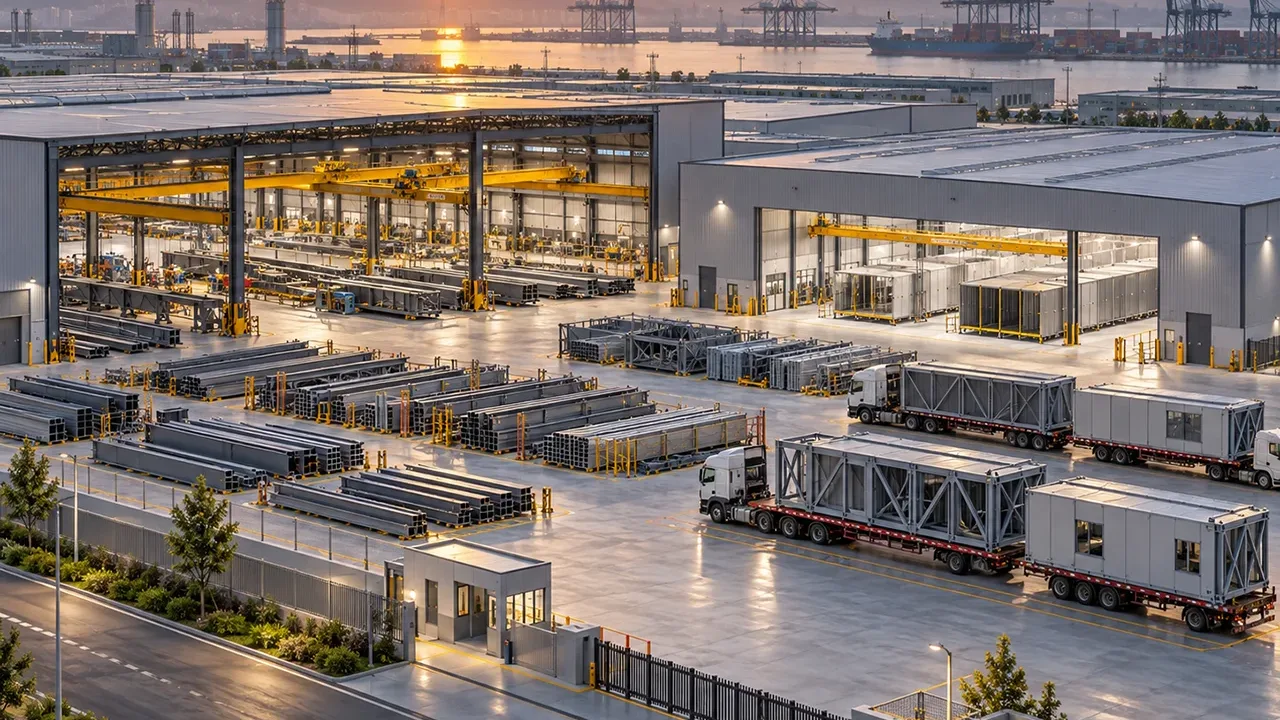
Completed components must be prepared for transportation without creating unnecessary difficulties at the construction site. Packing arrangements consider component size, handling requirements, surface protection, shipping limitations, and the planned erection sequence.
Clear marking and organized shipment documentation help receiving teams identify materials and coordinate unloading, storage, and installation activities.
Steel Building Projects We Can Manufacture
Industrial Factories and Production Facilities
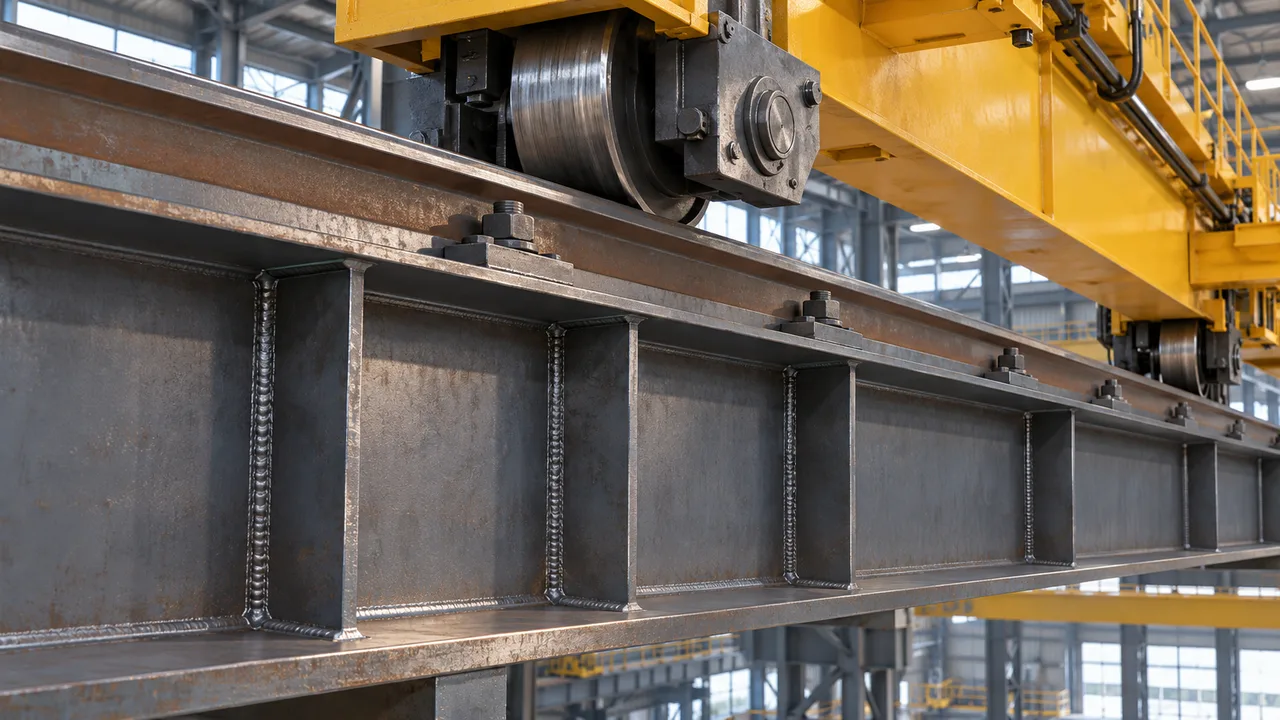
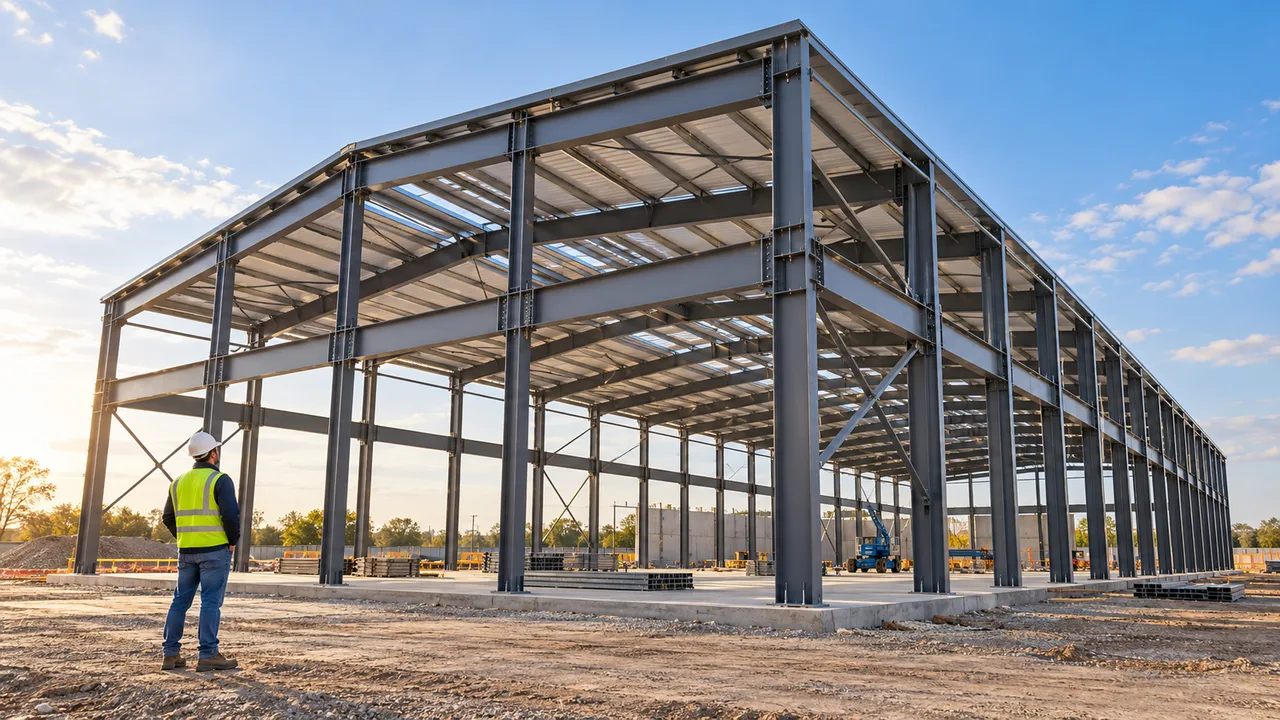
Industrial facilities require structural systems that accommodate manufacturing equipment, production lines, maintenance access, and operational circulation. Steel manufacturing packages can include portal frames, reinforced columns, crane-supporting members, and other custom structural components.
Fabrication planning should reflect the facility’s dimensions, equipment requirements, and installation priorities.
Warehouses and Logistics Centers
Warehouses and distribution facilities benefit from steel structures that provide wide spans, practical column spacing, and adaptable internal layouts. Manufacturing requirements may include large roof frames, warehouse columns, bracing systems, loading-area components, and provisions for future expansion.
Component production can be coordinated with the intended warehouse layout and construction sequence.
Commercial and Agricultural Structures
Integrated manufacturing services can also support commercial steel buildings, exhibition facilities, agricultural storage buildings, and industrial agricultural projects.
These applications may require different combinations of structural framing, architectural interfaces, protective finishing, and environmental performance. Custom fabrication allows the supplied steel components to reflect those project-specific conditions.
How Integrated Manufacturing Reduces Coordination Problems
Fewer Gaps Between Engineering and Fabrication
Problems often arise when engineering information reaches production without sufficient clarification. Missing dimensions, conflicting connection details, or unsuitable fabrication assumptions can result in unnecessary changes.
By connecting technical review with manufacturing preparation, potential conflicts can be identified before production begins. This supports more accurate fabrication and reduces avoidable rework.
Manufacturing Scheduled Around Project Priorities
Not every steel component is required on site at the same time. Primary frames, bracing members, secondary structures, and later construction packages may follow different installation priorities.
Integrated production planning allows fabrication batches, inspection activities, coating schedules, and shipment preparation to be coordinated with the agreed project program. This can improve delivery organization and reduce unnecessary material handling.
Clearer Responsibility Across Supply Stages
When several suppliers operate independently, responsibility for technical discrepancies or delivery issues can become unclear. A coordinated manufacturing arrangement provides a more defined communication process for the agreed services.
Buyers can communicate technical questions, progress requirements, inspection arrangements, and shipping priorities through a central manufacturing contact while maintaining clear contractual responsibilities.
Manufacturing Capability and Quality Control
Precision Processing and Component Fit-Up
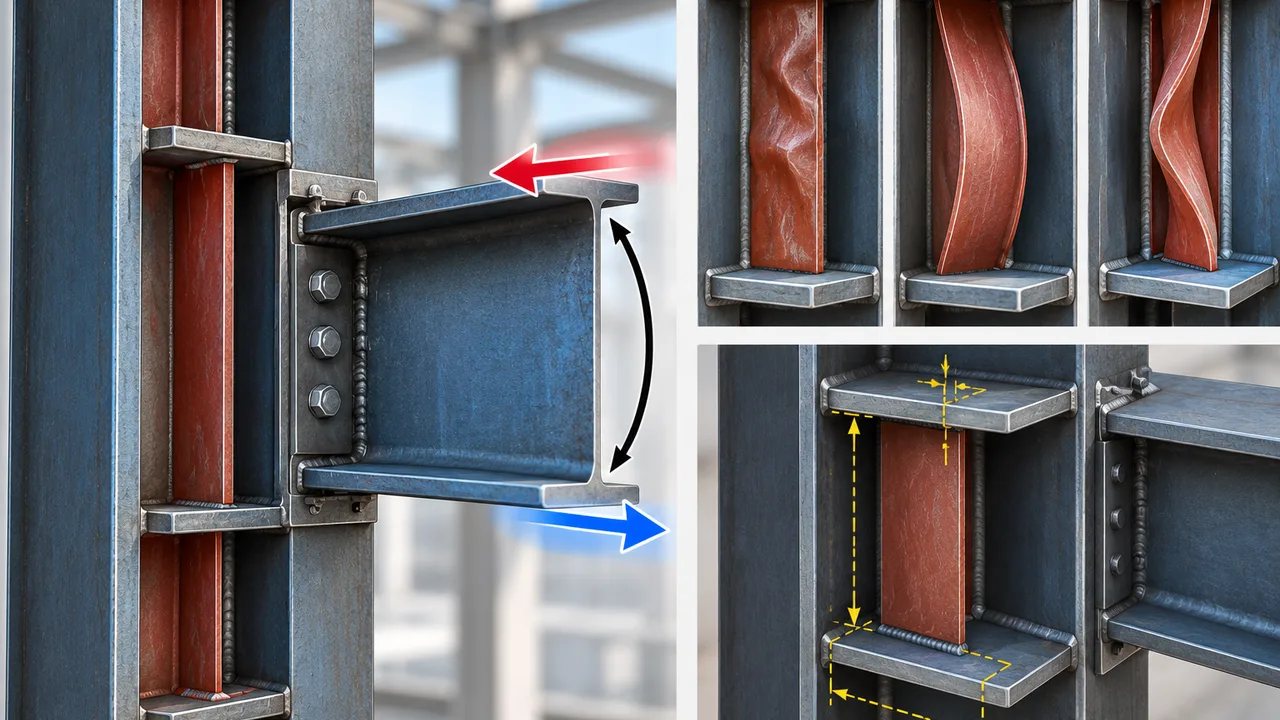
Accurate steel fabrication is essential for efficient assembly. Bolt-hole positions, connection plate geometry, member lengths, and mating surfaces must be produced according to approved drawings and specified tolerances.
Modern cutting, drilling, and assembly processes help improve production consistency. Dimensional verification before shipment can identify issues that would otherwise appear during erection, where corrections are often more difficult and costly.
Welding Inspection and Material Traceability
Quality management begins with material identification and continues through fabrication, welding, inspection, and surface finishing. Depending on project requirements, records may include material certificates, inspection reports, welding documentation, coating measurements, and component identification.
XTD Steel Structure coordinates manufacturing and quality-related activities to help ensure that supplied components meet the agreed technical specifications. Inspection scope and documentation requirements are confirmed according to each project rather than assuming identical procedures for every order.
Typical Deliverables in a One-Stop Manufacturing Package
A coordinated manufacturing package can include several connected services. The following table illustrates common deliverables and their value to project buyers.
| Service Stage | Typical Deliverable | Buyer Benefit |
|---|---|---|
| Technical Review | Reviewed project drawings and specifications | Fewer technical conflicts before manufacturing |
| Engineering Coordination | Fabrication-ready drawings and technical clarifications | Better alignment between design and production |
| Steel Fabrication | Manufactured structural steel components | Consistent production according to approved requirements |
| Quality Inspection | Specified inspection records and verification documents | Greater visibility into manufacturing quality |
| Surface Protection | Painted or galvanized components as specified | Protection suited to the project environment |
| Delivery Preparation | Marked, organized, and packed steel members | Easier identification and handling at the destination |
| Installation Coordination | Agreed assembly information and technical support | Smoother handover to the site installation team |
The exact package depends on the contract, project specifications, delivery terms, and allocation of engineering and installation responsibilities. Not every service is automatically included in every manufacturing order.
From Initial Inquiry to Shipment: Our Manufacturing Workflow
Requirement Submission and Technical Assessment
Buyers provide available drawings, building dimensions, structural specifications, project location, intended building use, and delivery requirements. The technical team reviews the information to identify manufacturing scope, missing details, and production considerations.
Quotation, Scope Confirmation, and Production Planning
After technical clarification, the parties confirm the manufacturing scope, material requirements, surface treatment, inspection expectations, delivery arrangements, and commercial terms.
Production planning then considers material procurement, component complexity, manufacturing sequence, and the agreed delivery schedule.
Fabrication, Inspection, and Surface Finishing
Approved components proceed through cutting, drilling, assembly, welding, dimensional checking, and specified surface treatment. Inspection activities are carried out according to agreed requirements, and components are prepared for final release after the necessary checks.
Packing, Shipping, and Project Handover
Finished components are identified, packed, and organized for transportation. Shipment planning considers loading conditions, component protection, destination requirements, and installation sequence where applicable.
Relevant documentation and agreed technical information are provided to support receiving and subsequent construction activities.
Why Work With a One-Stop Manufacturer Instead of Multiple Suppliers?
Choosing a one stop steel structure manufacturer can reduce the amount of supplier coordination required from the project owner. Instead of separately managing fabrication workshops, finishing providers, inspection arrangements, and shipment preparation, buyers can coordinate the agreed manufacturing services through one partner.
Important advantages include:
- Simplified procurement: fewer separate supplier interfaces for the defined manufacturing package.
- Improved technical coordination: closer alignment between drawings, fabrication requirements, and component delivery.
- More organized quality management: inspection requirements can be coordinated across production stages.
- Reduced communication gaps: clearer channels for technical questions and manufacturing updates.
- Better shipment preparation: component marking and packing can reflect installation priorities.
- Greater project visibility: buyers can follow production progress through a coordinated communication process.
Integrated manufacturing does not automatically guarantee the lowest price or shortest schedule. Its primary value is reducing unnecessary coordination complexity while improving consistency between the agreed supply stages.
Frequently Asked Questions About One-Stop Steel Manufacturing
What Does a One Stop Steel Structure Manufacturer Provide?
Services may include technical review, engineering coordination, fabrication detailing, steel component manufacturing, surface treatment, quality inspection, packing, and delivery coordination. The actual scope is confirmed for each project.
Can You Manufacture Steel Structures From Our Existing Drawings?
Yes. Client-supplied drawings can be reviewed for fabrication feasibility, material requirements, connection details, and production information. Any necessary clarification or modification should be approved through the agreed technical process before fabrication.
Do You Support International Steel Structure Projects?
Yes. International manufacturing orders can include export packing, component identification, shipping coordination, and relevant documentation according to the destination and agreed delivery terms.
Does One-Stop Manufacturing Include On-Site Installation?
Not automatically. Manufacturing supply and construction installation are different scopes. Installation guidance, technical assistance, or additional construction-related services may be coordinated where agreed, depending on the project’s location and contractual arrangements.
What Information Is Needed for a Manufacturing Quotation?
Useful information includes structural drawings, building dimensions, material specifications, connection requirements, coating preferences, project destination, estimated steel quantities when available, and the requested delivery schedule.
Simplify Your Steel Structure Supply With One Manufacturing Partner
Complex steel projects become easier to manage when technical requirements, fabrication, quality inspection, and delivery preparation follow a coordinated process. Working with an integrated manufacturer helps reduce unnecessary supplier handoffs while keeping manufacturing responsibilities and project expectations clear.
Share your structural drawings, building specifications, project location, required manufacturing scope, and procurement schedule with XTD Steel Structure. Our team can review your requirements and develop a coordinated steel structure manufacturing proposal covering the relevant technical, production, finishing, and delivery services for your project.