An industrial steel work platform plays a crucial role in enabling modern factories to achieve higher productivity, better space utilization, and safer operational workflows. As manufacturing environments continue to adopt automation, robotics, advanced assembly systems, and heavier machinery, the need for a heavy-duty platform that can support demanding workloads has become more essential than ever. Steel platforms offer unmatched strength, adaptability, and engineering precision, making them a preferred solution for facilities aiming to scale efficiently while maintaining operational safety.
Unlike traditional concrete structures, industrial steel platforms are engineered for rapid installation, multi-level expansion, and excellent compatibility with evolving industrial operations. From supporting equipment to optimizing flow across production lines, these platforms serve as foundational infrastructure for factories looking to stay competitive in high-demand industries. This article explores how steel platforms function, their engineering advantages, and why they have become integral to production line support in modern industrial environments.
What Is an Industrial Steel Work Platform?
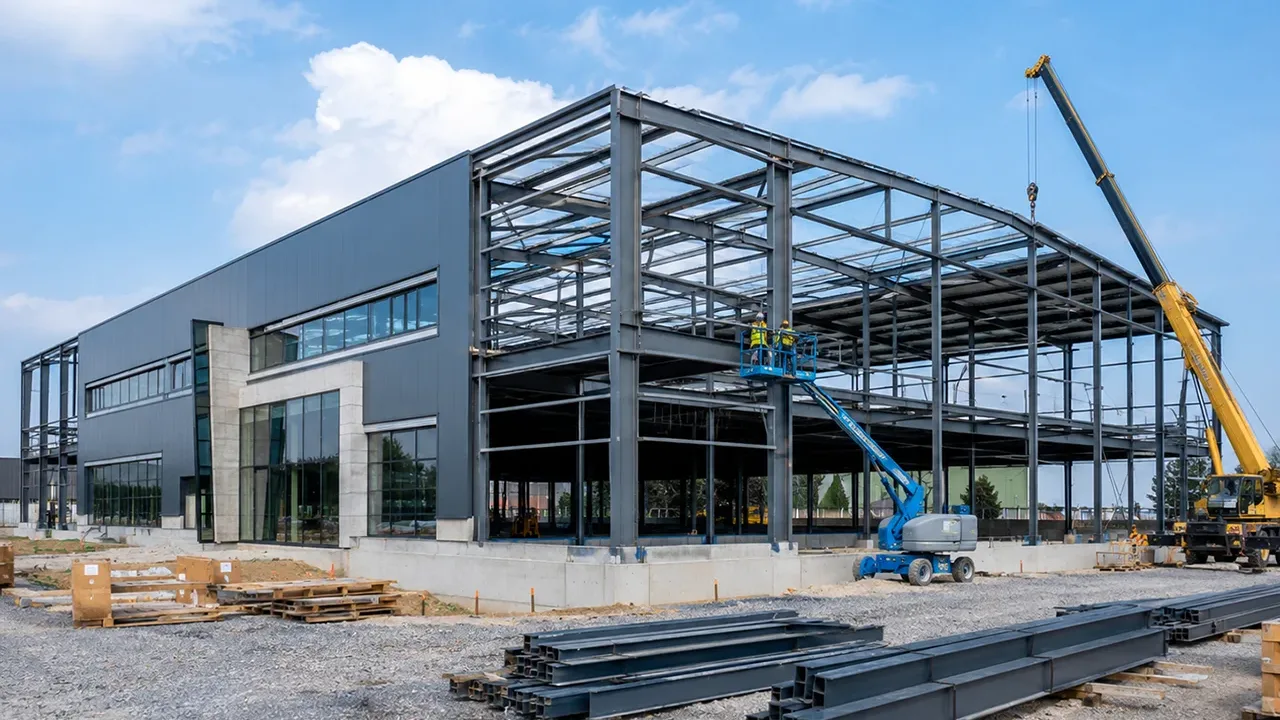
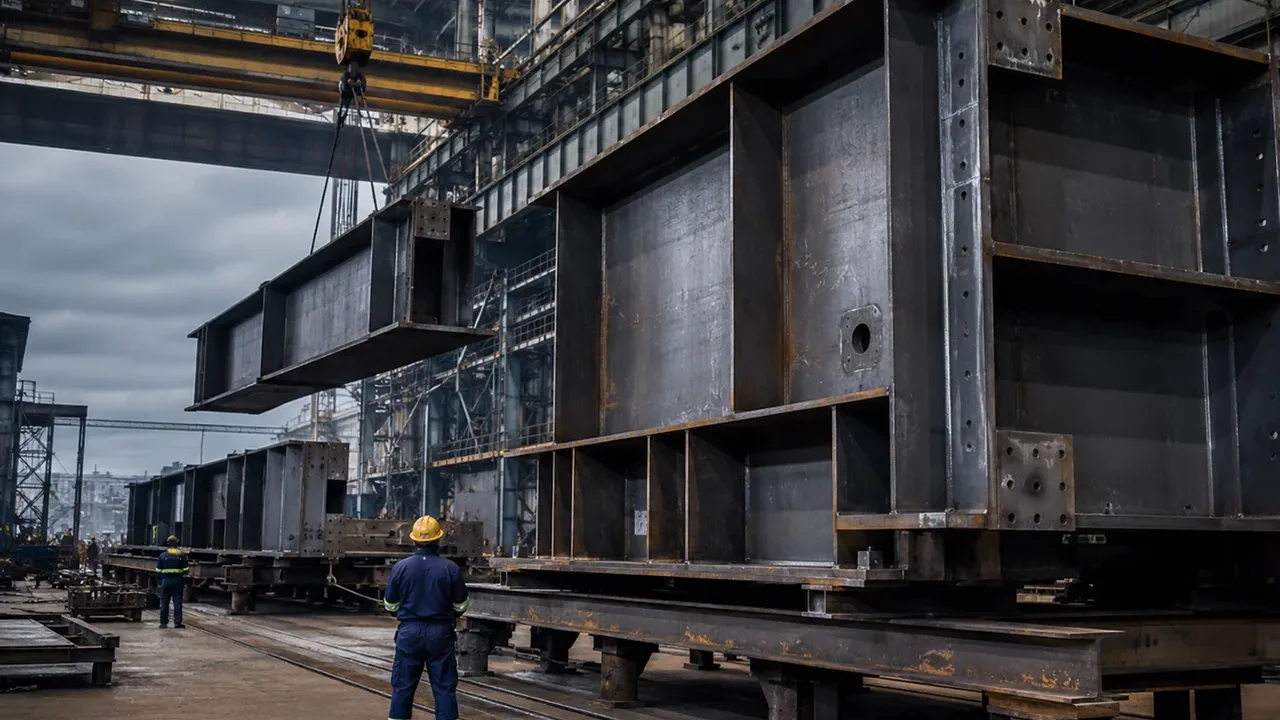
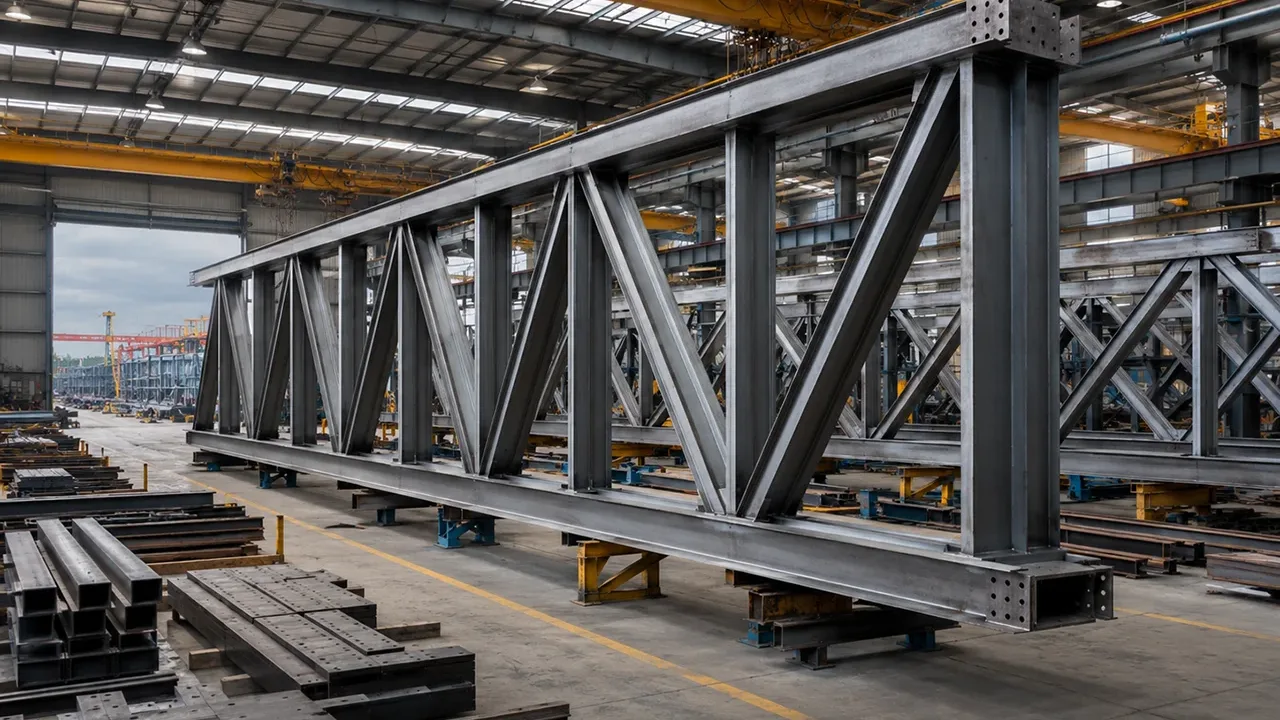
An industrial steel work platform is a structural system designed from cold-formed or hot-rolled steel components configured to create elevated working areas, equipment stands, or multi-level spaces inside industrial buildings. These engineered platforms typically include load-bearing beams, vertical columns, steel grating or checkered plates for flooring, staircases, guardrails, and integrated safety systems.
Unlike light mezzanines found in commercial environments, these structures are engineered to handle exceptionally high loads—often between 5 to 8 tons per square meter—making them suitable for machinery, conveyors, storage of heavy materials, and dynamic industrial activities.
Key Functions in Industrial Operations
Industrial steel platforms deliver multiple functions that directly enhance factory performance:
- Equipment Support – Steel’s superior load-bearing capacity makes it ideal for supporting compressors, turbines, assembly equipment, and robotic systems.
- Production Line Support – Elevated areas help separate workflows, host conveyors, or integrate automated systems to improve factory efficiency.
- Space Optimization – Factories maximize vertical space by building multi-level structures without expanding the building footprint.
- Safe Worker Access – Stairs, walkways, and guardrails ensure safe mobility during maintenance or operation.
Why Modern Factories Need High-Load Steel Platforms
As manufacturing evolves, factories must support heavier equipment, more complex workflows, and dynamic production layouts. A high-load industrial steel work platform provides the structural capacity, design versatility, and long-term durability required to meet these challenges without compromising operational performance.
Strength & Load-Bearing Advantages
Steel offers superior mechanical strength compared to traditional concrete or timber platforms. Its predictable structural behavior under high stress and its ability to manage vibration make it ideal for heavy industrial environments. With wide-span capacity reaching up to 8–12 meters, steel platforms also reduce the need for internal columns, creating unobstructed working spaces that improve mobility and equipment placement.
Production Line Support & Flexibility
As factories frequently upgrade to new machinery or change production lines, flexibility becomes a top priority. Steel platforms can be modified, expanded, or even fully reconfigured with minimal downtime. They support conveyor systems, robotics, inspection stations, and overhead maintenance zones that streamline workflow in multi-stage industrial processes.
Types of Industrial Steel Work Platforms
Single-Level Heavy-Duty Platforms
These platforms function as dedicated workstations or support areas for industrial machinery. They are commonly used for:
- Machine and equipment bases
- Maintenance zones
- Inspection and testing platforms
- Vibration-sensitive assembly areas
Multi-Level Industrial Platforms
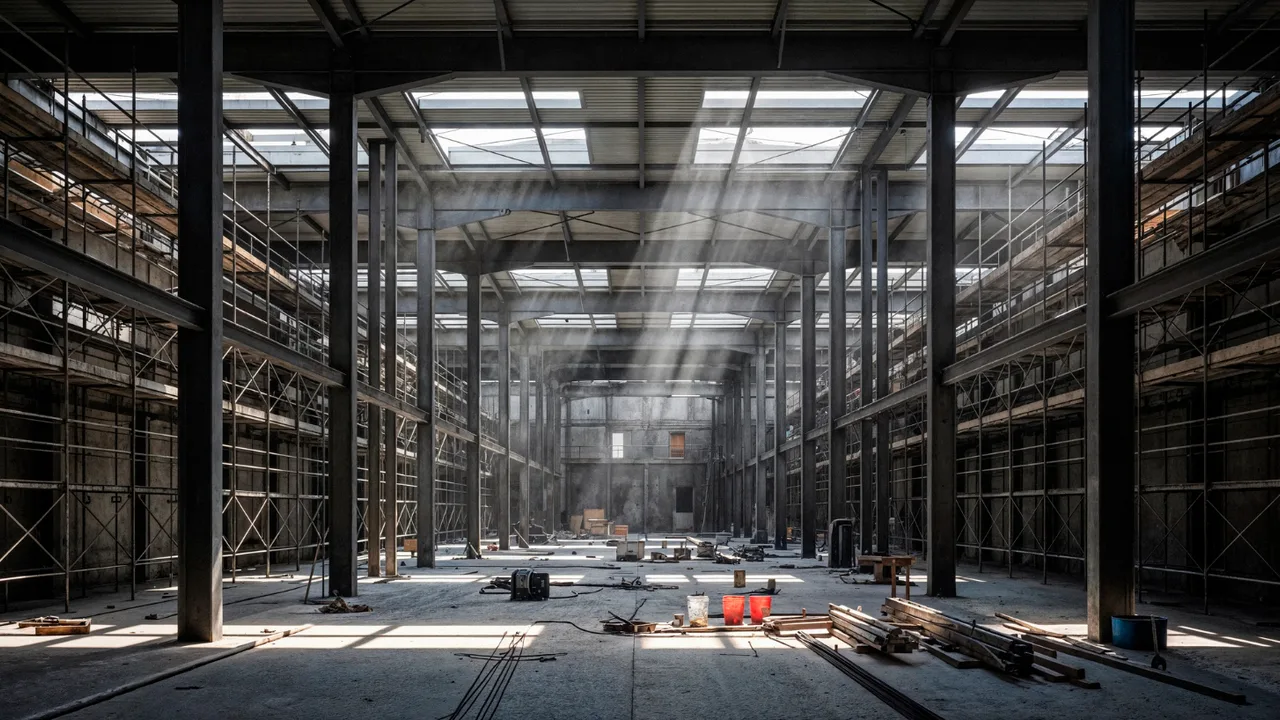
Multi-level platforms allow factories to expand vertically, creating additional operational zones such as storage levels, inspection decks, or secondary production spaces. This configuration greatly improves volumetric efficiency and is especially beneficial for environments with tall ceilings and dynamic storage needs.
Modular Prefabricated Platforms
Modular designs consist of prefabricated beam and column units that can be rapidly assembled on-site. These platforms shorten installation time significantly and enable businesses to expand or adjust their factory layout with minimal structural disruption. Modular systems are widely used in fast-moving industries where operational agility determines competitive advantage.
Engineering & Design Requirements
Load Calculations & Safety Factors
Industrial platforms must safely accommodate dynamic and static loads from workers, equipment, vehicles, and materials. Engineers calculate design loads based on intended usage and apply safety factors to ensure long-term structural stability. Compliance with global standards—such as EN 1993, AISC, or Chinese GB codes—is essential in ensuring consistent performance.
Material Specifications
Platforms typically use high-strength steel grades such as Q355B, S355JR, or ASTM A572. These steels offer excellent yield strength, impact resistance, and weldability. Depending on the operating environment, additional surface treatments such as galvanization or epoxy coatings may be applied to enhance corrosion resistance.
Surface & Safety Features
Industrial platforms often incorporate anti-slip floor plates, steel gratings, handrails, kick plates, and integrated lighting to enhance operator safety. Access points must be strategically designed to support efficient workflow while minimizing operational risks.
Advantages of Industrial Steel Work Platforms
1. High Load Capacity for Heavy Machinery
Factories require structures capable of supporting compressors, mixers, CNC machines, automated production tools, and other heavy equipment. Steel platforms deliver consistent performance even under extreme structural demands, making them indispensable in heavy industries.
2. Faster Installation Time
Compared to concrete—which requires formwork, pouring, and 28 days of curing—steel platforms can be fabricated and assembled in a fraction of the time. This accelerated deployment minimizes downtime and enables faster commissioning of production lines.
3. Superior Flexibility & Scalability
Steel allows factories to add new levels, relocate work zones, or upgrade equipment layouts without large-scale demolition. This adaptability is a vital advantage for companies operating in rapidly changing industrial sectors.
4. Better Vertical Space Utilization
Multi-tier steel structures help factories maximize the cubic volume of their buildings, creating new work areas, storage levels, or support platforms for automation systems.
5. Long-Term Cost Efficiency
Steel platforms offer lower lifetime maintenance costs and longer service life compared to traditional materials. Their reusability further enhances cost efficiency, especially in expanding production environments.
Common Applications in Industrial Operations
Industrial steel work platforms are engineered to support a wide range of operational activities. Their adaptability and strength make them a valuable asset across multiple sectors, from automotive manufacturing to electronics, chemical processing, and heavy equipment assembly.
Heavy Equipment Support Zones
Many factories use platforms to elevate or support machines such as compressors, pumps, turbines, and robotic assembly arms. The high-load strength of steel ensures stable operation even during continuous vibration or high-speed cycles.
Inspection & Quality Control Areas
Elevated inspection zones allow workers to perform visual checks, non-destructive testing, or quality evaluations without interfering with ground-level flow. Platforms create organized traffic between inspection and production stages.
High-Load Storage & Inventory Platforms
Factories with high-density storage needs benefit from multi-level steel platforms. These systems can hold raw materials, semi-finished goods, or heavy industrial components while keeping floor space clear for production activities.
Maintenance & Technical Access Platforms
Maintenance teams often require safe access to elevated equipment, pipelines, or ducting systems. Industrial steel platforms provide secure pathways and service decks for technicians to perform routine checks, servicing, or repairs.
Conveyor & Automation Integration Platforms
Modern production lines rely heavily on conveyor belts, automated transport systems, and robotic pathways. Steel platforms support these systems by creating elevated routing paths that enhance manufacturing efficiency and reduce congestion.
Industrial Steel Platform vs Concrete Platform
Factories often compare steel and concrete options when planning elevated structures. While both materials serve unique purposes, steel platforms offer significant advantages in industrial settings.
| Feature | Industrial Steel Platform | Concrete Platform |
|---|---|---|
| Load Capacity | Supports heavy-duty loads (5–8 t/m²) | Limited to moderate loads unless heavily reinforced |
| Construction Speed | Fast installation; prefabricated components | Long curing time; slower project delivery |
| Flexibility | Easy to expand, modify, or relocate | Permanent structure; difficult to modify |
| Weight | Lightweight but strong | Very heavy; may require stronger foundations |
| Maintenance | Minimal; steel coatings extend lifespan | Cracks, moisture damage, and resurfacing required |
How to Choose the Right Industrial Steel Work Platform
Selecting the right platform involves understanding operational needs, equipment loads, building layout, and long-term business goals. Below are key considerations that ensure a safe and efficient platform design.
Consider Load Requirements
Factories must evaluate the maximum expected load from equipment, storage items, and personnel. The load classification determines beam sizing, column spacing, and overall structural configuration.
Assess Factory Layout & Operations
Workflow patterns, equipment positions, and access paths influence platform shape and height. A well-planned layout improves movement efficiency, reduces congestion, and enhances safety.
Choose Certified Steel Grades
Only structural-grade steel should be used for industrial applications. High-strength alloys ensure long-term durability, minimized deformation, and better fatigue resistance.
Evaluate Safety Standards
Ensure compliance with international or national safety codes. Safety features such as guardrails, anti-slip flooring, fire-resistant coatings, and emergency access points are essential in industrial environments.
Work With a Professional Manufacturer
A specialized engineering team brings expertise in design, load calculation, fabrication, and installation. Professional manufacturers deliver customized solutions that align with your industry requirements and operational goals.
Case Study: How Steel Platforms Improved an Automotive Factory Workflow
A leading automotive manufacturer restructured its production plant by integrating multi-level steel platforms to support automated assembly lines. The result was a 30% increase in workflow efficiency, improved separation between manual and automated processes, and faster material routing across different production stages.
The factory also installed elevated access platforms for maintenance teams, reducing downtime and enabling uninterrupted operation of robotic equipment. This transformation highlights the practical benefits of using steel platforms in fast-paced industrial environments.
How to Choose the Right Industrial Steel Work Platform
Selecting the right industrial steel work platform is not just a structural decision—it directly affects factory productivity, safety, workflow efficiency, and the long-term adaptability of your operations. Modern facilities require platforms that can handle heavy equipment, support dynamic production changes, and comply with strict industrial safety standards. Choosing the wrong design or material specification can lead to operational bottlenecks, premature structural wear, or even safety risks. Below are key technical and operational considerations that ensure you invest in a platform that meets both current and future industrial demands.
Consider Load Requirements
Load capacity is the most critical factor in platform design. Factories must identify both static loads (stationary machines, raw materials, storage weight) and dynamic loads (moving workers, forklifts, vibrating equipment). This classification determines the required beam size, column spacing, slab thickness, and bracing configuration. For example, high-precision equipment such as CNC machines or robotic arms may require vibration-resistant platforms with tighter deflection limits, while heavy storage zones may need reinforced beams capable of supporting 5–8 tons per square meter. Proper load analysis ensures long-term stability and minimizes potential structural failures.
Assess Factory Layout & Operations
Every facility has unique workflow patterns, and the platform must complement—not disrupt—operational efficiency. A detailed layout assessment includes considering equipment placement, worker pathways, conveyor directions, maintenance access, and vertical clearance. Factories should also evaluate whether the platform needs to integrate with automation systems, overhead pipelines, or material handling equipment. A well-designed layout improves movement efficiency, reduces production bottlenecks, and enhances safety by separating heavy machinery from worker traffic zones.
Choose Certified Steel Grades
Using certified, high-strength structural steel is essential for ensuring performance under industrial operating conditions. Steel grades such as Q355B, S355JR, or ASTM A572 offer superior yield strength, excellent weldability, and resistance to deformation under heavy loads. In corrosive environments—such as chemical plants, coastal factories, or humid warehouses—steel should be protected with galvanization, spray coatings, or fire-resistant treatments. Choosing the correct steel grade not only extends the platform’s lifespan but also reduces maintenance costs and enhances safety.
Evaluate Safety Standards
Industrial platforms must comply with local and international regulations, such as EN 1993, AISC standards, or national GB codes. Safety compliance ensures proper structural integrity during emergencies, seismic events, or high-load scenarios. Essential safety features include anti-slip decking, guardrails, kick plates, marked walkways, and emergency exits. Fire-resistant coatings or cladding may also be required depending on the factory environment. Lighting, signage, and clear access routes further enhance user safety and reduce operational risks.
Work With a Professional Manufacturer
Choosing a qualified steel structure manufacturer is vital for ensuring accurate engineering, safe installation, and compliance with all necessary standards. Professional manufacturers provide structural calculations, fabrication drawings, material certifications, and quality assurance processes. They also offer customization—such as modular expansion options, integrated machinery support, or multi-level platform engineering—that aligns the structure with your current and future business needs. Working with an experienced engineering team reduces project delays, prevents design errors, and guarantees long-term operational reliability.
Conclusion
An industrial steel work platform is more than just an elevated structure—it is a strategic investment that enhances factory performance, safety, and operational flexibility. With its superior load-bearing ability, adaptability to changing production needs, and compatibility with modern automation systems, steel remains the most reliable choice for high-performance industrial platforms.
As factories continue to evolve, steel platforms will play a crucial role in supporting heavy-duty platform requirements, optimizing industrial operations, and strengthening production line support. Businesses aiming for long-term efficiency and growth can greatly benefit from integrating engineered steel platforms into their facility infrastructure.