As industrial and commercial construction projects grow in scale and complexity, choosing the right steel assembly method has become a strategic decision rather than a purely technical one. One of the most common questions project owners and contractors face today is onsite vs offsite steel assembly: which approach delivers better efficiency, cost control, and project outcomes?
Both methods are widely used in modern steel structure projects, from factories and warehouses to logistics hubs and infrastructure facilities. Each has its own advantages, limitations, and ideal use cases. In this article, we provide a clear, practical comparison of onsite and offsite steel assembly, focusing on performance, cost, risk, and construction logistics, to help decision-makers choose the most suitable approach.
Understanding On-Site Steel Assembly
On-site steel assembly refers to the process where steel components are delivered to the construction site in individual or semi-fabricated parts and assembled directly at the project location. This method has been widely used in traditional steel construction for decades and remains common in regions with flexible labor availability.
How On-Site Steel Assembly Works
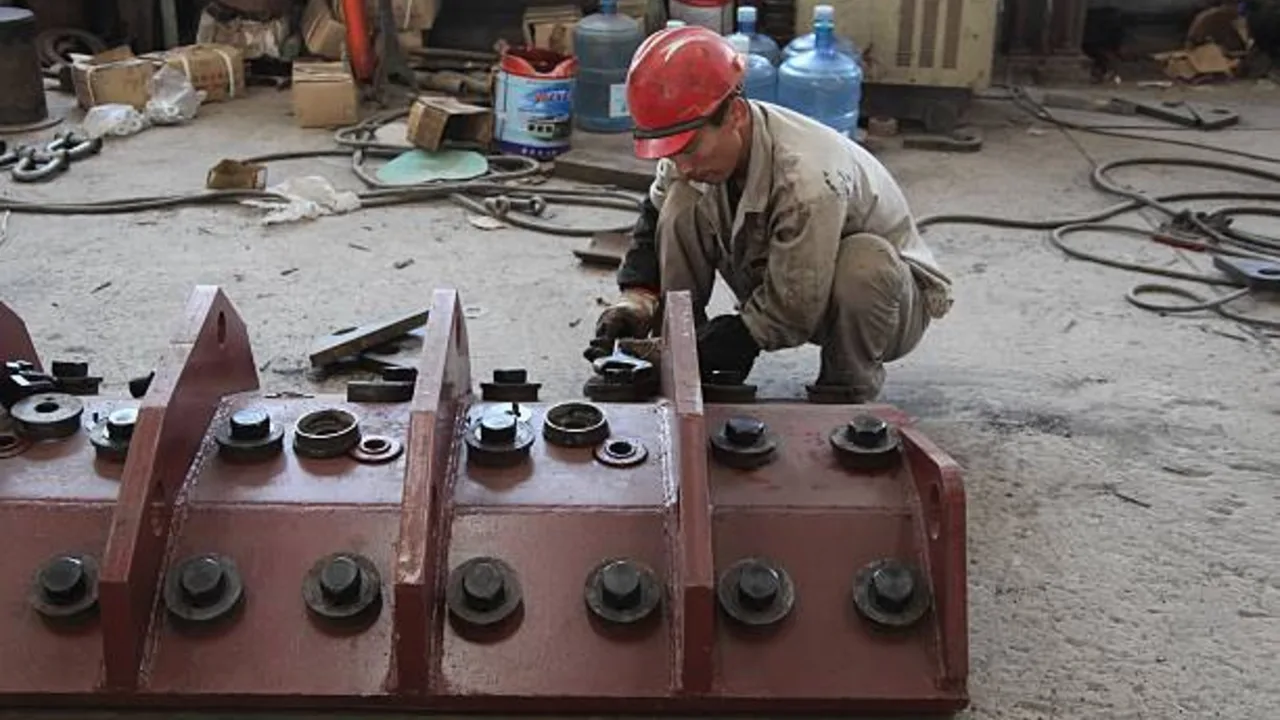
In an onsite assembly process, structural steel members such as columns, beams, and bracing systems are transported to the site and assembled using cranes, welding equipment, and bolted connections. Adjustments are often made during installation to accommodate site conditions, alignment tolerances, or design changes.
Key Advantages of On-Site Assembly
- Design flexibility: Easier to handle last-minute design changes or modifications.
- Lower prefabrication requirements: Suitable for projects without access to advanced fabrication facilities.
- Adaptability to irregular sites: Effective for complex or constrained construction environments.
Challenges of On-Site Assembly
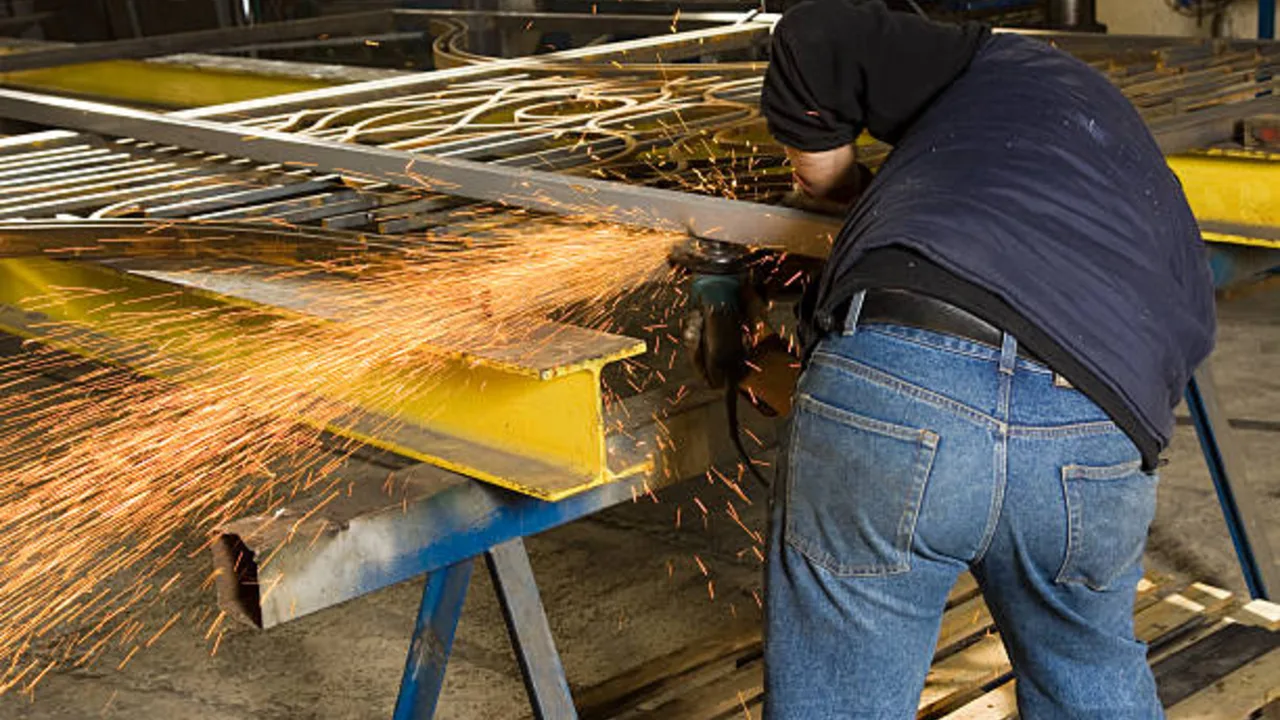
Despite its flexibility, onsite steel assembly also introduces several challenges. Weather conditions can delay installation, labor quality may vary, and prolonged site work increases safety risks. Additionally, onsite welding and fitting often result in inconsistent quality compared to controlled factory environments.
What Is Off-Site Steel Assembly?
Off-site steel assembly, often associated with prefabrication, involves manufacturing and pre-assembling steel components in a controlled factory environment before transporting them to the construction site for rapid installation.
Off-Site Assembly Process Explained
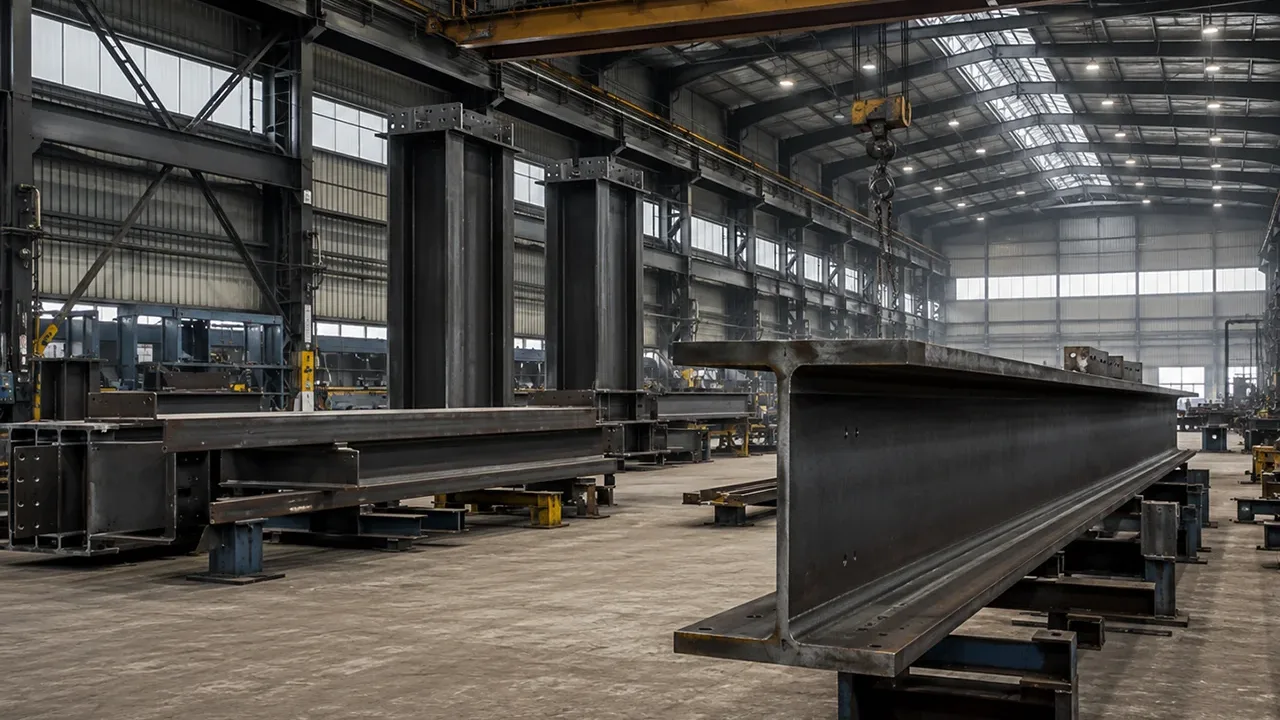
In offsite assembly, steel structures are fabricated, welded, and sometimes partially assembled in a factory. These modules or large components are then shipped to the site and installed using cranes and bolted connections. This approach significantly reduces on-site construction activities.
Benefits of Off-Site Steel Assembly
- Higher quality control: Factory conditions allow precise fabrication and consistent standards.
- Faster construction timelines: Parallel fabrication and site preparation shorten overall schedules.
- Improved safety: Less onsite welding and cutting reduces workplace hazards.
- Predictable costs: Reduced labor variability and fewer delays.
Limitations of Off-Site Assembly
Offsite steel assembly requires detailed upfront planning and accurate design coordination. Transportation constraints, such as road regulations and crane capacity, can limit module size. Changes after fabrication can also be more costly than in onsite assembly.
Onsite vs Offsite Steel Assembly: Key Comparison Factors
1. Construction Speed
When comparing onsite vs offsite steel assembly, offsite methods generally deliver faster project completion. Prefabrication allows fabrication and foundation work to proceed simultaneously, whereas onsite assembly relies heavily on sequential activities.
2. Quality and Precision
Offsite assembly typically offers superior dimensional accuracy and weld quality due to controlled manufacturing environments. Onsite assembly, while flexible, is more vulnerable to human error and environmental factors.
3. Cost Efficiency
Onsite assembly may appear cheaper initially due to lower fabrication costs, but extended timelines, rework, and labor inefficiencies often increase total project costs. Offsite assembly reduces waste, rework, and delays, resulting in better long-term cost control.
4. Construction Logistics
Logistics play a critical role in steel structure projects. Onsite assembly demands continuous material delivery, storage space, and skilled labor availability. Offsite assembly simplifies site logistics but requires careful transportation planning for large steel modules.
5. Safety and Risk Management
Reducing onsite activities directly improves safety performance. Offsite assembly minimizes high-risk operations such as welding at height, while onsite assembly exposes workers to longer periods of hazardous site conditions.
Which Assembly Method Is Better for Industrial Projects?
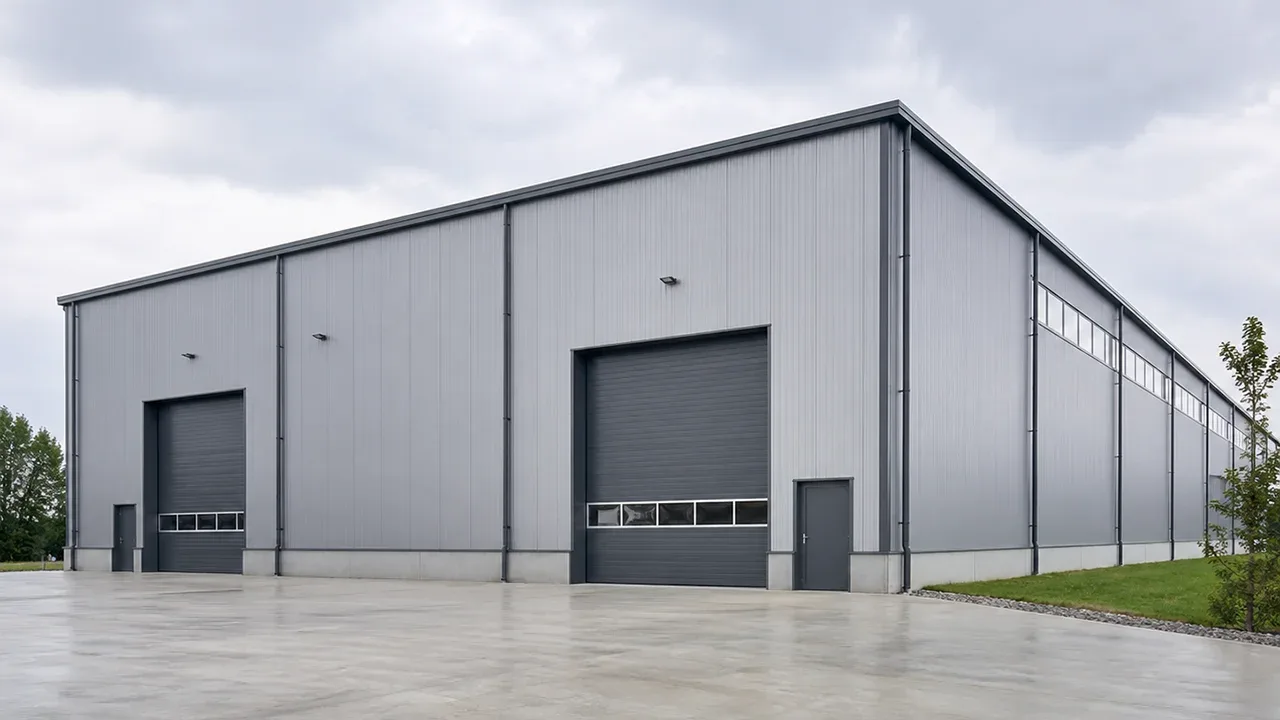
The answer depends on project scale, location, timeline, and operational requirements. Large industrial facilities with repetitive structural layouts, such as warehouses and factories, benefit significantly from offsite steel assembly. Smaller or highly customized projects may still favor onsite methods.
In international projects, especially those involving china construction steel structure solutions, offsite assembly has become increasingly popular. Chinese steel structure manufacturers leverage advanced fabrication capabilities to deliver high-precision prefabricated components for global export.
Impact of Prefabrication on Modern Steel Construction
Prefabrication has fundamentally reshaped modern steel construction by shifting critical production activities from unpredictable job sites to controlled factory environments. This transition has significantly improved project efficiency, sustainability, and overall delivery certainty. By adopting offsite steel assembly, contractors can standardize fabrication processes, reduce dependency on on-site labor, and minimize disruptions caused by weather, space constraints, and safety risks.
One of the most notable impacts of prefabrication is the reduction of material waste. Factory-based steel fabrication allows precise cutting, welding, and quality control, which minimizes off-cuts, rework, and scrap compared to traditional onsite assembly. This efficiency not only lowers material costs but also contributes to more sustainable resource usage across the construction lifecycle.
From an environmental perspective, offsite steel assembly supports greener construction practices. Shorter onsite construction durations mean reduced energy consumption, fewer emissions from temporary equipment, and less site-related pollution. In addition, optimized transportation planning and bulk material handling further reduce the carbon footprint compared to repeated small-scale deliveries typical of onsite assembly.
The integration of digital design tools, particularly Building Information Modeling (BIM), has further accelerated the adoption of prefabrication in steel construction. BIM enables precise coordination between structural design, fabrication detailing, and installation sequencing. Potential clashes and dimensional conflicts are identified and resolved during the design phase, significantly reducing costly corrections during installation.
With BIM-driven workflows, steel components can be fabricated to exact specifications, ensuring seamless fit-up during installation. This level of accuracy enhances installation speed, improves structural performance, and strengthens quality assurance across the project. As a result, offsite assembly becomes not only faster but also more predictable in terms of schedule and cost outcomes.
Prefabrication also improves supply chain coordination and construction logistics. Fabrication schedules can be aligned with site readiness, reducing storage needs and material congestion at the construction site. This just-in-time delivery approach enhances site safety, streamlines crane operations, and allows contractors to maintain better control over project sequencing.
As the construction industry continues to prioritize productivity, sustainability, and risk management, prefabrication is increasingly viewed as a strategic advantage rather than an alternative method. For large-scale industrial, commercial, and infrastructure projects, offsite steel assembly is becoming a core component of modern construction strategies, setting new standards for efficiency, quality, and environmental responsibility.
Choosing the Right Steel Assembly Strategy
To choose between onsite and offsite steel assembly, project stakeholders should evaluate:
- Project size and complexity
- Site accessibility and logistics constraints
- Available fabrication capabilities
- Timeline and budget priorities
- Safety and quality requirements
A hybrid approach is also increasingly common, combining offsite prefabrication with limited onsite assembly to balance flexibility and efficiency.
Conclusion: Onsite vs Offsite Steel Assembly
The debate between onsite vs offsite steel assembly is not about choosing a universally superior method, but about selecting the most suitable strategy for each project. Onsite assembly offers adaptability, while offsite assembly excels in speed, quality, and risk control.
For modern industrial and commercial developments, especially those focused on efficiency and scalability, offsite steel assembly is rapidly becoming the preferred solution. Understanding the strengths and limitations of both approaches enables better planning, smoother execution, and stronger project outcomes.