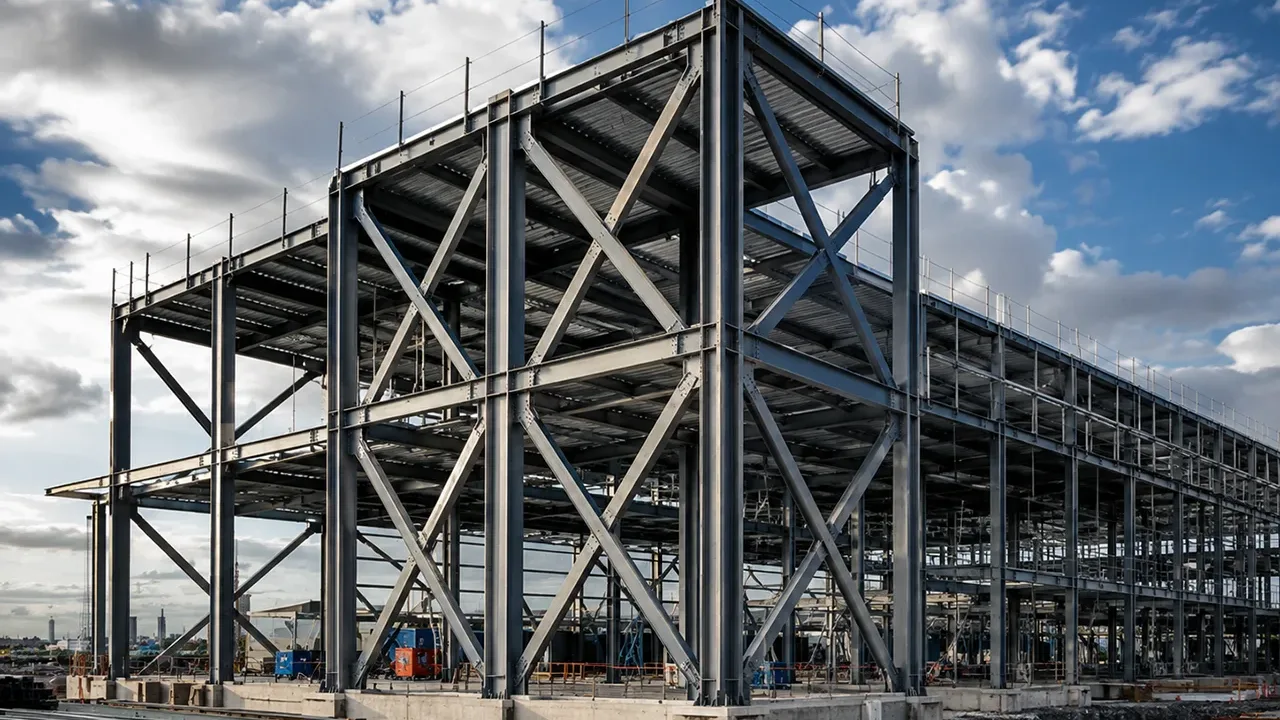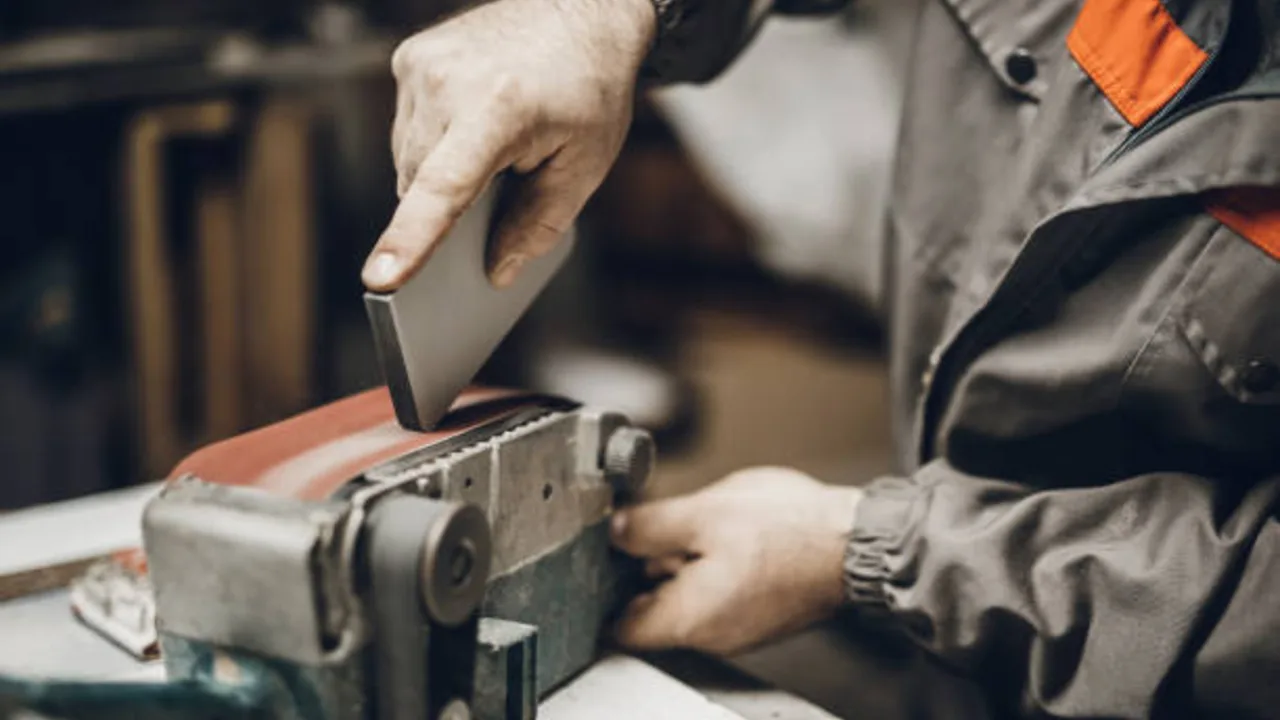
Selecting the right steel manufacturer is a critical decision in any industrial construction project. Steel structures are long-term assets that directly affect safety, performance, construction speed, and lifecycle costs. A poor supplier choice can lead to quality issues, delays, cost overruns, and compliance risks that impact the entire project.
Choosing steel manufacturer is not just about finding the lowest price. It requires a structured evaluation of technical capability, production capacity, quality control systems, and long-term reliability. For industrial projects with high load demands and strict timelines, supplier selection becomes a strategic decision rather than a procurement task.
This article explains how to choose a reliable steel manufacturer for industrial projects, focusing on supplier evaluation, capability review, and practical criteria that help decision-makers reduce risk and ensure project success.
Why Choosing the Right Steel Manufacturer Matters
Industrial steel projects involve complex engineering, precise fabrication, and coordinated logistics. The steel manufacturer plays a central role in translating design intent into physical structures that meet safety and performance standards.
A reliable manufacturer ensures:
- Consistent material quality and dimensional accuracy
- On-time delivery aligned with construction schedules
- Compliance with applicable codes and standards
- Stable production capacity for large or phased projects
Choosing the wrong manufacturer, on the other hand, can introduce risks that are difficult and expensive to correct once fabrication has begun.
Key Factors in Choosing a Steel Manufacturer
When evaluating potential suppliers, project teams should consider multiple criteria beyond pricing. A systematic approach to selection helps ensure long-term project reliability.
Manufacturing Capability and Capacity
One of the first steps in choosing steel manufacturer is assessing production capability. This includes:
- Workshop size and equipment availability
- CNC cutting, drilling, and automated welding systems
- Monthly and annual production capacity
- Ability to handle complex or heavy steel components
Manufacturers with limited capacity may struggle to meet tight schedules or large-volume requirements, increasing the risk of delays.
Quality Control Systems
A reliable steel manufacturer operates under a structured quality management system. This typically includes
- Incoming material inspection
- In-process dimensional checks
- Welding procedure qualification and inspection
- Final inspection and documentation
Clear quality procedures reduce the likelihood of rework and ensure fabricated components meet design specifications before leaving the factory.
Supplier Evaluation: Beyond Basic Credentials
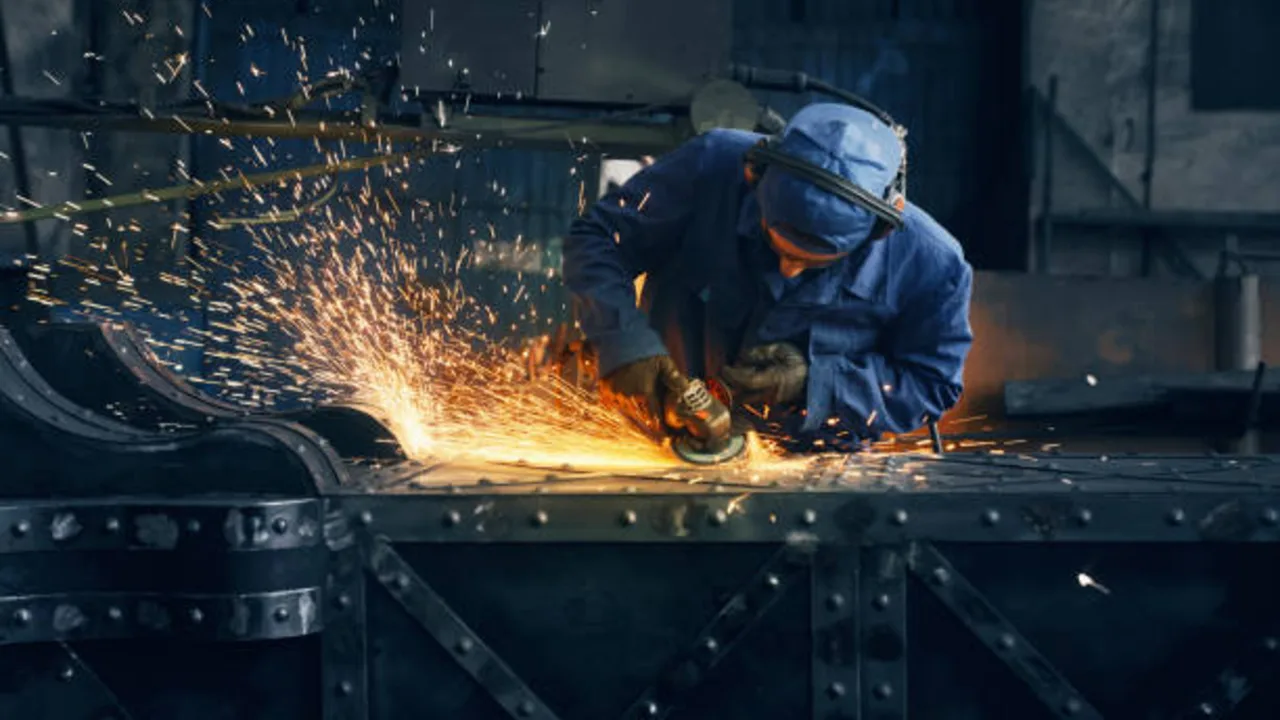
Effective supplier evaluation goes beyond reviewing brochures or certificates. It requires a deeper understanding of how the manufacturer operates on a day-to-day basis.
Certifications and Standards Compliance
Reputable manufacturers comply with international and regional standards such as ISO quality systems, welding certifications, and relevant structural steel codes. While certifications alone do not guarantee quality, they provide a baseline level of process control and accountability.
Project Experience and Track Record
Past project experience is a strong indicator of future performance. Evaluating completed projects helps determine whether the manufacturer has experience with:
- Industrial facilities and heavy-load structures
- Export-oriented or overseas projects
- Projects with similar scale and complexity
Manufacturers with a proven track record in comparable projects are generally better equipped to anticipate challenges and manage risks.
Capability Review: Technical and Operational Strength
A structured capability review focuses on both technical expertise and operational execution.
Engineering Support and Technical Coordination
Strong manufacturers provide engineering support during detailing, fabrication planning, and erection coordination. This includes:
- Shop drawing optimization
- Connection detailing and constructability review
- Coordination with designers and contractors
Early technical involvement can reduce fabrication complexity and avoid costly changes during construction.
Supply Chain and Material Control
Reliable manufacturers maintain stable relationships with raw material suppliers and implement traceability systems. Effective material control ensures:
- Consistent steel grade compliance
- Reduced risk of material shortages
- Predictable lead times
Supply chain stability is especially important in volatile steel markets.
Communication, Transparency, and Project Management
Clear communication is a critical but often overlooked selection factor. A dependable manufacturer provides:
- Transparent production schedules
- Regular progress reporting
- Responsive technical and commercial contacts
- Clear documentation and change management
Good communication reduces misunderstandings and allows project teams to respond quickly to issues before they escalate.
Cost vs. Value in Manufacturer Selection
While cost remains an important consideration, the lowest bid does not always represent the best value. Hidden costs often arise from:
- Poor fabrication accuracy
- Delays caused by capacity constraints
- Additional inspection or rework
- Coordination failures during erection
Choosing a qualified steel structure manufacturer with proven capability often results in lower total project cost, even if the initial price is not the cheapest.
Risk Management in Choosing Steel Manufacturer
Industrial projects benefit from a risk-based selection approach. Common risks to assess include:
- Production bottlenecks
- Quality non-conformance
- Logistics and export capability issues
- Financial stability of the supplier
Conducting factory audits, reviewing sample documentation, and engaging in pilot orders can help mitigate these risks before full-scale production begins.
Best Practices for Final Supplier Selection
To ensure a reliable outcome, project teams should:
- Shortlist manufacturers based on technical capability
- Conduct on-site or virtual factory audits
- Evaluate both price and execution reliability
- Establish clear contractual quality and delivery terms
A structured selection process leads to better alignment between project requirements and supplier performance.
Conclusion: Building Long-Term Success Through the Right Manufacturer
Choosing steel manufacturer is a strategic decision that directly influences the success of industrial projects. Beyond price, factors such as manufacturing capability, quality systems, engineering support, and communication determine whether a supplier can deliver reliable results.
By applying thorough supplier evaluation and capability review practices, developers and contractors can reduce risk, improve construction efficiency, and ensure steel structures that perform as intended over their full lifecycle.