Large industrial steel projects demand precision, speed, and reliability at every stage of execution. From factories and warehouses to power plants and logistics hubs, the success of these projects depends heavily on the manufacturer’s ability to deliver large volumes of steel components on time and to specification. One of the most decisive factors behind this capability is fabrication capacity.
Steel fabrication capacity refers to the overall ability of a steel manufacturer to process raw materials into finished structural components at the required scale, quality, and speed. In large industrial projects, limited fabrication capacity often becomes a hidden bottleneck, leading to delays, cost overruns, and coordination issues across the supply chain.
This article explores the role of fabrication capacity in large industrial steel projects, explaining how workshop capacity, equipment configuration, and production planning influence project outcomes.
Understanding Steel Fabrication Capacity
Steel fabrication capacity is more than a simple measure of how much steel a factory can produce per month. It reflects a combination of physical infrastructure, equipment capability, workforce organization, and production management systems.
In industrial-scale projects, fabrication capacity determines whether a manufacturer can:
- Handle high steel tonnage within fixed schedules
- Process complex or heavy structural components
- Maintain consistent quality across large production volumes
- Support phased or parallel project execution
A mismatch between project scale and fabrication capacity often results in extended lead times and reduced construction efficiency.
Workshop Capacity as a Core Production Factor

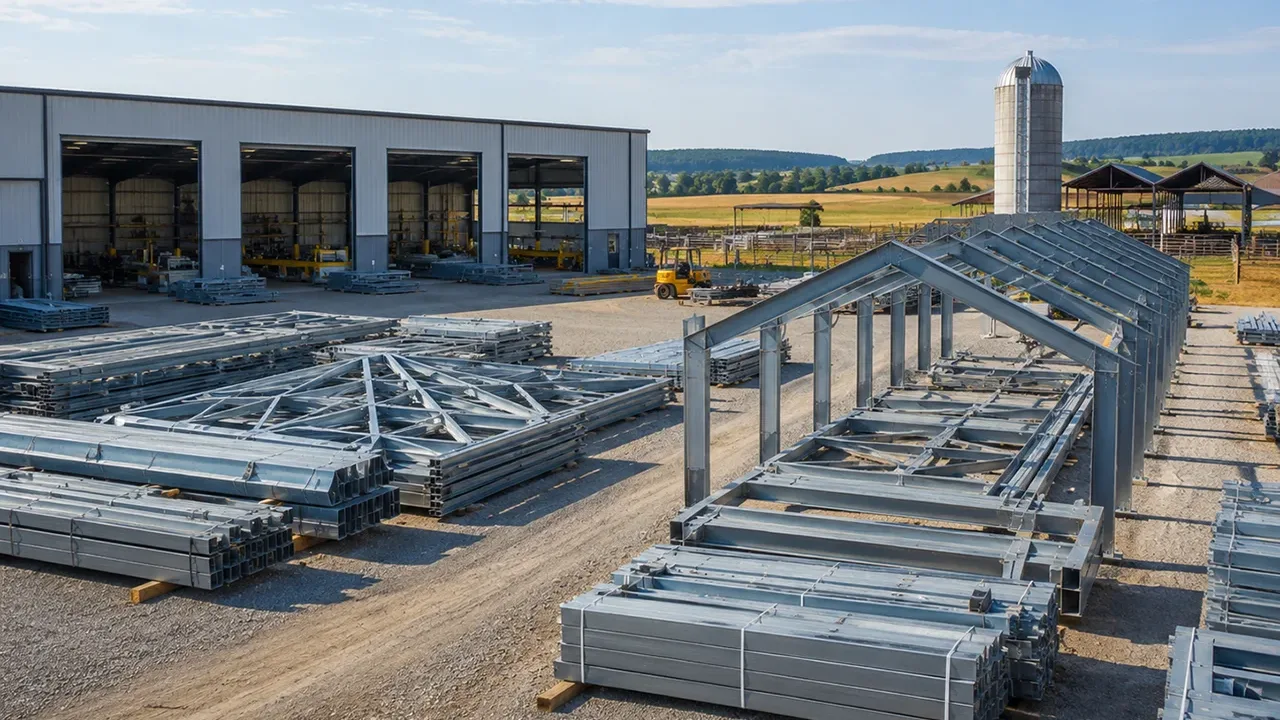
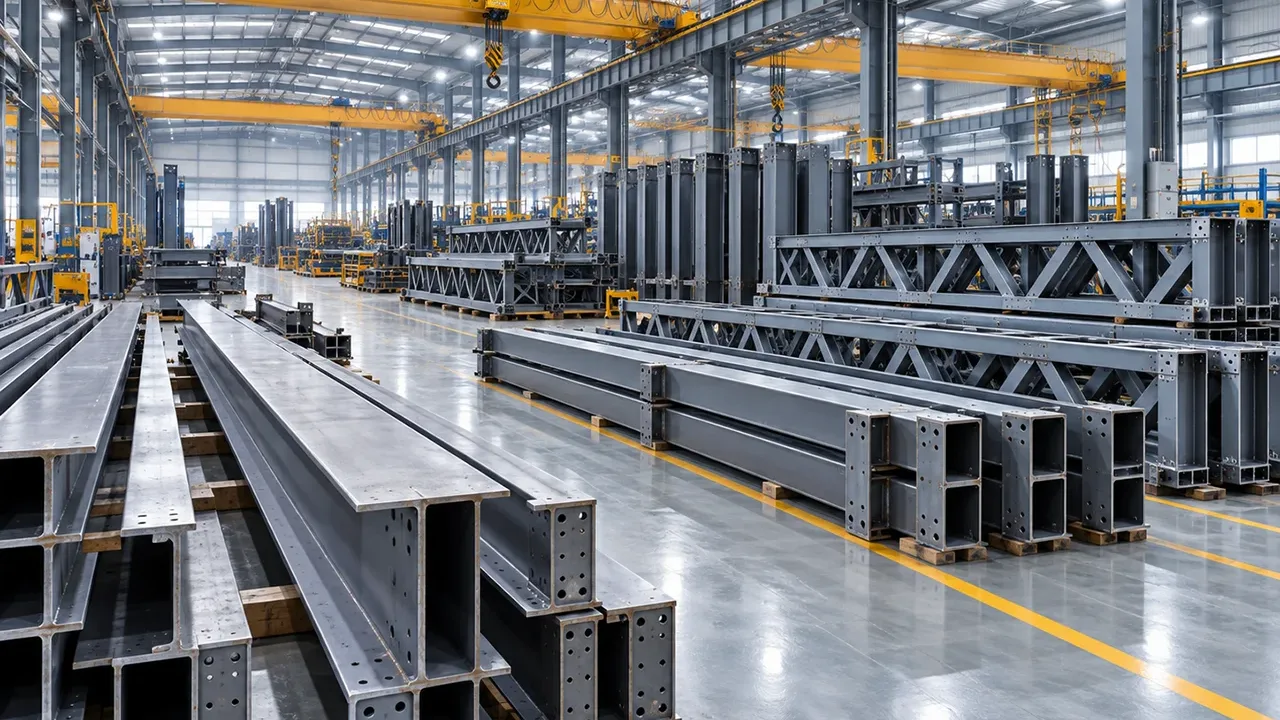
Workshop capacity defines the physical limits of a fabrication facility. This includes total workshop area, crane lifting capacity, and layout efficiency.
Key workshop-related capacity factors include:
- Number and size of fabrication bays
- Clear height and crane tonnage inside workshops
- Ability to fabricate oversized beams, columns, or trusses
- Material flow efficiency between workstations
Large industrial steel projects often require the simultaneous fabrication of multiple structural systems. Manufacturers with insufficient workshop capacity may be forced to sequence production inefficiently, slowing overall progress.
Equipment List and Its Impact on Fabrication Capacity
The available equipment list directly influences fabrication speed, accuracy, and scalability. Modern steel fabrication relies on a mix of automated and semi-automated machinery to achieve high output without sacrificing quality.
Critical equipment affecting fabrication capacity includes:
- CNC cutting machines for plates and profiles
- Automated drilling and punching lines
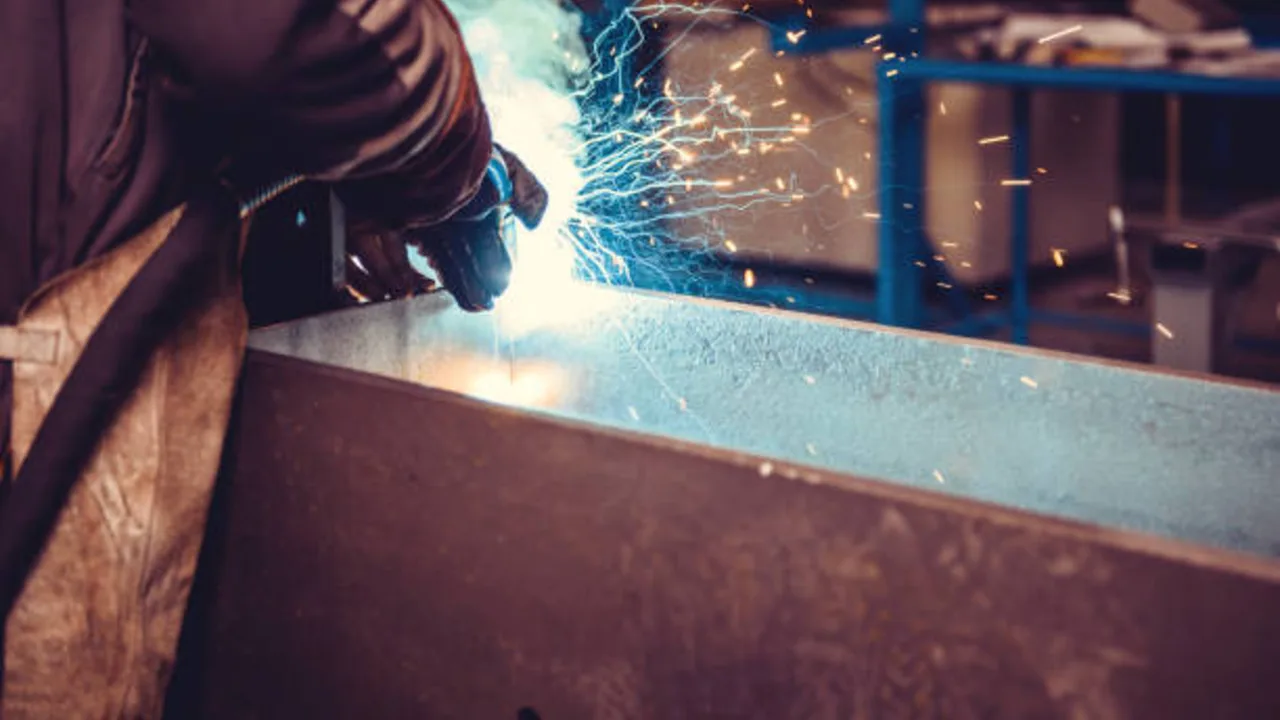
- Robotic or mechanized welding systems
- Surface treatment and coating facilities
Advanced equipment allows manufacturers to process higher volumes with tighter tolerances, reducing rework and improving downstream erection efficiency.
Automation vs. Manual Processing
While skilled labor remains essential, heavy reliance on manual processes limits scalability. Automated equipment increases consistency and throughput, especially in projects requiring repetitive components or strict dimensional control.
Fabrication Capacity and Project Scheduling
Fabrication capacity plays a direct role in determining project timelines. In large industrial steel projects, fabrication often runs in parallel with foundation works and site preparation.
Adequate capacity enables:
- Overlapping fabrication and construction phases
- Just-in-time delivery of steel components
- Reduced on-site storage requirements
- Improved coordination with erection teams
When capacity is insufficient, fabrication becomes the critical path, delaying subsequent construction activities and increasing indirect project costs.
Quality Control Under High Production Loads
High fabrication capacity must be supported by robust quality control systems. Scaling production without adequate inspection and process control increases the risk of defects.
Effective capacity-driven quality management includes:
- Standardized fabrication procedures
- In-process dimensional and welding inspections
- Dedicated quality teams aligned with production lines
- Digital tracking of fabrication progress and quality records
Large projects benefit from manufacturers that can scale output while maintaining consistent quality standards.
Capacity Matching for Large Industrial Projects
Not all steel manufacturers are suitable for large-scale industrial projects. Capacity matching ensures that the selected supplier’s fabrication capability aligns with project demands.
Key capacity evaluation questions include:
- What is the maximum monthly steel output?
- Can multiple projects be handled simultaneously?
- How flexible is production during schedule changes?
- Is there contingency capacity for urgent requirements?
Selecting a manufacturer with insufficient capacity introduces long-term risk, even if initial pricing appears competitive.
Role of Fabrication Capacity in Cost Control
Fabrication capacity has a direct impact on project cost performance. Limited capacity often leads to overtime labor, subcontracting, or fragmented production—all of which increase costs.
Manufacturers with strong capacity can:
- Optimize production sequencing
- Reduce unit fabrication costs through scale
- Minimize schedule-driven cost escalation
- Deliver predictable pricing for large orders
In this context, working with a qualified prefab steel structure manufacturer with proven fabrication capacity often results in lower total project cost rather than the lowest upfront quote.
Fabrication Capacity and Risk Management
From a risk perspective, fabrication capacity is a critical evaluation metric. Capacity constraints increase exposure to:
- Schedule slippage
- Inconsistent quality under production pressure
- Logistics congestion
- Reduced responsiveness to design changes
Conducting factory audits, reviewing production plans, and validating equipment availability are essential steps in mitigating these risks before contract award.
Conclusion: Why Fabrication Capacity Determines Project Success
In large industrial steel projects, fabrication capacity is not a secondary consideration—it is a core success factor. Workshop capacity, equipment capability, and production management systems collectively determine whether a manufacturer can deliver steel structures at scale, on time, and to specification.
By prioritizing steel fabrication capacity during supplier selection, project stakeholders can reduce risk, improve schedule reliability, and ensure that industrial steel projects achieve both technical and commercial objectives.