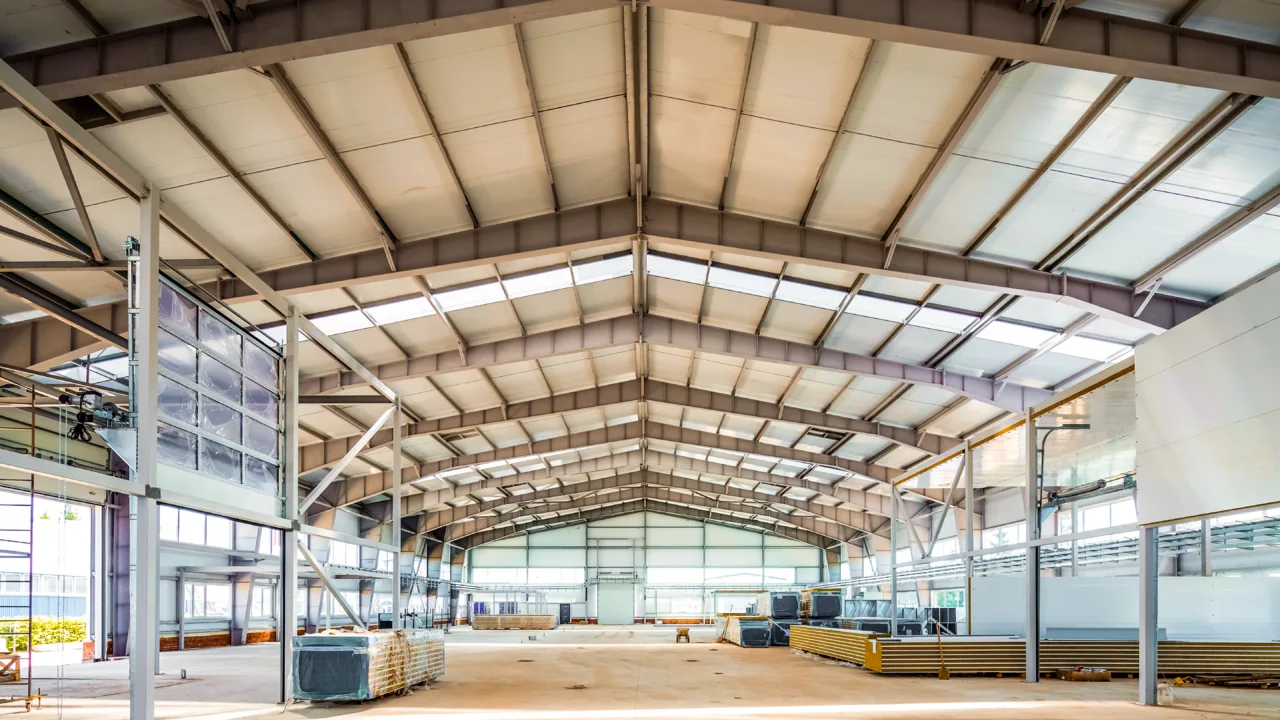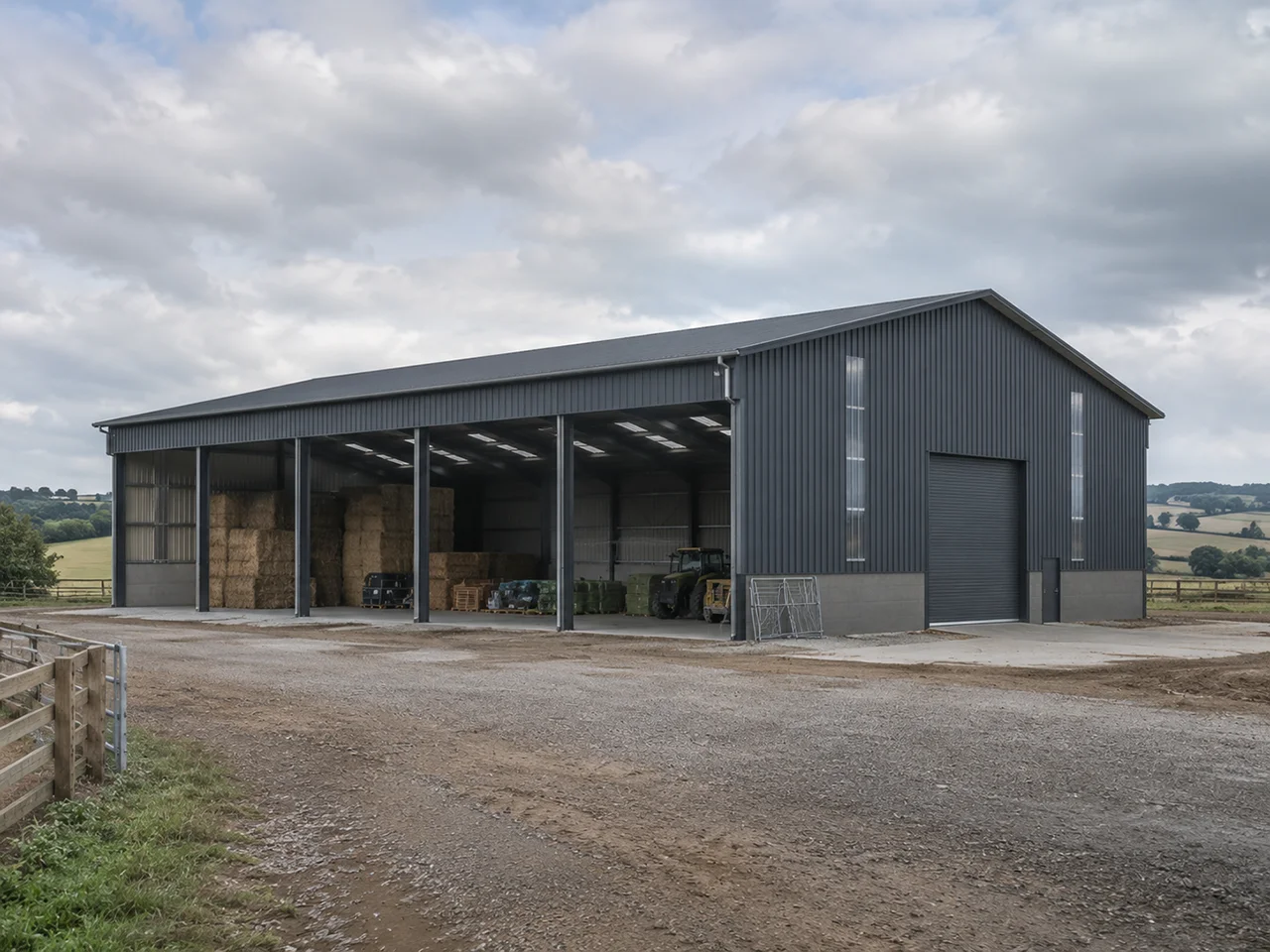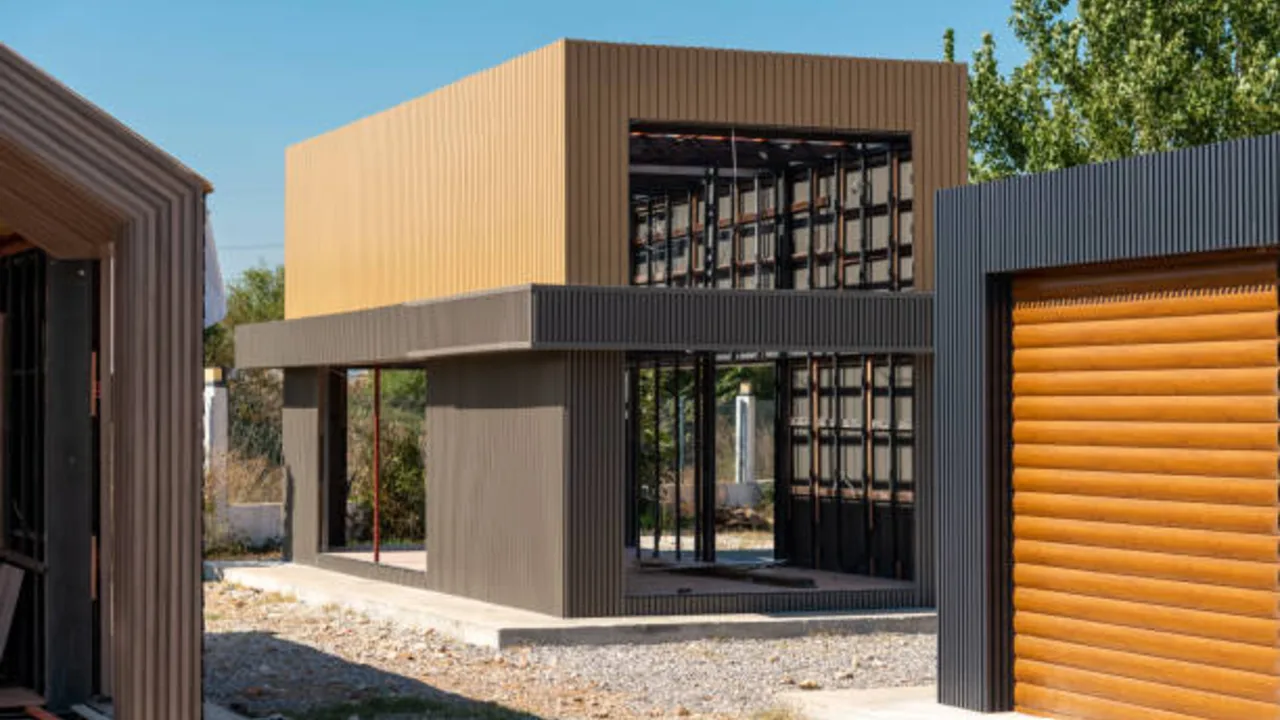
Prefab steel construction has become a global solution for industrial, commercial, and infrastructure projects seeking speed, consistency, and cost efficiency. As construction markets evolve, different regions have developed distinct approaches to prefabricated steel production based on local labor costs, regulations, technology adoption, and supply chain maturity.
Global prefab steel manufacturing refers to the diverse methods used worldwide to design, fabricate, and assemble steel components off-site before on-site installation. While the core principle of prefabrication remains the same, manufacturing strategies vary significantly across regions, influencing project performance, quality, and scalability.
This article compares prefab steel manufacturing methods across major global markets, highlighting modular systems, prefabrication trends, and the strategic considerations that shape modern steel construction worldwide.
Understanding Global Prefab Steel Manufacturing
Global prefab steel manufacturing involves the off-site production of structural steel components—such as beams, columns, frames, and modules—under controlled factory conditions. These components are then transported to construction sites for rapid assembly.
Key characteristics of global prefab steel manufacturing include:
- Factory-controlled quality and precision
- Reduced on-site labor requirements
- Shorter construction timelines
- Improved safety and predictability
Despite these shared benefits, manufacturing methods differ based on regional priorities, technological maturity, and project scale.
Prefab Steel Manufacturing Methods by Region
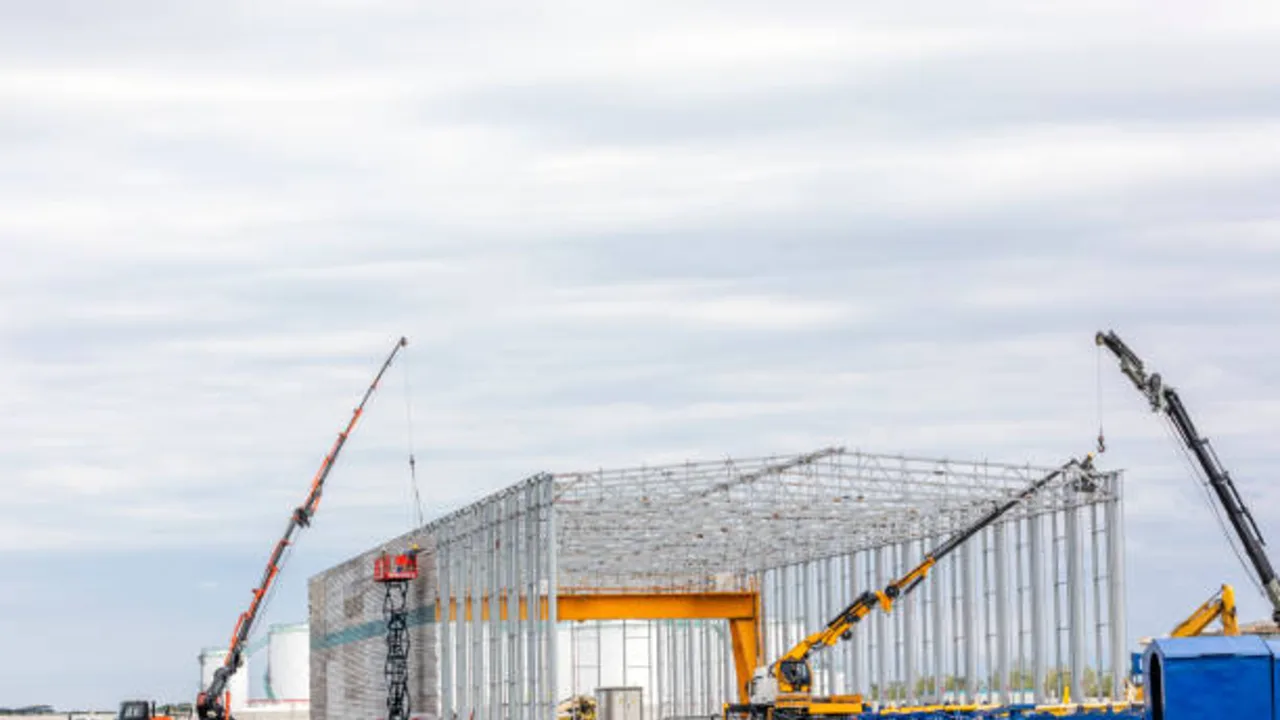
East Asia: High-Volume and Automation-Driven Production
East Asian markets emphasize large-scale production capacity and manufacturing efficiency. Prefab steel plants in this region often utilize:
- Automated CNC cutting and drilling lines
- Robotic welding systems
- Standardized connection details
- High-throughput fabrication workflows
This approach supports mass production for industrial parks, warehouses, and infrastructure projects, enabling competitive pricing and fast delivery for global export markets.
Europe: Precision Engineering and Regulatory Compliance
European prefab steel manufacturing focuses on engineering precision and strict compliance with structural and environmental standards. Common features include:
- Advanced digital modeling and BIM integration
- High tolerance fabrication requirements
- Strong emphasis on sustainability and material optimization
- Project-specific customization
European methods prioritize long-term performance and regulatory alignment, often resulting in higher unit costs but superior consistency and traceability.
North America: Hybrid Prefabrication and Modular Integration
In North America, prefab steel manufacturing often combines traditional steel fabrication with modular construction concepts. This hybrid model includes:
- Prefabricated steel frames integrated with modular building systems
- Regional fabrication networks serving local markets
- Strong coordination between manufacturers and general contractors
The focus is on constructability, logistics efficiency, and adaptability to diverse project types.
Middle East and Emerging Markets: Project-Driven Fabrication
Prefab steel manufacturing in emerging markets and the Middle East is frequently driven by large, project-specific requirements. Typical characteristics include:
- Custom-designed steel structures
- Temporary fabrication facilities near project sites
- High reliance on imported steel components
These methods prioritize speed and scalability for large industrial and infrastructure developments.
Role of Modular Systems in Global Prefab Steel Manufacturing
Modular systems play an increasingly important role in global prefab steel manufacturing. Instead of individual components, entire structural modules or building sections are fabricated off-site.
Benefits of modular steel systems include:
- Further reduction of on-site construction time
- Improved quality control at the module level
- Predictable installation sequences
- Reduced site congestion and safety risks
However, modular systems require careful planning for transportation, lifting, and interface coordination, which varies across regions depending on infrastructure and regulations.
Prefabrication Trends Shaping the Global Market
Current prefabrication trends in steel manufacturing reflect broader shifts in construction technology and project delivery models.
Key global trends include:
- Increased use of digital fabrication and CNC automation
- Standardization of structural components
- Integration of BIM with manufacturing execution systems
- Growing demand for sustainable and low-waste production
These trends are driving convergence in manufacturing methods, even as regional differences remain.
Quality Control and Standardization Across Regions
Quality control is a critical factor in global prefab steel manufacturing. Leading manufacturers implement:
- Material traceability systems
- Welding procedure qualification and inspection
- Dimensional verification at multiple production stages
- Comprehensive documentation for export projects
Standardization enables manufacturers to serve international markets while maintaining consistent performance across projects.
Cost, Logistics, and Supply Chain Considerations
Manufacturing methods in prefabricated steel construction are closely tied to cost structures and logistics strategies. In a global context, decisions made at the manufacturing stage directly influence not only production expenses but also transportation efficiency, installation speed, and overall project risk. As a result, global prefab steel manufacturing must carefully balance cost advantages with logistical feasibility and supply chain reliability.
One of the most significant factors is labor cost variation between regions. Countries with mature automation and lower labor costs can achieve high production efficiency at competitive pricing, while regions with higher labor expenses often rely on advanced machinery and process optimization to control costs. These differences shape where fabrication is most economically viable for large-scale or repetitive projects.
Transportation distance and component size also play a critical role in determining total project cost. Large or oversized steel components may reduce on-site assembly time but increase transportation complexity, requiring special permits, route planning, or multimodal shipping solutions. In contrast, smaller prefabricated elements may be easier to transport but require more on-site labor and coordination, shifting costs from logistics to installation.
Import and export regulations further affect manufacturing decisions. Tariffs, customs procedures, certification requirements, and local content rules can influence whether steel components are sourced domestically or internationally. Manufacturers serving global markets must ensure compliance with destination-country standards while maintaining predictable lead times and cost control.
Finally, supply chain stability has become a key consideration in global steel manufacturing. Volatility in raw material availability, energy prices, or transportation capacity can disrupt production schedules and increase costs. Reliable manufacturers mitigate these risks through diversified sourcing, long-term supplier relationships, and inventory planning strategies.
Efficient coordination between fabrication plants and construction sites is essential to realizing the full cost advantages of prefabrication. When manufacturing, logistics, and site execution are aligned, projects benefit from reduced delays, lower risk exposure, and more predictable budgets—making prefabricated steel a scalable and resilient solution for global construction demands.
Choosing the Right Manufacturing Method for Global Projects
Selecting an appropriate prefab steel manufacturing approach depends on project requirements, schedule constraints, and regional conditions. Decision-makers should evaluate:
- Project scale and repetition level
- Local construction regulations
- Logistics feasibility
- Manufacturer capability and experience
Working with an experienced fabricated steel structure manufacturer ensures that manufacturing methods align with both technical and commercial project goals.
Conclusion: Global Diversity, Shared Principles
Global prefab steel manufacturing reflects a balance between regional diversity and shared industrial principles. While automation levels, regulatory frameworks, and project delivery models differ worldwide, the core advantages of prefabrication—speed, quality, and predictability—remain universal.
By understanding global manufacturing methods, modular systems, and emerging prefabrication trends, project stakeholders can make informed decisions that optimize performance, cost, and long-term value in steel construction projects.