Steel factory buildings play a critical role in modern industrial production, supporting heavy equipment, overhead cranes, high traffic loads, and flexible manufacturing layouts. Unlike conventional commercial buildings, factories demand structural systems that prioritize strength, adaptability, and long-term operational efficiency.
Steel factory design considerations directly influence not only construction cost and buildability, but also production efficiency, safety, and future expansion potential. Decisions made during the structural design phase affect how machinery is installed, how loads are transferred, and how easily the facility can adapt to changing industrial requirements.
This article explores the key structural design considerations for steel factory buildings, with a focus on crane load, column spacing, and other essential engineering factors that shape durable and efficient industrial facilities.
Understanding Steel Factory Design Considerations
Steel factory design considerations refer to the structural and engineering factors that must be evaluated when planning, designing, and constructing industrial steel buildings. Unlike standard warehouses or commercial facilities, steel factories are exposed to heavier loads, continuous dynamic forces, and demanding operational requirements that directly affect structural performance and service life.
These buildings must support not only the weight of the structure itself, but also heavy machinery, overhead cranes, material handling systems, and high-intensity production activities. As a result, structural design decisions play a critical role in ensuring safety, productivity, and long-term operational reliability.
Key objectives of steel factory structural design include:
Supporting heavy static and dynamic loads
Steel factory buildings are required to carry significant static loads from equipment, machinery foundations, and storage systems, as well as dynamic loads generated by crane movements, machinery vibration, and material handling operations. Structural members must be designed with adequate strength, stiffness, and fatigue resistance to prevent excessive deflection, vibration, or long-term degradation.
Ensuring safe and efficient crane operation
Overhead cranes impose complex load conditions, including vertical lifting forces, horizontal surge loads, braking forces, and impact effects. Proper structural design ensures that crane runway beams, columns, and foundations can safely transfer these loads without compromising structural stability or crane performance. Poorly designed crane-supporting structures can lead to operational inefficiencies, increased maintenance, or safety risks.
Optimizing interior space for production flow
Efficient production requires clear, unobstructed interior spaces that allow flexible equipment layout and smooth material movement. Structural grid layout, column spacing, and roof system selection directly influence how effectively production lines are arranged. Optimized structural planning reduces internal obstructions while maintaining economical steel usage.
Allowing flexibility for future equipment upgrades
Industrial facilities often evolve over time as production capacity increases or processes change. Steel factory design considerations should account for potential future upgrades such as heavier cranes, additional machinery, or expanded production lines. Designing columns, foundations, and crane systems with reserve capacity allows modifications without extensive structural reinforcement or downtime.
A well-designed steel factory balances structural safety, constructability, and operational efficiency throughout its service life. By integrating structural performance requirements with production needs and future adaptability, steel factory buildings can support long-term industrial growth while minimizing lifecycle costs and operational disruption.
Crane Load as a Primary Structural Design Factor
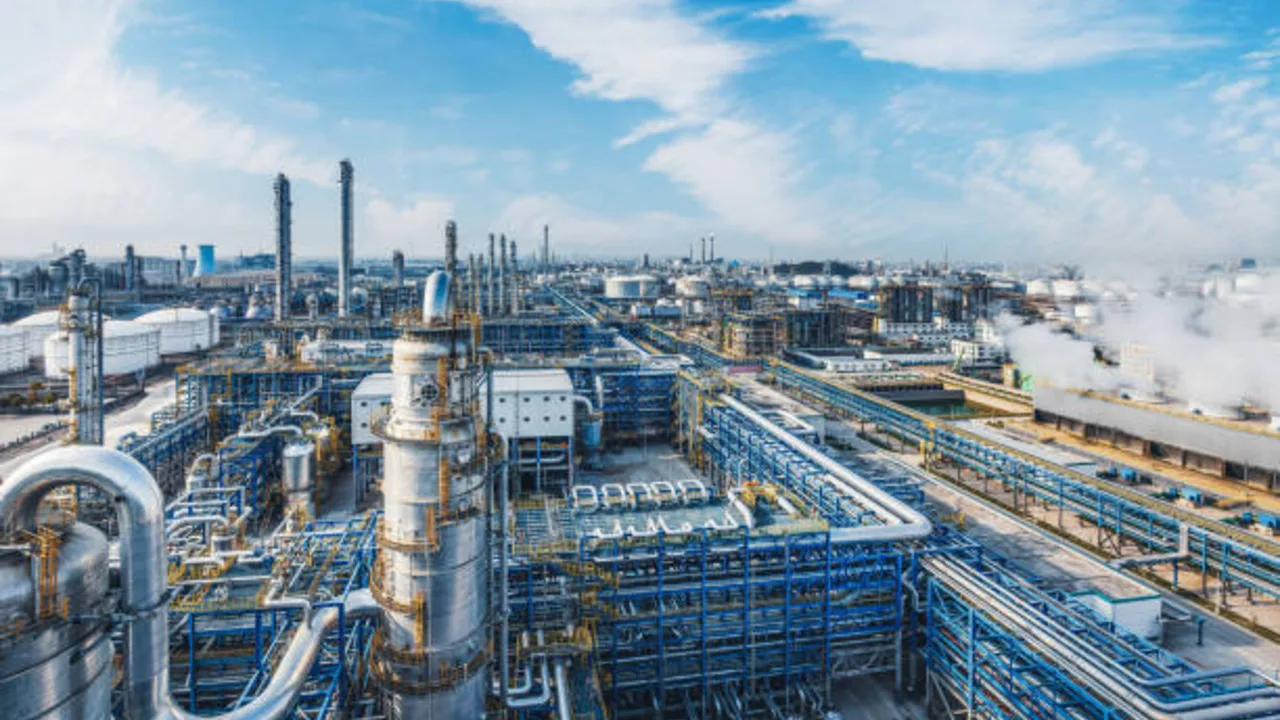
Crane load is one of the most critical considerations in steel factory buildings. Overhead cranes introduce significant vertical, horizontal, and dynamic loads that must be accurately accounted for during structural design.
Key crane-related design aspects include:
- Maximum lifting capacity and duty class
- Crane runway beam design
- Horizontal surge and braking forces
- Impact and fatigue loading
Crane loads are transferred through runway beams to columns and foundations, making it essential to design these components as an integrated system. Underestimating crane forces can lead to excessive deflection, vibration issues, or long-term structural damage.
Dynamic and Fatigue Considerations
Unlike static loads, crane operations generate repetitive and dynamic forces. Proper allowance for fatigue effects is crucial, especially in factories with continuous or high-frequency crane usage. Structural members must be designed with sufficient stiffness and durability to maintain performance over decades of operation.
Column Spacing and Structural Grid Optimization
Column spacing directly impacts both structural efficiency and factory functionality. Wider column spacing improves equipment layout flexibility and production flow but requires larger structural members to span longer distances.
Key factors influencing column spacing include:
- Production line layout and machinery footprint
- Crane span and runway configuration
- Roof system type and load distribution
- Economic balance between steel tonnage and functionality
Optimized column grids reduce internal obstructions while maintaining cost-effective structural solutions. Early coordination between structural engineers and production planners is essential to achieve the right balance.
Load Path and Structural Stability
Steel factory buildings must safely transfer all applied loads—from roof dead loads to crane forces—down to the foundation system. A clear and continuous load path is fundamental to structural safety.
Key stability considerations include:
- Lateral load resistance (wind and seismic)
- Bracing systems and moment frames
- Connection design and detailing
- Foundation interaction and settlement control
Proper bracing and frame design ensure that factory buildings remain stable under both operational and environmental loads.
Roof System and Vertical Clearance Requirements
Roof design in steel factory buildings must account for equipment clearance, ventilation systems, and crane hook height requirements. The roof structure often governs the overall building height and influences both construction cost and operational usability.
Design considerations include:
- Clear height below crane hook
- Roof slope and drainage requirements
- Integration with lighting and ventilation systems
- Allowance for future equipment installation
Efficient roof systems maximize usable vertical space while maintaining structural efficiency.
Foundation Design and Ground Conditions
Foundations for steel factory buildings must support concentrated column loads and crane-induced forces. Soil conditions, groundwater levels, and seismic requirements significantly influence foundation type and cost.
Foundation design typically considers:
- Column base reactions
- Crane load transfer to foundations
- Differential settlement control
- Expansion joints and movement allowance
Accurate geotechnical investigations are essential to ensure long-term structural performance.
Design for Expansion and Operational Flexibility
Industrial facilities often evolve as production demands change. Steel factory design considerations should include provisions for future expansion without major structural disruption.
Common flexibility strategies include:
- End-bay expansion capability
- Reserve capacity in columns and foundations
- Modular structural systems
- Adaptable crane runway extensions
Designing for flexibility reduces long-term capital expenditure and supports sustainable industrial growth.
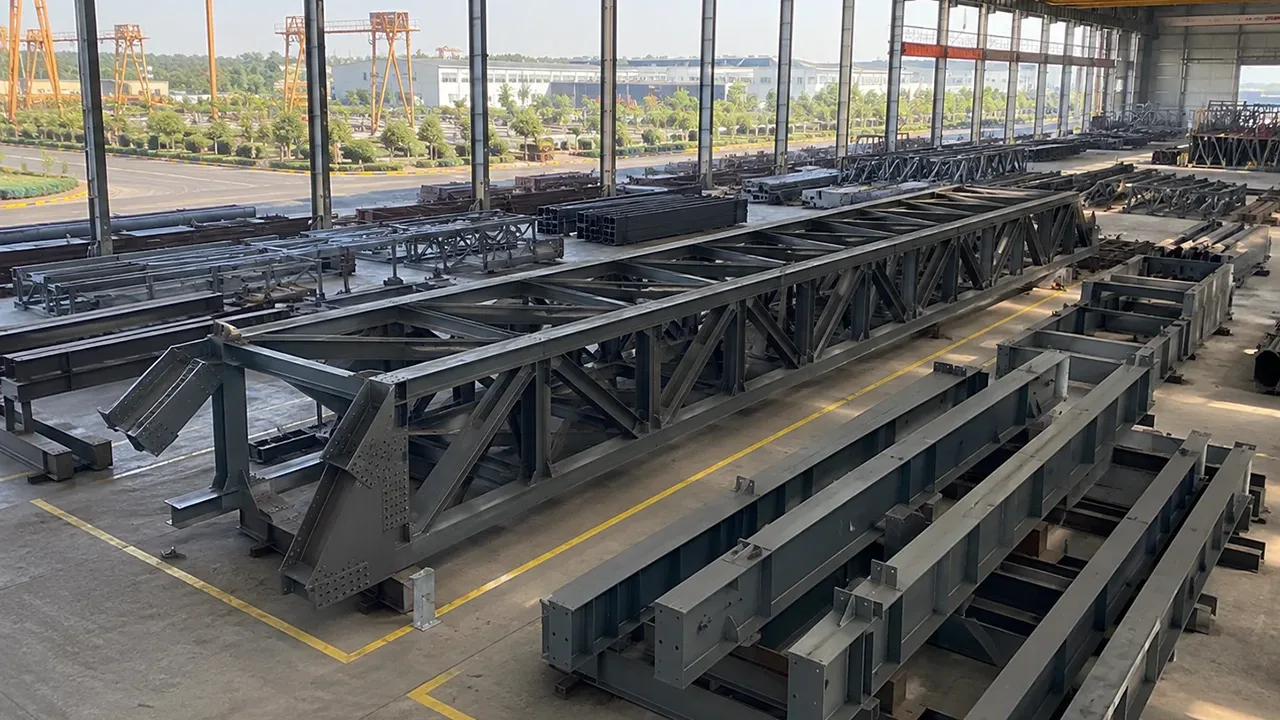
Integration with Fabrication and Construction Methods
Structural design should align with fabrication capabilities and construction sequencing. Efficient detailing and standardized components improve manufacturing accuracy and reduce on-site installation time.
Working with an experienced steel structure factory building partner ensures that design intent is effectively translated into fabricated components, resulting in better cost control and construction efficiency.
Conclusion: Designing Efficient and Durable Steel Factory Structures
Structural design considerations for steel factory buildings extend beyond basic load calculations. Crane load, column spacing, stability systems, and future adaptability all play vital roles in creating efficient and durable industrial facilities.
By addressing these considerations early in the design process, project stakeholders can achieve safer structures, smoother operations, and long-term value from their steel factory investments.