The construction industry is entering a new phase of transformation driven by speed, precision, and digital integration. Among the most influential developments shaping this shift is the rise of prefabricated steel engineering. As global demand for industrial facilities, warehouses, infrastructure, and commercial buildings continues to grow, stakeholders are increasingly looking toward smarter, faster, and more scalable construction solutions.
Future prefab steel engineering represents the convergence of advanced manufacturing, digital technology, and sustainable construction practices. Rather than relying on traditional, labor-intensive on-site processes, prefabricated steel systems are redefining how buildings are designed, fabricated, assembled, and managed throughout their lifecycle.
This article explores the key trends shaping the future of prefabricated steel engineering, with a focus on automation, digital twin technology, and how these innovations are changing the way steel structures are delivered worldwide.
The Evolution of Prefabricated Steel Engineering
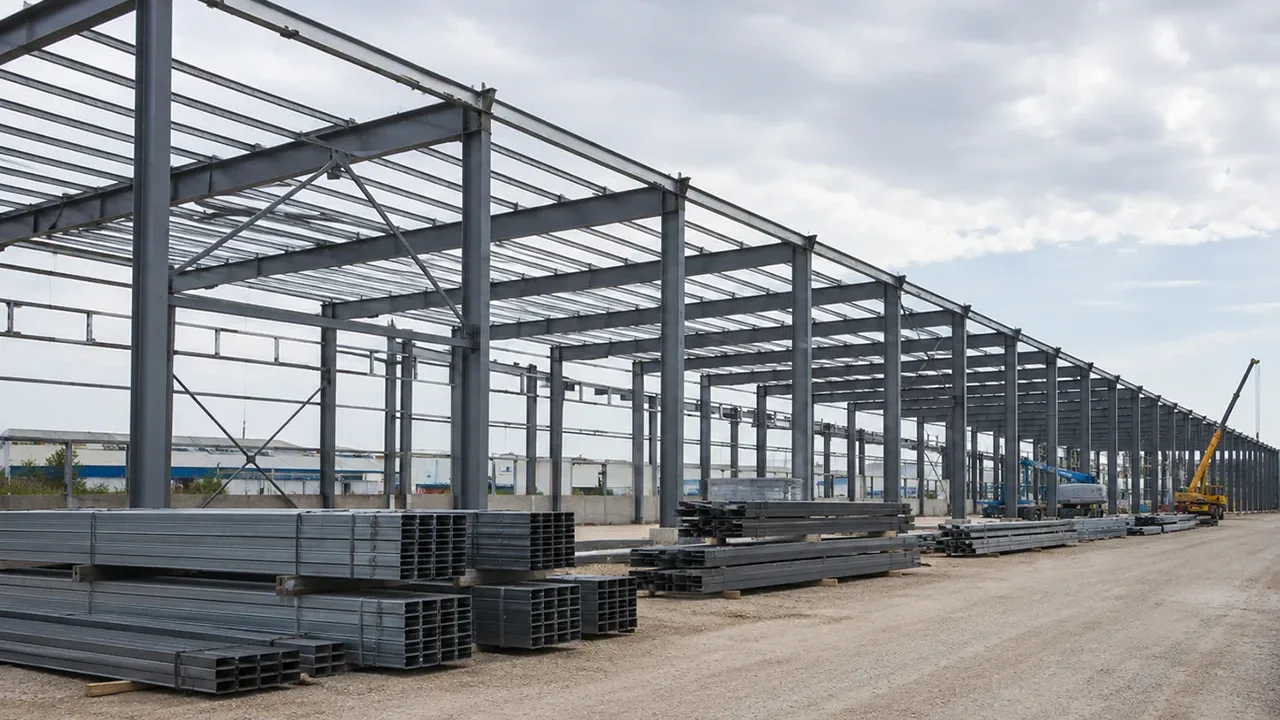
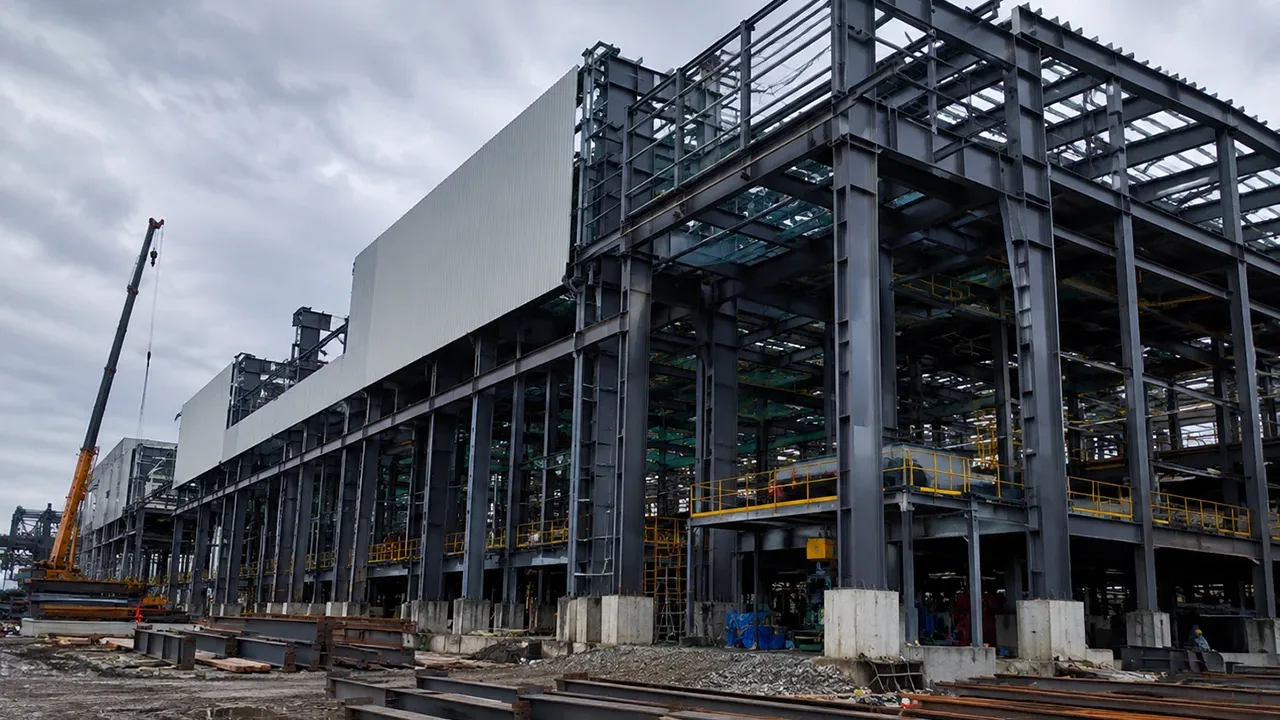
Prefabricated steel engineering has evolved far beyond basic modular frames and standardized components. Modern systems now integrate high-precision fabrication, digital design tools, and data-driven workflows that allow projects to move from concept to completion with unprecedented efficiency.
In the past, prefabrication was often associated with cost-saving or temporary structures. Today, it is a core strategy for delivering complex, high-performance steel buildings across sectors such as manufacturing, logistics, energy, and infrastructure. The future of prefab steel engineering lies not just in off-site production, but in the intelligent coordination of design, fabrication, and assembly.
Automation as a Core Driver of Future Prefab Steel Engineering
One of the most transformative forces shaping future prefab steel engineering is automation. Automated systems are rapidly replacing manual and semi-manual processes in steel fabrication plants, improving consistency, accuracy, and productivity.
Key automation trends include:
- Robotic welding and cutting for consistent joint quality
- CNC-controlled drilling, punching, and profiling machines
- Automated material handling and sorting systems
- Real-time production monitoring and quality tracking
Automation reduces human error, shortens production cycles, and enables factories to scale output without proportionally increasing labor costs. For prefabricated steel engineering, this means faster turnaround times and tighter control over dimensional accuracy—critical factors for seamless on-site assembly.
Digital Twin Technology and Intelligent Steel Structures
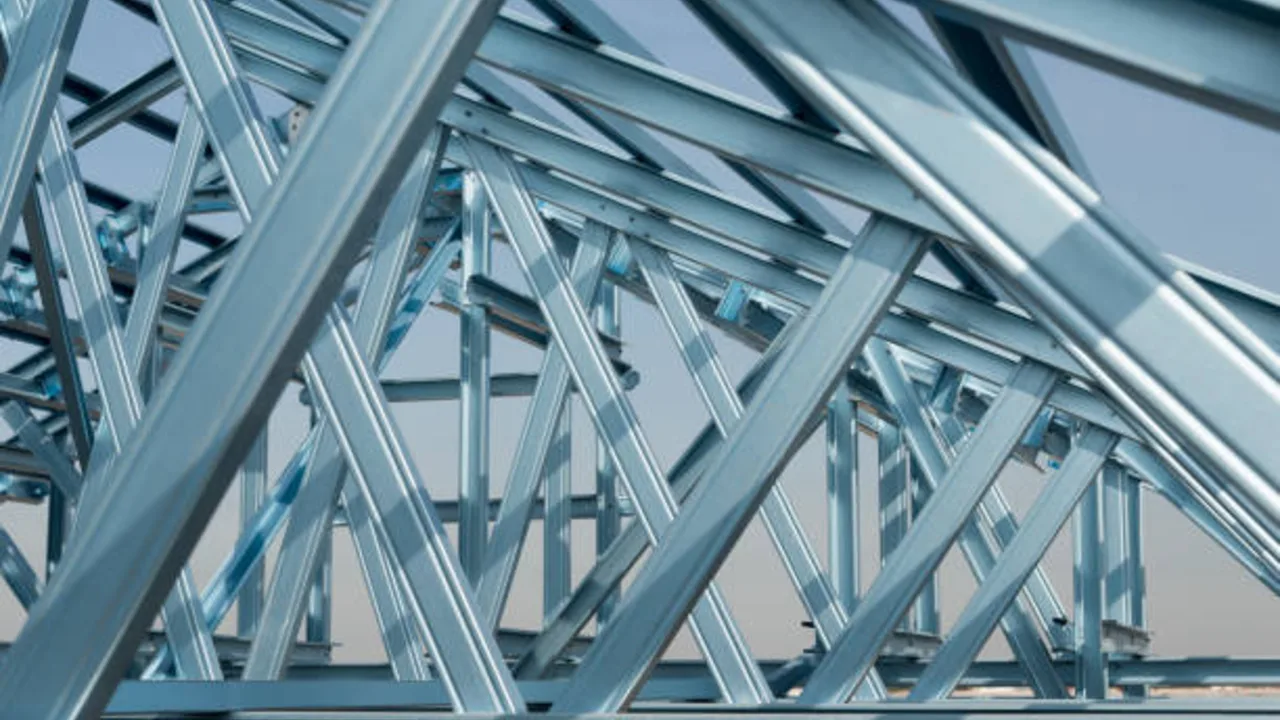
Another defining trend in the future of prefabricated steel engineering is the adoption of digital twin technology. A digital twin is a virtual replica of a physical steel structure that mirrors its geometry, materials, connections, and performance data in real time.
In prefabricated steel projects, digital twins are used to:
- Simulate fabrication and assembly sequences
- Detect clashes and design conflicts before production
- Optimize structural performance and material usage
- Monitor construction progress and installation accuracy
By integrating digital twins with BIM and manufacturing systems, engineers can test scenarios, predict risks, and refine designs before any steel is cut. This approach significantly reduces rework, improves coordination between stakeholders, and enhances overall project reliability.
Design for Manufacture and Assembly (DfMA)
Design for Manufacture and Assembly (DfMA) is becoming a foundational principle in future prefab steel engineering. Instead of designing structures solely from an architectural or structural perspective, DfMA focuses on how components will be fabricated, transported, and assembled.
Key DfMA considerations include:
- Standardized connection details
- Optimized module sizes for transport
- Reduced number of unique components
- Ease of on-site bolting and alignment
DfMA enables prefabricated steel systems to be assembled faster, safer, and with fewer skilled labor requirements on site. This is particularly important in regions facing labor shortages or strict construction timelines.
Integration with Smart Construction Ecosystems
Future prefab steel engineering does not exist in isolation—it is increasingly integrated into broader smart construction ecosystems. These ecosystems connect design software, fabrication equipment, logistics planning, and on-site management through shared data platforms.
Benefits of this integration include:
- Real-time coordination between factory and construction site
- Improved logistics planning and delivery sequencing
- Enhanced transparency for project owners and contractors
- Data-driven decision-making throughout the project lifecycle
As data connectivity improves, prefabricated steel projects will become more predictable, traceable, and resilient to disruptions.
Sustainability and Resource Efficiency
Sustainability is a major driver behind the future of prefabricated steel engineering. Steel is inherently recyclable, and prefabrication minimizes material waste, site disturbance, and rework.
Future-focused prefab steel solutions emphasize:
- Optimized material usage through precise engineering
- Reduced carbon footprint via off-site manufacturing
- Lower construction waste compared to traditional methods
- Structures designed for disassembly and reuse
When combined with automation and digital design tools, prefabricated steel engineering offers a powerful pathway toward more sustainable construction practices.
Globalization and Cross-Border Steel Engineering
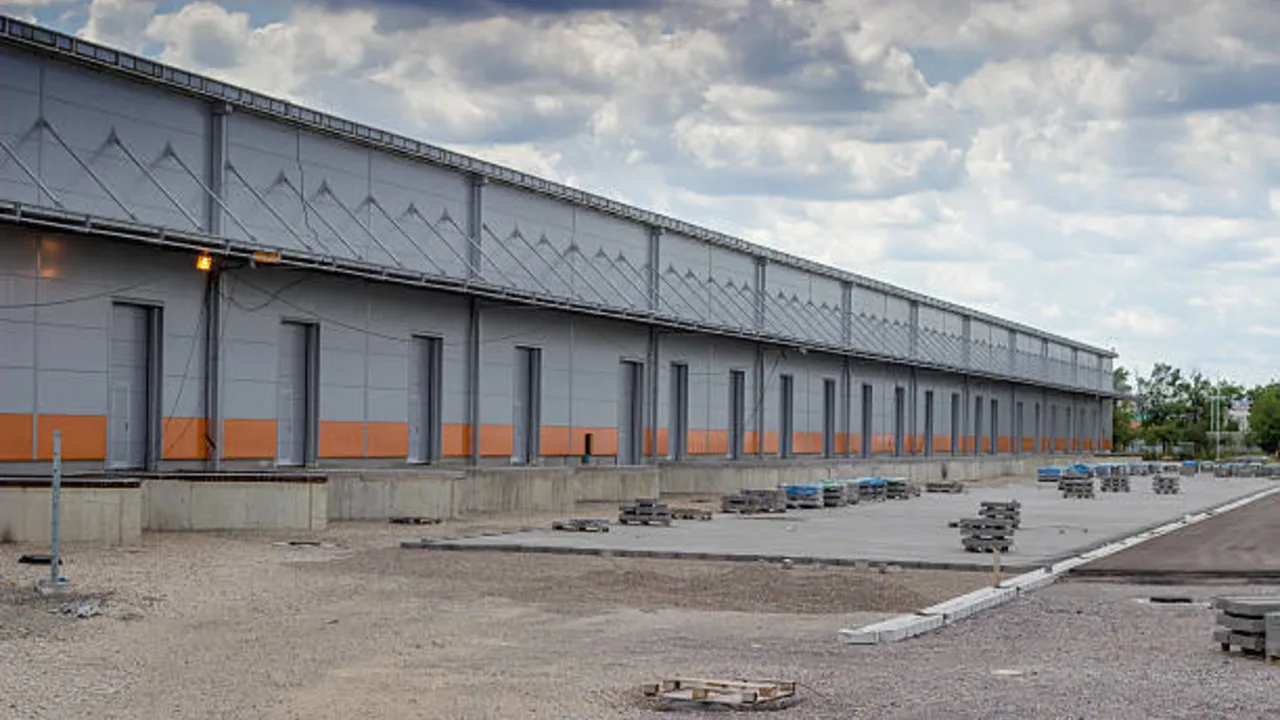
As prefabricated steel engineering matures, it is increasingly applied in cross-border projects where components are designed and manufactured in one country and assembled in another. This model relies heavily on standardization, digital coordination, and precise quality control.
Many global developers and contractors now source complete systems from specialized suppliers, including china prefabricated steel structure building solutions, to meet cost, quality, and delivery requirements for international projects.
The future will see even tighter integration between global supply chains, digital platforms, and prefabricated steel engineering standards.
Challenges and Skills for the Future
Despite its advantages, future prefab steel engineering also presents challenges. These include the need for:
- Skilled engineers with digital and manufacturing expertise
- Upfront investment in automation and software
- Alignment with local building codes and regulations
- Change management within traditional construction teams
Addressing these challenges will require collaboration between designers, manufacturers, contractors, and regulators to fully unlock the potential of prefabricated steel systems.
Conclusion: The Future of Prefabricated Steel Engineering
The future of prefabricated steel engineering is defined by intelligence, integration, and industrialization. Automation and digital twin technologies are reshaping how steel structures are designed and delivered, while DfMA and smart construction ecosystems are improving efficiency across the entire value chain.
As the industry continues to evolve, prefabricated steel engineering will play a central role in delivering faster, safer, and more sustainable buildings worldwide—setting a new standard for modern construction.