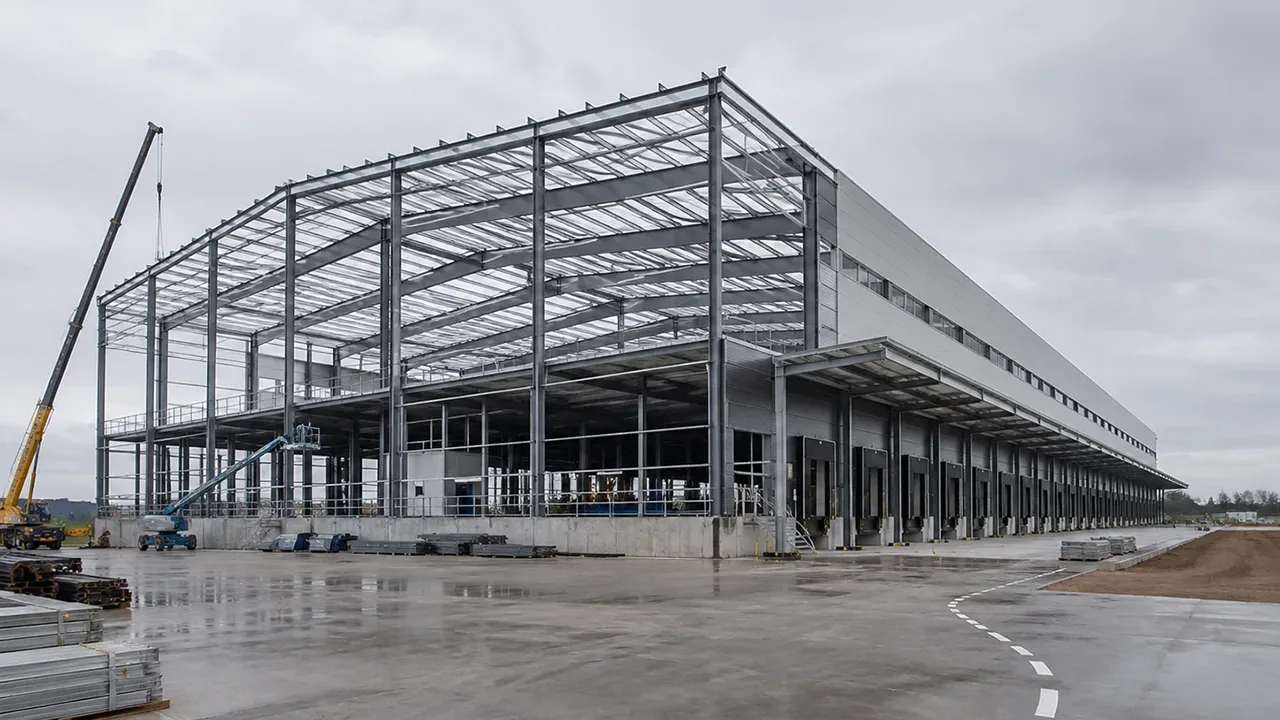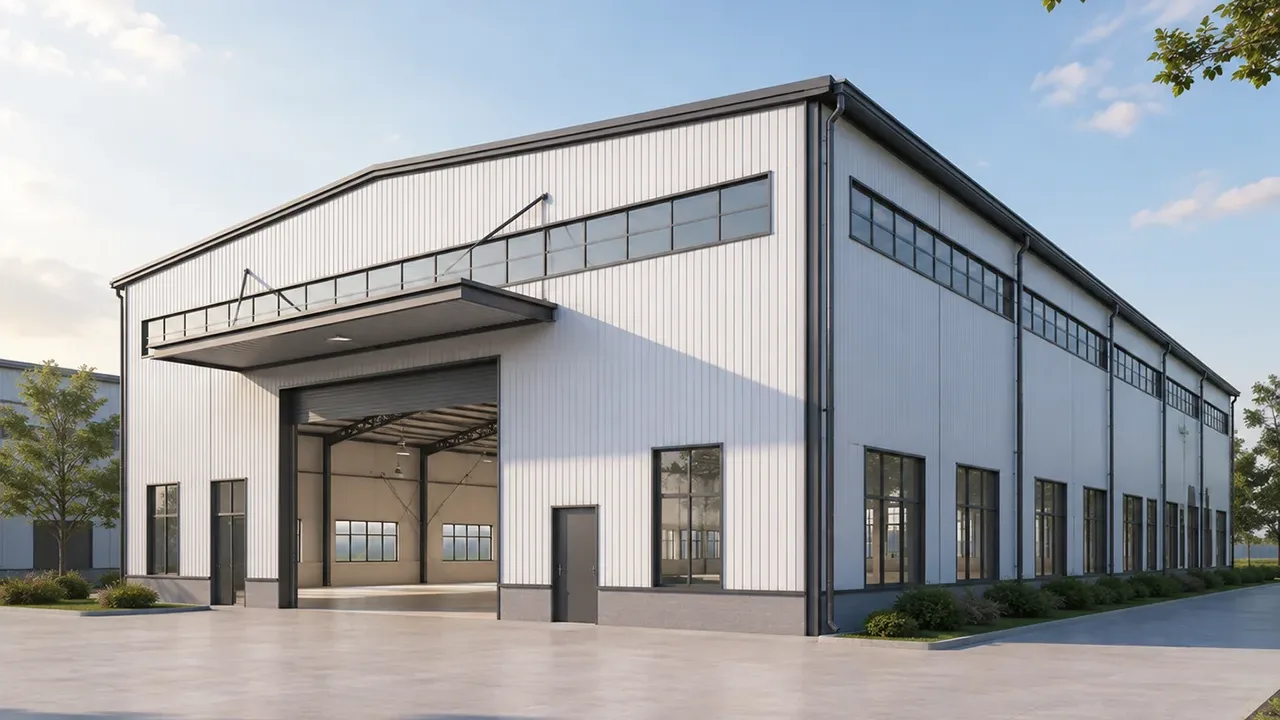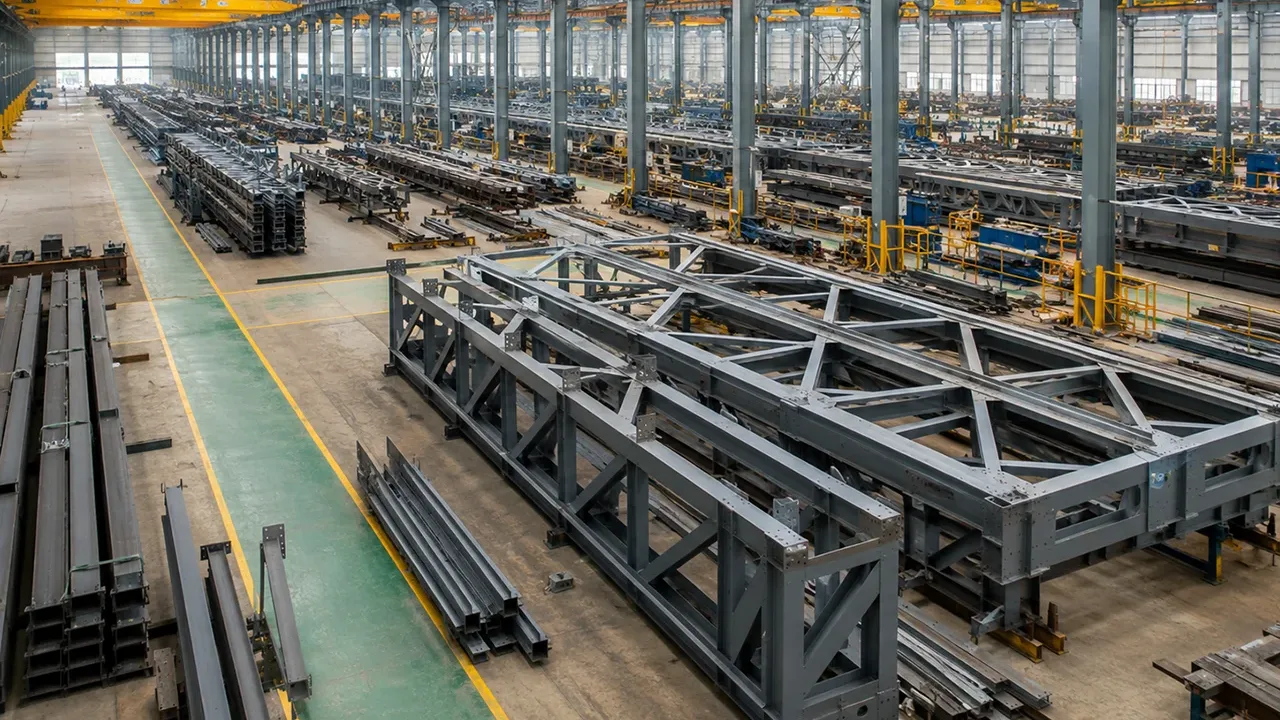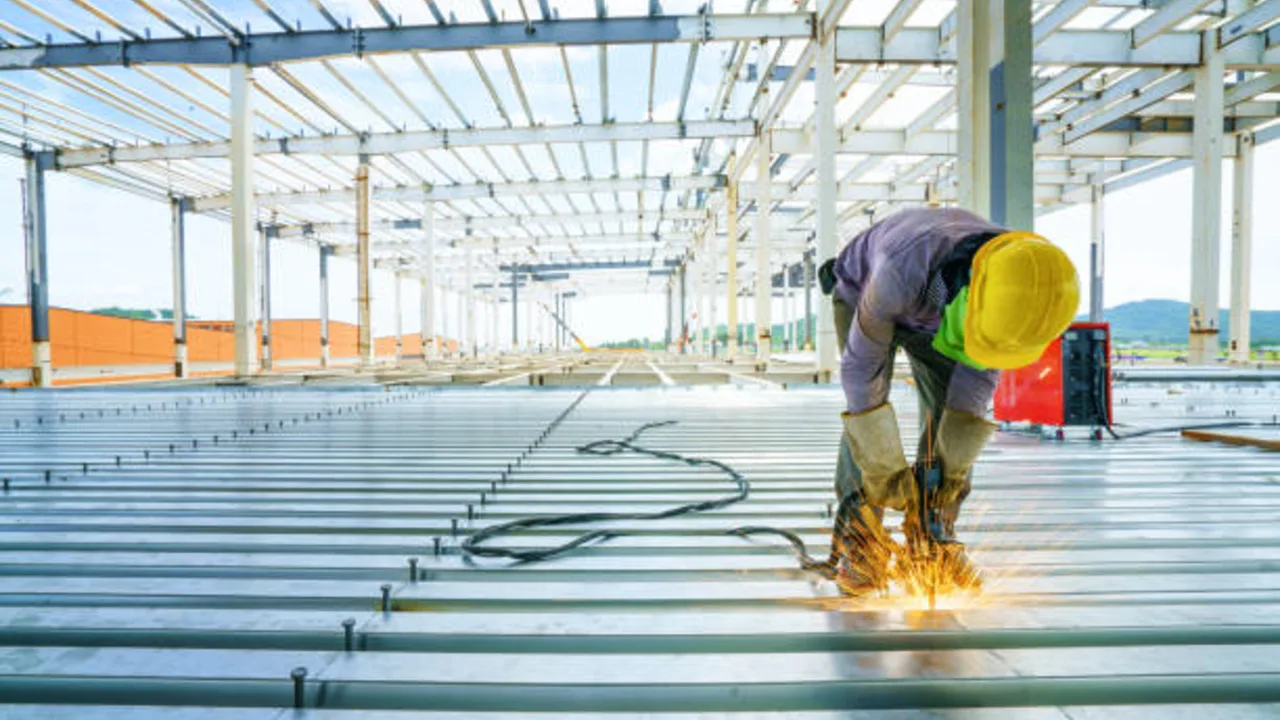
In modern industrial projects, structural performance is no longer defined only by design calculations or material grades. One of the most critical — yet often underestimated — success factors is fabrication installation coordination. When fabrication processes and on-site installation are not aligned, even the most well-engineered steel structures can suffer from delays, misalignment, rework, and cost overruns.
Effective coordination ensures that steel components fabricated in the workshop arrive on site with the correct dimensions, tolerances, and sequencing required for smooth assembly. This article explains why fabrication installation coordination matters, how it affects tolerance control and alignment, and what best practices help achieve seamless execution in steel structure projects.
What Is Fabrication Installation Coordination?
Fabrication installation coordination refers to the systematic alignment between off-site steel fabrication activities and on-site erection or installation processes. It connects engineering drawings, fabrication methods, logistics planning, and installation sequencing into a single, continuous workflow.
Rather than treating fabrication and installation as separate phases, coordinated projects view them as interdependent steps. Decisions made during fabrication — such as joint detailing, member lengths, hole tolerances, or surface treatments — directly affect installation efficiency, alignment accuracy, and overall structural integrity.
Without proper coordination, site teams may encounter mismatched components, excessive shimming, forced alignment, or even the need to refabricate members on site.
Why Fabrication and Installation Must Be Treated as One System
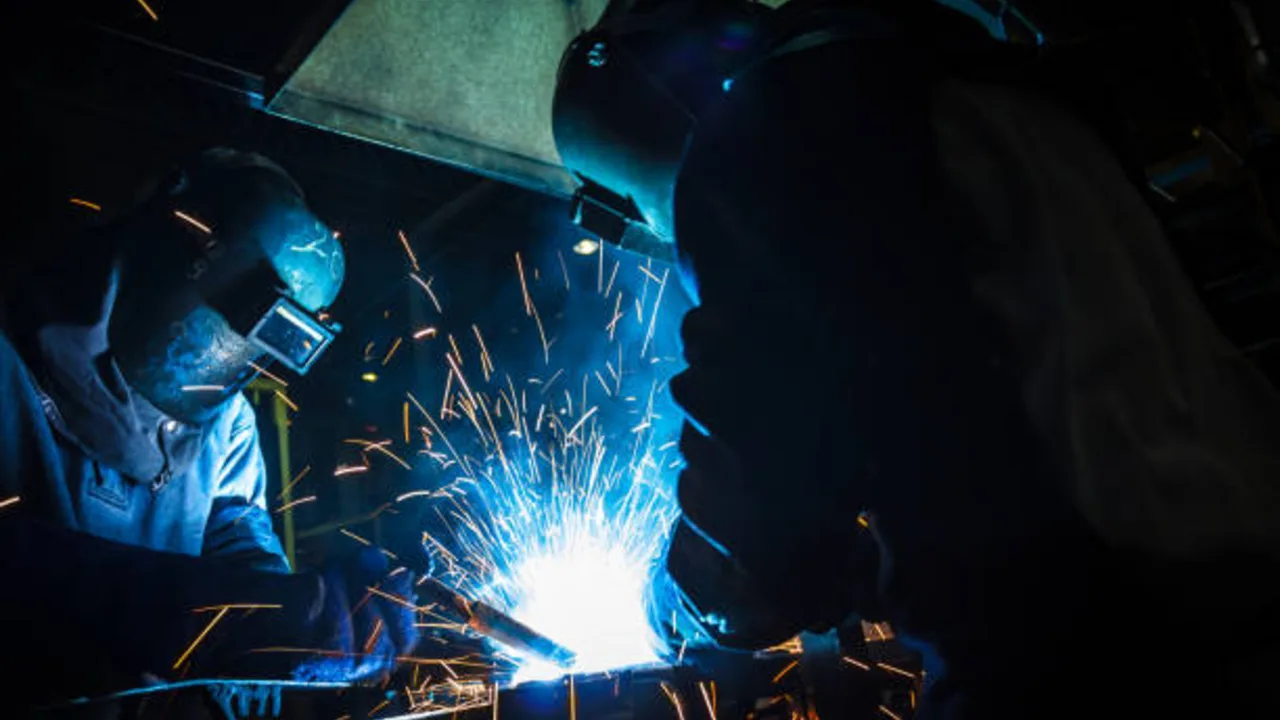
In steel projects, the margin for error is small. Steel does not adjust the way cast-in-place concrete sometimes can. Poor fabrication installation coordination often leads to:
- Misaligned columns or beams during erection
- Bolted connections that do not match hole locations
- Accumulated tolerance errors across multiple structural bays
- Unexpected site modifications that compromise design intent
By contrast, strong coordination ensures that shop drawings reflect real site conditions, crane capacities, erection sequences, and connection accessibility. This approach is essential in large-scale steel structure building construction projects where speed, accuracy, and safety are critical.
The Role of Tolerance Control in Coordinated Steel Projects
One of the core technical challenges in fabrication installation coordination is tolerance control. Tolerances define how much deviation from nominal dimensions is acceptable — both in fabrication and installation.
If fabrication tolerances are too loose, installation teams struggle to align members. If installation tolerances are too tight without fabrication support, excessive rework becomes unavoidable.
Key tolerance control considerations include:
- Column plumbness and base plate positioning
- Beam length accuracy and end preparation
- Bolt hole alignment and edge distances
- Accumulated tolerances across long spans or multi-level structures
Effective coordination requires that fabrication tolerances are defined with installation realities in mind, not just workshop convenience. This alignment prevents tolerance stacking — a common cause of structural misalignment in complex steel assemblies.
Alignment Challenges During Site Installation
Alignment is where coordination efforts are truly tested. Even small dimensional inconsistencies can escalate into major installation issues when steel structures increase in size, height, or structural complexity. What appears acceptable at the component level during fabrication can become problematic once multiple members are assembled across long spans or multiple elevations.
In steel construction, alignment errors rarely occur in isolation. Instead, they tend to accumulate across grids, floors, or connection interfaces, amplifying their impact during site installation. Without proper fabrication installation coordination, installation teams are often forced to compensate on site, which increases risk and reduces structural efficiency.
Common alignment challenges during site installation include:
- Difficulty aligning columns over long grid lines — Minor deviations in base plate positioning or column length can lead to visible misalignment across extended grids, especially in multi-bay industrial buildings.
- Misfit connections caused by cumulative fabrication errors — Small dimensional variations in beams, braces, or connection plates can stack up, resulting in bolt holes that no longer align or require forceful adjustments.
- Uneven load transfer due to forced alignment — When members are pulled or pushed into place to make connections fit, unintended stresses are introduced, altering the original load path assumed in the design.
- Increased stress concentrations at bolted or welded joints — Forced fit-up can lead to localized stress concentrations, increasing the risk of fatigue, cracking, or premature joint failure over time.
These alignment challenges not only slow down installation progress but can also compromise long-term structural performance if not addressed properly. In severe cases, they may require partial disassembly, on-site modification, or even refabrication of critical components.
Through strong fabrication installation coordination, alignment strategies are planned early rather than corrected late. This proactive approach shifts alignment control from the construction site back into the design and fabrication stages.
Key coordination measures include:
- Defining clear reference points and control lines that guide both fabrication accuracy and site positioning
- Establishing realistic erection tolerances that account for fabrication variation, transportation effects, and installation conditions
- Planning appropriate shim allowances at base plates and critical connections to absorb unavoidable dimensional deviations
- Designing temporary bracing systems to maintain alignment stability during progressive erection stages
By addressing alignment requirements before fabrication begins, project teams minimize on-site improvisation, reduce installation risk, and ensure that the assembled steel structure performs as intended throughout its service life.
How Coordination Improves Installation Speed and Safety
Beyond dimensional accuracy, coordination has a direct impact on productivity and safety on site. Well-coordinated projects allow installation teams to work efficiently without improvisation.
- Faster erection due to predictable fit-up
- Reduced need for on-site cutting or drilling
- Lower crane time and labor hours
- Improved worker safety by minimizing forced adjustments
When fabrication delivers components in the correct sequence, installation becomes a controlled assembly process rather than a problem-solving exercise at height.
Engineering and Communication as the Backbone of Coordination
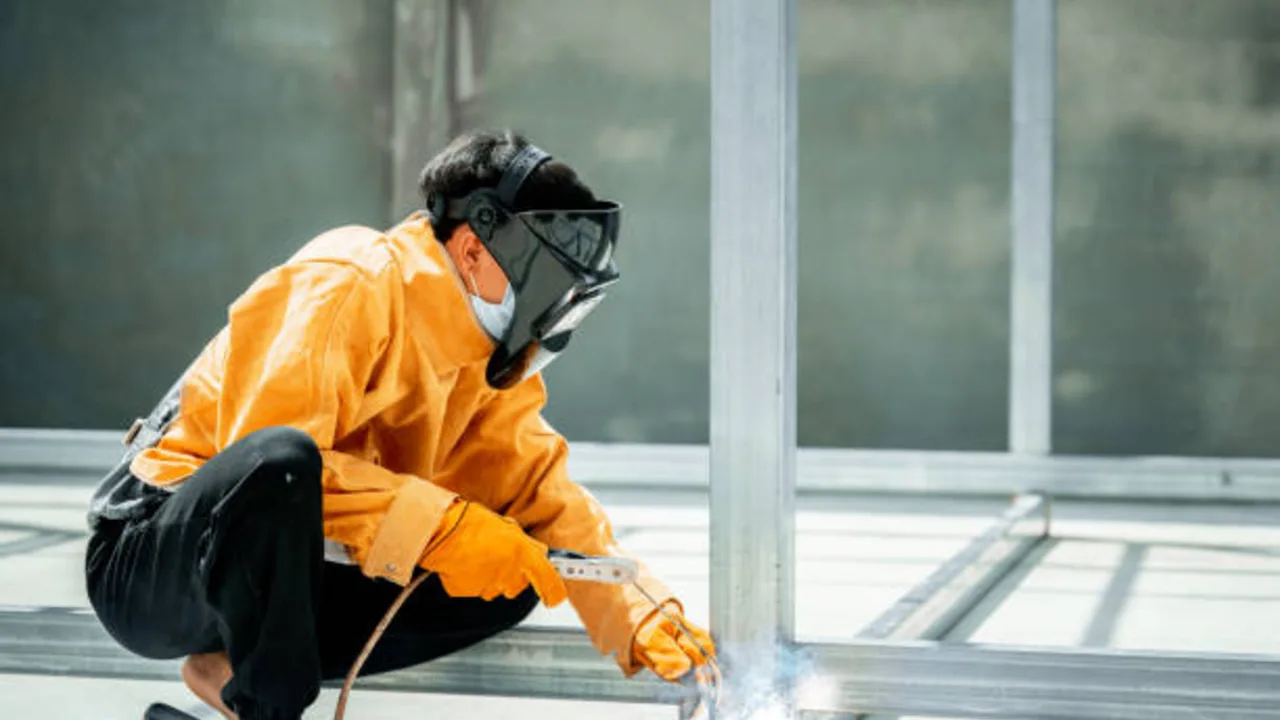
Successful fabrication installation coordination depends on clear communication between engineers, fabricators, and site teams. This includes:
- Accurate and coordinated shop drawings
- Pre-installation coordination meetings
- Clear documentation of tolerances and assumptions
- Feedback loops from site teams back to fabrication engineers
Many experienced contractors emphasize integrated workflows where fabrication teams understand erection constraints and installation teams are familiar with fabrication logic. Companies such as highlight how integrated fabrication and installation capabilities help reduce miscommunication and improve execution consistency.
Best Practices for Fabrication Installation Coordination
To achieve consistent results, leading steel contractors apply the following best practices:
- Involve installation teams early during detailing and fabrication planning
- Define fabrication tolerances based on erection methodology
- Standardize connection details where possible
- Plan logistics and delivery sequencing to match installation flow
- Conduct trial fit-ups or critical assembly checks for complex structures
These practices reduce uncertainty and ensure that fabrication outputs align with real-world site execution requirements.
Conclusion: Coordination as a Competitive Advantage
In today’s fast-paced construction environment, fabrication installation coordination is no longer optional — it is a competitive advantage. Projects that integrate fabrication and installation planning experience fewer delays, better alignment, lower rework rates, and improved structural performance.
By focusing on tolerance control, alignment strategies, and cross-team communication, steel projects can move from reactive problem-solving to predictable, high-quality execution. For complex industrial buildings and large-scale steel structures, coordination is not just a process — it is the foundation of successful delivery.