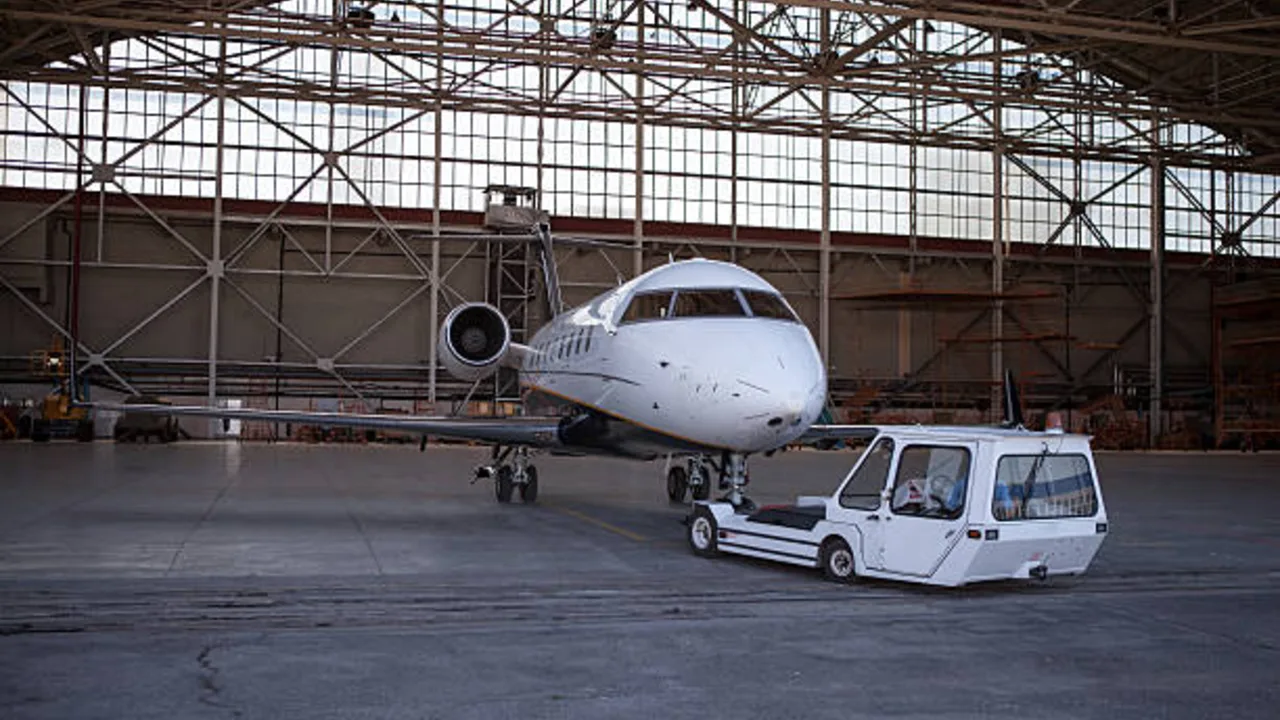
Understanding aircraft hangar cost is one of the most important steps when planning aviation infrastructure. Whether for private aircraft owners, MRO facilities, commercial airports, or military bases, hangar construction represents a significant capital investment. The final cost depends not only on size, but also on structure type, materials, location, and long-term operational efficiency.
In recent years, steel structures have emerged as the most cost-effective and scalable solution for hangar construction. Compared to traditional concrete buildings, steel hangars offer faster installation, lower foundation requirements, and better lifecycle economics. This article breaks down aircraft hangar cost in detail and explains why steel structure systems are widely considered the most affordable option.
What Determines Aircraft Hangar Cost?
There is no fixed price for an aircraft hangar. Instead, aircraft hangar cost is calculated based on a combination of technical and operational factors. Understanding these elements helps owners make informed decisions early in the planning phase.
Hangar Size and Clear Span
The overall footprint and height of the hangar are the primary cost drivers. Larger aircraft require wider clear spans, higher eaves, and stronger structural members. Steel structures excel in this area, as they can achieve long clear spans without internal columns, reducing both material complexity and operational constraints.
Structural System Selection
The choice between concrete, hybrid, and steel systems directly impacts cost. Steel hangars typically reduce material weight and foundation size, lowering construction expenses while improving structural efficiency.
Location and Site Conditions
Local soil conditions, wind loads, seismic requirements, and climate affect design specifications. Poor soil conditions increase foundation costs, while coastal or humid environments require corrosion-resistant steel treatments.
Door Systems and Accessories
Hangar doors—such as sliding, bi-fold, or hydraulic systems—can represent a substantial portion of the total aircraft hangar cost. Additional elements like fire protection, ventilation, insulation, and lighting also influence the final budget.
Aircraft Hangar Cost Breakdown by Category
To understand cost distribution more clearly, it helps to break the project into major cost categories.
| Cost Component | Estimated Share of Total Cost | Description |
|---|---|---|
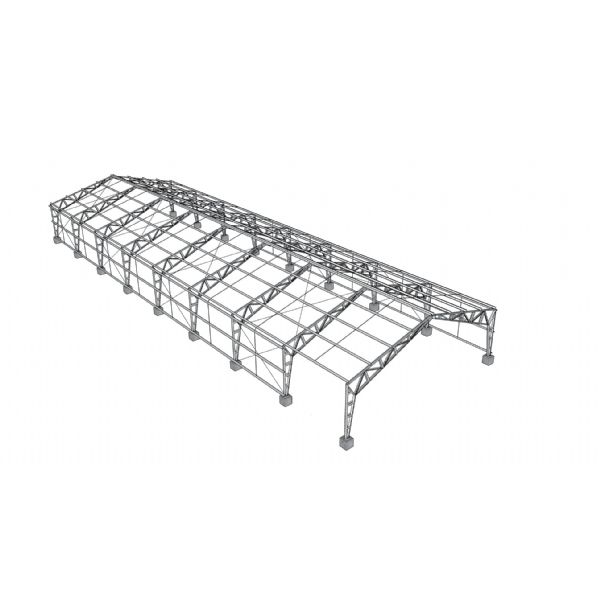
| Steel Structure Fabrication | 35–45% | Main frames, columns, beams, bracing, and roof systems |
| Foundation & Civil Works | 15–25% | Concrete foundations, anchor bolts, site preparation |
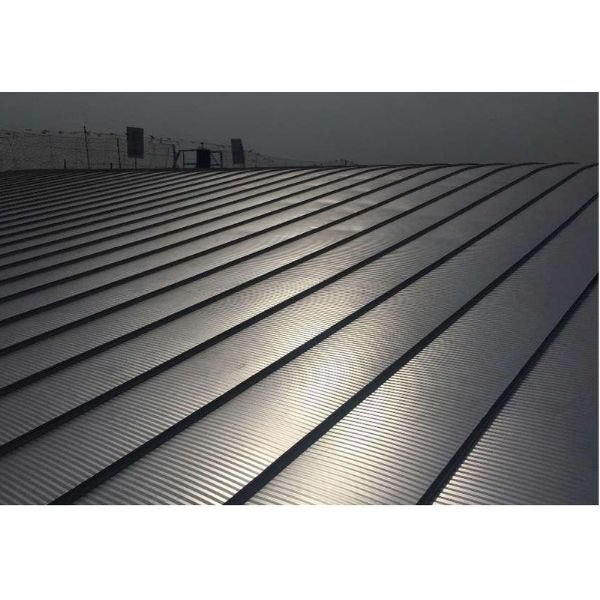
| Cladding & Roofing | 10–15% | Roof panels, wall panels, insulation systems |
| Hangar Doors | 8–15% | Sliding, bi-fold, or hydraulic door systems |
| Installation & Erection | 8–12% | On-site assembly, cranes, labor, safety systems |
This breakdown shows why material efficiency and construction speed play a major role in controlling aircraft hangar cost.
Why Steel Structures Reduce Aircraft Hangar Cost
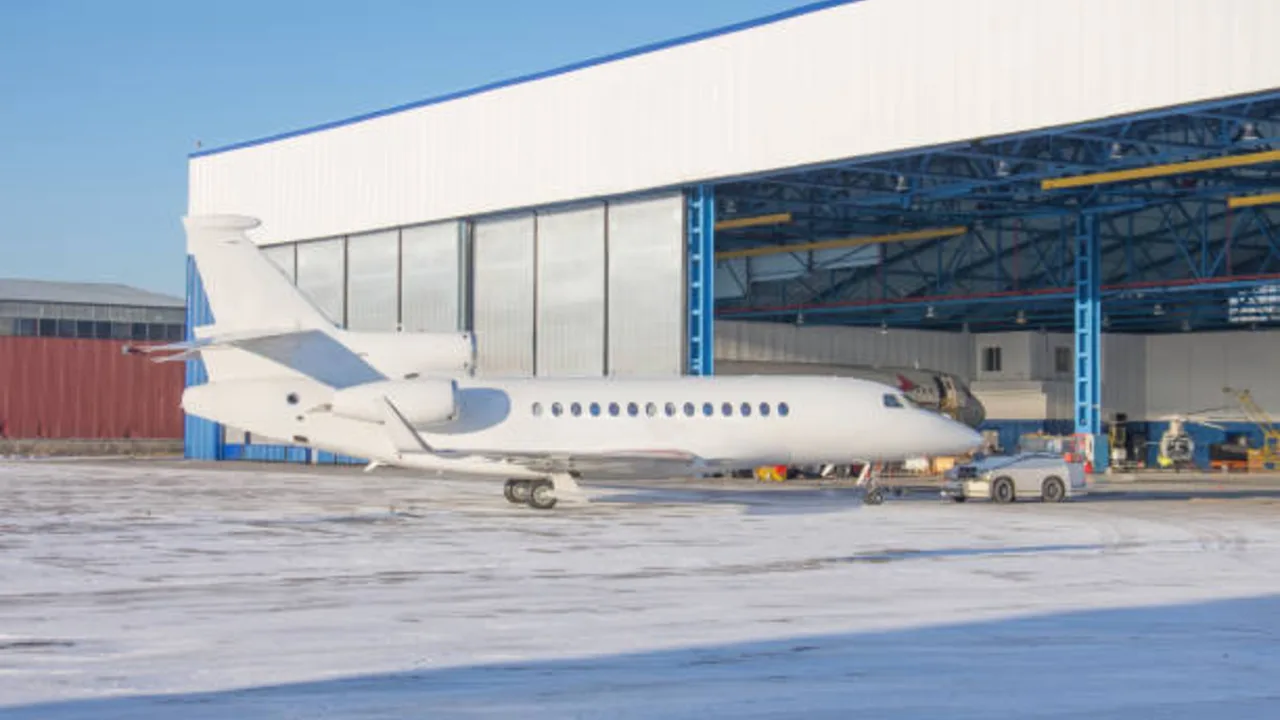
Steel structure systems consistently outperform traditional building methods when cost efficiency is measured over both short-term construction and long-term operation.
Lower Material and Foundation Costs
Steel offers a superior strength-to-weight ratio. This allows engineers to design lighter structures with fewer materials while maintaining high load capacity. Reduced structural weight also lowers foundation requirements, cutting civil work expenses.
Faster Construction Timeline
Prefabricated steel components are manufactured off-site under controlled conditions. Once delivered, on-site erection is rapid, reducing labor costs and project delays. Shorter construction schedules translate directly into lower aircraft hangar cost.
Flexible Design and Expansion
Steel hangars can be designed for future expansion. Additional bays, increased height, or upgraded door systems can be added without demolishing the original structure. This flexibility protects long-term investment value.
Comparing Aircraft Hangar Cost: Steel vs Concrete
Choosing the right structural system has a major impact on both initial and lifecycle costs.
| Factor | Steel Hangar | Concrete Hangar |
|---|---|---|
| Construction Time | Short (weeks) | Long (months) |
| Clear Span Capability | Excellent | Limited without columns |
| Foundation Size | Smaller | Larger and heavier |
| Future Expansion | Easy | Difficult |
| Overall Aircraft Hangar Cost | Lower | Higher |
Steel Hangars vs Steel Warehouse Construction
Aircraft hangars share many similarities with steel warehouse construction. Both rely on large clear spans, modular steel frames, and fast installation. However, hangars typically require higher precision, stricter safety standards, and specialized door systems.
Because steel warehouses are widely used in logistics and manufacturing, their proven construction methods help optimize hangar designs. Many cost-saving techniques—such as standardized steel profiles and modular panels—are adapted directly from steel warehouse construction to aviation facilities.
Hidden Costs to Watch in Aircraft Hangar Projects
While steel structures significantly reduce major construction expenses, many aircraft hangar projects still exceed their original budgets due to overlooked secondary costs. These hidden factors often appear small during early planning but can substantially increase the final aircraft hangar cost if not properly managed from the start.
Overdesign and Excessive Safety Margins
One of the most common hidden cost drivers is overdesign. In an effort to “play it safe,” some projects apply overly conservative safety factors, resulting in thicker steel sections, heavier frames, and unnecessary redundancy. While structural safety is critical, excessive steel tonnage directly increases material costs, transportation expenses, and erection time.
A well-optimized hangar design balances safety, performance, and cost. Proper load analysis—considering actual aircraft weight, wind loads, seismic activity, and operational requirements—can significantly reduce unnecessary steel usage without compromising safety.
Inadequate Corrosion Protection
Corrosion protection is often underestimated during budgeting, especially for hangars located in coastal, humid, or industrial environments. Using low-grade coatings or insufficient surface preparation may reduce upfront costs, but it leads to frequent maintenance, repainting, or premature component replacement.
Over the lifecycle of the facility, poor corrosion control can dramatically increase the total aircraft hangar cost. Selecting the correct coating system—such as hot-dip galvanizing, epoxy coatings, or marine-grade paint—based on environmental exposure is a cost-saving decision in the long term.
Improper Hangar Door Selection
Hangar doors represent a significant portion of both initial investment and operational efficiency. Choosing undersized, low-quality, or inefficient door systems can cause frequent operational disruptions, higher energy loss, and increased maintenance expenses.
For large aircraft, door systems must accommodate clear opening requirements, wind loads, and repeated operation cycles. Inadequate door design often results in retrofits or replacements, which are far more expensive than selecting the correct system during the initial design phase.
Local Code Compliance and Regulatory Revisions
Failure to fully account for local building codes, aviation regulations, fire safety standards, and zoning requirements can lead to costly redesigns. Changes made after fabrication has started often involve structural modifications, additional engineering work, and schedule delays.
Each redesign not only increases direct costs but can also delay project completion—raising labor expenses and extending equipment rental periods. Early coordination with local authorities and experienced engineers helps avoid compliance-related surprises that inflate overall aircraft hangar cost.
Site Logistics and Installation Constraints
Another hidden cost often overlooked is site accessibility and logistics. Limited crane access, restricted working hours at airports, or complex site conditions can increase erection time and labor costs. Transportation of oversized steel components may also require special permits or route planning.
Planning logistics early—such as component sizing, delivery sequencing, and erection methods—helps minimize on-site inefficiencies and unexpected expenses.
Long-Term Operational and Energy Costs
While not always included in construction budgets, long-term operational costs play a critical role in total ownership cost. Poor insulation, inefficient ventilation, or inadequate daylighting increases energy consumption and utility expenses over time.
Investing in proper insulation systems, energy-efficient lighting, and ventilation during construction may slightly increase upfront costs, but it significantly lowers long-term operating expenses and stabilizes the overall aircraft hangar cost across the building’s lifecycle.
Typical Aircraft Hangar Cost Ranges
While exact pricing varies by region and specification, general industry estimates provide a useful reference point.
- Small private hangar: USD 80–150 per m²
- Medium commercial hangar: USD 150–250 per m²
- Large MRO or military hangar: USD 250–400+ per m²
These ranges align with industry benchmarks outlined in external construction analyses such as this detailed cost guide from ROI Metal Buildings.
How to Optimize Aircraft Hangar Cost
Optimizing aircraft hangar cost does not start with cutting corners—it starts with smart engineering decisions at the design stage. Owners who collaborate early with experienced steel structure engineers can achieve the right balance between structural safety, operational efficiency, and long-term financial performance.
Below are proven strategies used in cost-optimized hangar projects worldwide.
Design Optimization Strategies for Aircraft Hangars
| Optimization Area | Recommended Strategy | Cost Impact | Why It Works |
|---|---|---|---|
| Steel Section Selection | Use standardized steel profiles instead of custom sections | ↓ Material & fabrication cost | Standard profiles reduce fabrication complexity, steel waste, and production time |
| Structural Sizing | Avoid oversizing by applying accurate load calculations | ↓ Steel tonnage | Precise wind, seismic, and aircraft load analysis prevents unnecessary steel weight |
| Expansion Planning | Design for modular expansion instead of oversizing the initial structure | ↓ Initial capital cost | Allows future growth without paying for unused capacity upfront |
| Hangar Door Integration | Coordinate structural frame and door system design early | ↓ Redesign & retrofit costs | Prevents late-stage modifications caused by door clearance or load conflicts |
| Corrosion Protection | Select coating systems based on actual environment exposure | ↓ Lifecycle maintenance cost | Avoids under- or over-specifying corrosion protection systems |
| Fabrication Approach | Use prefabricated, factory-controlled steel components | ↓ Labor & schedule cost | Improves quality control and shortens on-site erection time |
| Installation Planning | Optimize erection sequence and crane access | ↓ Installation cost | Reduces idle labor time and heavy equipment rental duration |
Use Standardized Steel Sections Where Possible
Standard steel sections are mass-produced, widely available, and easier to fabricate. Custom sections may look optimized on paper, but they often increase fabrication time, steel waste, and quality-control risks. Using standardized profiles lowers procurement costs and simplifies structural detailing, which directly reduces the overall aircraft hangar cost.
Design for Modular Expansion Instead of Oversizing
Many hangars are initially oversized to “future-proof” operations. While well-intentioned, this approach increases upfront steel tonnage, foundation size, and construction cost.
A smarter alternative is modular expansion planning. By designing connection points and structural continuity in advance, additional bays or height extensions can be added later with minimal disruption—allowing capital investment to match real operational growth.
Coordinate Structural and Door System Design Early
Hangar doors are not standalone components; they directly affect structural loads, frame geometry, and foundation design. Late coordination often forces engineers to reinforce columns or modify frames after fabrication has begun—leading to expensive rework.
Early integration of door selection ensures that structural loads, wind resistance, and opening clearances are addressed in one coordinated design, preventing avoidable cost overruns.
Plan Corrosion Protection Based on Real Environmental Exposure
Not all environments require the same level of corrosion protection. Over-specifying coatings increases initial cost, while under-specifying leads to frequent maintenance and premature degradation.
Environmental exposure analysis—considering humidity, salinity, temperature, and industrial pollutants—allows engineers to select the most cost-effective coating system for long-term durability, stabilizing lifecycle aircraft hangar cost.
Think Beyond Construction: Lifecycle Cost Matters
True cost optimization considers not only construction expenses but also long-term operation. Well-designed steel hangars offer lower maintenance, easier retrofitting, and improved energy efficiency through proper insulation and ventilation planning.
When lifecycle cost is included in decision-making, steel structures consistently deliver superior value compared to heavier, less flexible alternatives.
Conclusion: Steel Structures Deliver the Best Value
When all factors are considered, steel structures provide the most economical solution for modern aircraft hangars. From reduced construction time to superior flexibility and lower lifecycle costs, steel systems consistently outperform traditional alternatives.
By understanding the true components of aircraft hangar cost and leveraging proven techniques from steel warehouse construction, owners can build durable, scalable hangars that meet both operational and financial goals.