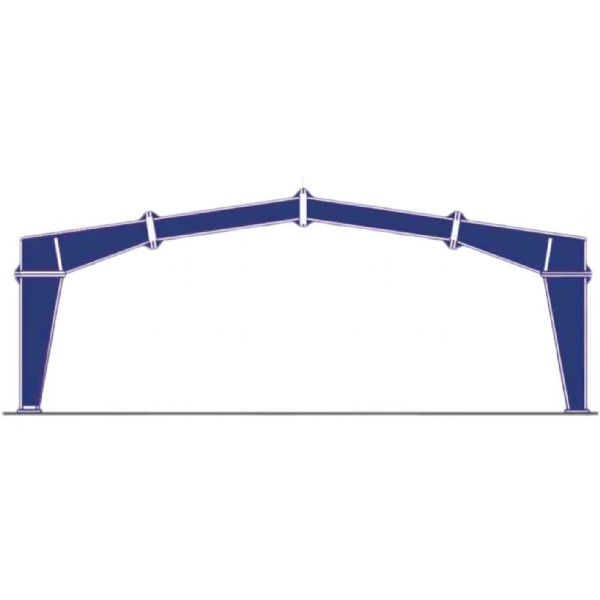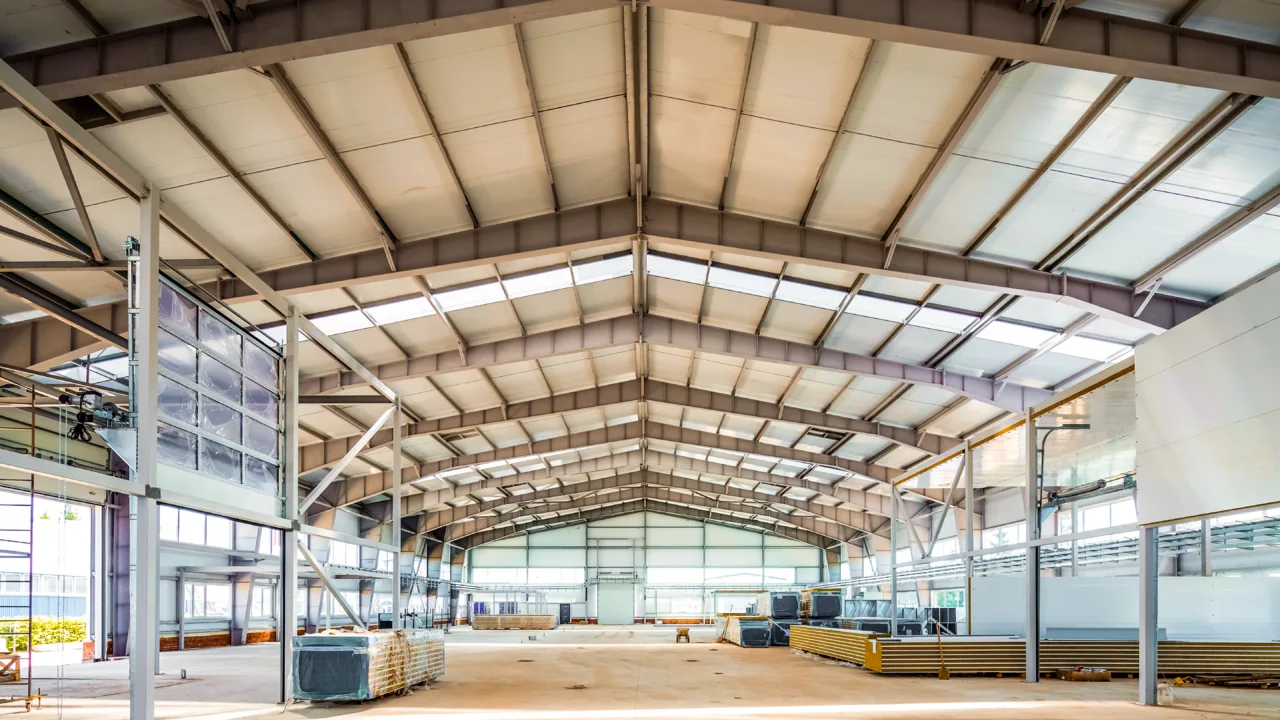
For construction projects within the European Union, regulatory compliance is not optional—it is a legal and technical necessity. One of the most critical requirements for structural steelwork is CE marking. A CE steel structure refers to fabricated steel components and assemblies that comply with European regulations and harmonised standards, allowing them to be legally placed on the EU market.
As cross-border construction and global steel supply continue to grow, CE compliance has become a decisive factor for project approval, public procurement, and long-term structural reliability. This article explains what a CE steel structure is, which standards govern it, and what manufacturers and project stakeholders must do to meet certification and compliance requirements.
What Is CE Marking for Steel Structures?
CE marking is a declaration by the manufacturer that a product conforms to applicable European Union legislation. For construction products, including steel structures, CE marking is governed by the Construction Products Regulation (CPR) (EU) No. 305/2011. When a steel structure is CE marked, it confirms that the product’s declared performance meets essential requirements related to mechanical resistance, stability, safety, and durability.
It is important to clarify that CE marking is not a quality label or voluntary certification. Instead, it is a legal requirement for products covered by harmonised European standards. For structural steelwork, CE marking ensures transparency and consistency across EU member states, allowing engineers, contractors, and authorities to rely on standardized performance declarations.
In practical terms, a CE steel structure can be freely traded and used throughout the EU, provided it is manufactured and documented in accordance with the relevant standards.
The Role of EN 1090 in CE Steel Structure Compliance
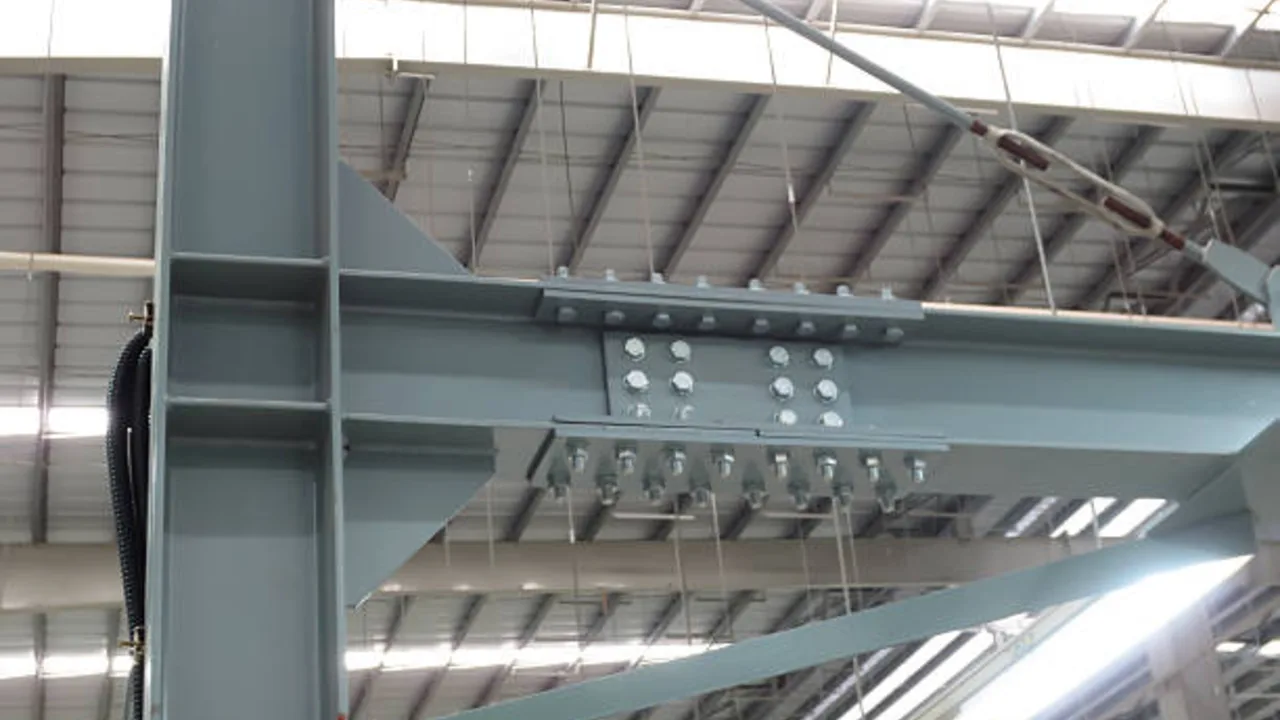
The cornerstone of CE marking for steel structures is the EN 1090 series of standards. These harmonised standards define the technical and procedural requirements that manufacturers must meet to apply CE marking to fabricated steel components.
EN 1090 is divided into several parts. EN 1090-1 specifies the requirements for conformity assessment and CE marking. It defines how manufacturers demonstrate compliance, including the role of third-party assessment. EN 1090-2 covers the technical execution of steel structures, addressing fabrication tolerances, welding quality, material handling, and assembly requirements. EN 1090-3 applies similar principles to aluminum structures.
A critical concept within EN 1090 is the Execution Class (EXC). Execution Classes range from EXC1 to EXC4 and reflect the complexity, safety relevance, and loading conditions of the structure. Higher execution classes require stricter controls, more qualified personnel, and more extensive documentation. The correct execution class must be defined during the design phase, as it directly affects compliance obligations for a CE steel structure.
Legal and Market Requirements for CE Steel Structure
Since July 1, 2014, CE marking has been mandatory for structural steelwork placed on the EU market under EN 1090. Without CE marking, steel components cannot be legally supplied for permanent construction works within EU member states.
Non-compliance can lead to severe consequences, including rejection by building authorities, project delays, contractual disputes, and legal penalties. For public infrastructure projects, CE compliance is typically a non-negotiable requirement within tender specifications.
Beyond legal necessity, CE marking also plays a key commercial role. Architects, engineers, and project owners increasingly demand CE-compliant steel structures to ensure regulatory alignment, predictable performance, and simplified approval processes. As a result, CE compliance has become a baseline expectation rather than a competitive advantage.
The CE Steel Structure Certification Process
The certification process for a CE steel structure follows a structured and auditable pathway defined by EN 1090-1. The process begins by determining whether the manufactured products fall within the scope of the standard, which includes load-bearing steel components used in buildings and civil engineering works.
Once scope is confirmed, the manufacturer must establish a Factory Production Control (FPC) system. The FPC is a documented internal quality management system that governs how products are manufactured, inspected, tested, and recorded. It ensures consistency between declared performance and actual production output.
A key requirement of CE certification is involvement of a Notified Body. This independent, EU-recognized organization performs the initial inspection of the manufacturing facility and assesses the effectiveness of the FPC system. The Notified Body also conducts ongoing surveillance audits to confirm continued compliance.
Following successful assessment, the manufacturer issues a Declaration of Performance (DoP). The DoP formally states the essential characteristics and performance values of the steel structure according to EN 1090. The CE marking can then be affixed to the product documentation and labeling, enabling legal placement on the EU market.
Detailed guidance on this process is outlined by independent certification bodies such as Applus Laboratories, which support manufacturers through testing, assessment, and compliance verification.
Key Compliance Requirements for CE Steel Structure
Compliance with CE marking requirements extends beyond initial certification. A CE steel structure must be produced under continuous control and documented procedures to ensure ongoing conformity.
Factory Production Control is central to this process. It covers raw material traceability, welding procedure qualification, welder certification, dimensional inspections, surface treatment controls, and record retention. Each production batch must be traceable back to certified materials and approved processes.
Execution Class requirements further define inspection intensity and qualification levels. For example, higher execution classes require more rigorous welding inspections, higher welder qualifications, and stricter tolerance verification. These measures directly support structural safety and long-term performance.
Regular audits by the Notified Body ensure that manufacturers maintain compliance over time. Failure to uphold FPC standards can result in suspension or withdrawal of CE certification.
Benefits of CE Steel Structure Compliance

CE compliance offers clear advantages for manufacturers, contractors, and project owners. First and foremost, it enables unrestricted access to the European construction market. A CE steel structure can be specified, procured, and installed across all EU member states without additional national approvals.
CE marking also enhances transparency. Designers and engineers can rely on standardized performance declarations when specifying steel components, reducing uncertainty during design and approval stages. For project owners, CE compliance demonstrates adherence to recognized safety and performance frameworks.
From a commercial perspective, CE certification strengthens credibility and trust. It signals that a manufacturer operates under controlled processes, qualified personnel, and verified standards—qualities that are increasingly valued in large-scale and public-sector projects.
Common Misconceptions About CE Steel Structure
One common misunderstanding is that CE marking represents superior quality. In reality, CE marking confirms conformity with declared performance, not comparative quality levels. It establishes a common regulatory baseline rather than a ranking system.
Another misconception is that CE marking applies only to complete steel structure buildings. In fact, CE requirements apply to fabricated steel components and structural assemblies placed on the market, regardless of project size. Any load-bearing steelwork covered by EN 1090 must comply.
Finally, CE marking is sometimes assumed to be optional for non-European manufacturers. However, any steel structure supplied for permanent use in the EU—regardless of country of origin—must meet CE requirements.
Conclusion: Why CE Steel Structure Certification Matters
CE marking is a fundamental requirement for structural steelwork in the European construction market. A CE steel structure represents compliance with harmonised standards, verified manufacturing controls, and transparent performance declarations.
By understanding the role of EN 1090, Factory Production Control, and Notified Body assessment, manufacturers and project stakeholders can navigate certification requirements with confidence. More importantly, CE compliance supports safer structures, smoother project approvals, and consistent performance across borders.
In an increasingly regulated and interconnected construction industry, CE steel structure certification is not merely a legal obligation—it is a critical foundation for trust, reliability, and long-term project success.