Modern logistics operations demand more than just storage space. With the rise of temperature-sensitive goods, e-commerce fulfillment, pharmaceuticals, food distribution, and high-value inventory, warehouses are increasingly required to maintain stable internal environments. As a result, climate-controlled steel warehouses have become a critical infrastructure solution in today’s supply chain.
Climate controlled warehouse steel structures combine the strength and scalability of steel construction with advanced environmental control systems. By integrating insulation, ventilation, and temperature management technologies, these warehouses provide reliable protection for goods while maintaining operational efficiency and cost control.
This article explores how climate-controlled steel warehouses support modern logistics, focusing on design principles, insulation strategies, ventilation systems, and the benefits they deliver across industries.
Understanding Climate-Controlled Steel Warehouses
A climate-controlled steel warehouse is a steel structure building designed to regulate internal temperature, humidity, and air quality regardless of external weather conditions. Unlike conventional storage facilities, these warehouses are engineered to create consistent indoor environments that protect sensitive products and optimize working conditions.
Steel structures are particularly well suited for climate-controlled warehouses because they offer:
- Large clear spans for efficient storage and automation
- High structural precision for airtight construction
- Compatibility with advanced insulation and ventilation systems
- Scalability for future expansion
By combining steel construction with environmental control technologies, logistics operators can achieve reliable performance across a wide range of climate conditions.
Why Steel Is Ideal for Climate-Controlled Warehouses
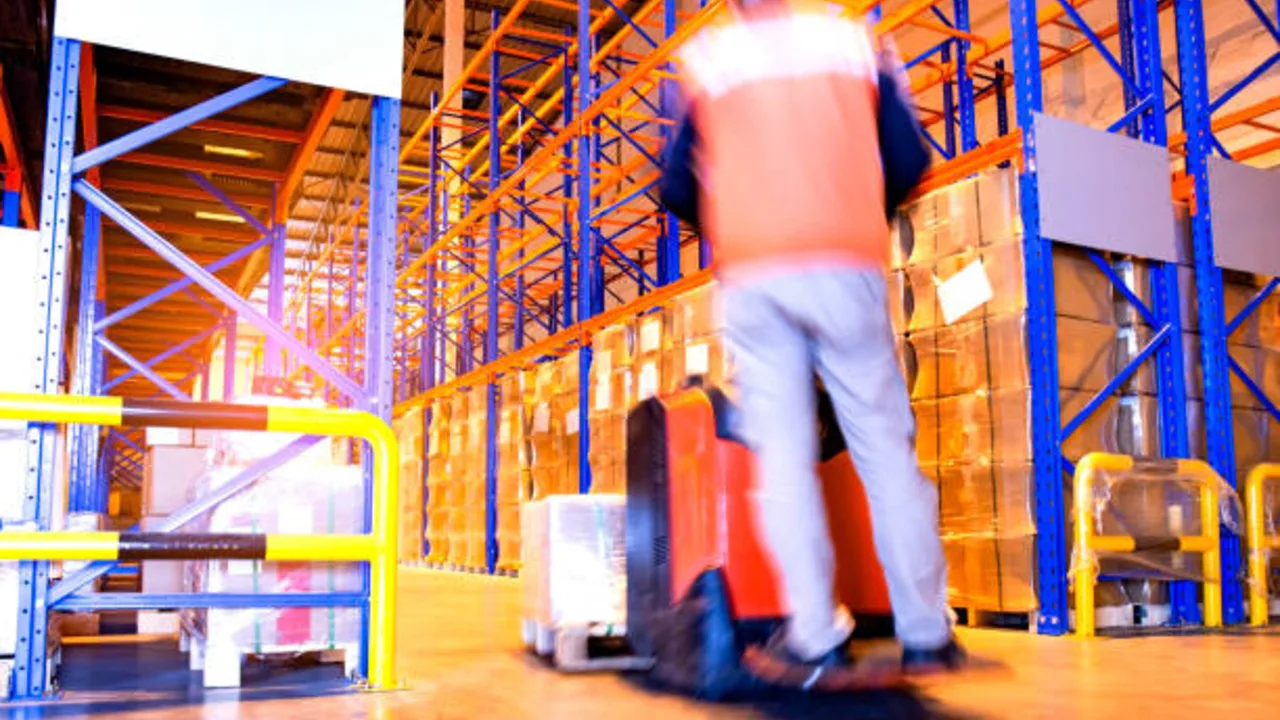
Steel provides the structural backbone needed for modern climate-controlled facilities. Its strength-to-weight ratio allows for wide spans without internal columns, maximizing usable storage space and improving airflow management.
Key advantages of steel in climate-controlled warehouse design include:
- Consistent structural geometry that minimizes thermal leakage
- Fast construction timelines that reduce project lead times
- High durability under continuous temperature cycling
- Easy integration with mechanical and electrical systems
These characteristics make steel the preferred material for warehouses that require precise environmental control and long-term operational stability.
Role of Insulation in Climate-Controlled Steel Warehouses
Insulation is one of the most important components of a climate-controlled warehouse. Proper insulation reduces heat transfer between the interior and exterior, stabilizing indoor temperatures and lowering energy consumption.
Common insulation solutions for steel warehouses include:
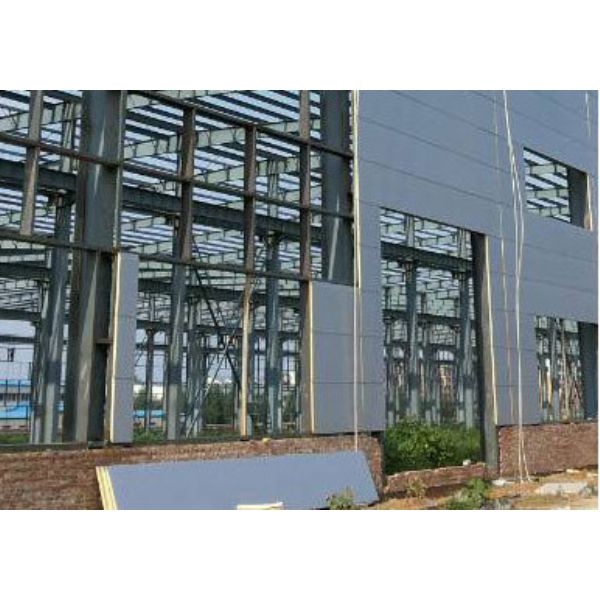
- Sandwich panels with PU, PIR, or rock wool cores
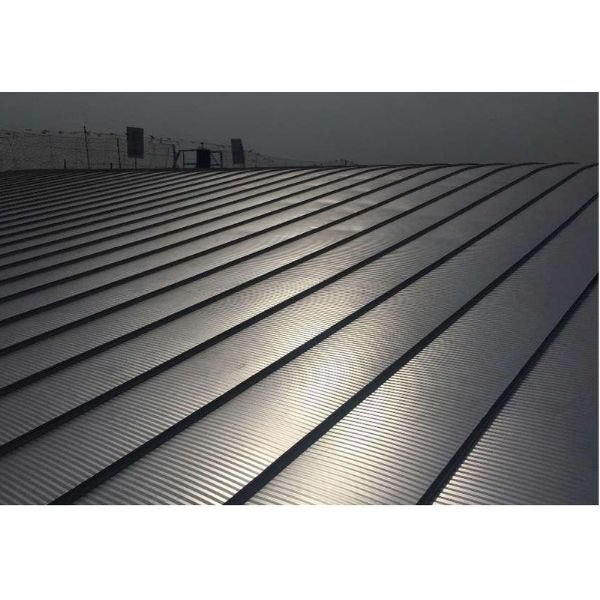
- Insulated metal wall and roof systems
- Thermal breaks at structural connections
- Sealed joints to prevent air leakage
High-performance insulation not only protects stored goods but also improves energy efficiency, helping operators control long-term operating costs.
Thermal Performance and Energy Efficiency
Well-designed insulation systems reduce reliance on heating and cooling equipment by maintaining stable internal conditions. This leads to lower energy demand, reduced carbon emissions, and improved sustainability performance—an increasingly important factor for global logistics companies.
Ventilation Systems and Airflow Management
Ventilation plays a critical role in maintaining air quality and humidity levels inside climate-controlled steel warehouses. Even with advanced insulation, proper airflow is essential to prevent condensation, control moisture, and ensure safe working conditions.
Ventilation strategies may include:
- Mechanical ventilation systems with controlled air exchange
- Natural ventilation integrated into roof or wall design
- Humidity control systems for sensitive goods
- Zoned airflow for different storage areas
Effective ventilation design ensures that temperature-controlled environments remain stable while avoiding issues such as mold growth or corrosion.
Design Considerations for Climate-Controlled Warehouse Steel
Designing a climate-controlled steel warehouse requires close coordination between structural engineers, HVAC specialists, and logistics planners. Key design considerations include:
- Target temperature and humidity ranges
- Local climate and seasonal variations
- Building envelope performance
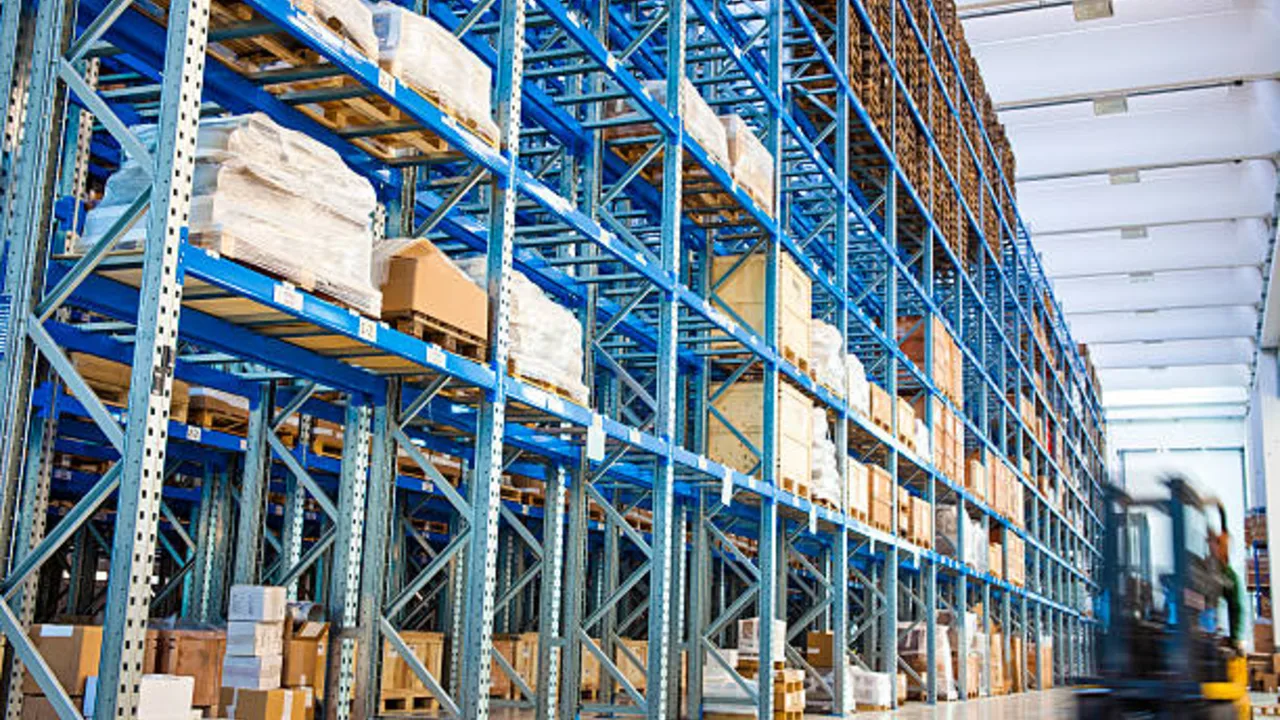
- Integration with automation and racking systems
Steel structures allow for precise fabrication, which helps achieve tight tolerances and airtight construction—both critical for effective climate control.
Operational Benefits for Modern Logistics
Climate-controlled steel warehouses deliver significant operational advantages for logistics providers, including:
- Protection of temperature-sensitive goods
- Reduced product loss and spoilage
- Improved inventory consistency and quality control
- Better working conditions for warehouse staff
These benefits translate directly into higher service reliability and stronger customer satisfaction in competitive logistics markets.
Scalability and Future Expansion
One of the major strengths of steel warehouse construction is its modularity. Climate-controlled steel warehouses can be designed for phased expansion, allowing operators to increase capacity without disrupting existing operations.
Steel framing systems make it easier to:
- Add new storage zones
- Upgrade insulation or ventilation systems
- Adapt layouts for changing logistics requirements
This flexibility is essential for logistics businesses operating in rapidly evolving markets.
Integrating Climate Control with Warehouse Steel Structure Design
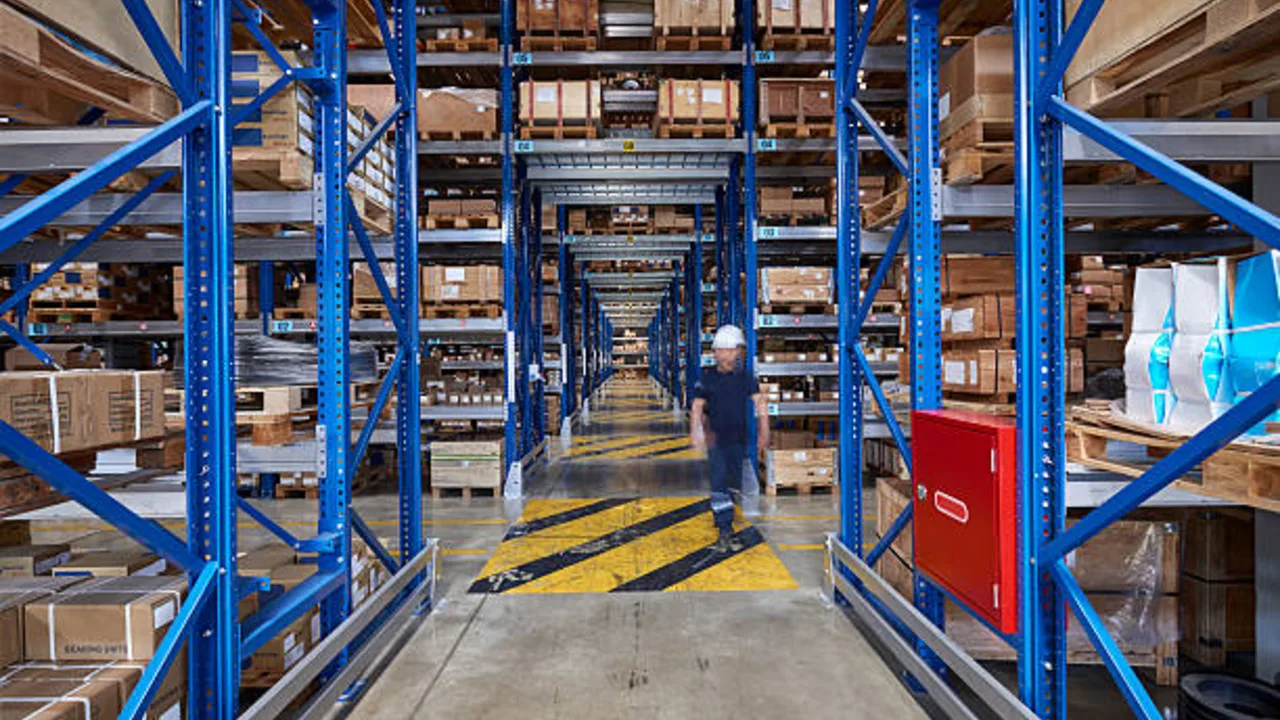
Successful climate-controlled facilities integrate environmental systems seamlessly into the overall warehouse steel structure. Structural layout, panel selection, roof design, and mechanical systems must work together as a unified solution.
By aligning steel structure design with insulation and ventilation strategies, warehouse operators can achieve reliable performance, optimized energy use, and long-term operational efficiency.
Conclusion: Steel Warehouses Built for Climate-Sensitive Logistics
As supply chains grow more complex and product sensitivity increases, climate-controlled steel warehouses are becoming essential infrastructure for modern logistics. Through the intelligent use of steel structures, insulation systems, and ventilation technologies, these facilities deliver durability, efficiency, and environmental stability.
By investing in climate-controlled warehouse steel solutions, logistics operators can protect valuable goods, improve operational resilience, and future-proof their warehouse infrastructure for evolving market demands.