As sustainability becomes a core priority across global industries, factory construction is increasingly evaluated not only by cost and performance, but also by environmental impact. Industrial developers, manufacturers, and governments are now seeking building solutions that reduce carbon emissions, conserve resources, and support long-term environmental goals.
An eco friendly steel factory offers a compelling response to these demands. Compared with traditional concrete-based facilities, steel factory construction delivers measurable environmental advantages through recyclability, energy efficiency, and optimized resource use. This article explores how modern steel factories contribute to more sustainable industrial development and why steel has become a preferred material for environmentally responsible factory construction.
Understanding Eco-Friendly Steel Factory Design
An eco-friendly steel factory is designed to minimize environmental impact throughout its entire lifecycle—from material sourcing and fabrication to construction, operation, and eventual reuse or recycling. Steel construction aligns naturally with sustainability principles due to its efficiency, durability, and adaptability.
Unlike conventional factory buildings, steel structures rely heavily on prefabrication and modular systems. This approach reduces on-site waste, shortens construction timelines, and improves material efficiency. When sustainability objectives are integrated into early design stages, steel factories can significantly outperform traditional industrial buildings in environmental performance.
Recyclability as a Key Environmental Advantage
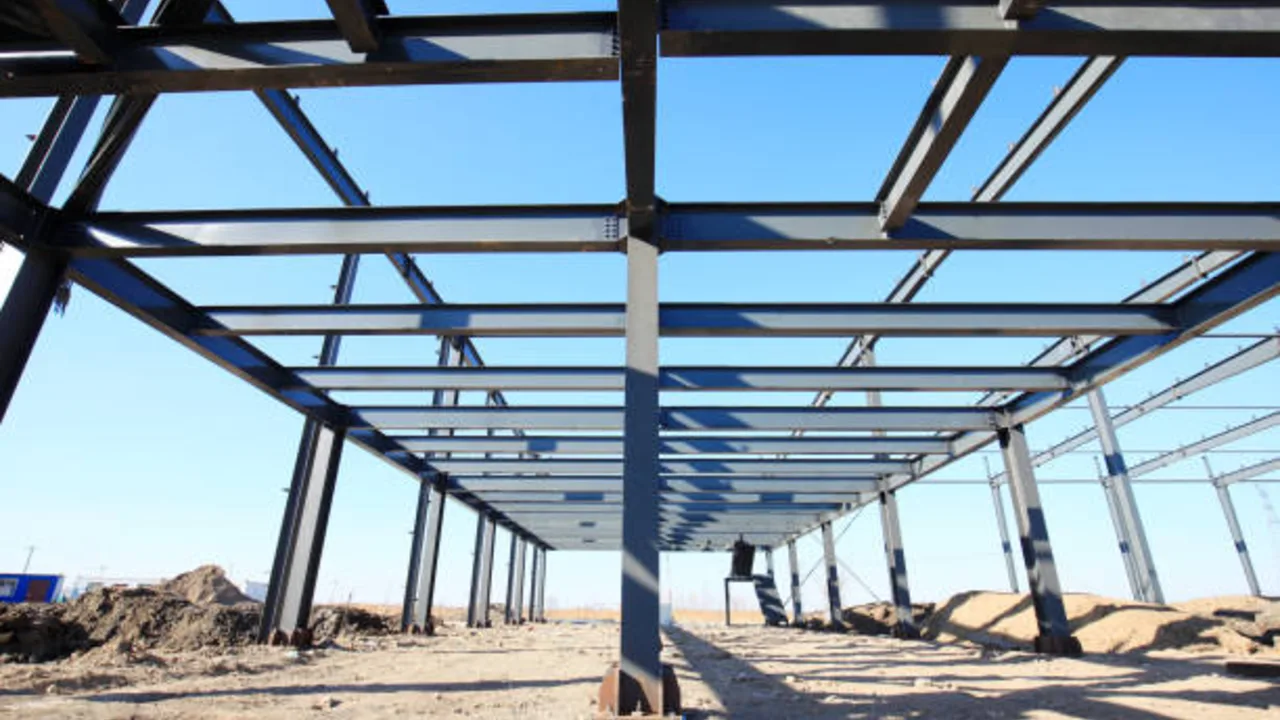
Recyclability is one of the most important environmental benefits of steel factory construction and a defining characteristic of truly sustainable industrial buildings. Structural steel is 100% recyclable without any loss of strength, durability, or performance, making it one of the most circular and resource-efficient construction materials available today. Unlike many traditional building materials that degrade when recycled, steel can be repeatedly reprocessed and reused across multiple life cycles.
This inherent recyclability significantly reduces the environmental footprint of factory construction by lowering dependence on virgin raw materials. A substantial percentage of structural steel used in modern projects already contains recycled content, which helps conserve natural resources such as iron ore while reducing energy consumption and emissions associated with primary steel production.
From a lifecycle perspective, steel factories offer exceptional flexibility. When a steel factory reaches the end of its operational life, undergoes functional upgrades, or requires capacity expansion, its structural components can be dismantled, recovered, and reused rather than destroyed. Beams, columns, and frames can often be directly repurposed or efficiently recycled into new structural elements, minimizing material loss and environmental impact.
This approach contrasts sharply with concrete factory buildings, which are difficult to disassemble and recycle efficiently. Concrete structures typically require demolition, generating large volumes of waste and consuming additional energy for disposal or low-grade reuse. Steel construction avoids these inefficiencies, enabling factory buildings to remain valuable material assets rather than environmental liabilities.
For manufacturers and developers pursuing long-term sustainability goals, recyclability transforms steel factories into future-proof assets—buildings that support operational flexibility, reduce environmental risk, and contribute meaningfully to circular industrial development.
Energy Savings During Construction
Steel factory construction typically requires less energy during the building phase compared with traditional construction methods. Prefabricated steel components are manufactured in controlled factory environments, improving production efficiency and reducing energy-intensive on-site activities.
Energy savings during construction are achieved through:
- Reduced on-site machinery operation
- Shorter construction schedules
- Lower transportation frequency due to optimized logistics
- Improved material utilization and less rework
Faster assembly also means reduced emissions from construction equipment, contributing to a smaller carbon footprint during the project delivery stage.
Operational Energy Efficiency in Steel Factories
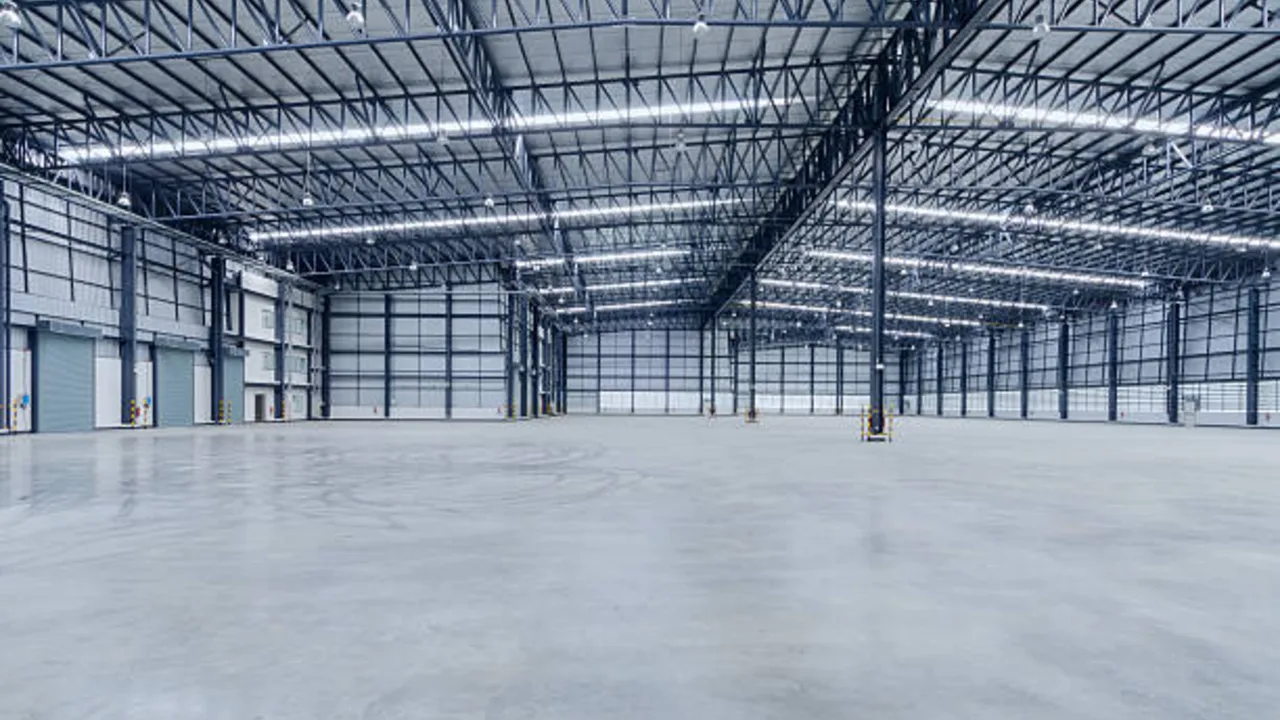
Beyond construction, steel factories can be designed for long-term energy savings during operation. Steel structural systems allow for large, column-free spans and flexible layouts, making it easier to integrate energy-efficient building solutions.
Common energy-efficient design features include:
- High-performance insulation systems
- Natural daylighting through skylights and wall panels
- Efficient ventilation and airflow design
- Compatibility with solar panels and renewable energy systems
These features reduce reliance on artificial lighting and mechanical cooling, lowering overall energy consumption throughout the factory’s operational life.
Reduced Material Waste and Resource Efficiency
Material efficiency is a defining characteristic of eco-friendly steel factory construction. Steel’s high strength-to-weight ratio allows structures to achieve the required load capacity with less material compared to concrete or masonry systems.
Resource efficiency benefits include:
- Lower material consumption per square meter
- Minimal construction waste due to precise fabrication
- Optimized structural design using advanced engineering software
- Reduced need for temporary formwork and scaffolding
By minimizing waste and maximizing material performance, steel factories align well with sustainable construction standards and environmental certification systems.
Adaptability and Lifecycle Sustainability
Sustainability is not limited to initial construction—it extends across the entire lifecycle of the building. Steel factory structures are inherently adaptable, allowing for future expansion, modification, or relocation without extensive demolition.
Lifecycle sustainability advantages include:
- Easy expansion to meet changing production demands
- Reduced need for new construction materials
- Extended building lifespan through upgrades and retrofits
- Lower environmental impact during renovation phases
This adaptability reduces the environmental burden associated with rebuilding or replacing industrial facilities.
Lower Carbon Footprint Compared to Traditional Factories
When evaluated across their full lifecycle, steel factories often demonstrate a lower carbon footprint than conventional concrete factories. Although steel production is energy-intensive, its recyclability and efficiency offset much of its initial embodied carbon over time.
Factors contributing to reduced carbon impact include:
- High recycled content in structural steel
- Reduced construction duration and emissions
- Energy-efficient factory operation
- End-of-life recycling and reuse potential
These benefits make steel factory construction an attractive option for companies seeking to meet environmental regulations and corporate sustainability targets.
Choosing the Right Construction Partner
Achieving the full environmental benefits of an eco-friendly steel factory depends heavily on design quality, fabrication standards, and construction expertise. Working with an experienced partner ensures that sustainability goals are translated into practical building solutions.
Collaborating with a professional steel structure factory building provider enables better integration of recyclable materials, energy-saving systems, and efficient construction processes.
Conclusion: Steel Factories as a Sustainable Industrial Solution
The environmental benefits of steel factory construction extend far beyond recyclability alone. Through energy savings, material efficiency, adaptability, and reduced lifecycle emissions, an eco-friendly steel factory supports sustainable industrial growth without compromising performance or scalability.
As industries continue to prioritize environmental responsibility, steel factory construction stands out as a practical, forward-looking solution that aligns economic efficiency with long-term sustainability goals.