Prefab steel systems have become a core solution for modern industrial, commercial, and infrastructure projects. Their ability to combine speed, precision, and structural reliability makes them increasingly attractive compared to conventional on-site construction methods. Behind this efficiency lies a highly coordinated engineering process that integrates design, manufacturing, and installation into a unified workflow.
Engineering prefab steel systems focus on transforming structural concepts into standardized, factory-built components that can be assembled quickly and accurately on site. From modular frames to automated fabrication technologies, engineering decisions play a decisive role in determining performance, cost efficiency, and constructability.
This article explores the engineering principles behind prefab steel systems, highlighting how modular frames, digital design, and automated fabrication enable scalable and reliable steel construction.
Understanding Engineering Prefab Steel Systems
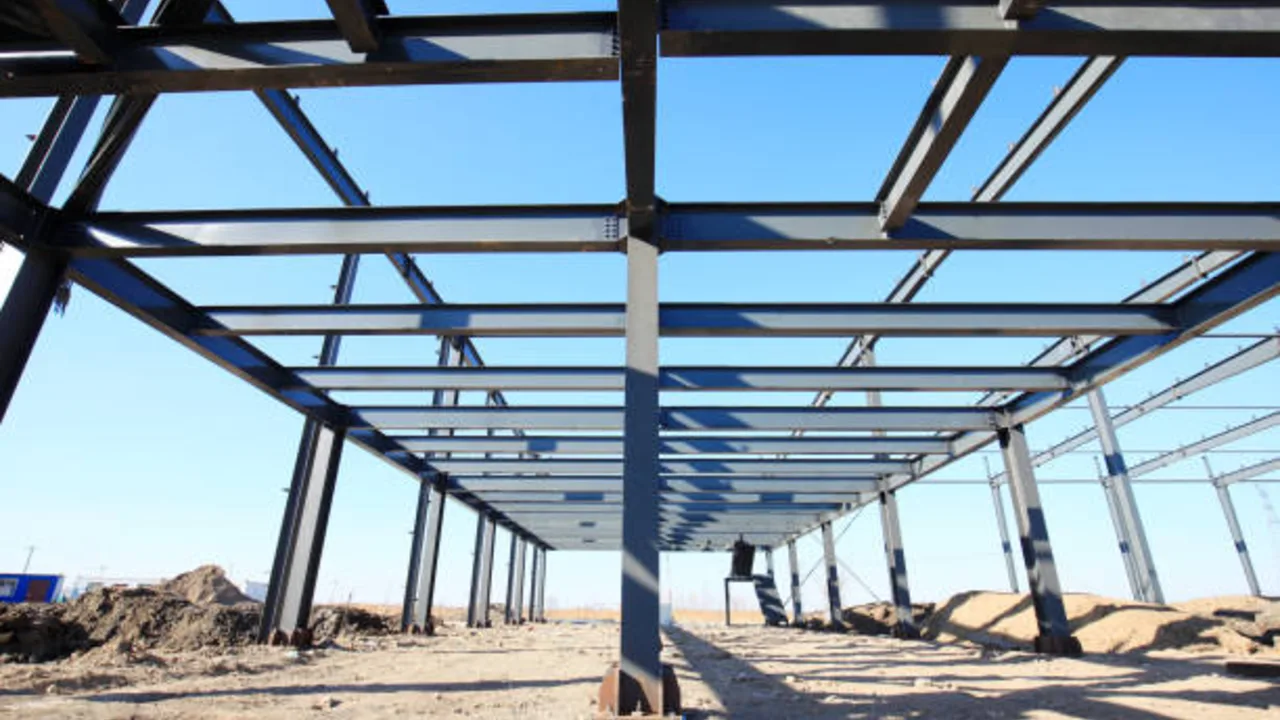
Engineering prefab steel systems refers to the systematic design and planning of steel structures that are manufactured off-site and assembled on-site with minimal modification. Unlike traditional construction, where many processes occur directly at the project location, prefab steel systems shift complexity into the engineering and fabrication stages.
This approach allows engineers to:
- Standardize structural components
- Optimize material usage
- Improve dimensional accuracy
- Reduce on-site labor and construction time
By resolving most technical challenges during the engineering phase, prefab steel systems achieve higher predictability and consistency throughout the project lifecycle.
Structural Design Principles in Prefab Steel Systems
Structural engineering is the foundation of any prefab steel system. Engineers must ensure that each component performs correctly both as an individual element and as part of the overall structural system.
Key design considerations include:
- Load paths and force distribution
- Connection behavior and joint detailing
- Deflection and vibration control
- Compliance with design codes and standards
Because prefab steel systems rely on pre-engineered components, connection design is especially critical. Bolted or welded joints must be engineered to allow fast assembly while maintaining structural integrity under service and extreme loads.
Modular Frames and System Standardization
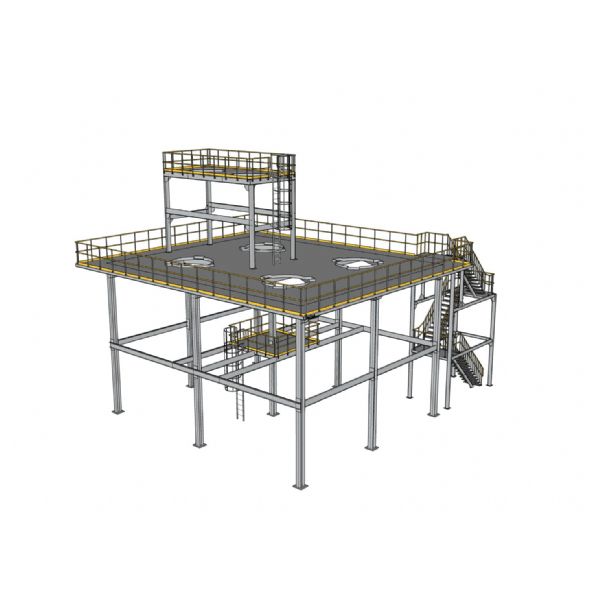
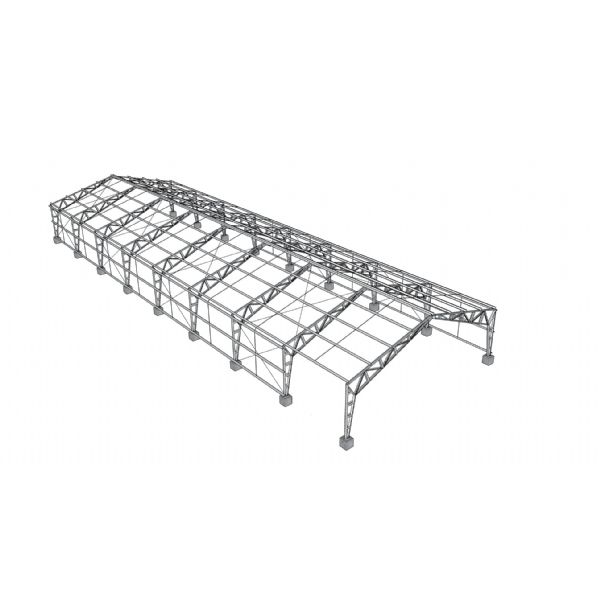
Modular frames are a defining feature of prefab steel systems. Instead of designing every structure from scratch, engineers develop repeatable frame modules that can be adapted to different spans, heights, and load conditions.
Advantages of modular framing include:
- Faster engineering and approval cycles
- Reduced fabrication complexity
- Simplified logistics and erection
- Scalability for future expansion
Standardized modules allow projects to grow or change over time without requiring a complete redesign, making prefab steel systems particularly suitable for industrial facilities and warehouses.
Digital Engineering and BIM Integration
Modern prefab steel engineering relies heavily on digital tools. Building Information Modeling (BIM) enables engineers to coordinate structural design, fabrication details, and installation sequencing within a single digital environment.
Through BIM-based engineering, teams can:
- Detect clashes before fabrication
- Generate precise shop drawings
- Simulate assembly and erection sequences
- Improve collaboration between disciplines
Digital coordination reduces errors, minimizes rework, and ensures that prefabricated components fit together seamlessly on site.
Automated Fabrication and Precision Manufacturing
Automated fabrication plays a central role in translating engineering designs into physical steel components. CNC cutting, robotic welding, and automated drilling systems allow fabrication facilities to produce components with consistent quality and tight tolerances.
Engineering decisions directly influence fabrication efficiency by:
- Standardizing member sizes and profiles
- Optimizing weld lengths and connection details
- Designing components for machine-based processing
When engineering and fabrication processes are aligned, production speed increases while material waste and labor dependency decrease.
Engineering for Transport and On-Site Assembly
Prefab steel systems must be engineered not only for structural performance but also for transportability and ease of assembly. Component dimensions, weights, and lifting points are carefully defined during the engineering stage.
Key considerations include:
- Transportation limits and regulations
- Module segmentation for efficient shipping
- Safe lifting and handling procedures
- Clear erection tolerances
Well-engineered prefab systems reduce installation time and minimize on-site adjustments, improving safety and productivity during erection.
Quality Control and Engineering Validation
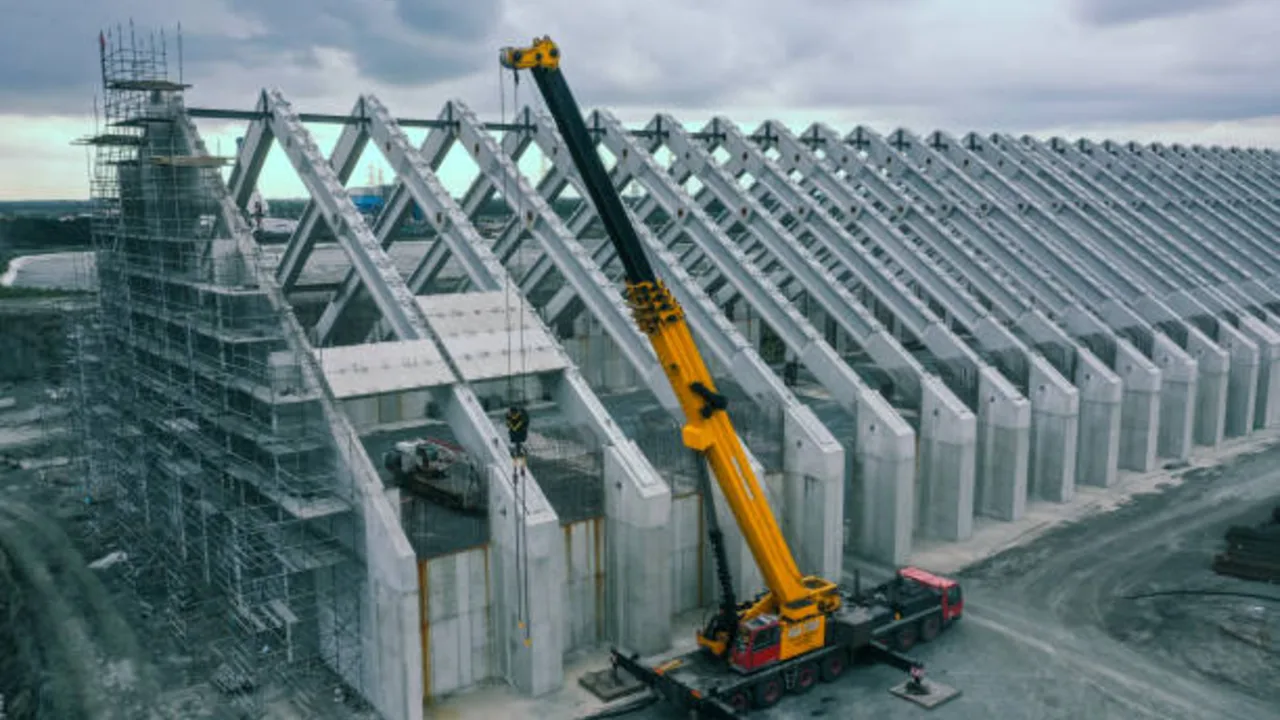
Engineering prefab steel systems incorporate multiple layers of validation to ensure performance and reliability. Structural calculations, connection checks, and fabrication inspections are all guided by engineering specifications.
Typical quality assurance measures include:
- Design verification and peer review
- Factory inspection and dimensional checks
- Trial assembly or fit-up testing
- Documentation and traceability
These processes ensure that prefabricated components meet design intent before they reach the construction site.
Collaboration Between Engineering and Fabrication
The success of prefab steel systems depends on close collaboration between engineers and manufacturers. Design decisions must reflect real fabrication capabilities and production constraints.
Working with an experienced prefabricated steel structure workshop allows engineering teams to refine designs based on practical manufacturing feedback, resulting in more efficient and buildable solutions.
This collaboration reduces design iterations, shortens lead times, and improves overall project performance.
Future Trends in Prefab Steel System Engineering
As construction continues to industrialize, engineering prefab steel systems are evolving toward greater automation, digitalization, and sustainability. Emerging trends include:
- Parametric and generative design tools
- Increased use of robotic fabrication
- Integration of digital twins
- Design for disassembly and reuse
These developments will further enhance the efficiency and adaptability of prefab steel systems across a wide range of applications.
Conclusion: Engineering as the Core of Prefab Steel Systems
Prefab steel systems succeed because of the engineering discipline behind them. From modular frames and digital design to automated fabrication and coordinated assembly, engineering decisions shape every stage of the process.
By investing in robust engineering prefab steel systems, project stakeholders can achieve faster delivery, higher quality, and long-term flexibility—making prefab steel construction a cornerstone of modern building solutions.