In today’s construction landscape, speed and cost efficiency are no longer competitive advantages—they are baseline requirements. Industrial developers, manufacturers, and EPC contractors are under constant pressure to deliver facilities faster while maintaining consistent quality and cost control. This is where prefab workshop solutions are reshaping how industrial buildings are planned and executed.
Prefab workshop benefits extend far beyond faster construction. By shifting a significant portion of work from the job site to a controlled factory environment, prefab workshops help reduce project risks, shorten timelines, and improve budget predictability. This article explains how prefab workshops deliver measurable improvements in project timeline and cost, while maintaining high standards of quality control.
What Is a Prefab Workshop?
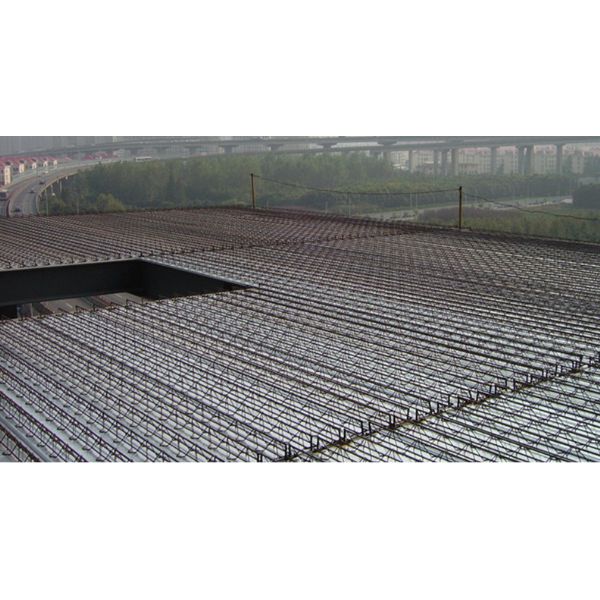
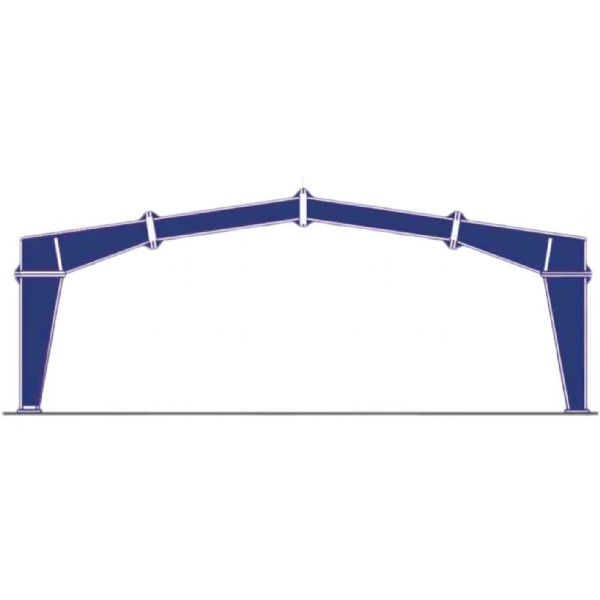
A prefab workshop is an industrial building system in which structural components—such as steel frames, columns, beams, roof systems, and wall panels—are fabricated off-site in a factory and then transported to the project location for assembly.
Unlike conventional on-site construction, prefab workshops rely on standardized processes, modular design, and precise manufacturing methods. This approach allows most structural work to be completed in parallel with site preparation, significantly accelerating the overall project schedule.
Prefab Workshop Benefits for Faster Project Timelines
One of the most immediate and measurable advantages of prefab workshops is construction speed. Unlike conventional building methods that rely heavily on sequential on-site activities, prefab workshop construction restructures the entire project timeline. Time savings are not achieved at a single stage, but rather accumulated across multiple phases of the project lifecycle—design, fabrication, logistics, and installation.
By shifting critical construction activities into a controlled manufacturing environment, prefab workshops enable parallel workflows that significantly compress overall project duration while maintaining consistency and execution quality.
Parallel Manufacturing and Site Preparation
In traditional construction projects, structural fabrication typically begins only after site preparation and foundation works are fully completed. This linear workflow often leads to idle time, scheduling conflicts, and extended project durations.
Prefab workshops eliminate this bottleneck by allowing steel fabrication to start while site activities—such as earthworks, foundation pouring, and utility installation—are still in progress. Structural frames, columns, beams, and roof components are manufactured off-site according to finalized shop drawings, independent of on-site conditions.
This parallel execution creates a highly efficient overlap between manufacturing and site preparation. As soon as foundations are ready, prefabricated components can be delivered and installed without delay. For large industrial projects, this approach can shorten total project timelines by several weeks or even months, accelerating commissioning and enabling earlier operational use of the facility.
Simplified On-Site Assembly
Prefab workshops also dramatically reduce installation time through simplified on-site assembly. Structural components arrive at the construction site pre-engineered, pre-cut, and pre-drilled, with standardized connection details that eliminate the need for extensive on-site modification.
Instead of performing complex fabrication tasks on site, erection crews focus on positioning and bolting components into place following a predefined assembly sequence. This systematic approach minimizes reliance on highly skilled labor for on-site fabrication, reduces the risk of measurement errors, and avoids delays caused by rework or coordination issues.
As a result, steel erection progresses faster, with predictable daily installation rates and fewer interruptions. Even in regions facing labor shortages or skill gaps, prefab workshop assembly remains efficient and controllable.
Reduced Weather Dependency
Weather-related delays are a common challenge in conventional construction, especially for steel fabrication and welding performed on site. Rain, strong winds, extreme temperatures, or high humidity can halt operations, compromise safety, and disrupt schedules.
Prefab workshops significantly reduce weather dependency by relocating most fabrication activities indoors. Controlled factory environments allow steel cutting, welding, and surface treatment to continue uninterrupted regardless of external conditions. This ensures stable production output and reliable delivery schedules.
On site, the shortened assembly period further reduces exposure to adverse weather. Components are installed quickly, limiting the time structures remain partially erected and vulnerable. This weather resilience is particularly valuable for projects in regions with unpredictable climates, helping maintain timeline certainty even under challenging environmental conditions.
Cost Efficiency Through Prefab Workshop Construction
Beyond speed, prefab workshop benefits also translate directly into cost savings across multiple cost categories.
Lower Labor Costs
Factory-based fabrication requires fewer on-site workers and reduces reliance on highly specialized site labor. Controlled workflows and automation further improve productivity, lowering labor costs per square meter of construction.
Minimized Material Waste
In a factory environment, material usage is carefully planned and monitored. Offcuts and excess materials are minimized, and reusable steel scraps are efficiently recycled. This level of control is difficult to achieve in conventional site-based construction.
Predictable Budgeting and Fewer Variations
Prefab workshops are typically designed using standardized systems with fixed specifications. This reduces design changes during construction and minimizes unexpected cost variations, making budgeting more reliable for project owners.
The Role of Quality Control in Prefab Workshops
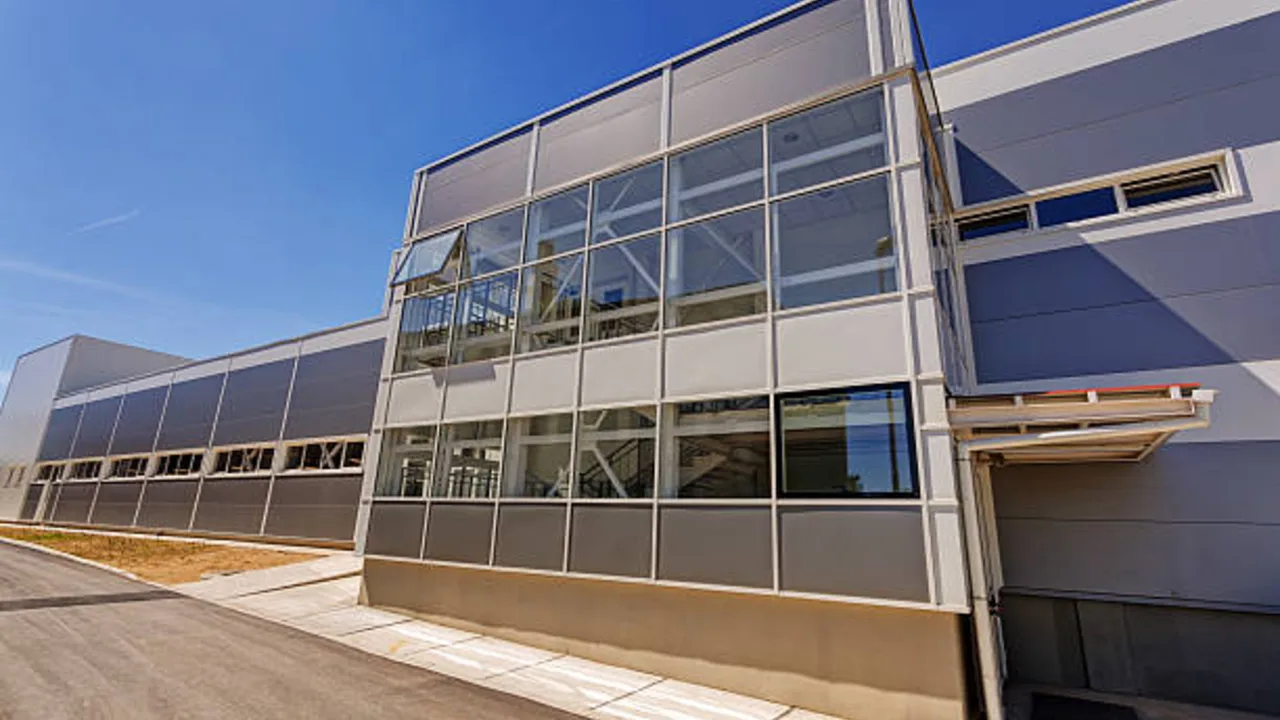
Strong quality control is a defining characteristic of prefab workshop construction. Consistency and precision are built into every stage of the manufacturing process.
Factory-Controlled Production Standards
Steel components are fabricated under strict quality management systems, ensuring dimensional accuracy, weld integrity, and surface treatment consistency. Inspections are conducted at multiple stages before components leave the factory.
Reduced On-Site Errors
Since components are pre-engineered and pre-assembled in controlled conditions, the likelihood of alignment issues or installation errors on site is significantly reduced. This directly improves structural performance and long-term durability.
Compliance With International Standards
Prefab workshops are commonly designed and manufactured in accordance with international standards such as EN, AISC, or equivalent national codes. This ensures predictable performance regardless of project location.
Speed and Quality: A Strategic Advantage for Industrial Projects
The combination of speed and quality control gives prefab workshops a strategic advantage for industrial and commercial developments. Faster project delivery means earlier commissioning, quicker production startup, and improved return on investment.
Industries that benefit most include:
- Manufacturing and processing plants
- Logistics and distribution centers
- Automotive and equipment assembly facilities
- Maintenance and fabrication workshops
In these sectors, time-to-operation is often as critical as construction cost, making prefab workshops a logical choice.
Integrating Prefab Workshops Into Modern Steel Construction
When combined with a prefabricated steel building structure, prefab workshops become part of a broader strategy for efficient steel construction. Design standardization, digital modeling, and off-site manufacturing work together to streamline project execution from concept to completion.
This integrated approach allows developers to scale facilities, replicate designs across multiple sites, and maintain consistent performance standards across projects.
Conclusion: Why Prefab Workshops Deliver Long-Term Value
The advantages of prefab workshops extend well beyond faster construction. By improving speed, strengthening quality control, and reducing overall project costs, prefab workshop systems offer a reliable and scalable solution for modern industrial construction.
For project owners seeking predictable schedules, controlled budgets, and consistent building quality, prefab workshops represent a forward-looking construction method aligned with the demands of today’s industrial environment.