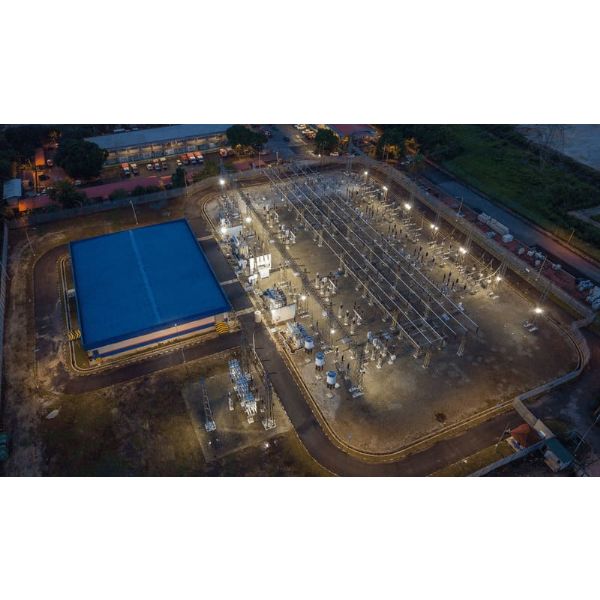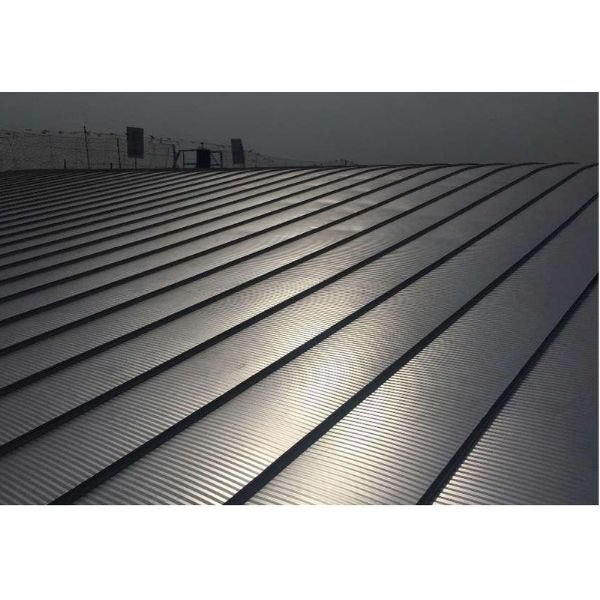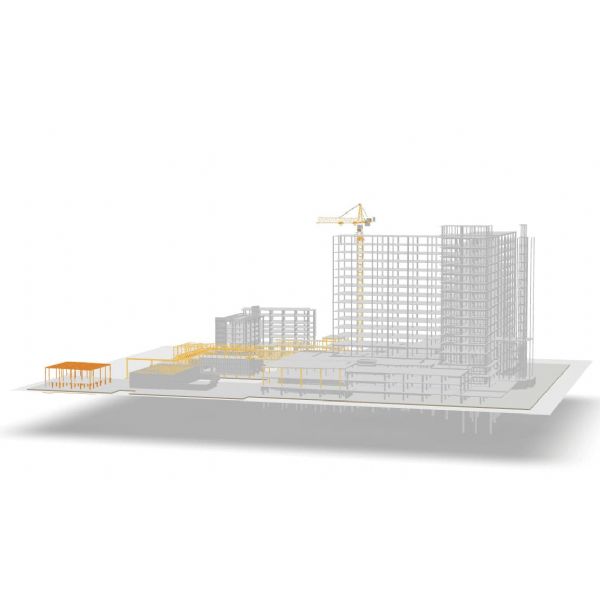

Modern industrial construction projects demand speed, precision, and coordination across multiple disciplines. Steel contractors are often tasked with delivering large-scale facilities under tight schedules, strict safety standards, and complex technical requirements. From factories and warehouses to energy plants and infrastructure facilities, effective project execution depends heavily on structured management systems.
Steel contractor project management refers to the organized approach used by steel contractors to plan, coordinate, and control every phase of an industrial project. Rather than focusing only on fabrication or erection, professional steel contractors manage integrated workflows that align engineering, procurement, construction, and logistics into a single execution strategy.
This article explains how steel contractors manage complex industrial projects, with a focus on EPC services, construction workflow integration, and best practices that ensure on-time, on-budget delivery.
The Role of Steel Contractors in Industrial Projects
Steel contractors play a central role in industrial construction because steel structures form the structural backbone of most large-scale facilities. From factories and warehouses to power plants and logistics hubs, steel systems define load paths, construction sequencing, and overall buildability. As a result, the steel contractor’s responsibilities extend far beyond fabrication to include project coordination, site execution, and technical integration across multiple disciplines.
In complex industrial projects, steel contractors act as a critical link between design intent and physical construction. They translate engineering concepts, drawings, and specifications into practical fabrication and erection strategies that can be safely and efficiently executed on site. This role requires close collaboration with designers, project managers, procurement teams, and site crews to ensure alignment throughout the project lifecycle.
In practice, steel contractors are responsible for:
- Interpreting design intent and technical specifications, ensuring that structural requirements, tolerances, and performance criteria are clearly understood before fabrication begins.
- Coordinating engineering and detailing activities, including shop drawings, connection details, and constructability reviews that align design with manufacturing and erection constraints.
- Managing fabrication, logistics, and site erection, integrating production schedules, transportation planning, and installation sequencing into a unified execution plan.
- Ensuring safety, quality, and schedule compliance, by implementing control systems that monitor progress, manage risks, and maintain consistent standards throughout execution.
Effective project management enables steel contractors to transform complex technical requirements into executable construction plans. By applying structured workflows, clear communication, and proactive coordination, steel contractors help industrial projects achieve predictable schedules, controlled costs, and reliable structural performance. Their ability to manage interfaces and reduce uncertainty makes them a key contributor to the successful delivery of complex industrial developments.
Understanding Steel Contractor Project Management
Steel contractor project management is a structured system that governs how resources, schedules, and workflows are controlled throughout the entire project lifecycle—from early engineering coordination to final erection and handover. Unlike traditional trade-based management, which often treats steel work as a standalone activity, this approach emphasizes early integration across engineering, procurement, fabrication, logistics, and site execution. The goal is to manage steel construction as a single, interconnected process rather than a series of disconnected tasks.
At the core of steel contractor project management is proactive coordination. By engaging early in the project, steel contractors can align structural design intent with fabrication capabilities and erection constraints. This early involvement allows potential conflicts to be identified and resolved before they impact cost, schedule, or safety performance on site.
Key objectives of steel contractor project management include:
- Minimizing interface conflicts between disciplines by clearly defining responsibilities and coordinating interactions between designers, fabricators, logistics teams, and site crews.
- Reducing construction risks and rework through constructability reviews, method statements, and controlled sequencing of fabrication and erection activities.
- Maintaining cost and schedule predictability by linking production planning, material procurement, and site installation into a unified execution schedule.
- Ensuring constructability and safety on site by integrating safety planning, temporary stability considerations, and access requirements into the overall project strategy.
By managing steel work as a coordinated and transparent process rather than isolated tasks, contractors gain better visibility into project progress, reduce uncertainty, and improve decision-making. This structured management approach enables steel contractors to deliver complex industrial projects with higher efficiency, improved quality control, and more reliable outcomes for all stakeholders.
Project Planning and Engineering Coordination

Project management begins during the planning and engineering phase. Early coordination between designers, engineers, and contractors is critical for success.
Scope Definition and Work Breakdown
Steel contractors break down the project into manageable scopes, such as:
- Structural steel fabrication
- Connection detailing
- Transportation and logistics
- On-site erection and finishing
Clear scope definition prevents overlaps, omissions, and disputes later in the project.
Design Review and Constructability Analysis
Before fabrication begins, contractors review designs to identify constructability issues. This includes checking:
- Connection feasibility
- Erection sequencing
- Tolerance compatibility
- Temporary stability requirements
Early constructability input reduces design revisions and site delays.
EPC Services and Integrated Delivery Models
Many industrial projects adopt EPC services (Engineering, Procurement, and Construction) to streamline execution. Under this model, steel contractors often act as integrated partners rather than isolated suppliers.
Engineering Integration
Steel contractors coordinate closely with engineering teams to ensure that detailing, fabrication, and erection requirements are aligned. This reduces design-to-site discrepancies.
Procurement and Supply Chain Control
Procurement management includes sourcing raw materials, coordinating fabrication schedules, and managing vendor performance. Stable supply chains are essential for meeting project milestones.
Construction Execution
Under EPC frameworks, construction activities are planned in parallel with engineering and procurement, enabling faster project delivery and better risk control.
Managing the Steel Construction Workflow
An efficient construction workflow is essential for handling complex industrial projects. Steel contractors manage workflows through structured sequencing and coordination.
Fabrication Workflow Control
Fabrication is managed through:
- Production scheduling and capacity planning
- Quality inspections at each stage
- Progress tracking and reporting
Standardized fabrication workflows reduce variability and improve predictability.
Logistics and Site Coordination
Steel components are often fabricated off-site and delivered just-in-time. Contractors coordinate:
- Transportation schedules
- Site access and storage
- Lifting plans and equipment availability
Well-managed logistics prevent congestion and minimize handling risks on site.
Safety, Quality, and Risk Management
Complex industrial projects involve elevated safety, quality, and operational risks due to heavy lifting activities, work at height, tight schedules, and the interaction of multiple trades. Effective steel contractor project management integrates safety, quality, and risk controls into daily operations rather than treating them as standalone compliance requirements. This integrated approach ensures that risk mitigation is embedded into every stage of execution, from planning and fabrication to on-site erection.
By aligning safety and quality management with project scheduling and workflow control, steel contractors can reduce incident rates, avoid costly rework, and maintain consistent performance throughout the project lifecycle.
Safety Management Systems
Professional steel contractors implement structured safety management systems tailored to the specific risks of steel construction. These systems are not limited to generic safety rules but are built around task-based risk assessments and method statements.
Key safety planning areas typically include:
- Work-at-height protection, such as guardrails, safety nets, and personal fall arrest systems integrated into erection sequencing.
- Crane and lifting operations, including lift planning, certified operators, rigging inspections, and exclusion zones during critical lifts.
- Hot work and welding safety, covering fire prevention measures, ventilation control, and permit-to-work systems.
- Emergency response procedures, ensuring that evacuation routes, rescue plans, and first-aid resources are clearly defined and communicated to all site personnel.
Strong safety management protects workers while also minimizing project disruptions caused by incidents, investigations, or regulatory interventions.
Quality Assurance and Inspection
Quality management is equally critical in steel construction, as fabrication or installation errors can have serious structural and safety consequences. Steel contractor project management incorporates quality assurance into both factory and site operations.
Quality control activities typically include:
- Material traceability, ensuring that steel grades and certifications match project specifications from procurement through installation.
- Dimensional checks, verifying tolerances during fabrication to prevent alignment issues on site.
- Welding inspections, including visual inspection, non-destructive testing, and verification of qualified welding procedures.
- Final acceptance documentation, such as inspection records, test reports, and as-built documentation required for handover.
Consistent quality processes reduce rework, improve installation efficiency, and help prevent disputes between contractors, clients, and inspectors.
Integrated Risk Management Approach
Beyond safety and quality, steel contractors apply systematic risk management to anticipate and control uncertainties that may impact project outcomes. Common risks include schedule slippage, supply chain disruptions, design changes, and site access constraints.
Through early risk identification, continuous monitoring, and corrective action planning, steel contractor project management enables teams to respond proactively rather than reactively. This integrated approach improves predictability, protects margins, and supports the successful delivery of complex industrial projects.
Communication and Stakeholder Coordination
Industrial steel projects involve multiple stakeholders, including owners, designers, subcontractors, and inspectors. Clear communication is essential for coordination.
Steel contractors maintain:
- Regular coordination meetings
- Transparent progress reporting
- Structured change management procedures
Effective communication ensures alignment across all project participants.
Choosing the Right Steel Structure Contractor
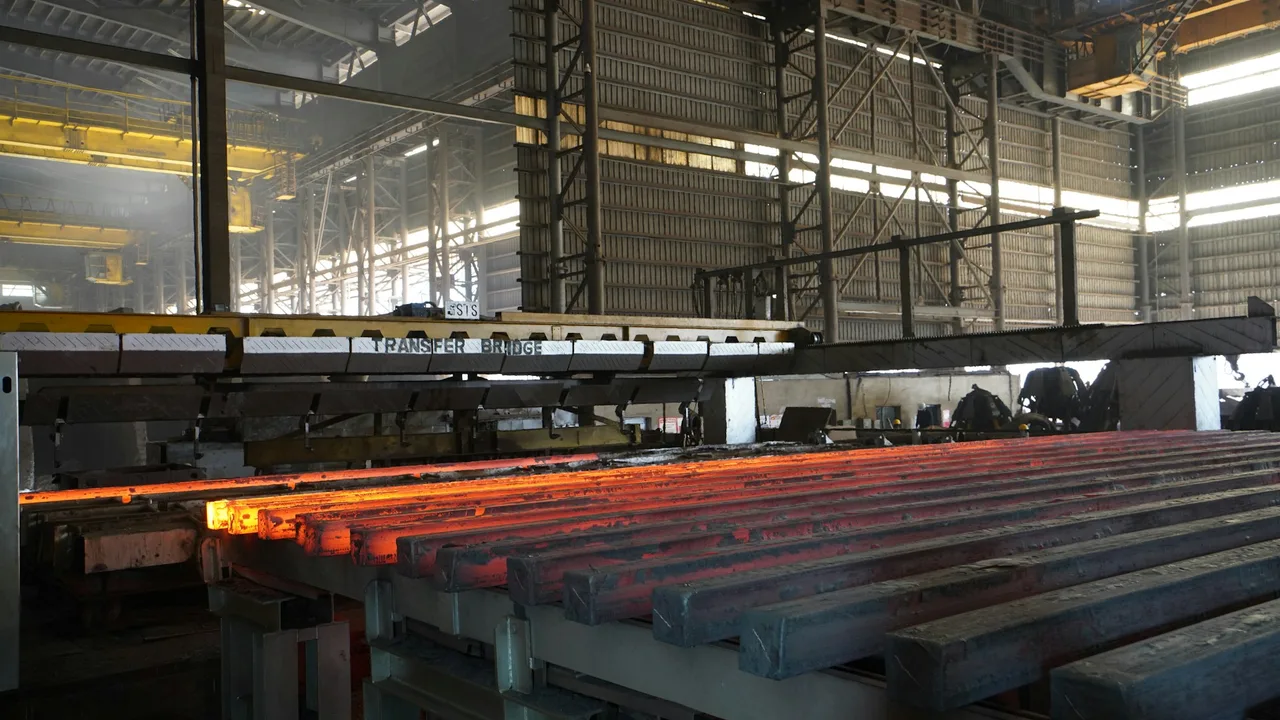
The success of complex industrial projects often depends on selecting an experienced steel structure contractor with proven project management capabilities.
Key selection criteria include:
- Experience with similar industrial projects
- Integrated EPC or project management expertise
- Strong safety and quality records
- Transparent communication and reporting systems
A capable contractor reduces execution risk and improves overall project outcomes.
Conclusion: Delivering Complexity Through Structured Management
Managing complex industrial steel projects requires more than technical expertise—it demands disciplined project management, integrated workflows, and proactive risk control. Steel contractor project management brings structure and clarity to challenging projects by aligning engineering, fabrication, logistics, and construction into a unified execution plan.
Through effective EPC services, optimized construction workflows, and strong coordination, steel contractors can deliver large-scale industrial projects safely, efficiently, and predictably.