Modern aviation infrastructure demands structures that are strong, flexible, fast to build, and capable of supporting complex aircraft operations. From international airports and MRO hubs to military airbases and private airfields, the steel hangar building has become the global standard for aircraft storage, maintenance, and operational readiness. Compared with traditional concrete facilities, steel hangar solutions deliver superior clear-span performance, shorter construction timelines, and lower lifecycle costs.
As aircraft fleets continue to expand and aviation operations become more specialized, developers and operators require hangar buildings that can adapt to changing aircraft sizes, environmental conditions, and regulatory requirements. A well-designed steel hangar building provides the structural reliability and scalability needed to support commercial airlines, defense operations, and private aviation with long-term efficiency.
What Is a Steel Hangar Building?
A steel hangar struture is a purpose-engineered structure designed primarily for aircraft storage, maintenance, repair, and overhaul activities. It is typically constructed using heavy-duty structural steel frames, long-span trusses or portal frames, and high-performance roof and wall systems. The defining feature of steel hangars is their ability to create wide, column-free interiors that allow unrestricted aircraft movement.
Unlike conventional industrial buildings, steel hangars must accommodate oversized door openings, heavy aircraft loads, advanced MEP systems, and strict aviation safety standards. Steel’s high strength-to-weight ratio makes it ideal for achieving spans exceeding 60, 80, or even 100 meters without internal supports, which is essential for modern aviation operations.
Why Steel Hangar Buildings Dominate Modern Aviation
Clear-Span Structural Advantage
The most significant benefit of a steel hangar building is its clear-span capability. Steel frames and truss systems allow engineers to design vast internal spaces without columns, ensuring smooth aircraft towing, parking, and maintenance workflows. This is particularly important for wide-body aircraft, MRO operations, and military applications where internal obstructions are unacceptable.
Clear-span layouts also improve operational safety by reducing collision risks and simplifying internal logistics. As aircraft sizes evolve, steel hangar buildings can accommodate new fleet requirements without major structural modifications.
Speed of Construction
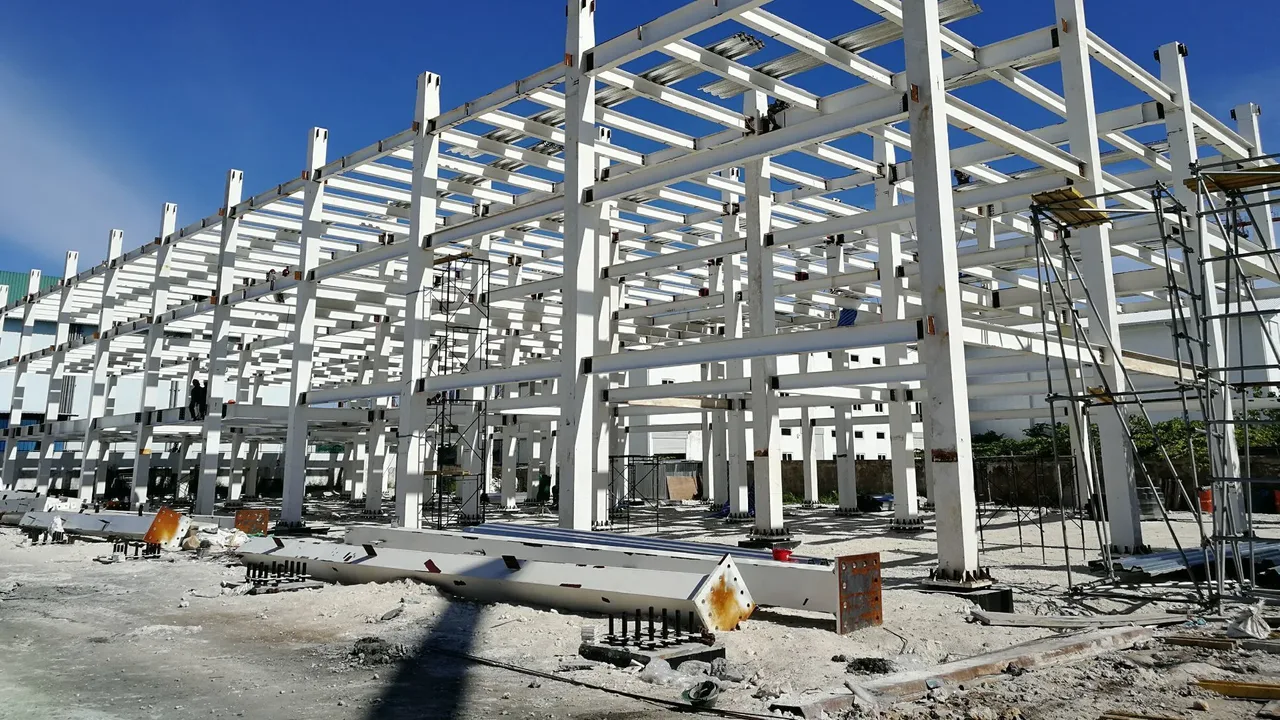
Construction speed is a critical factor in aviation projects, where downtime translates directly into financial loss. A prefabricated steel hangar building can be manufactured off-site under controlled factory conditions and assembled rapidly on-site. This approach significantly reduces construction timelines compared to cast-in-place concrete buildings.
Steel prefabrication also improves quality consistency, minimizes weather-related delays, and allows for predictable project scheduling. For airports and military facilities requiring rapid deployment, steel hangar construction offers unmatched efficiency.
Durability and Lifecycle Performance
Steel hangar buildings are engineered to withstand extreme environmental conditions, including high winds, heavy snow loads, seismic activity, and corrosive coastal environments. With proper coatings, galvanization, and corrosion protection systems, a steel hangar building can maintain structural integrity for decades with minimal maintenance.
Over its lifecycle, steel delivers lower total cost of ownership through reduced repair requirements, easier upgrades, and long-term performance reliability.
Applications of Steel Hangar Buildings

Commercial Aviation Hangars
Commercial airports and airline operators rely heavily on steel hangar buildings for aircraft storage, line maintenance, and heavy MRO operations. These facilities often require spans between 40 and 70 meters, high door openings, and reinforced floors capable of supporting ground support equipment.
A steel hangar building for commercial aviation can integrate maintenance bays, workshops, spare parts storage, and administrative offices under one roof. The flexibility of steel allows these facilities to scale as airline fleets grow.
Military Steel Hangar Buildings
Military aviation demands structures that prioritize durability, rapid deployment, and operational security. Steel hangar buildings are widely used on airbases due to their ability to be prefabricated, transported, and assembled quickly—even in remote or hostile environments.
Military steel hangars can be designed with reinforced frames, blast-resistant features, and climate-specific protections such as sandstorm resistance or extreme wind load capacity. Their modular nature also allows temporary or semi-permanent deployment.
Private and General Aviation Hangars
Private aviation, business jets, and flight schools benefit from cost-efficient and scalable steel hangar structure. These structures typically feature spans of 20 to 30 meters and simpler door systems, making them an economical solution for individual aircraft owners or regional airfields.
A private steel hangar structure offers fast construction, low maintenance, and the flexibility to expand as aircraft operations increase.
Key Engineering Components of a Steel Hangar Building
Structural Frame System
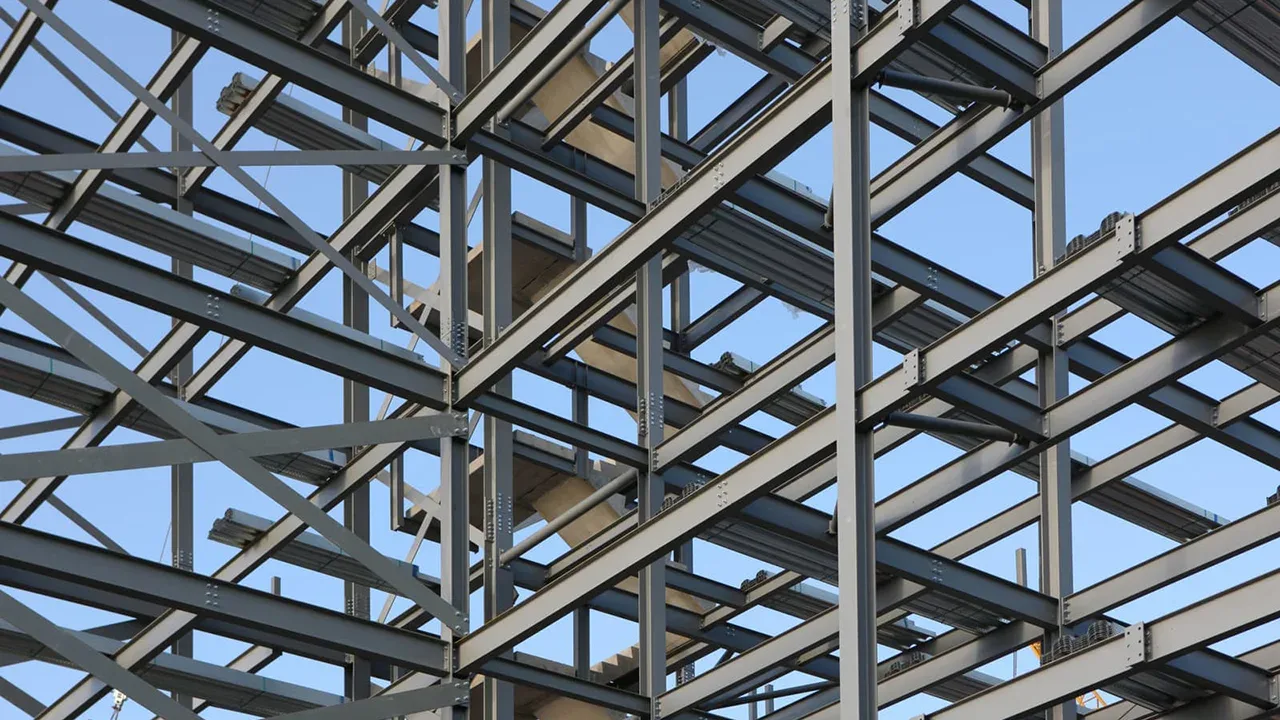
The backbone of any steel hangar building is its structural frame system. Depending on span requirements and load conditions, engineers may use portal frames, rigid frames, or long-span truss systems. These frames are designed to handle roof loads, wind forces, door system loads, and suspended equipment.
Hangar Door Systems
Hangar doors are among the most technically demanding elements of a steel hangar building. Common door types include sliding doors, bi-fold doors, and hydraulic doors. Each system affects structural design, cost, energy efficiency, and operational convenience.
Door selection must align with aircraft size, opening width, wind exposure, and frequency of operation.
Building Envelope and Insulation
The building envelope plays a crucial role in energy efficiency and internal environmental control. Modern steel hangar structure use insulated metal panels, roof insulation systems, and weather-sealed joints to maintain stable interior conditions and protect aircraft components.
Design Flexibility and Customization Options
One of the defining strengths of a steel hangar building is its design flexibility. Steel structures can be customized in terms of span width, height, door configuration, and internal layout. Mezzanine levels, offices, control rooms, and observation decks can be seamlessly integrated into the steel framework.
Additionally, steel hangars easily accommodate advanced systems such as HVAC, fire suppression, aircraft fueling infrastructure, and high-intensity lighting. This adaptability ensures that the hangar remains functional as operational needs evolve.
Cost Factors in Steel Hangar Building Projects
Primary Cost Drivers
The total cost of a steel hangar building depends on several factors, including span width, door system type, structural load requirements, insulation level, and geographic location. Larger spans and advanced door systems typically represent the highest cost components.
Cost Comparison Table
| Hangar Type | Typical Span | Cost Level | Key Characteristics |
|---|---|---|---|
| Private Aviation Hangar | 20–30 m | Low to Medium | Simple structure, basic doors |
| Commercial Aviation Hangar | 40–70 m | Medium to High | Large doors, reinforced floors |
| Military Hangar | 30–80 m | Medium to High | Reinforced, rapid deployment |
Steel Hangar Building vs Concrete Hangar
When comparing steel hangar struture with concrete hangars, steel consistently outperforms in speed, flexibility, and long-term cost efficiency. Concrete structures require longer curing times, higher labor input, and are difficult to modify once built.
A steel hangar building can be expanded, relocated, or upgraded with minimal disruption, making it a future-proof investment for aviation operators.
Construction Process of a Steel Hangar Building
Planning and Engineering
The process begins with defining aircraft requirements, operational workflows, and environmental conditions. Engineers then develop structural calculations and detailed drawings tailored to the specific hangar application.
Fabrication and Quality Control
Steel components are fabricated in controlled factory environments using CNC machinery, welding automation, and strict quality inspections. This ensures dimensional accuracy and consistent performance.
On-Site Installation
Once delivered, the steel structure is erected efficiently using cranes and bolted connections. Roof and wall panels, doors, and MEP systems follow in a coordinated installation sequence.
Commissioning and Handover
The final stage includes system testing, safety inspections, and operational commissioning, resulting in a fully functional steel hangar building ready for aviation use.
Case Studies of Steel Hangar Buildings
Commercial Airline Hangar
A major airline developed a 55-meter clear-span steel hangar building to support narrow-body aircraft maintenance. The project featured bi-fold doors, heavy-duty flooring, and integrated MRO workstations, completed within a compressed schedule.
Military Rapid-Deployment Hangar
A modular steel hangar was deployed in a remote military location, offering fast assembly, reinforced structure, and resistance to extreme wind and sandstorm conditions.
Private Jet Steel Hangar
A private aviation operator constructed a cost-effective steel hangar with a 30-meter span, sliding doors, and basic HVAC, delivered in less than two months.
Sustainability and Energy Efficiency
Steel hangar support sustainable construction through recyclable materials, energy-efficient insulation systems, and compatibility with solar roofing solutions. Compared to concrete, steel structures reduce material waste and embodied carbon over their lifecycle.
FAQs About Steel Hangar Buildings
How long does a steel hangar building last?
With proper maintenance, steel hangars can last 40–70 years or more.
Can a steel hangar be expanded?
Yes, modular steel systems allow future expansion with minimal disruption.
Are steel hangar suitable for extreme climates?
Absolutely. They can be engineered for high winds, snow loads, seismic zones, and corrosive environments.
Conclusion
A steel hangar building represents the most efficient, durable, and flexible solution for modern aviation infrastructure. Whether supporting commercial airlines, military operations, or private aviation, steel hangars deliver unmatched structural performance, fast construction, and long-term value. As aviation continues to evolve, steel hangar buildings remain the backbone of reliable and scalable aircraft facilities worldwide.