Around the world, stadium development has entered a new era of efficiency and engineering innovation. From sports arenas and racing circuits to indoor venues and mega event facilities, steel stadium construction has become the preferred method for reducing cost, accelerating project schedules, and achieving high structural performance. Cities, developers, contractors, and government agencies are choosing steel because it offers major steel stadium construction cost savings through prefabrication, modular engineering, and optimized material efficiency.
Stadiums are no longer just buildings. They are complex public venues designed to handle huge crowds, withstand extreme loading conditions, and operate with maximum safety and long-term durability. This is where steel delivers significant value. The unique combination of flexible design, high engineering strength, and fast installation translates directly into steel stadium construction cost savings throughout planning, engineering, and lifecycle operations. The financial impact is clear: shorter timelines, lower labor requirements, reduced foundation work, and minimal long-term maintenance.
Why Steel Structures Offer the Best Cost and Speed for Stadium Projects
Unlike concrete stadiums that require long curing time and large-scale manual construction, steel stadiums are largely prefabricated and assembled off-site. Every structural member is engineered with precision, reducing on-site complexity and errors. This operational efficiency results in predictable budgets, faster installation, and major steel stadium construction cost savings across the entire project lifecycle.
Steel’s lightweight strength also makes it easier to design stadiums with long spans, cantilever roofing, and column-free spaces. These design characteristics reduce the need for expensive foundation work and eliminate heavy and slow concrete installation. In real-world stadium development, these engineering advantages turn into tangible steel stadium construction cost savings for investors and builders.
Engineering Techniques That Reduce Construction Cost
Modern stadium steel structures use several construction methods that improve efficiency:
- Modular stadium components
- Prefabricated truss and roof systems
- High-strength structural steel members
- Bolted and welded connections for fast assembly
- Factory-level quality control
Each of these techniques creates measurable steel stadium construction cost savings by reducing manpower, material waste, and engineering complexity during installation.
Faster Installation and Accelerated Construction Timeline
Construction speed is one of the biggest financial advantages of steel structures. Steel stadiums can be installed up to 40–60% faster because material fabrication, cutting, welding, and finishing are performed in a controlled factory environment rather than on the jobsite. As a result, stadium owners and developers achieve higher steel stadium construction cost savings due to:
- Shorter project timelines
- Reduced worker hours
- Less construction overhead
- Fewer equipment rentals and operational expenses
Unlike concrete, which requires curing, formwork, and extended site operations, steel is installed immediately and safely. This eliminates delay risks and generates additional steel stadium construction cost savings through efficient scheduling and reduced construction downtime.
Lower Foundation Requirements and Reduced Structural Loads
Because steel structures are lightweight compared to concrete, foundation construction becomes simpler and cheaper. Cost reductions include:
- Smaller excavation
- Less concrete volume
- Reduced reinforcement
- Shorter installation time
These foundation efficiencies directly support steel stadium construction cost savings since stadium loads can be distributed more efficiently across the site.
Comparing Cost of Steel and Concrete Stadiums
| Criteria | Steel Stadium | Concrete Stadium |
|---|---|---|
| Construction Speed | Very Fast | Slow |
| Installation Cost | Lower | Higher |
| Maintenance | Low | High |
| Material Waste | Minimal | High |
The difference becomes even more significant when dealing with complex architecture like long-span roofing, cantilever seating, and multi-tier arenas. Steel simplifies these elements and reduces structural complexity — delivering even greater steel stadium construction cost savings for large-scale stadium projects.
How Modular Engineering Creates Major Cost Advantages
Stadium projects are ideal for modular steel construction. Modularization provides several financial and scheduling benefits:
- Repeatable structural elements
- Efficient assembly sequencing
- Higher quality control
- Rapid on-site installation
- Lower engineering risk
Each of these outcomes reinforces steel stadium construction cost savings at every stage from design to commissioning.
Reduced Maintenance, Long-Term Durability, and Lifecycle Savings
The long-term operation of a stadium contributes more cost than initial construction. Steel delivers continuous steel stadium construction cost savings throughout its lifecycle because it offers:
- High corrosion resistance
- Long lifespan
- Minimal repair and replacement
- Fire and seismic resistance
When coated and protected properly, steel stadiums remain structurally safe for decades with minimal maintenance cost. Over time, the long-term steel stadium construction cost savings far exceed what concrete-based stadiums can offer.
Why Developers Choose Steel for Stadium ROI
Stadiums are major financial investments. Steel makes it easier to control costs and accelerate returns because the venue can be completed and opened earlier. Faster completion means revenue begins sooner — delivering immediate steel stadium construction cost savings and better long-term ROI compared to concrete and traditional building systems.
Improved Construction Workflow and Project Phasing
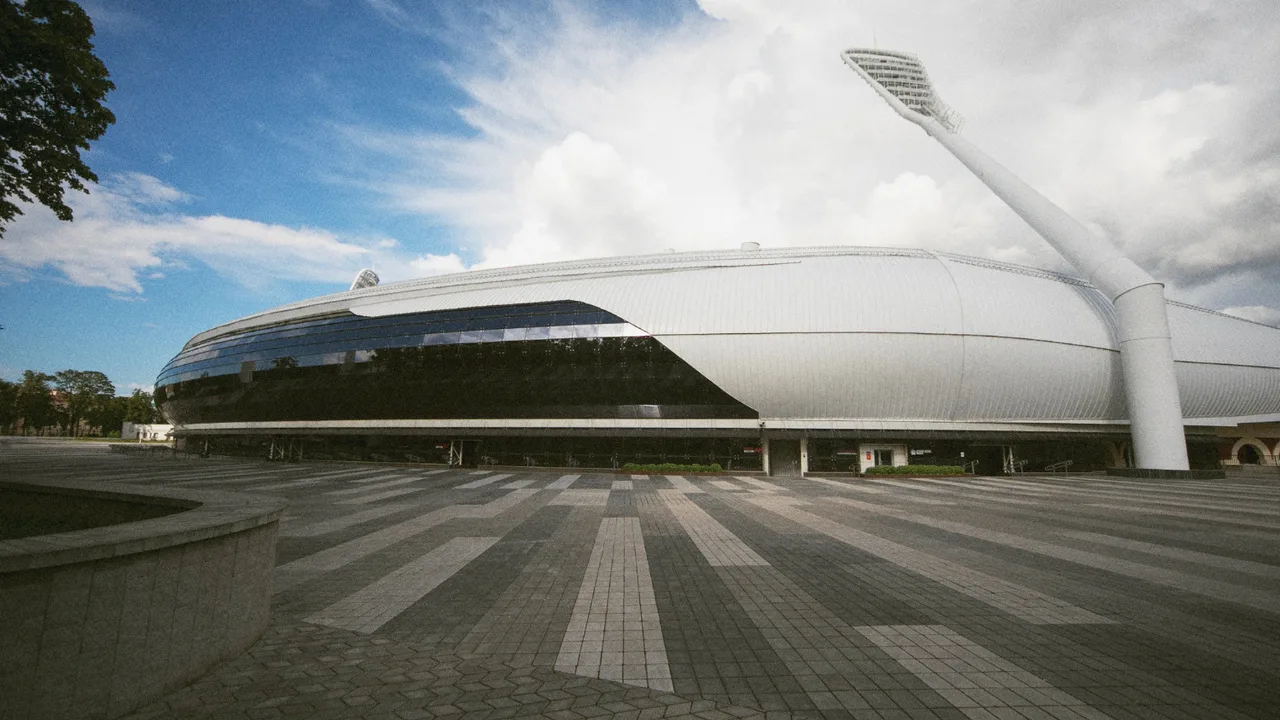
Stadium construction is highly complex and requires coordination across multiple engineering systems. The structural frame, roof systems, mechanical components, seating modules, and access platforms must be installed in a specific order. Steel creates predictable and efficient workflow planning that minimizes conflict between trades and avoids delays that often happen in concrete projects. This strategic workflow allows contractors to achieve significantly higher steel stadium construction cost savings through better project control.
With steel engineering, the stadium can be divided into separate construction segments and phased into parallel activities. This means foundation work can be completed while fabrication and material finishing continue in the factory. The result is a faster schedule, fewer idle workers, and optimized equipment usage. These improvements in concurrent workflow are another direct source of steel stadium construction cost savings.
| Phase | Steel Construction Method | Impact on Cost & Time |
|---|---|---|
| Foundation | Lighter structural load reduces foundation complexity | Lower excavation & concrete cost |
| Main Structure | Modular steel columns and beams | Fast erection & reduced labor |
| Roof System | Prefabricated truss and long-span steel roofing | Shorter construction timeline |
| Finishing | Minimal curing time required | Accelerated handover |
These systematic phases enable the contractor to eliminate bottlenecks and maximize steel stadium construction cost savings throughout the entire construction workflow.
Scalability and Expansion for Future Capacity
Steel stadium structures are highly adaptable. Stadiums are designed not only for immediate capacity but also for future expansions such as increased seating, new roof modules, or technological upgrades. Concrete stadiums often require costly demolition for expansion, while steel structures can be modified easily. This inherent flexibility supports long-term steel stadium construction cost savings because expansion becomes faster and less expensive.
Steel is ideal for projects that need:
- Modular seating additions
- Roof expansion or full enclosure
- VIP stands installation
- Media platforms and lighting bridges
- Temporary modifications for special events
When stadium owners want to expand capacity or integrate new systems, steel makes the process seamless and cost-effective. This future-proofing capability is one of the strongest contributors to cumulative steel stadium construction cost savings.
Steel Stadium Applications and Use Cases
Steel stadium construction applies to various projects across commercial and public sectors. Each application benefits from faster installation, lower structural weight, and efficient material usage—all of which deliver significant steel stadium construction cost savings.
- National-level sports arenas
- Indoor and outdoor competition stadiums
- Olympic and international venues
- Community and school stadiums
- Temporary or mobile stadium solutions
Hidden Cost Advantages That Many Developers Overlook
Beyond the visible construction cost, traditional stadium development involves many hidden expenses—logistics, site preparation, material handling, changes due to weather, and rework from installation issues. Steel eliminates most of these risks. The factory-controlled manufacturing process ensures higher precision and reduces waste. As a result, developers gain more predictable budgets and achieve greater steel stadium construction cost savings.
| Cost Factor | Steel Stadium | Concrete Stadium |
|---|---|---|
| Weather Delays | Very Low | High |
| Material Waste | Minimal | Significant |
| Labor Cost | Low | High |
| Site Equipment | Reduced | Heavy machinery |
These hidden savings often determine whether the project stays within budget. Steel guarantees fewer surprises and more consistent steel stadium construction cost savings.
Sustainability and Environmental Efficiency
Sustainability is now a requirement for modern infrastructure. Steel is 100% recyclable and can be reused for future projects. This eliminates waste and reduces environmental footprint, which in turn contributes to long-term steel stadium construction cost savings. Additionally, steel stadiums simplify compliance with green building regulations and sustainability certifications.
Steel supports:
- Lower energy consumption
- Environmentally friendly fabrication
- Lower material waste
- Reusability and recyclability
All of these elements help deliver long-term steel stadium construction cost savings while maintaining high sustainability standards.
How Steel Structures Improve Safety and Performance
Stadiums must withstand seismic loads, wind pressure, crowd loads, and dynamic structural movement. Steel structures are engineered for these critical performance requirements and provide superior safety and strength. Steel’s reliability reduces maintenance costs, eliminates structural failure risks, and ensures long-term durability. This performance benefit leads to substantial steel stadium construction cost savings.
Whether the structure is a long-span roof or a heavy-duty seating platform, steel maintains strength while minimizing material usage. This unique balance of light weight and structural capacity is a powerful driver of steel stadium construction cost savings.
ROI and Financial Results of Steel Stadium Construction
Beyond construction cost savings, steel stadiums give better long-term ROI. Developers, contractors, and investors benefit from:
- Faster project completion
- Earlier opening for revenue
- Lower financing and operational expenses
- High lifecycle value
A stadium that opens months earlier creates a stronger financial foundation, enhances revenue stream, and provides greater steel stadium construction cost savings across the entire business cycle.
Cost-Benefit Analysis
| Criteria | Steel Stadium | Concrete Stadium |
|---|---|---|
| Construction Speed | Fast | Slow |
| Total Project Cost | Lower | Higher |
| Revenue Efficiency | Earlier opening | Delayed opening |
| Lifecycle Savings | High | Low |
This financial evaluation clearly shows how steel architecture delivers superior steel stadium construction cost savings from planning to operation.
The Future of Stadium Construction
As global sports infrastructure continues to evolve, steel is becoming the dominant material for stadiums and event venues. The technology behind steel construction—fabrication, modular engineering, digital design, and automated assembly—continues to improve. These innovations further increase steel stadium construction cost savings for future projects. The ability to construct efficiently, reduce material consumption, and optimize long-term operations makes steel the defining standard for modern stadium systems.
Conclusion
Steel stadium construction provides unparalleled financial and operational advantages. From faster installation and reduced material usage to scalable design and future upgrades, steel delivers the highest possible steel stadium construction cost savings for modern stadium development. The combination of cost efficiency, structural strength, and long-term performance ensures steel remains the most reliable and cost-effective stadium construction method for the future.