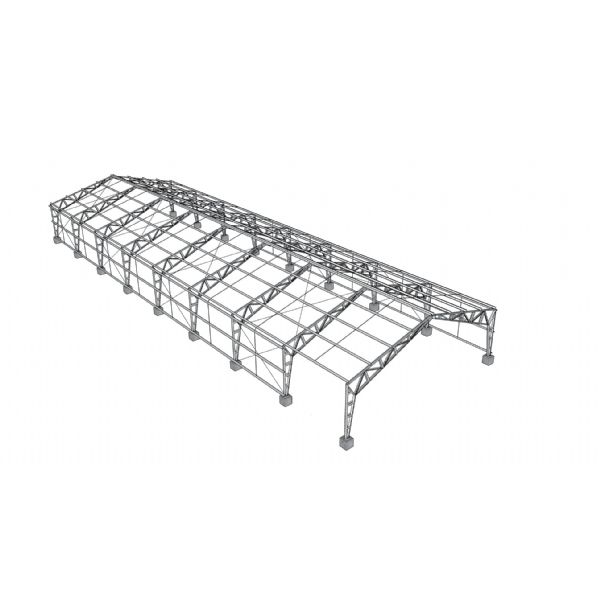
In the steel construction industry, the workshop is far more than a production space—it is the operational core that determines quality, efficiency, and delivery reliability. From cutting raw steel plates to assembling complex structural components, nearly every critical activity takes place inside the workshop. For steel structure companies, workshop capability directly reflects their overall competitiveness.
Steel workshop importance becomes especially evident in industrial and large-scale projects where precision, consistency, and speed are essential. A well-equipped and well-managed workshop enables manufacturers to control fabrication workflow, reduce errors, and meet demanding project schedules.
This article explores why workshops matter so much in steel structure companies, focusing on fabrication workflow, equipment capability, and the role workshops play in delivering reliable steel structures.
Understanding the Importance of Steel Workshops
Steel workshops are specialized facilities where raw materials are transformed into ready-to-install structural components through a series of controlled and highly coordinated fabrication processes. Unlike on-site construction activities that are exposed to weather conditions, space limitations, and variable site logistics, workshop fabrication is carried out in a stable and managed environment. This controlled setting allows steel structure companies to achieve higher precision, repeatability, and overall production reliability.
The importance of a steel workshop lies in its ability to centralize critical fabrication activities under one roof. Cutting, drilling, welding, assembly, inspection, and surface treatment are performed according to predefined procedures, ensuring that every component meets design and quality requirements before being delivered to the construction site. This approach shifts complexity away from the site and into a more efficient production environment.
A well-equipped and well-managed steel workshop enables several key advantages:
- Ensuring dimensional accuracy and fabrication consistency
Precision machinery, standardized jigs, and skilled operators allow workshops to maintain tight dimensional tolerances across large volumes of steel components. Consistent fabrication reduces alignment issues during erection and ensures that components fit together as intended. - Improving production efficiency through optimized workflows
Workshops are designed with logical material flow layouts that minimize unnecessary handling and movement. Optimized fabrication workflows reduce production time, improve labor productivity, and allow multiple fabrication stages to run in parallel. - Reducing on-site installation risks and rework
By resolving fabrication challenges within the workshop, potential issues are identified and corrected before delivery. This significantly reduces the need for on-site modifications, which often involve safety risks, additional labor, and schedule disruptions. - Supporting large-volume and complex steel projects
Large industrial projects and complex structural systems require consistent output and high fabrication capacity. Steel workshops provide the space, equipment, and organizational structure needed to manage high volumes, heavy members, and intricate connection details.
For steel structure companies, workshop strength often determines whether projects can be delivered on time and within budget. Strong workshop capability translates into predictable production schedules, reliable quality control, and smoother site operations—making the workshop a foundational element of successful steel construction projects.
Steel Workshop as the Center of Fabrication Workflow
A structured fabrication workflow is the foundation of efficient steel production. Inside the workshop, fabrication activities typically follow a logical sequence that minimizes material handling and production downtime.
Material Preparation and Cutting
The workflow begins with raw material inspection and cutting. Modern workshops use CNC plasma, laser, or flame cutting machines to achieve precise shapes and dimensions. Accurate cutting reduces downstream fitting issues and improves assembly efficiency.
Assembly and Welding Operations
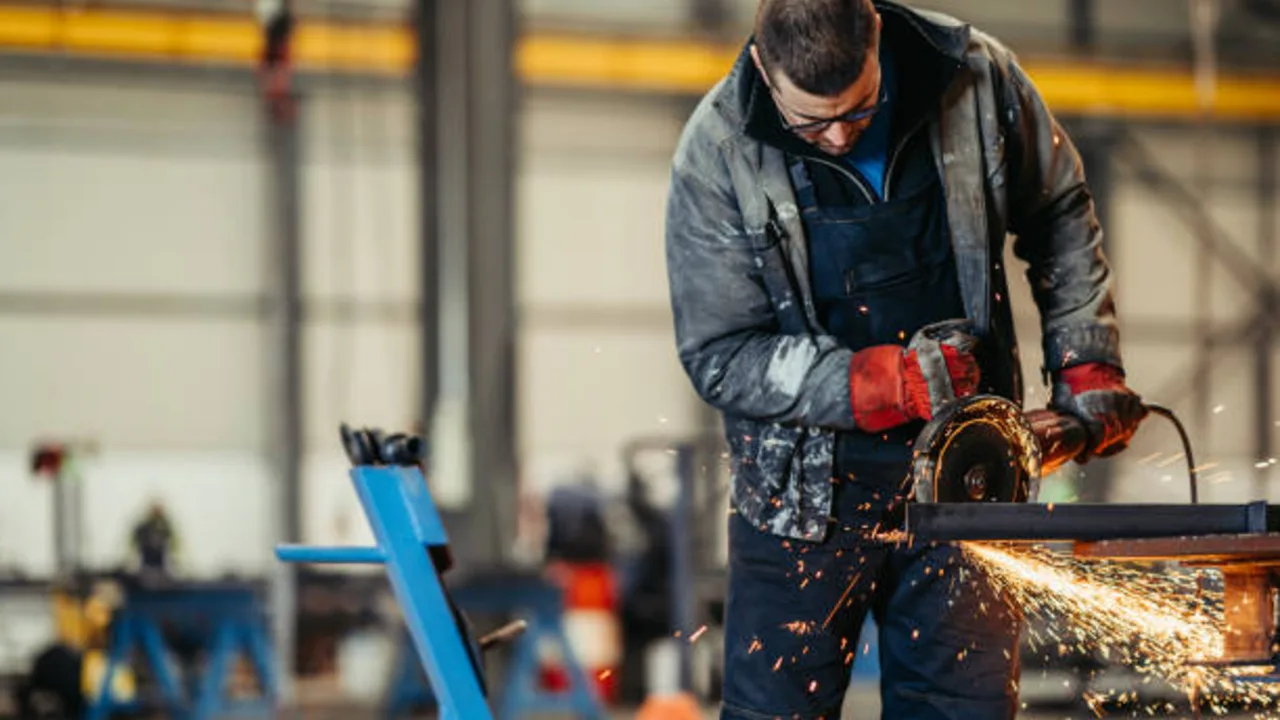
After cutting, components move to assembly and welding stations. Here, beams, columns, and trusses are assembled according to shop drawings. Controlled workshop environments allow welders to maintain consistent quality, reducing defects compared to uncontrolled site conditions.
Quality Inspection and Surface Treatment
Before components leave the workshop, inspections are conducted to verify dimensions, weld quality, and compliance with specifications. Surface treatments such as painting or galvanizing are often applied in the workshop to ensure durability and corrosion resistance.
Role of Equipment in Steel Workshop Performance
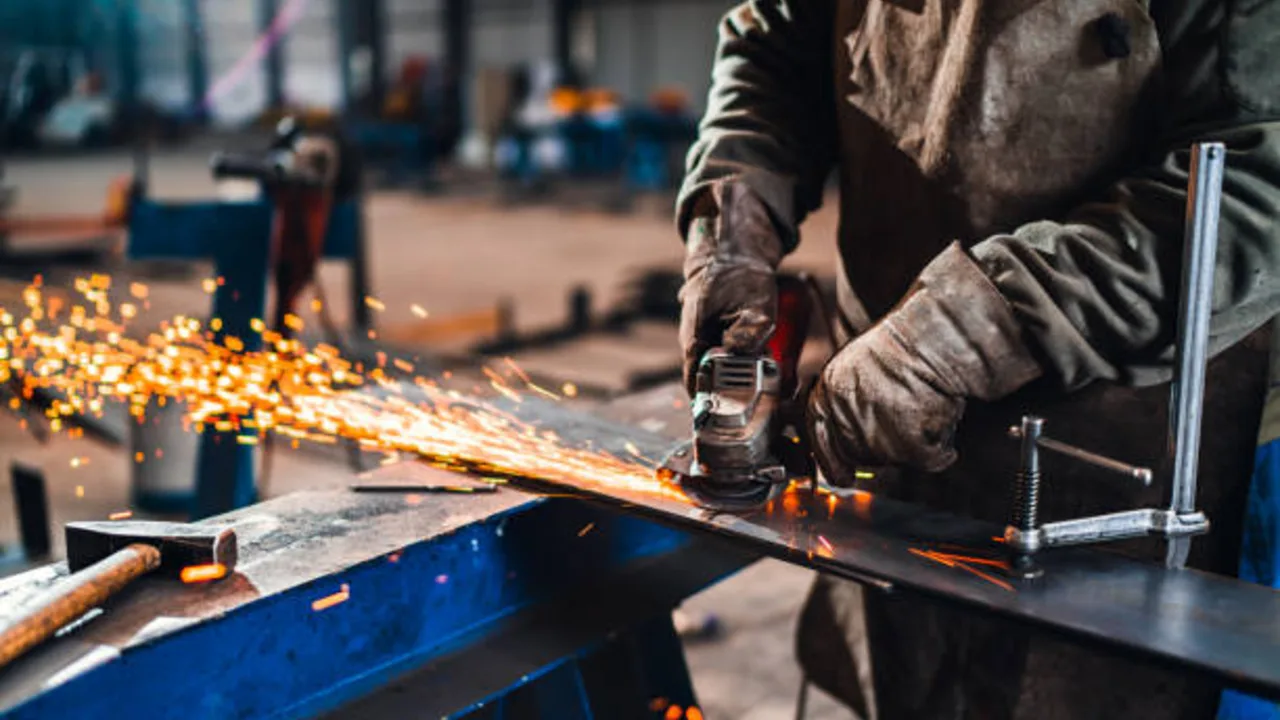
Workshop equipment plays a decisive role in determining production capability and efficiency. Advanced machinery allows steel structure companies to handle complex designs and tight tolerances with greater reliability.
Key equipment commonly found in high-performing steel workshops includes:
- CNC cutting and drilling machines
- Automated welding systems
- Heavy-duty cranes and handling equipment
- Shot blasting and coating lines
Investment in modern equipment not only improves productivity but also enhances safety and quality control throughout the fabrication process.
How Steel Workshops Influence Project Quality
Quality in steel structures is largely built inside the workshop, long before components reach the construction site. Controlled fabrication environments allow manufacturers to work under stable conditions where temperature, equipment calibration, and workflow sequencing can be carefully managed. This level of control is difficult to achieve on-site and plays a decisive role in determining the final quality of steel structures.
Within a well-managed workshop, manufacturers can implement standardized fabrication procedures and systematic inspection routines at every production stage. From raw material preparation to final assembly, each process is monitored to ensure consistency, accuracy, and compliance with design requirements.
A strong workshop environment enables several critical quality outcomes:
- Consistent weld quality and joint accuracy
Welding performed in workshops benefits from controlled positioning, proper fixturing, and stable power supply. Qualified welders can follow approved welding procedures, resulting in uniform weld penetration, strength, and appearance across all components. - Reduced dimensional deviations
Precision cutting, drilling, and assembly processes inside the workshop minimize dimensional errors. Accurate fabrication ensures that steel members fit together as designed, reducing alignment issues during erection. - Better traceability of materials and components
Workshops typically maintain material tracking systems that link steel grades, batch numbers, and inspection records to specific components. This traceability supports quality assurance, compliance audits, and long-term maintenance requirements. - Compliance with project and regulatory standards
Controlled fabrication allows manufacturers to consistently apply project specifications, industry codes, and regulatory requirements. Inspection checkpoints and documentation ensure that non-conforming elements are identified and corrected before delivery.
These factors collectively reduce the likelihood of on-site adjustments, which are often costly, time-consuming, and disruptive to construction schedules. By resolving quality issues during fabrication rather than during erection, steel workshops help maintain project momentum, control costs, and deliver structures that meet both technical and performance expectations.
Impact of Workshop Capability on Project Schedule
Steel workshops directly affect project timelines. Efficient workflows, adequate capacity, and reliable equipment allow manufacturers to maintain steady production output.
Workshops with limited capacity or outdated equipment may experience:
- Production bottlenecks
- Delayed component delivery
- Increased overtime and operational costs
In contrast, well-organized workshops enable parallel fabrication activities, supporting fast-track construction and phased project delivery.
Safety and Workforce Efficiency in Steel Workshops
Workshops also play an important role in occupational safety and workforce productivity. Compared to on-site fabrication, workshops offer safer and more controlled working environments.
Effective workshop management includes:
- Clearly defined work zones and material flow paths
- Proper machine guarding and safety systems
- Training programs for skilled operators and welders
A safe workshop environment not only protects workers but also contributes to higher productivity and lower operational risk.
Steel Workshop as a Competitive Advantage
For steel structure companies, workshop capability is a key differentiator in competitive markets. Clients often evaluate workshop size, equipment, and workflow efficiency when selecting suppliers.
Choosing a qualified steel structure workshop partner provides assurance that fabrication quality, schedule control, and coordination will meet project expectations.
Future Trends in Steel Workshops
As steel construction projects become more complex, workshops continue to evolve. Digital fabrication, automation, and data-driven production planning are increasingly integrated into modern workshops.
Emerging trends include:
- Automated production lines
- Digital shop drawings and CNC integration
- Real-time production monitoring
These developments further reinforce the importance of workshops as the backbone of steel structure companies.
Conclusion: Why Steel Workshop Importance Cannot Be Overlooked
Steel workshop importance goes beyond fabrication—it defines the operational strength of steel structure companies. From fabrication workflow and equipment capability to quality control and schedule reliability, the workshop is where project success is built.
By investing in well-equipped, well-managed workshops, steel structure companies can deliver higher-quality projects, reduce risks, and maintain long-term competitiveness in the global construction market.