Steel Structure Solutions for Modern Energy Infrastructure
Energy facilities need structural systems that support both construction efficiency and long-term operation. Unlike conventional storage buildings, many energy projects involve specialized machinery, electrical equipment, piping systems, maintenance access, and technical interfaces that must be considered before steel fabrication begins.
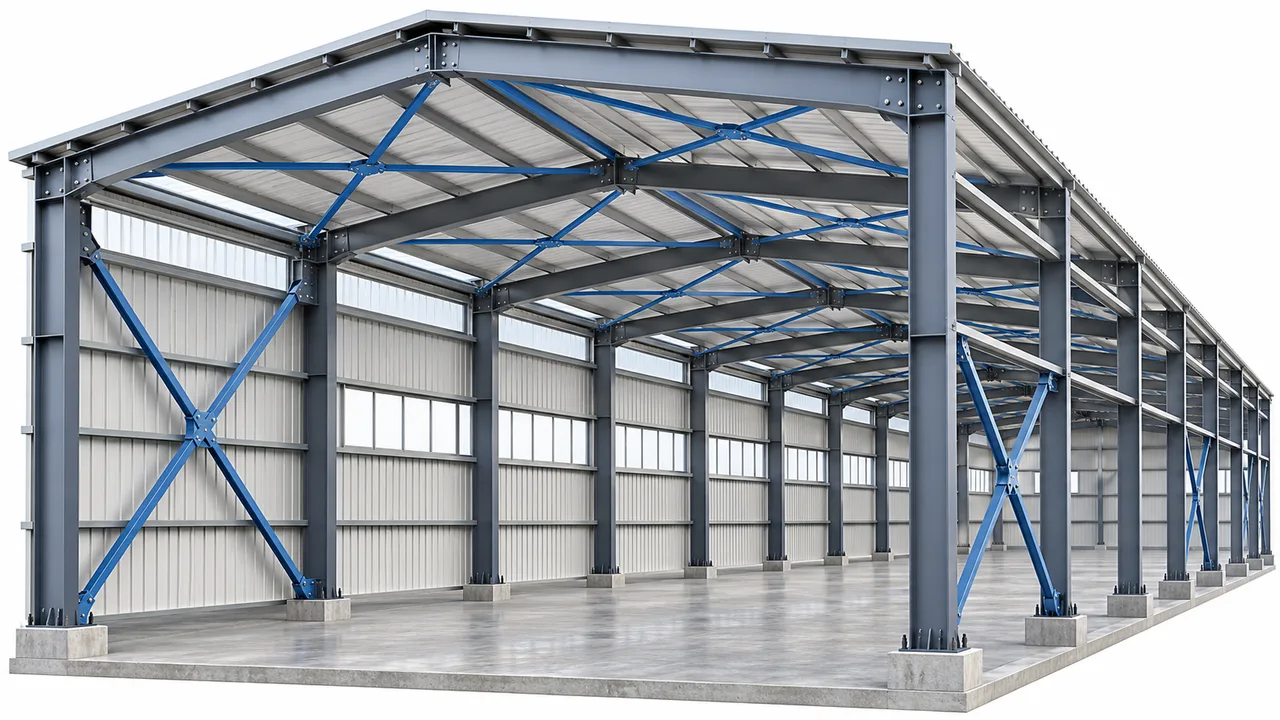
Prefabricated steel construction allows structural members, connection plates, bracing components, and equipment-support assemblies to be prepared in advance. These components can then be transported to the project site for planned installation, reducing dependence on extensive on-site cutting and welding.
The structural solution may involve a single equipment building, several interconnected industrial structures, or an integrated steel framework supporting different operational areas. Engineering coordination is essential to ensure the structure works with equipment suppliers, civil contractors, and installation teams.
Energy Facilities We Support
Thermal Power Plants and Generation Facilities
Thermal power generation facilities often require large industrial buildings, auxiliary equipment structures, maintenance areas, and specialized steel supports. Turbine halls, equipment enclosures, utility buildings, and maintenance facilities may use portal frames, heavy steel columns, roof trusses, or customized structural arrangements.
These structures must accommodate equipment clearances, lifting requirements, operational loads, ventilation, and access for maintenance. Where overhead cranes are required, crane runway beams and supporting columns must be engineered according to equipment specifications.
Renewable Energy Facilities
Renewable energy developments also require supporting infrastructure beyond their primary generation equipment. Solar, wind, biomass, and other energy projects may need operations buildings, maintenance workshops, equipment shelters, storage facilities, and utility structures.
Prefabricated steel systems are suitable for these applications because they can be adapted to different building dimensions, site conditions, and construction schedules. For remote renewable energy locations, factory-made components can also simplify site assembly when logistics are properly planned.
Substations and Electrical Infrastructure
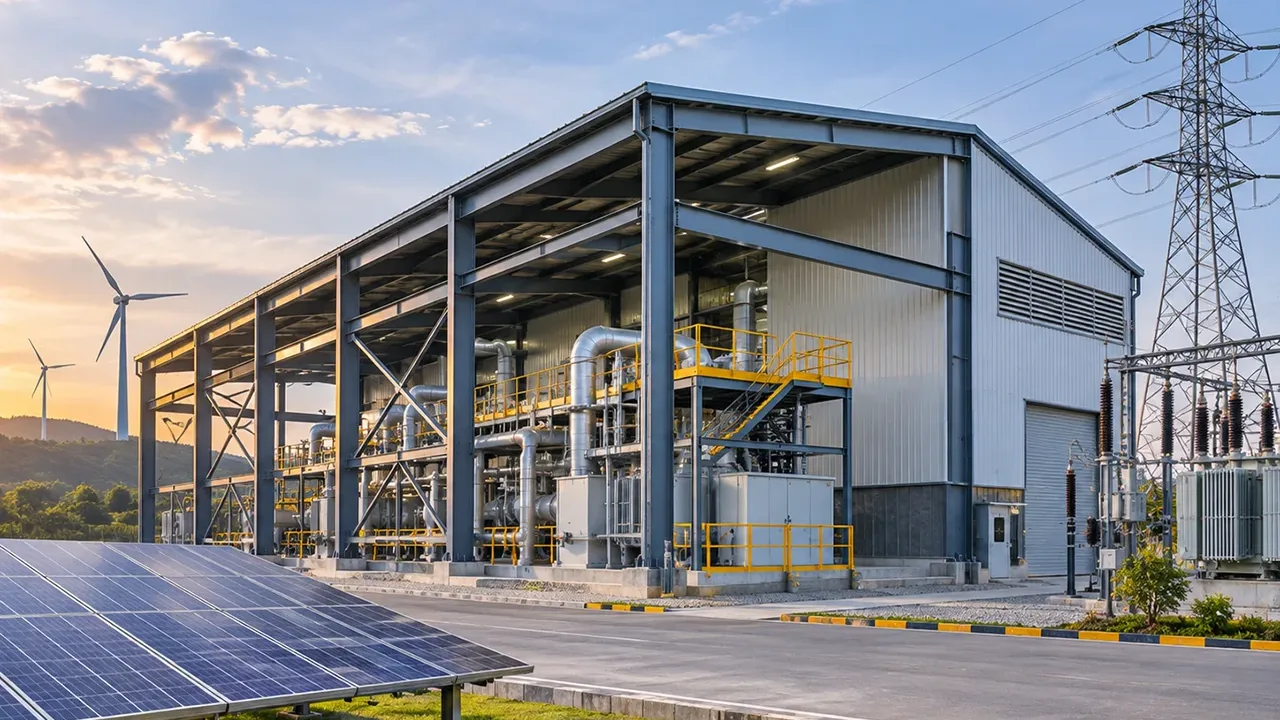
Electrical substations and power distribution facilities may require steel-framed equipment buildings, control rooms, support structures, cable-access platforms, and protective enclosures. These facilities need careful coordination between structural members and electrical systems.
Important design factors include equipment access, cable routing, ventilation, clearances, maintenance requirements, and applicable electrical safety provisions. Steel components can be prefabricated to match approved equipment layouts and installation interfaces.
Energy Storage and Utility Buildings
Battery energy storage systems and related utility facilities may require structural frames, equipment shelters, service buildings, or supporting platforms. The structural arrangement should be developed around the selected equipment configuration and its operational requirements.
Ventilation, fire protection, equipment separation, access routes, and environmental controls must be coordinated with the relevant system designers. Prefabricated structural steel provides a flexible building framework, while specialized safety and mechanical systems remain subject to project-specific engineering requirements.
Structural Systems Adapted to Energy Project Requirements
Portal Frames for Equipment and Utility Buildings
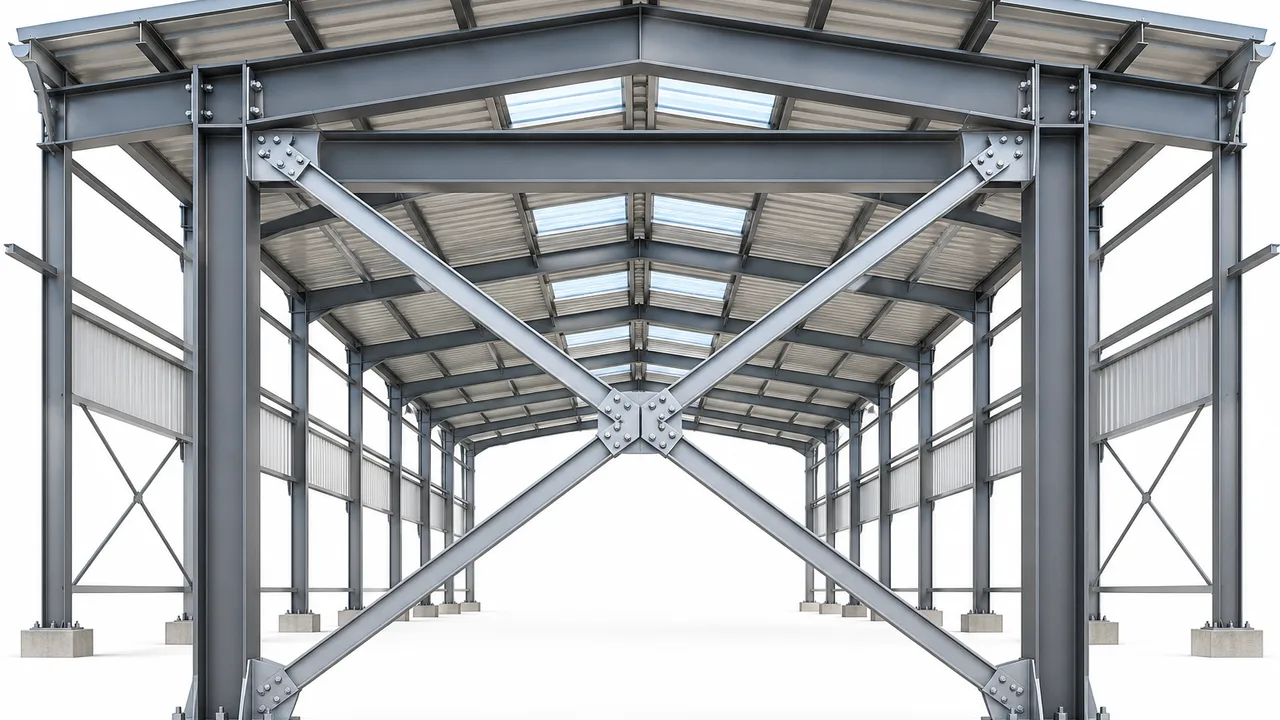
Portal frames offer an efficient solution for many single-storey energy support buildings. They can provide practical clear spans, flexible roof configurations, and straightforward assembly using prefabricated steel columns, rafters, and secondary members.
These systems are suitable for equipment storage, workshops, maintenance buildings, and utility facilities where internal space and construction efficiency are important.
Heavy-Duty Steel Frames for Industrial Equipment
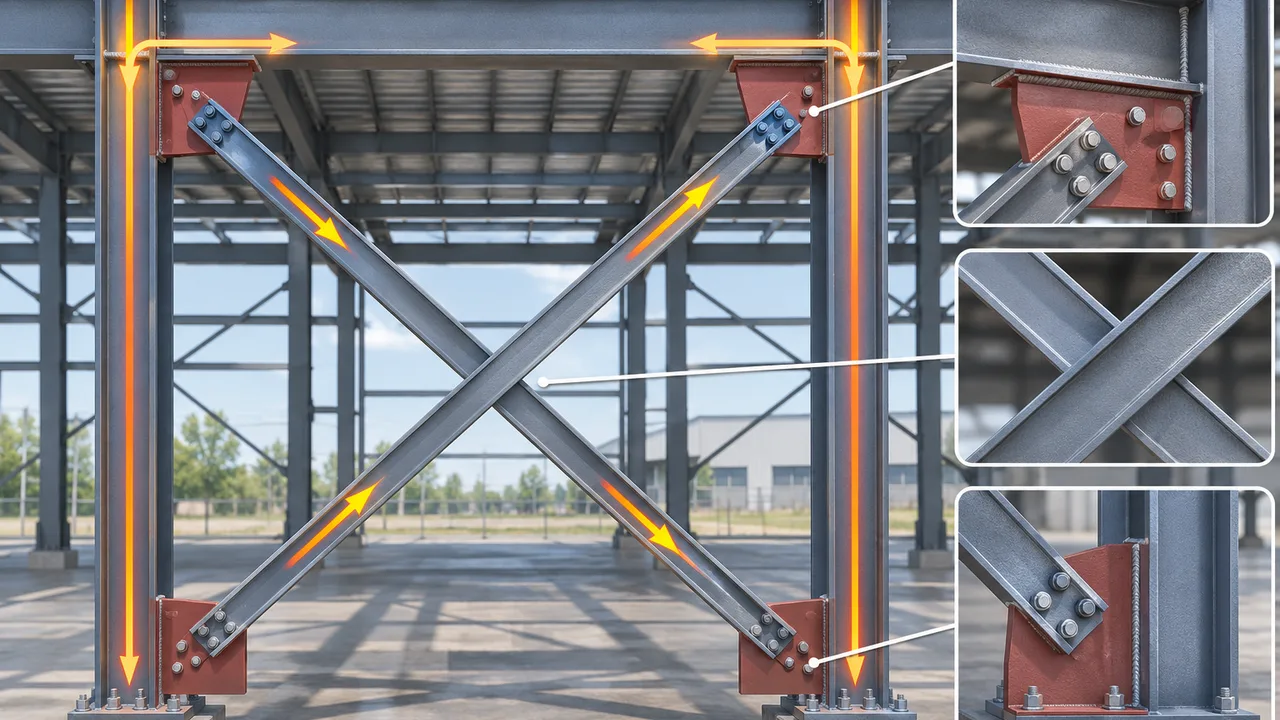
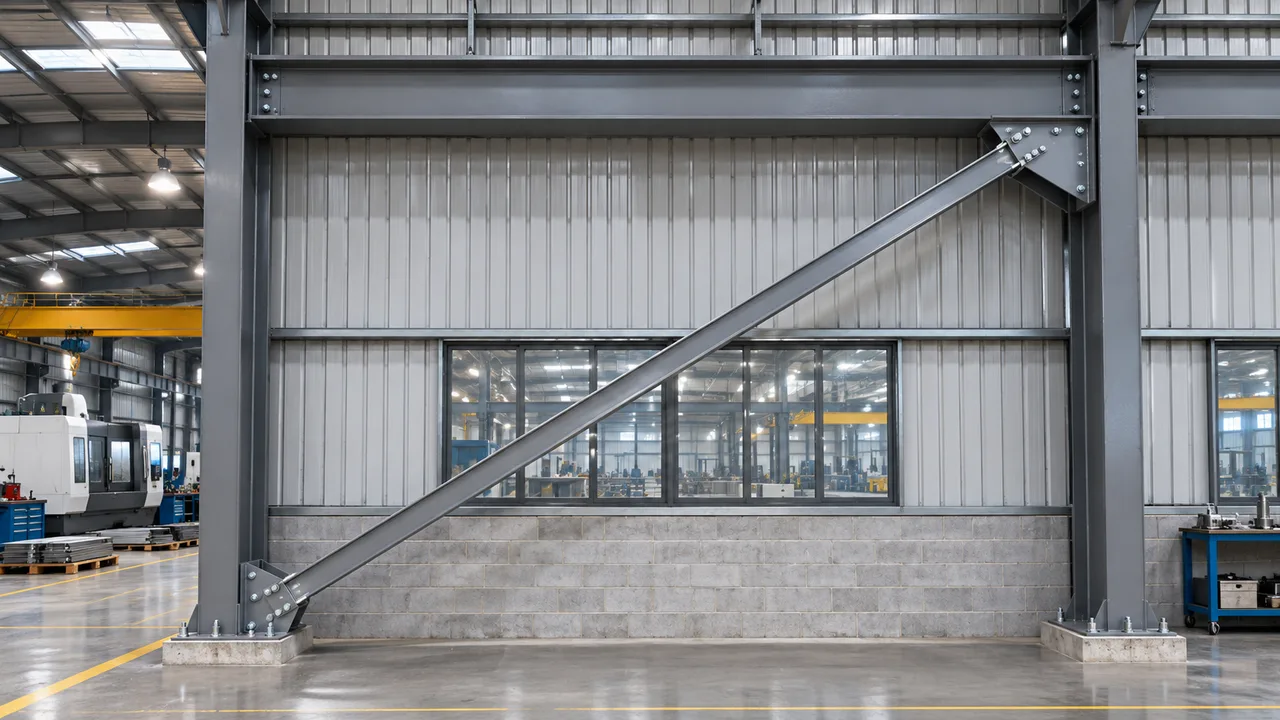
Some energy facilities require stronger structural systems to accommodate heavy equipment, overhead handling systems, elevated machinery, or demanding operational loads. Heavy-duty steel frames can be designed with reinforced columns, beams, bracing, and specialized connection details.
Equipment weight, vibration, dynamic effects, and maintenance requirements must be established during engineering. Not every heavy machine should be supported directly by the building frame; separate equipment foundations or independent support systems may be required.
Trusses, Platforms, and Equipment Support Structures
Energy infrastructure frequently uses steel trusses, maintenance platforms, pipe racks, equipment supports, access walkways, and customized structural assemblies. These components help organize technical systems while providing safe access for inspection and operation.
Truss structures can create large roof spans, while platforms and pipe supports can be fabricated according to equipment layouts and piping requirements. Connection design, thermal movement, operational loading, and installation access should be reviewed before production.
Engineering Considerations Before Fabrication
Equipment Loads and Structural Coordination
Accurate load information is essential for energy infrastructure. Equipment specifications, operating loads, lifting requirements, maintenance access, vibration, and possible future modifications can influence structural member selection and connection design.
Coordination with mechanical and electrical engineering teams helps prevent conflicts between steel frames, equipment foundations, cable routes, pipes, and maintenance areas. Early review also reduces the risk of redesign after fabrication has started.
Environmental and Site Conditions
Energy projects may be located in coastal regions, industrial zones, mountainous areas, deserts, or remote construction sites. Each environment creates different requirements for wind resistance, corrosion protection, temperature effects, seismic performance, and transportation.
Protective coatings, galvanizing, structural bracing, and component dimensions should be selected according to local conditions. For remote sites, transport limitations and available lifting equipment can influence how large assemblies are divided into shipping sections.
Safety and Building System Interfaces
Structural design must also consider fire protection, ventilation, cable openings, mechanical equipment, emergency access, and installation clearances. These requirements are particularly important for facilities containing electrical systems, energy storage equipment, high-temperature processes, or specialized machinery.
Structural steel provides the supporting framework, but fire resistance, electrical protection, hazardous-area requirements, and equipment safety must be addressed through the applicable project standards and qualified engineering disciplines.
Prefabrication Designed to Reduce On-Site Construction Work
One of the main advantages of a prefabricated steel structure for energy projects is the ability to complete substantial manufacturing work before components reach the construction site. Steel members can be cut, drilled, welded, inspected, coated, and marked in the factory according to approved drawings.
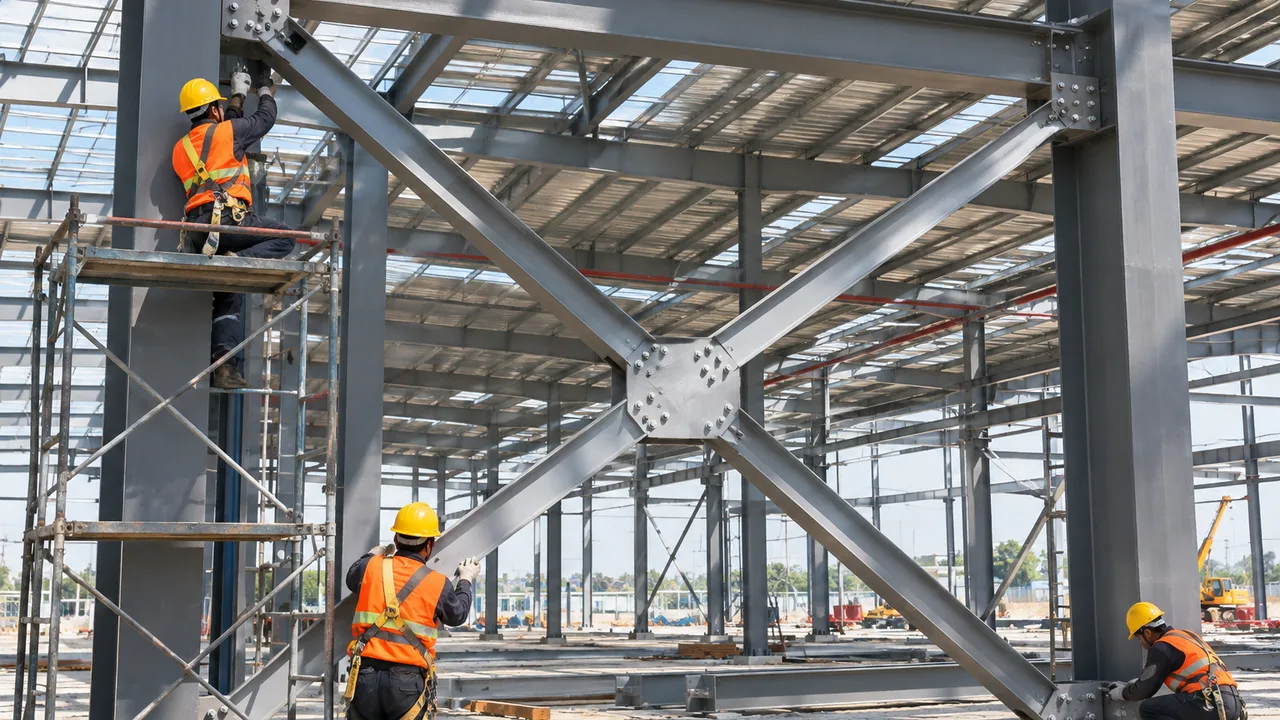
This approach reduces the need for extensive field fabrication and helps construction teams organize erection activities around prepared components. Bolted connections, clearly identified members, and planned installation sequences can make assembly more predictable.
Prefabrication is especially valuable when an energy project has limited working space, restricted site access, difficult weather conditions, or multiple contractors operating simultaneously. However, successful delivery still depends on accurate engineering information, transport planning, lifting arrangements, and site readiness.
Recommended Structural Configurations for Energy Facilities
Energy projects require different structural arrangements depending on the equipment, operational loads, environment, and construction method. The following table outlines common configurations that can be evaluated during project planning.
| Structural Component | Typical Configuration | Project Consideration |
|---|---|---|
| Main Frame | Portal frame or heavy-duty steel frame | Equipment loads, structural span, clear height, and operational requirements |
| Roof Structure | Steel beams, rafters, or trusses | Span, suspended services, wind loads, and environmental conditions |
| Equipment Platform | Custom steel platform with beams, columns, and access systems | Maintenance access, operational loads, and equipment clearances |
| Pipe Support | Prefabricated steel pipe rack or support frame | Pipe routing, support loads, thermal movement, and maintenance access |
| Wall and Roof Envelope | Metal cladding or insulated panel system | Climate, ventilation, fire requirements, and internal operating conditions |
| Surface Protection | Industrial coating system or galvanizing where appropriate | Corrosion exposure, service environment, and maintenance planning |
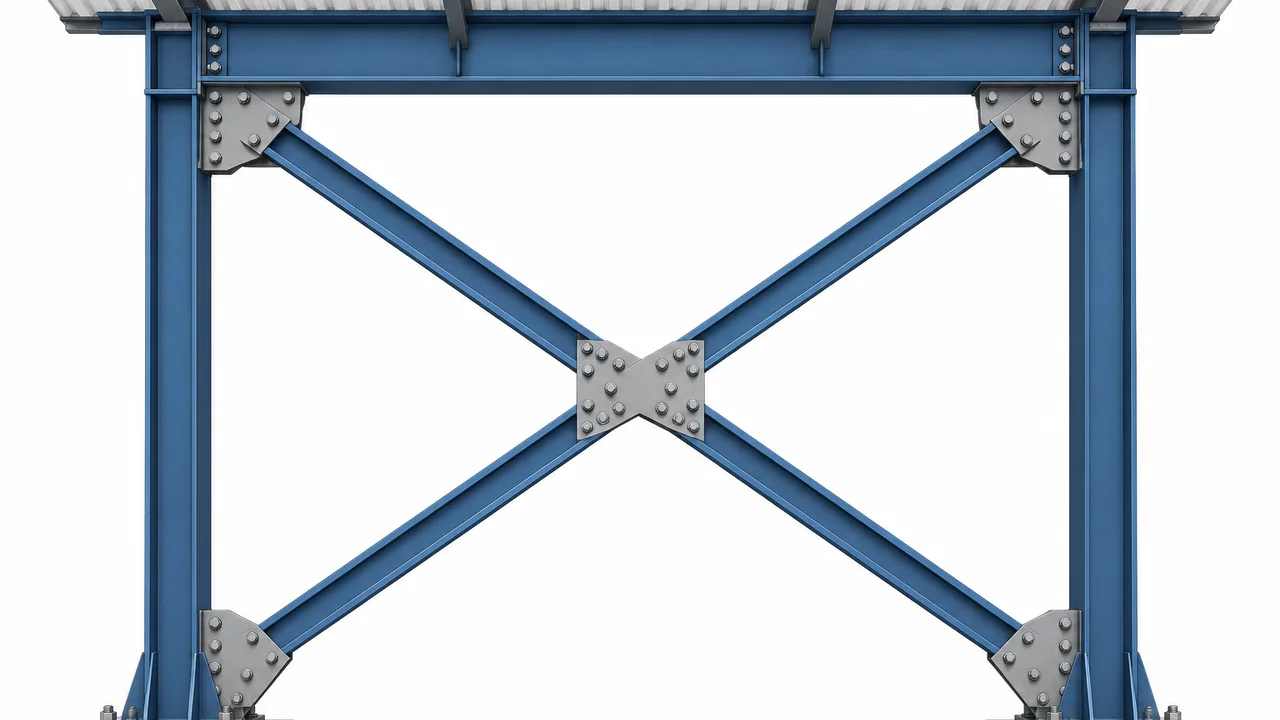
| Connection System | Bolted connections with welded factory assemblies | Structural requirements, transportation, and erection efficiency |
| Modular Arrangement | Transportable steel assemblies or segmented structural packages | Shipping dimensions, site access, crane capacity, and installation sequence |
Why Prefabricated Steel Works for Energy Construction
Energy infrastructure developers and EPC contractors need construction systems that combine structural reliability with practical project execution. Prefabricated steel offers several advantages when it is properly coordinated with engineering and installation requirements.
- Factory-controlled manufacturing: steel components are processed and inspected in a controlled production environment.
- Reduced on-site fabrication: prepared members and connections can limit field cutting, drilling, and welding requirements.
- Better construction sequencing: components can be organized according to erection priorities and site installation plans.
- Flexible structural layouts: frames, trusses, and platforms can be customized around equipment and operational areas.
- Transportable assemblies: large structures can be divided into practical shipping sections.
- Equipment coordination: steel supports and access structures can be designed around approved technical interfaces.
- Future adaptability: planned extension points and replaceable components can support later facility modifications.
These advantages make prefabricated steel particularly useful for projects where construction schedules, equipment interfaces, and site logistics must be managed together.
Fabrication Quality for Energy Infrastructure
Precision Cutting, Welding, and Drilling
Energy infrastructure often involves complex structural connections and equipment interfaces. Fabrication accuracy is important because dimensional errors can affect installation alignment, platform levels, pipe supports, and equipment clearances.
XTD Steel Structure supports industrial energy projects through steel processing, CNC cutting, drilling, welding, structural assembly, and fabrication coordination. Manufacturing is organized around approved drawings and project specifications to help ensure components are prepared for their intended installation sequence.
Inspection and Protective Finishing
Quality control may include material verification, dimensional inspection, welding examination, connection checks, and coating inspection according to project requirements. Critical interfaces such as bolt-hole positions, base plates, connection surfaces, and assembly dimensions require particular attention.
Surface protection may involve blasting, industrial coating systems, or galvanizing for selected components. The appropriate protection depends on corrosion exposure, operational conditions, and the specified maintenance strategy.
Project Delivery From Engineering to Site Installation
Technical Requirement Review
The project begins with a review of drawings, equipment specifications, structural loads, building dimensions, site conditions, applicable standards, and delivery requirements. Identifying technical interfaces early helps establish a practical fabrication and installation plan.
Structural Detailing and Factory Production
Approved engineering information is developed into shop drawings, connection details, material lists, and production packages. Steel members are then cut, drilled, welded, assembled, and inspected according to the agreed manufacturing requirements.
Export Packing and Delivery Planning
Components are marked and packed according to transportation conditions and installation priorities. Shipping dimensions, container loading, lifting points, protective wrapping, and delivery sequencing are considered to reduce handling difficulties.
For international energy projects, organized packing and clear identification help contractors receive and assemble structural components more efficiently.
Erection and Installation Coordination
Installation planning considers crane access, temporary stability, erection sequence, bolted assembly, structural alignment, and coordination with equipment installation. Temporary bracing and lifting arrangements should be planned by qualified personnel according to site conditions.
Clear installation information helps reduce conflicts between structural erection and the work of mechanical, electrical, and equipment contractors.
Frequently Asked Questions
What energy projects can use prefabricated steel structures?
Prefabricated steel structures can be used for power generation facilities, renewable energy support buildings, substations, utility buildings, energy storage facilities, maintenance platforms, equipment shelters, and selected industrial support structures.
Can prefabricated steel structures support heavy power generation equipment?
Yes, when the structural system is engineered for the specified loads and operational conditions. Heavy equipment may require reinforced steel frames, dedicated support structures, vibration control measures, or independent foundations depending on the equipment design.
Are prefabricated steel buildings suitable for remote energy project locations?
Yes. Factory fabrication can reduce the amount of steel processing required at remote sites. Transportation dimensions, road access, lifting equipment, installation sequence, and local environmental conditions must still be considered during planning.
Can steel structures be customized for substations and energy storage facilities?
Yes. Steel framing can be customized for equipment dimensions, access requirements, ventilation openings, cable routing, and supporting platforms. Electrical safety, fire protection, and specialized equipment requirements must be coordinated with the relevant project engineers.
How are large steel components transported to energy project sites?
Large structures can be divided into transportable sections and marked according to the erection plan. Shipping arrangements depend on component dimensions, container capacity, transport restrictions, site access, and available lifting equipment.
Develop a Steel Structure Solution for Your Energy Project
Successful energy infrastructure construction requires more than strong structural members. It needs accurate engineering coordination, reliable fabrication, protective finishing, organized logistics, and an installation strategy that fits the project schedule.
A prefabricated steel structure for energy projects can help EPC contractors, power plant developers, renewable energy companies, and industrial infrastructure contractors coordinate structural manufacturing with demanding construction requirements.
Share your project drawings, equipment specifications, required dimensions, structural loads, site location, environmental conditions, and expected construction schedule. XTD Steel Structure can support the development of a project-specific steel structure solution through fabrication planning, manufacturing, quality coordination, and delivery preparation.