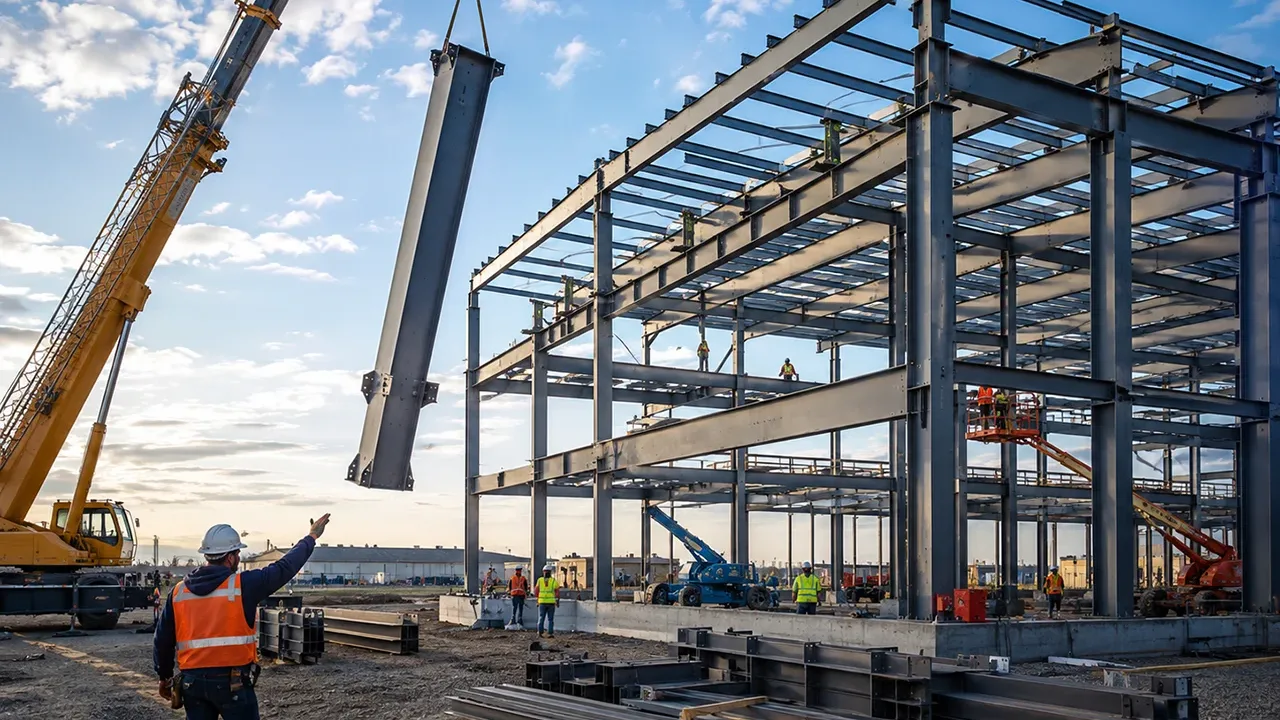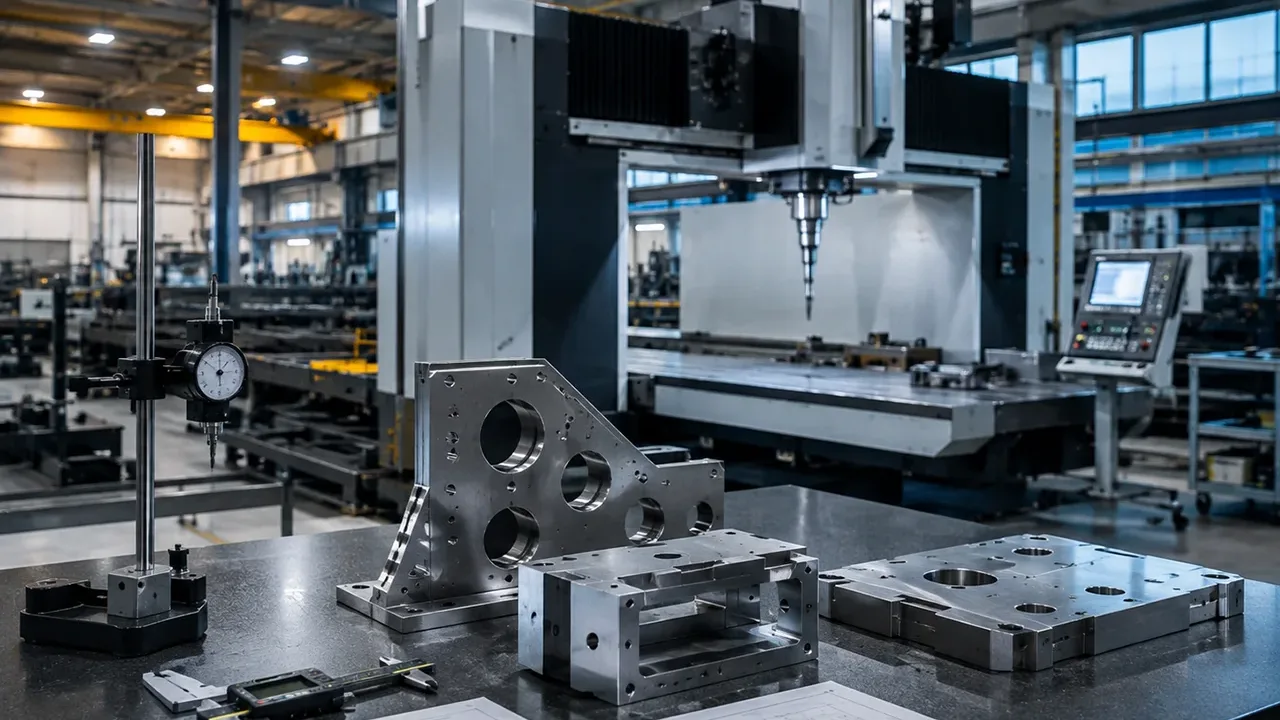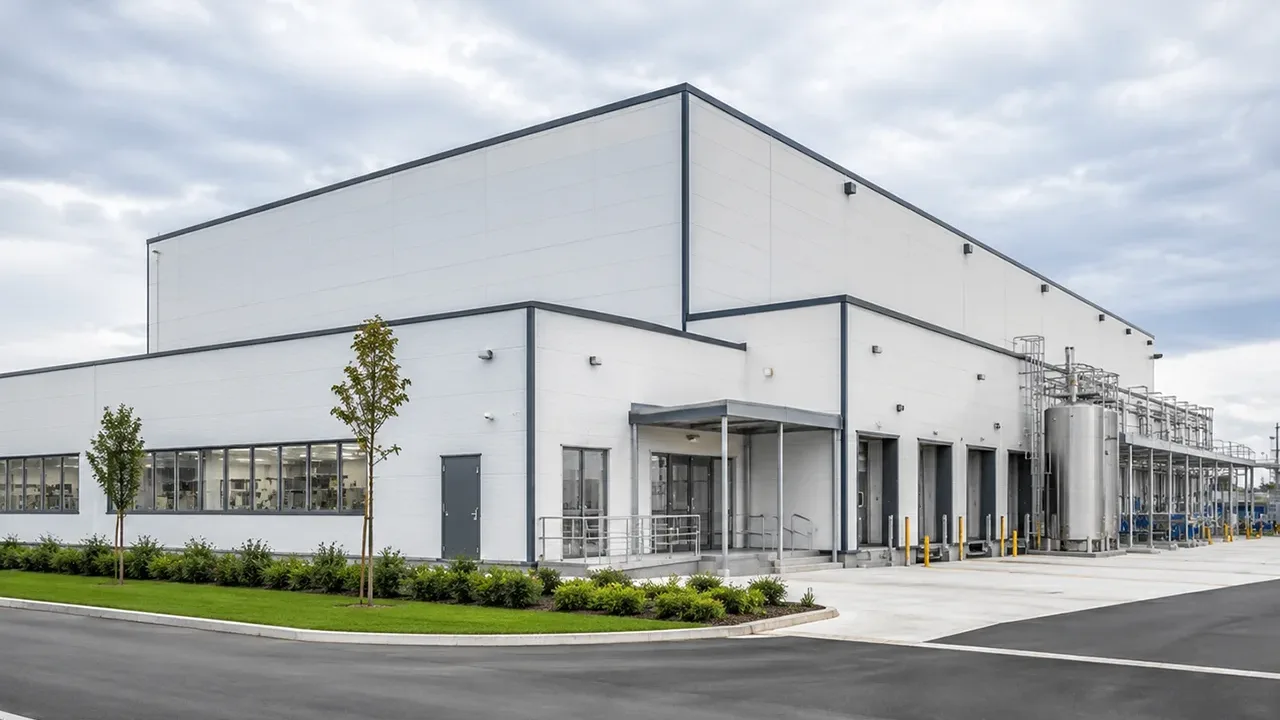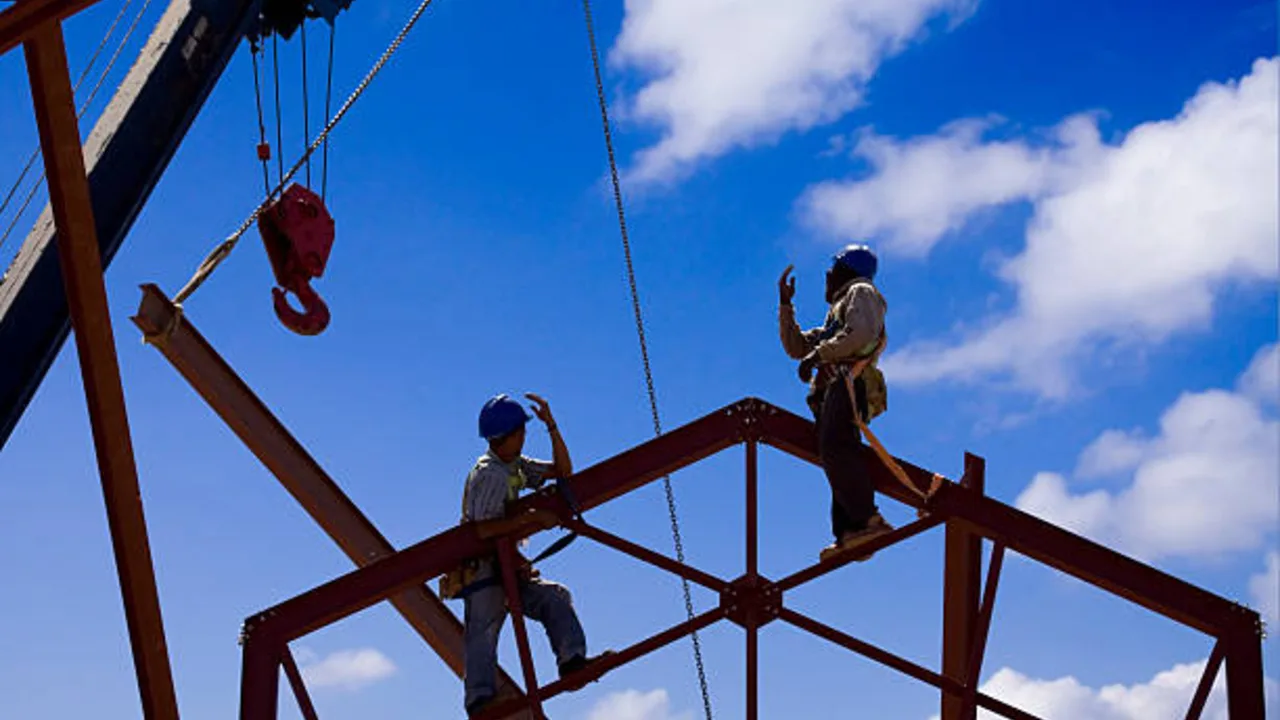
Modern industrial construction increasingly depends on prefabrication to improve project speed, quality consistency, and labor efficiency. However, even with advanced fabrication technologies and strict quality control systems, dimensional variations still occur throughout manufacturing, transportation, and installation processes. This is why prefab site adjustment remains a critical part of successful prefab steel construction.
In large-scale steel projects, achieving perfect dimensional alignment across every component is extremely difficult. Minor tolerance deviations can accumulate across multiple modules, affecting connection alignment, structural positioning, and installation sequencing. Without proper adjustment strategies, these issues may lead to erection delays, increased labor costs, or structural performance concerns.
Effective prefab site adjustment allows project teams to maintain installation continuity while preserving structural integrity and construction efficiency. Rather than relying on uncontrolled field improvisation, modern prefab assembly requires coordinated engineering methods that manage dimensional correction systematically and safely.
As prefabricated steel systems continue expanding into warehouses, industrial plants, infrastructure facilities, and modular buildings, dimensional adjustment management becomes increasingly important for maintaining predictable project execution.
Introduction to Prefab Site Adjustment
Prefab construction depends heavily on precision. Structural components are manufactured in controlled factory environments and transported to project sites for assembly. Ideally, every beam, column, brace, and connection arrives perfectly aligned for immediate installation.
In reality, however, multiple variables influence dimensional accuracy throughout the project lifecycle. Manufacturing tolerances, transportation movement, foundation variation, thermal expansion, and handling conditions can all contribute to minor dimensional discrepancies.
These discrepancies make prefab site adjustment an unavoidable aspect of large-scale assembly operations.
The objective of site adjustment is not to compensate for poor fabrication quality. Instead, it provides controlled engineering methods for managing unavoidable real-world tolerances while preserving installation safety and structural performance.
Modern prefab erection teams utilize adjustment systems to:
- Correct alignment deviations
- Maintain structural plumbness
- Compensate for foundation irregularities
- Ensure bolt connection fit-up
- Maintain erection sequencing efficiency
When managed properly, dimensional adjustment minimizes project disruption while maintaining engineering compliance and installation quality.
Understanding Tolerance Accumulation in Prefabricated Structures
Tolerance accumulation is one of the primary reasons why prefab site adjustment becomes necessary during installation.
Even small dimensional variations across multiple components can gradually combine into significant alignment discrepancies during assembly.
Manufacturing Tolerances
Every fabrication process contains acceptable tolerance ranges. Cutting, drilling, welding, and assembly operations all introduce minor dimensional variation.
Although these tolerances individually remain within engineering standards, accumulated variation across hundreds of steel components can influence overall structural alignment.
Typical fabrication tolerances may involve:
- Hole positioning variation
- Weld shrinkage movement
- Plate flatness deviation
- Beam camber inconsistency
- Assembly dimensional offset
These factors make dimensional management essential during field installation.
Transportation and Handling Distortion
Large prefab steel modules experience forces during transportation, loading, unloading, and lifting. Temporary stress can cause slight movement or distortion before final installation.
Long-span members and large modular assemblies are especially sensitive to transportation-induced deformation.
For this reason, erection teams often perform dimensional verification before installation begins. When necessary, prefab site adjustment procedures are implemented to restore proper alignment.
Foundation and Anchor Bolt Variation
Steel erection accuracy also depends heavily on civil foundation precision. Even minor deviation in anchor bolt positioning or foundation elevation can affect steel assembly alignment.
In industrial construction, concrete work and steel erection frequently involve separate contractors, increasing the importance of coordination.
Typical foundation-related adjustment challenges include:
- Anchor bolt offset
- Uneven grout elevation
- Foundation settlement variation
- Base plate leveling inconsistency
These conditions often require controlled field adjustment during installation.
Environmental and Temperature Effects
Environmental conditions can also influence assembly accuracy. Steel expands and contracts with temperature fluctuation, particularly in large-span structures or modular systems.
Outdoor installation conditions may produce dimensional variation between fabrication measurements and field assembly measurements.
Wind conditions, sunlight exposure, and uneven heating can temporarily influence structural positioning during erection activities.
As a result, experienced installation teams incorporate environmental consideration into prefab site adjustment planning.
Common Prefab Site Adjustment Methods
Modern prefab assembly utilizes multiple adjustment strategies depending on structural conditions and installation requirements.
Use of Shim Plates
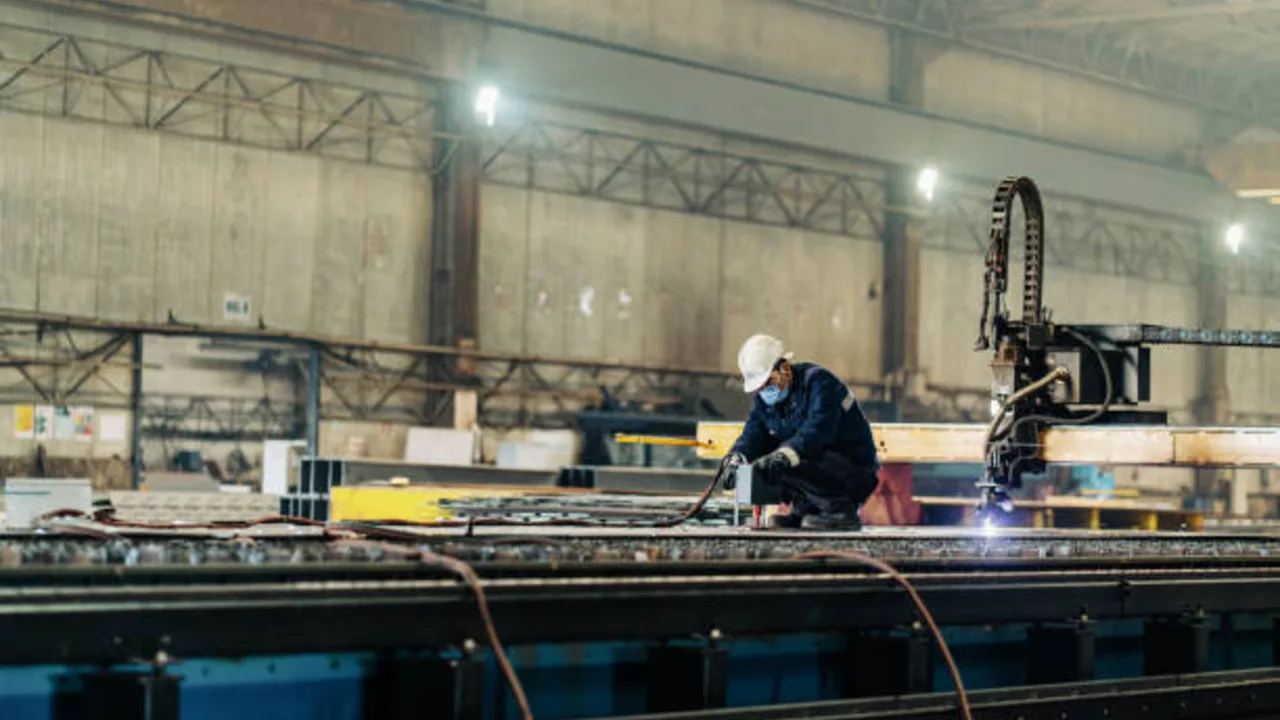
Shim plates are among the most widely used tools in prefab site adjustment. These plates help compensate for elevation differences, alignment gaps, and foundation irregularities.
Shim systems are commonly installed beneath base plates, support assemblies, and connection interfaces to achieve precise structural positioning.
Proper shim plate management requires attention to:
- Material strength compatibility
- Corrosion protection
- Load transfer performance
- Stacking limitations
- Thickness tolerance control
Improper use of shim plates can create uneven load distribution or long-term structural instability.
For additional reference regarding steel erection tolerances and alignment practices, this technical resource from the American Institute of Steel Construction (AISC) provides valuable industry guidance.
Slotted Connections
Slotted holes and adjustable connection systems provide controlled flexibility during erection.
Rather than forcing perfect alignment under rigid connection conditions, slotted systems allow minor movement while maintaining structural performance requirements.
This strategy improves assembly efficiency and reduces excessive field modification requirements.
However, slotted connection design must remain fully integrated with engineering calculations and structural load requirements.
Adjustable Base Plate Systems
Adjustable base systems are frequently used in projects requiring high installation precision.
These systems allow controlled vertical adjustment during column installation before final grouting and connection completion.
Adjustment systems may include:
- Leveling nuts
- Temporary support bolts
- Hydraulic leveling devices
- Precision shim assemblies
Such systems improve erection flexibility while reducing installation delays caused by foundation variation.
Temporary Field Modifications
In certain situations, temporary field modifications may become necessary to maintain erection progress.
These modifications can include:
- Controlled trimming
- Minor drilling correction
- Temporary connection adaptation
- Alignment repositioning
However, all field modifications must remain strictly controlled under engineering supervision. Unauthorized site modification can compromise structural performance and create long-term safety risks.
Professional prefab site adjustment procedures require formal approval, inspection, and documentation before implementation.
Role of Engineering Coordination During Assembly
Successful dimensional adjustment depends heavily on communication and coordination between engineering, fabrication, logistics, and erection teams.
Without proper coordination, even small dimensional issues can escalate into major installation delays.
Pre-Assembly Surveys
Modern prefab projects increasingly utilize pre-assembly verification before structural erection begins.
Laser scanning, total station measurement, and digital survey technologies help confirm:
- Foundation positioning
- Anchor bolt accuracy
- Structural dimensions
- Elevation consistency
- Module alignment conditions
These surveys allow erection teams to identify potential dimensional conflicts before installation activities begin.
Early detection significantly improves the efficiency of prefab site adjustment.
BIM Coordination for Field Adjustment
Building Information Modeling (BIM) has become an important tool for prefab assembly coordination.
BIM systems help project teams:
- Simulate erection sequencing
- Detect dimensional clashes
- Coordinate connection alignment
- Track fabrication tolerances
- Visualize installation constraints
By integrating digital modeling with field measurement, project teams can manage adjustment procedures more accurately and efficiently.
Modern prefab site adjustment increasingly depends on digital coordination workflows.
For further insight into BIM integration within industrial construction, this resource on Building Information Modeling (BIM) provides additional technical information.
Communication Between Fabrication and Site Teams
Effective communication between fabrication facilities and erection crews is essential when dimensional issues occur.
Site teams must quickly relay measurement data, alignment conditions, and adjustment requirements back to engineering personnel.
Fabrication teams may also provide:
- Connection modification recommendations
- Alternative assembly procedures
- Field support engineering
- Replacement component coordination
Rapid coordination reduces project downtime and improves installation continuity.
Inspection and Documentation Procedures
All adjustment activities should remain fully documented as part of quality assurance procedures.
Documentation may include:
- Survey measurements
- Shim plate records
- Field modification approvals
- Inspection reports
- Final alignment verification
These records help maintain traceability while ensuring engineering compliance throughout the project lifecycle.
Risks of Poor Prefab Site Adjustment
Improper adjustment management can create serious structural and operational problems during prefab assembly.
Structural Misalignment
Poor alignment can affect structural geometry, load transfer behavior, and overall building performance.
Even small alignment errors may create cumulative distortion across large steel systems.
Connection Stress Concentration
Forcing misaligned connections into place can introduce unintended stress concentration within bolts, welds, and steel members.
Over time, these stress conditions may reduce fatigue performance or increase maintenance requirements.
Delays in Erection Sequence
Unresolved dimensional problems frequently disrupt installation sequencing.
When one module cannot align properly, multiple downstream activities may become delayed, affecting:
- Crane scheduling
- Labor coordination
- Material delivery timing
- Safety planning
Effective prefab site adjustment minimizes these schedule disruptions.
Increased Rework and Labor Cost
Poor dimensional management often results in expensive rework.
Unplanned field modifications, repeated lifting operations, and installation delays significantly increase project costs.
Long-Term Structural Performance Concerns
Improperly adjusted structures may develop long-term issues involving:
- Uneven load distribution
- Connection fatigue
- Water infiltration
- Structural movement
- Maintenance complications
For this reason, dimensional adjustment must remain fully integrated with structural engineering requirements.
Best Practices for Managing Dimensional Adjustment
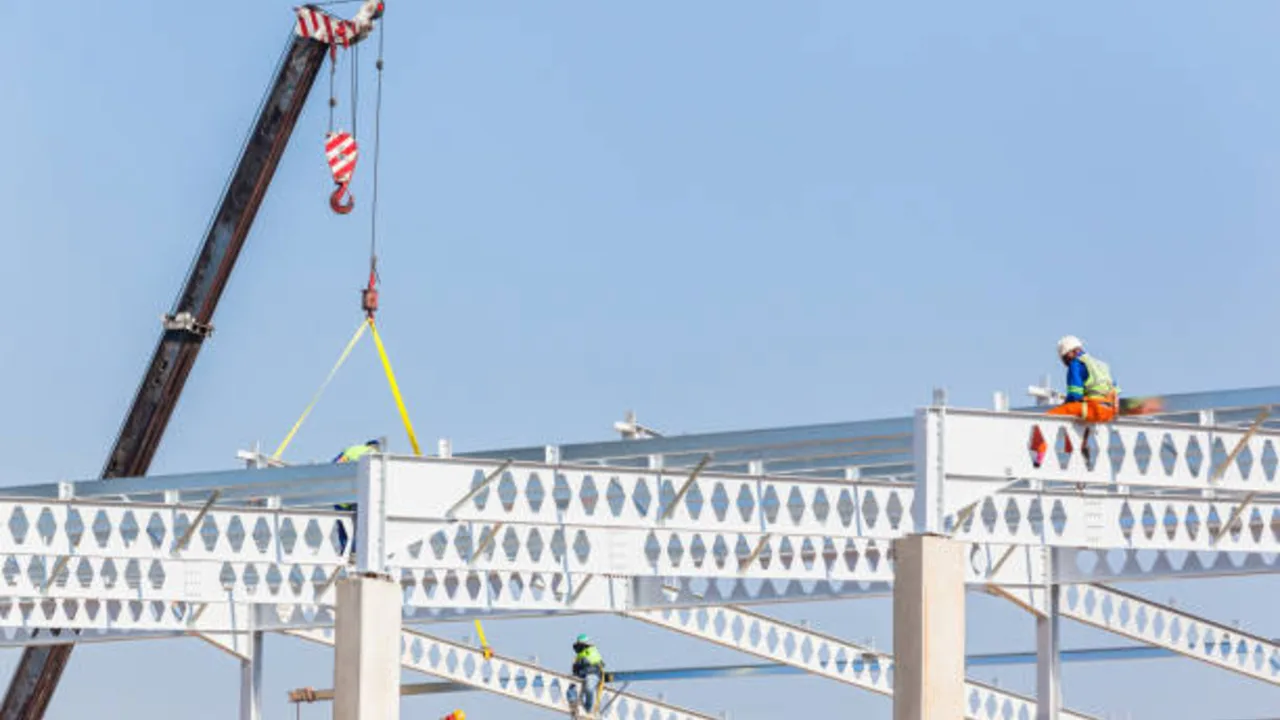
Experienced project teams utilize several best practices to improve assembly efficiency and minimize dimensional conflict.
Early Tolerance Planning
Tolerance management should begin during engineering development rather than after fabrication completion.
Design teams must define:
- Acceptable tolerance ranges
- Critical alignment interfaces
- Adjustment capability requirements
- Inspection procedures
Early planning significantly improves project predictability.
Standardized Adjustment Procedures
Standardized field adjustment procedures reduce confusion and improve installation consistency.
Clear procedures help erection crews respond efficiently when dimensional variation occurs.
Controlled Use of Shim Plates
Although shim plates are highly useful, excessive or uncontrolled use may create structural problems.
Engineering teams should establish:
- Maximum shim thickness limits
- Approved shim materials
- Load transfer verification requirements
- Corrosion protection standards
Proper control improves long-term structural reliability.
Integrated Logistics and Installation Planning
Transportation planning and erection sequencing should remain coordinated with dimensional adjustment strategy.
This integration helps reduce handling distortion and installation conflict.
Skilled Erection Supervision
Experienced supervisors play a major role in successful prefab site adjustment management.
Field leadership helps ensure:
- Accurate measurement interpretation
- Safe adjustment implementation
- Engineering compliance
- Efficient crew coordination
Digital Technology in Prefab Assembly Adjustment
Digital engineering technology continues transforming dimensional management in prefab construction.
Modern projects increasingly rely on real-time measurement systems, digital modeling, and predictive analysis to improve assembly precision.
Laser Measurement Systems
Laser scanning and total station systems provide highly accurate dimensional verification during installation.
These technologies allow erection teams to:
- Monitor structural alignment
- Verify elevation accuracy
- Track movement during lifting
- Detect tolerance accumulation
- Improve erection precision
Compared to traditional manual measurement methods, digital measurement systems significantly improve adjustment reliability.
Digital Twin and BIM Integration
Digital twin technology allows project teams to compare real-world assembly conditions against engineering models in real time.
This integration improves:
- Dimensional tracking
- Installation sequencing
- Tolerance analysis
- Adjustment decision-making
- Construction coordination
As BIM and digital twin systems continue advancing, prefab site adjustment becomes increasingly predictive rather than reactive.
Real-Time Field Coordination
Cloud-based project management systems now allow fabrication teams, engineers, and erection crews to share dimensional information instantly.
Real-time communication improves:
- Issue resolution speed
- Engineering decision coordination
- Installation sequencing updates
- Inspection documentation
These workflows reduce project disruption and improve assembly efficiency.
Predictive Tolerance Analysis
Advanced software tools can now simulate cumulative tolerance behavior before fabrication begins.
Predictive analysis helps engineers identify:
- High-risk alignment areas
- Potential erection conflicts
- Critical connection interfaces
- Adjustment capability requirements
This proactive approach significantly improves prefab installation planning.
Real-World Scenario of Prefab Site Adjustment
Consider a large industrial steel structure project involving multiple prefabricated modules assembled across a long-span production facility.
During erection, installation crews discovered dimensional misalignment between roof truss connections and supporting columns. Investigation revealed several contributing factors:
- Minor foundation elevation variation
- Transportation-induced structural movement
- Cumulative fabrication tolerance accumulation
Without immediate correction, the dimensional conflict threatened to delay crane operations and disrupt downstream installation activities.
The project team implemented a coordinated prefab site adjustment strategy involving:
- Laser survey verification
- Controlled shim plate installation
- Connection alignment adjustment
- Temporary erection stabilization
Engineering teams verified all correction procedures before final connection tightening.
As a result, installation sequencing resumed without major schedule disruption while maintaining structural alignment compliance.
Future of Prefab Assembly Precision
Prefab construction continues moving toward higher levels of automation, precision, and digital integration.
Future advancements will likely include:
- AI-assisted tolerance prediction
- Automated dimensional verification
- Robotic fabrication coordination
- Smart modular connection systems
- Real-time structural monitoring
As fabrication precision improves, dimensional variation may decrease. However, real-world installation conditions will always require some level of controlled prefab site adjustment.
For this reason, the future of prefab construction depends not only on manufacturing precision, but also on intelligent adjustment management during assembly.
Conclusion
Successful prefab construction depends on more than manufacturing accuracy alone. Transportation conditions, foundation variation, environmental effects, and erection sequencing all influence dimensional performance during assembly.
Effective prefab site adjustment provides the controlled engineering framework necessary to manage these real-world conditions safely and efficiently.
By combining early tolerance planning, digital measurement systems, coordinated engineering workflows, and standardized adjustment procedures, project teams can significantly reduce installation risk while improving structural reliability.
As modular and industrial construction continues expanding globally, dimensional adjustment management will remain a critical component of successful prefab project execution.
For developers, contractors, and industrial facility owners seeking efficient modular construction solutions, working with an experienced provider of prefabricated steel building structure systems can greatly improve assembly coordination, dimensional accuracy, and long-term project performance.