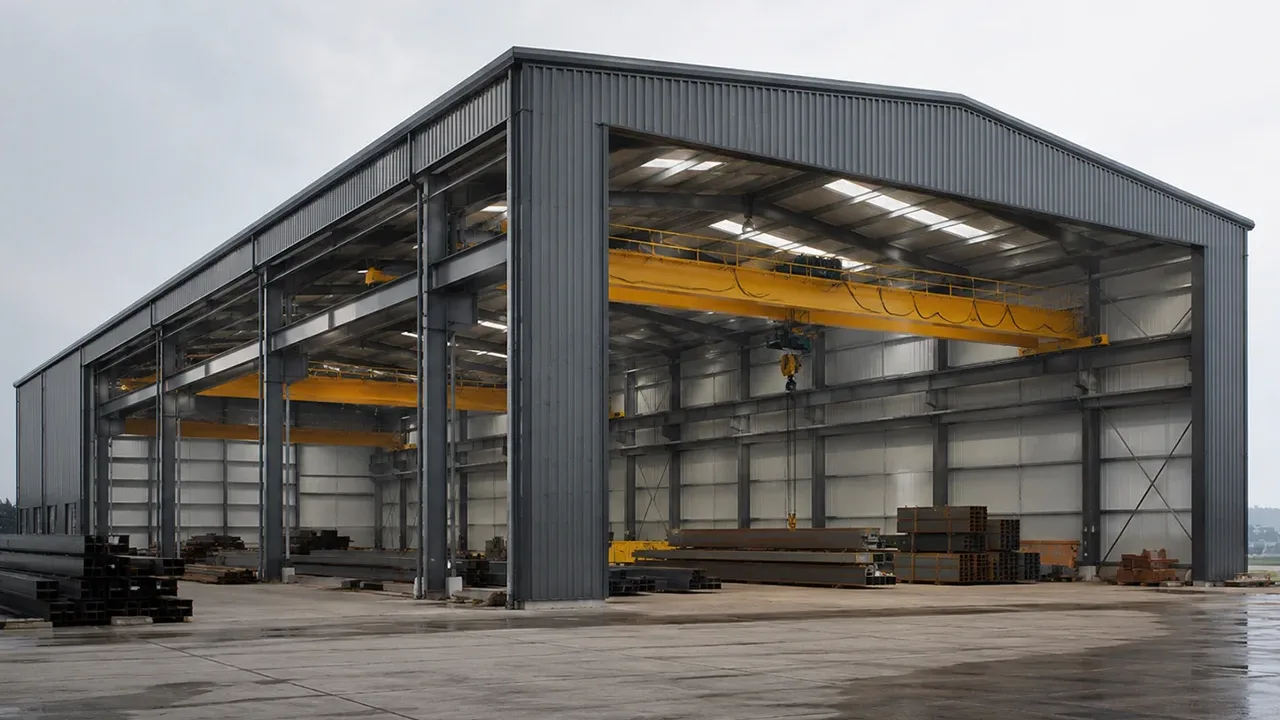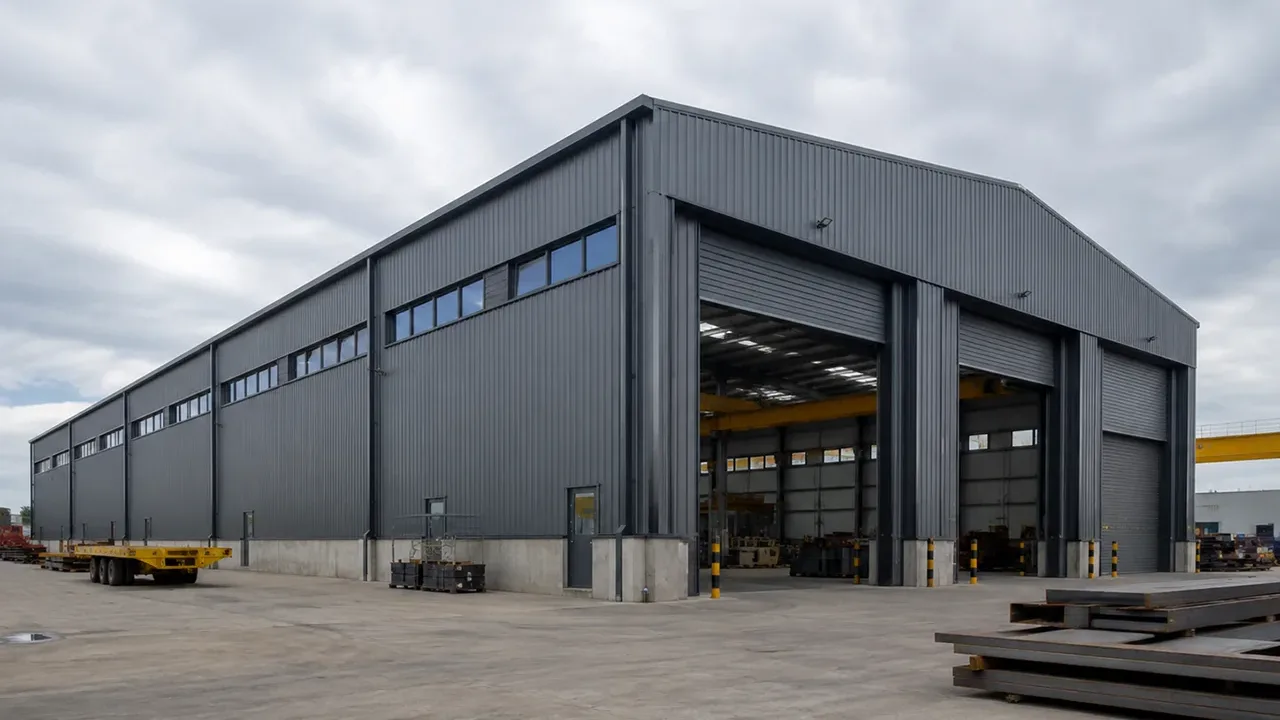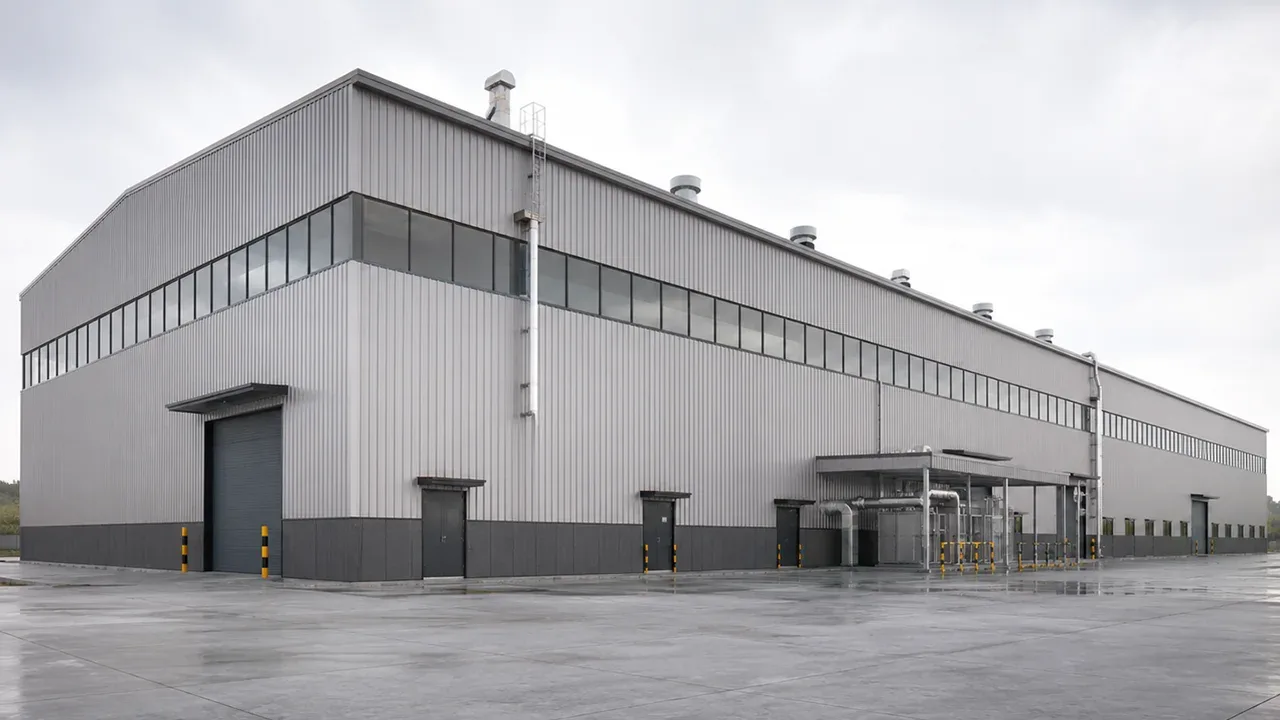
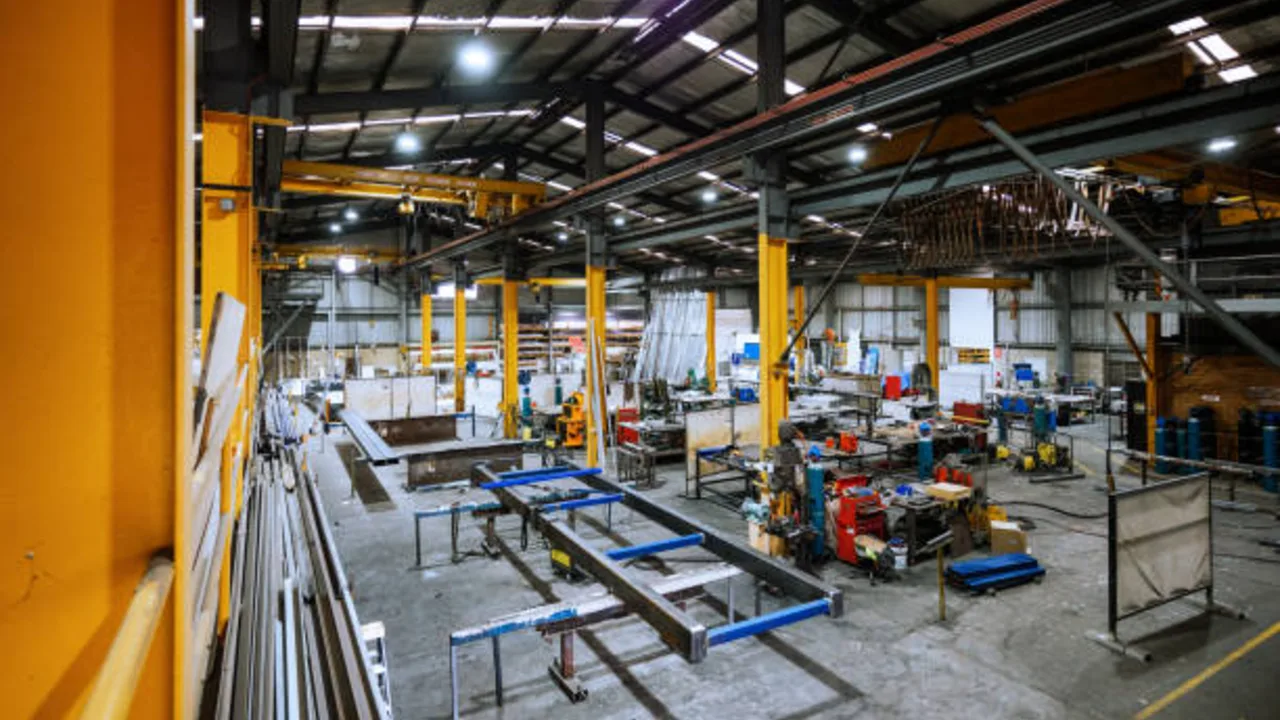
Modern industrial construction depends heavily on speed, coordination, and predictable execution. In prefabricated steel projects, these goals are achieved not only through advanced fabrication but also through proper installation planning. One of the most critical elements affecting project success is the prefab steel assembly sequence.
A well-organized erection sequence helps ensure structural stability, worker safety, crane efficiency, and smooth workflow coordination throughout the project lifecycle. In contrast, poor sequencing can create installation conflicts, unstable framing conditions, material congestion, and costly schedule delays.
As prefabricated steel construction becomes increasingly common in warehouses, factories, logistics facilities, and modular commercial buildings, understanding how to optimize the prefab steel assembly sequence has become essential for contractors, engineers, and project managers.
Unlike traditional construction methods, prefabricated steel systems rely heavily on coordinated off-site fabrication and rapid on-site assembly. This means installation activities must follow a carefully engineered sequence that aligns with transportation schedules, crane operations, temporary bracing requirements, and structural load transfer conditions.
Successful steel erection is therefore not simply about placing components in position. It is a highly controlled process that integrates engineering, logistics, safety management, and field coordination into a unified construction strategy.
Introduction to Prefabricated Steel Building Installation
The installation phase is where prefabricated steel projects transition from engineered components into complete structural systems. Although fabrication accuracy is critical, installation sequencing ultimately determines how efficiently those components come together on site.
A properly planned prefab steel assembly sequence minimizes rework, improves lifting efficiency, reduces labor congestion, and maintains structural stability during construction.
In industrial steel buildings, installation sequencing directly affects:
- Crane utilization efficiency
- Material flow across the site
- Temporary structural stability
- Worker access and safety
- Coordination between construction trades
- Project schedule reliability
Without proper sequencing, even well-fabricated steel systems may encounter major construction difficulties.
Understanding the Basics of Prefab Steel Assembly Sequence
Definition of assembly sequencing
The prefab steel assembly sequence refers to the planned order in which structural components are delivered, lifted, connected, stabilized, and finalized during construction.
This sequence is not random. It is carefully engineered to ensure that each structural phase remains stable while supporting subsequent installation activities.
The assembly sequence often includes:
- Column erection
- Beam installation
- Temporary bracing
- Roof framing
- Secondary steel installation
- Structural alignment
- Final bolt tightening
Each activity must occur in a controlled order to maintain safe and efficient project progression.
Difference between fabrication sequence and erection sequence
Although closely related, fabrication sequence and erection sequence are not identical.
Fabrication sequence refers to the order in which components are manufactured in the factory. Erection sequence refers to how those components are assembled on site.
Sometimes these sequences align directly. However, transportation constraints, crane access, or structural stability requirements may require erection activities to follow a different order than fabrication.
Coordinating both systems is a critical part of successful prefab steel assembly sequence planning.
Key stakeholders involved in installation coordination
Prefab steel installation requires collaboration between multiple project participants:
- Structural engineers
- Steel fabricators
- Erection contractors
- Crane operators
- Site supervisors
- Safety coordinators
- Logistics planners
Each stakeholder influences the installation sequence in different ways.
For example, engineers evaluate temporary stability conditions, while logistics planners coordinate delivery timing to avoid material congestion.
Successful prefab steel assembly sequence management depends on integrating all these disciplines into a coordinated field strategy.
How assembly sequence impacts project efficiency
Installation sequencing affects nearly every aspect of project performance.
A poorly coordinated sequence can create:
- Crane downtime
- Worker interference
- Unsafe lifting conditions
- Structural instability
- Material handling inefficiencies
- Schedule delays
In contrast, optimized sequencing improves installation speed while reducing operational risks.
In many industrial projects, installation efficiency can significantly influence total project profitability.
Pre-Installation Planning Before Site Assembly
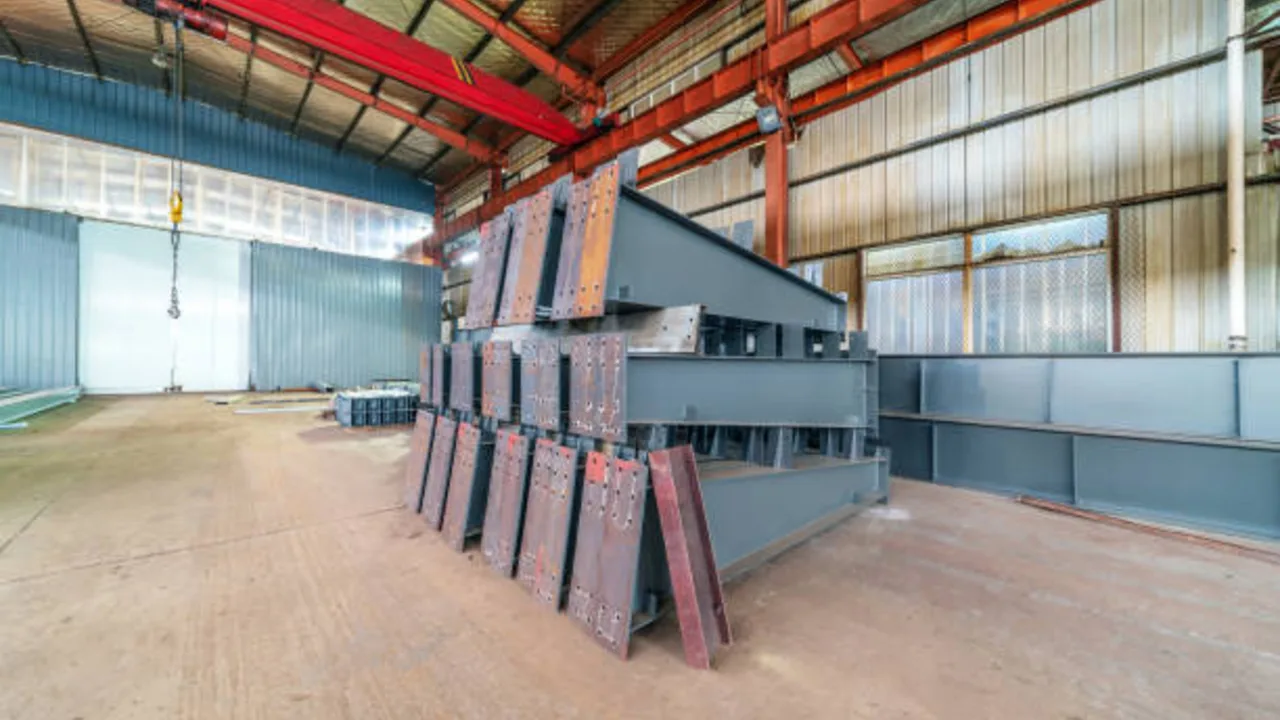
Reviewing shop drawings and erection drawings
Before steel arrives on site, erection teams must thoroughly review all structural documentation.
Shop drawings identify component fabrication details, while erection drawings define installation locations, sequencing logic, and connection procedures.
A successful prefab steel assembly sequence depends on ensuring that all crews understand:
- Component identification systems
- Connection details
- Lifting points
- Temporary bracing requirements
- Structural tolerances
Misinterpretation of erection drawings can create major installation conflicts.
Site preparation and foundation verification
Steel installation cannot begin until foundations are fully verified.
Pre-installation checks usually include:
- Anchor bolt alignment
- Foundation elevation accuracy
- Concrete strength confirmation
- Survey verification
- Access road readiness
Even small foundation inaccuracies may affect the entire prefab steel assembly sequence and create alignment problems later during erection.
Crane access and lifting zone planning
Crane positioning plays a major role in erection efficiency.
Installation planning must consider:
- Ground bearing capacity
- Crane swing radius
- Lift path obstructions
- Material staging locations
- Weather exposure
Poor crane planning can create operational bottlenecks that slow installation progress significantly.
Proper crane coordination is therefore integrated directly into modern prefab steel assembly sequence engineering.
Material staging and delivery scheduling
Material deliveries must align closely with installation progress.
Excessive on-site steel storage may create:
- Site congestion
- Safety hazards
- Material damage risks
- Handling inefficiencies
Many projects use phased delivery strategies to synchronize transportation with erection activities.
This “just-in-time” approach improves workflow efficiency and reduces unnecessary material movement across the site.
Safety planning and temporary bracing strategy
Temporary structural stability is one of the most important considerations during steel erection.
Before installation begins, engineers must define:
- Temporary bracing locations
- Load transfer conditions
- Stability requirements during partial erection
- Wind load limitations
- Emergency stabilization procedures
A poorly designed temporary bracing strategy can create dangerous instability conditions during construction.
For this reason, temporary stability analysis is a critical component of professional prefab steel assembly sequence planning.
For additional reference on steel erection safety principles, see this resource from OSHA Steel Erection Standards.
Standard Prefab Steel Assembly Sequence on Site
Anchor bolt inspection and foundation alignment
The installation process typically begins with inspection of anchor bolts and foundation geometry.
Survey teams verify:
- Bolt spacing
- Elevation tolerances
- Grid alignment
- Foundation dimensions
Correcting alignment problems before erection begins helps prevent major structural complications later in the project.
Accurate foundation preparation establishes the baseline for the entire prefab steel assembly sequence.
Installation of primary steel columns
Primary steel columns are usually erected first because they establish the main structural framework.
Columns are lifted individually using cranes and temporarily stabilized before beam installation begins.
Installation teams must carefully monitor:
- Vertical alignment
- Base plate seating
- Temporary support stability
- Bolt installation accuracy
Early-stage column stability is essential for maintaining safe erection conditions.
Temporary stabilization and bracing
After initial column erection, temporary bracing systems are installed to stabilize the frame.
Temporary bracing prevents:
- Lateral instability
- Progressive movement
- Wind-induced displacement
- Frame collapse during incomplete erection
Temporary stabilization continues throughout multiple phases of the prefab steel assembly sequence until the permanent structural system becomes fully connected.
Beam and rafter erection process
Once primary columns are stabilized, erection crews begin installing beams and roof rafters.
These members create the main load-transfer framework that ties the building together structurally.
Beam installation often follows a planned bay-by-bay sequence to maintain structural balance during erection.
During this phase, crews monitor:
- Connection alignment
- Bolt fit-up conditions
- Temporary stability behavior
- Crane lift coordination
The success of this stage heavily influences the overall efficiency of the prefab steel assembly sequence.
Secondary steel member installation
After primary framing becomes stable, secondary steel components are installed.
These typically include:
- Purlins
- Wall girts
- Bracing members
- Sag rods
- Secondary support systems
Secondary steel improves frame rigidity while preparing the structure for enclosure systems such as roofing and wall panels.
Because secondary members often involve repetitive installation activities, sequencing efficiency becomes critical for maintaining labor productivity.
Roof framing and purlin installation
Roof systems are typically installed after the primary frame achieves sufficient stability.
Purlin installation creates additional diaphragm support while improving frame stiffness across roof spans.
The erection team must coordinate:
- Roof sequencing
- Worker access routes
- Temporary fall protection systems
- Material lifting paths
Weather conditions become especially important during roof installation phases of the prefab steel assembly sequence.
Wall girts and structural reinforcement
Wall girts and reinforcement systems are installed after roof framing progresses sufficiently.
These components improve:
- Lateral stiffness
- Frame alignment
- Structural stability
- Support for enclosure systems
At this stage, the building begins transitioning from temporary erection stability toward permanent structural behavior.
Floor systems and mezzanine integration
In multi-level industrial or commercial buildings, floor framing systems and mezzanine structures are integrated according to engineered erection sequences.
Installation may involve:
- Composite deck systems
- Steel joists
- Temporary shoring
- Concrete coordination
Proper sequencing becomes critical when multiple construction trades operate simultaneously within the structure.
Final alignment and bolt tightening procedures
After all major framing members are installed, the structure undergoes final alignment verification.
Survey teams confirm:
- Column plumbness
- Beam alignment
- Frame geometry
- Connection tolerances
Only after alignment approval are final bolt tightening procedures completed according to engineering specifications.
This final phase ensures that the completed prefab steel assembly sequence achieves required structural performance standards.
Crane Coordination During Steel Erection
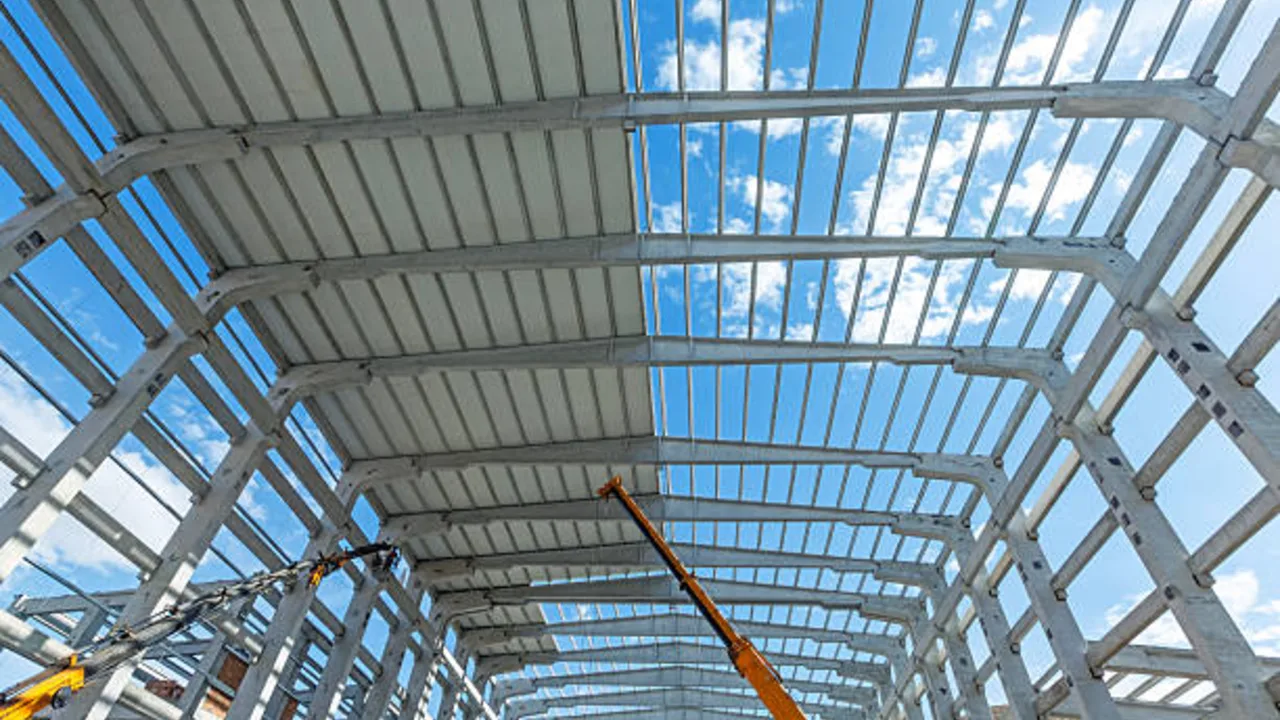
Selecting crane types based on building size
Different project scales require different crane solutions.
Crane selection depends on:
- Structural member weights
- Building height
- Lift radius
- Site accessibility
- Ground conditions
Common crane types used in steel erection include:
- Crawler cranes
- Mobile hydraulic cranes
- Tower cranes
- Rough terrain cranes
Proper crane selection significantly affects the efficiency of the prefab steel assembly sequence.
Lift sequencing for structural stability
Lift order directly influences temporary structural behavior.
Large structural members must often be installed symmetrically to prevent:
- Unbalanced loads
- Frame distortion
- Connection overstressing
- Progressive instability
Engineers frequently model erection stages digitally to verify stability throughout the installation process.
Tandem lifting considerations
Some oversized steel components require tandem crane lifts.
These operations involve:
- Advanced rigging coordination
- Synchronized crane movement
- Temporary load balancing
- Strict communication procedures
Tandem lifts are among the highest-risk activities within the prefab steel assembly sequence and require extensive planning.
Wind condition limitations during erection
Wind loading significantly affects steel erection safety.
High winds may create:
- Suspended load instability
- Frame sway
- Reduced crane control
- Unsafe worker conditions
Most projects establish strict wind speed limits for lifting operations.
Weather monitoring therefore becomes an ongoing component of erection management.
Common Mistakes in Prefab Steel Assembly Sequence
Incorrect material staging
Improper material staging can create major workflow disruptions.
Common problems include:
- Blocked crane access
- Double handling of materials
- Congested work areas
- Delayed component retrieval
Effective site logistics planning minimizes unnecessary material movement during erection.
Premature removal of temporary bracing
Temporary bracing should never be removed before permanent stability systems become fully functional.
Premature bracing removal may create:
- Lateral frame instability
- Progressive collapse risks
- Wind vulnerability
- Unsafe working conditions
Temporary stabilization remains essential throughout multiple stages of the prefab steel assembly sequence.
Poor coordination between erection crews
Large projects often involve multiple simultaneous erection teams.
Without proper communication, crews may interfere with:
- Crane operations
- Material delivery paths
- Temporary bracing systems
- Shared work zones
Integrated field coordination is critical for maintaining efficient workflow progression.
Sequence conflicts with MEP installation
Mechanical, electrical, and plumbing (MEP) activities must align with steel erection sequencing.
Poor coordination may create:
- Access conflicts
- Installation delays
- Rework requirements
- Material congestion
Modern projects increasingly rely on BIM coordination to reduce these conflicts.
Inadequate tolerance verification
Small alignment errors can accumulate rapidly during erection.
Failure to verify tolerances continuously may result in:
- Connection fit-up problems
- Misaligned framing
- Cladding installation difficulties
- Structural performance concerns
Tolerance management therefore remains a core component of professional prefab steel assembly sequence control.
Structural Stability During Assembly
Temporary stability requirements
Structures may behave very differently during erection than under final design conditions.
Temporary instability may occur when:
- Frames remain partially connected
- Bracing systems are incomplete
- Loads become unevenly distributed
- Wind forces act on incomplete structures
Engineers must evaluate these temporary conditions carefully during erection planning.
Managing unbalanced structural loads
Improper erection order can create uneven load transfer throughout the structure.
This may lead to:
- Localized overstressing
- Connection deformation
- Frame instability
- Temporary support failures
Balanced sequencing helps maintain predictable structural behavior throughout installation.
Importance of erection bracing systems
Erection bracing systems provide temporary structural support until the permanent framing system becomes fully stabilized.
These systems may include:
- Cable bracing
- Diagonal steel bracing
- Temporary guy wires
- Rigid temporary frames
Proper bracing placement is critical for maintaining safe erection conditions throughout the prefab steel assembly sequence.
Monitoring frame movement during installation
Modern projects increasingly monitor structural movement during erection.
Survey systems may track:
- Column deflection
- Frame drift
- Connection movement
- Settlement behavior
Continuous monitoring improves safety while allowing rapid correction of alignment issues before they become major structural problems.
Digital Technology in Assembly Sequencing
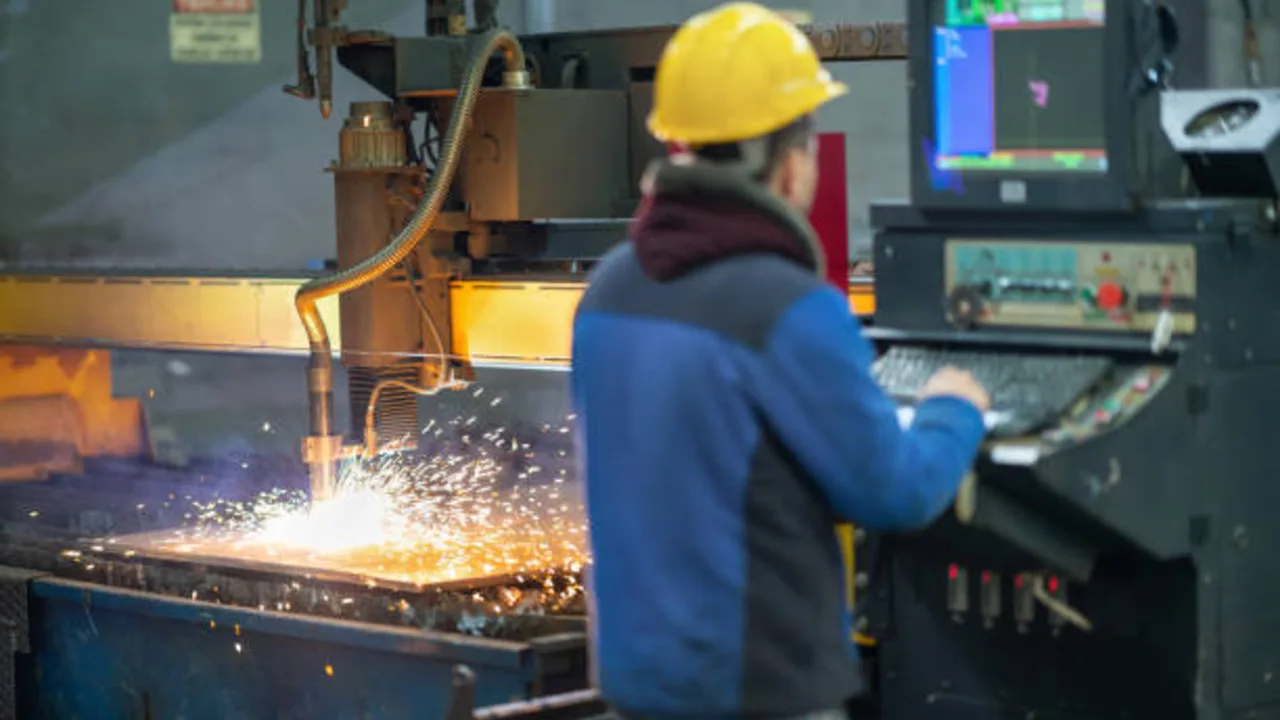
BIM coordination for erection planning
Building Information Modeling (BIM) has significantly improved erection coordination in modern steel projects.
BIM systems help teams:
- Visualize erection stages
- Identify installation conflicts
- Coordinate crane access
- Optimize material staging
- Improve trade sequencing
BIM-driven planning reduces uncertainty during the prefab steel assembly sequence.
4D construction simulation
4D simulation combines 3D structural models with project scheduling data.
This allows teams to simulate:
- Daily erection progress
- Crane movement
- Material flow
- Temporary stability conditions
Simulation improves decision-making before field activities begin.
To better understand digital construction sequencing technology, see this reference on 4D BIM Construction Planning.
Digital lift planning systems
Modern crane planning software improves lifting safety and efficiency.
These systems analyze:
- Load weights
- Lift radii
- Ground pressure
- Crane capacity utilization
- Potential collision zones
Digital planning tools reduce operational risks during complex erection activities.
Real-time installation tracking
Some advanced projects use digital tracking systems to monitor erection progress in real time.
This may include:
- RFID material tracking
- Drone inspection systems
- Digital progress dashboards
- Cloud-based field reporting
These technologies improve coordination across large construction teams.
Improving Efficiency in Prefab Steel Assembly Sequence
Modular grouping strategies
Some projects improve installation efficiency by preassembling grouped steel modules before final erection.
This reduces:
- Crane cycles
- Connection activities
- Field labor requirements
- Installation duration
However, grouped modules must remain compatible with transportation and lifting limitations.
Parallel installation workflows
Large projects may divide erection activities into multiple simultaneous work zones.
Parallel sequencing improves:
- Labor utilization
- Crane productivity
- Schedule compression
- Trade coordination
Careful planning is required to prevent interference between crews.
Reducing crane idle time
Crane downtime significantly affects project costs.
Efficient erection planning minimizes idle time by coordinating:
- Material delivery timing
- Lift preparation
- Rigging activities
- Worker readiness
Optimized crane utilization is a major objective of professional prefab steel assembly sequence management.
Optimizing labor coordination
Installation efficiency depends heavily on labor organization.
Effective projects coordinate:
- Erection crews
- Welders
- Bolt installation teams
- Survey personnel
- Safety inspectors
Integrated labor planning reduces delays while improving installation quality.
Safety Considerations During Steel Assembly
| Safety Area | Description | Key Safety Measures |
|---|---|---|
| Fall Protection Systems | Steel erection involves elevated work conditions that require comprehensive fall protection systems throughout the installation process. |
|
| Rigging Inspection Procedures | Rigging systems must undergo frequent inspection during erection to prevent lifting failures and unsafe crane operations. |
|
| Weather-Related Safety Protocols | Weather monitoring remains critical during steel erection because environmental conditions can directly affect lifting stability and worker safety. |
|
| Communication Systems Between Crews | Clear communication is essential during crane operations and coordinated lifting activities to prevent operational conflicts and safety incidents. |
|
Global Applications of Prefab Steel Assembly Sequence
The principles of prefab steel assembly sequence apply across a wide range of industries and project types.
These include:
- Industrial manufacturing plants
- Warehouse buildings
- Distribution centers
- Commercial steel buildings
- Modular infrastructure facilities
- Large logistics hubs
As industrialized construction continues expanding globally, optimized erection sequencing becomes increasingly important for maintaining project speed, quality, and safety.
Conclusion
In prefabricated steel construction, installation sequencing is far more than a simple construction schedule. It is a strategic engineering process that influences structural stability, crane efficiency, worker safety, logistics coordination, and overall project performance.
A successful prefab steel assembly sequence integrates engineering analysis, temporary stability planning, crane coordination, digital modeling, and site logistics into a unified erection strategy.
Projects that optimize installation sequencing achieve faster erection, reduced risks, improved labor efficiency, and stronger cost control.
As prefabricated construction systems continue evolving toward larger and more complex structures, the importance of professional erection planning will only continue growing.
For developers and contractors seeking efficient industrial building solutions, working with an experienced prefabricated steel structure manufacturer and erection team can significantly improve project execution quality and installation reliability.