Modern construction increasingly favors efficiency, predictability, and long-term value. As project timelines tighten and sustainability becomes a core requirement, the prefab steel building lifecycle has emerged as a preferred construction model across industrial, commercial, and infrastructure sectors.
Unlike traditional on-site construction, prefabricated steel buildings follow a clearly defined lifecycle—from design and manufacturing to transport, erection, operation, and eventual reuse or recycling. Each phase is engineered to reduce uncertainty, control costs, and deliver consistent quality.
This article explores the complete lifecycle of a prefabricated steel building, highlighting how manufacturing precision, logistics planning, and controlled erection processes create durable, adaptable structures with long-term performance advantages.
Understanding the Prefab Steel Building Lifecycle
The prefab steel building lifecycle refers to the complete, end-to-end process through which a prefabricated steel structure is planned, produced, assembled, operated, and ultimately reused or recycled. Unlike conventional construction methods that rely heavily on on-site fabrication and sequential workflows, prefabricated steel construction is built around a systematic lifecycle approach that prioritizes standardization, precision, and long-term performance.
Instead of improvising construction activities in the field, most critical tasks—such as cutting, welding, drilling, and connection detailing—are completed in controlled factory environments. This significantly reduces variability, improves quality consistency, and minimizes delays caused by weather, labor constraints, or site-specific uncertainties. As a result, each phase of the lifecycle is planned in advance and executed with clear technical and logistical coordination.
A typical prefab steel building lifecycle includes the following interconnected stages:
- Concept design and structural engineering
Project requirements, structural loads, building layout, and future expansion needs are defined early. Engineers optimize steel member sizes and connection details to balance strength, efficiency, and constructability. - Off-site steel manufacturing
Structural components are fabricated in factories using standardized processes, automated equipment, and strict quality control systems. This ensures high dimensional accuracy and repeatable production quality. - Transportation and logistics coordination
Fabricated steel members are packaged, labeled, and transported according to a planned erection sequence. Efficient logistics reduce site congestion and support just-in-time delivery strategies. - On-site erection and assembly
Pre-engineered components are assembled using cranes and bolted or welded connections. Because components arrive ready for installation, erection time is significantly shorter than traditional construction methods. - Operation, maintenance, and future adaptability
Once operational, steel buildings offer long-term structural stability, low maintenance requirements, and flexibility for layout changes, expansions, or upgrades as operational needs evolve. - Disassembly, reuse, or recycling
At the end of the building’s service life, steel components can be dismantled, reused in new projects, or fully recycled—preserving material value and reducing environmental impact.
By structuring construction as a continuous lifecycle rather than a one-time build, prefabricated steel buildings deliver predictable costs, shorter project timelines, and superior long-term value. This lifecycle-driven approach enables developers, contractors, and facility owners to make informed decisions not only for construction, but for decades of building operation, adaptation, and sustainability.
Every prefabricated steel building begins with detailed design and engineering. This phase defines structural performance, load paths, and functional requirements long before any steel is fabricated.
Key considerations include:
- Building function (warehouse, factory, hangar, commercial space)
- Design loads (dead load, live load, wind, seismic)
- Span requirements and column layout
- Future expansion or modification potential
Digital tools such as structural modeling and clash detection allow engineers to optimize material usage and eliminate construction conflicts early, improving efficiency throughout the prefab steel building lifecycle.
Manufacturing: The Core of Prefabrication
Manufacturing is the defining stage of prefabricated steel construction. Structural members are fabricated in factories under controlled conditions, ensuring high precision and consistent quality.
Typical manufacturing activities include:
- Steel cutting, drilling, and shaping
- Automated welding and connection fabrication
- Surface treatment (painting or galvanizing)
- Quality inspection and dimensional verification
Because fabrication occurs off-site, weather delays and labor variability are minimized. Accurate manufacturing reduces on-site rework and plays a critical role in shortening overall project schedules.
Quality Control and Compliance
Quality assurance is integrated throughout the manufacturing stage of the prefab steel building lifecycle. Each component is inspected before leaving the factory to ensure it meets structural and dimensional requirements.
Quality control typically covers:
- Weld integrity and connection strength
- Material traceability and certifications
- Surface coating thickness and adhesion
- Assembly tolerance compliance
This level of control is difficult to achieve in traditional construction and represents a key advantage of prefabricated steel systems.
Transport and Logistics Planning
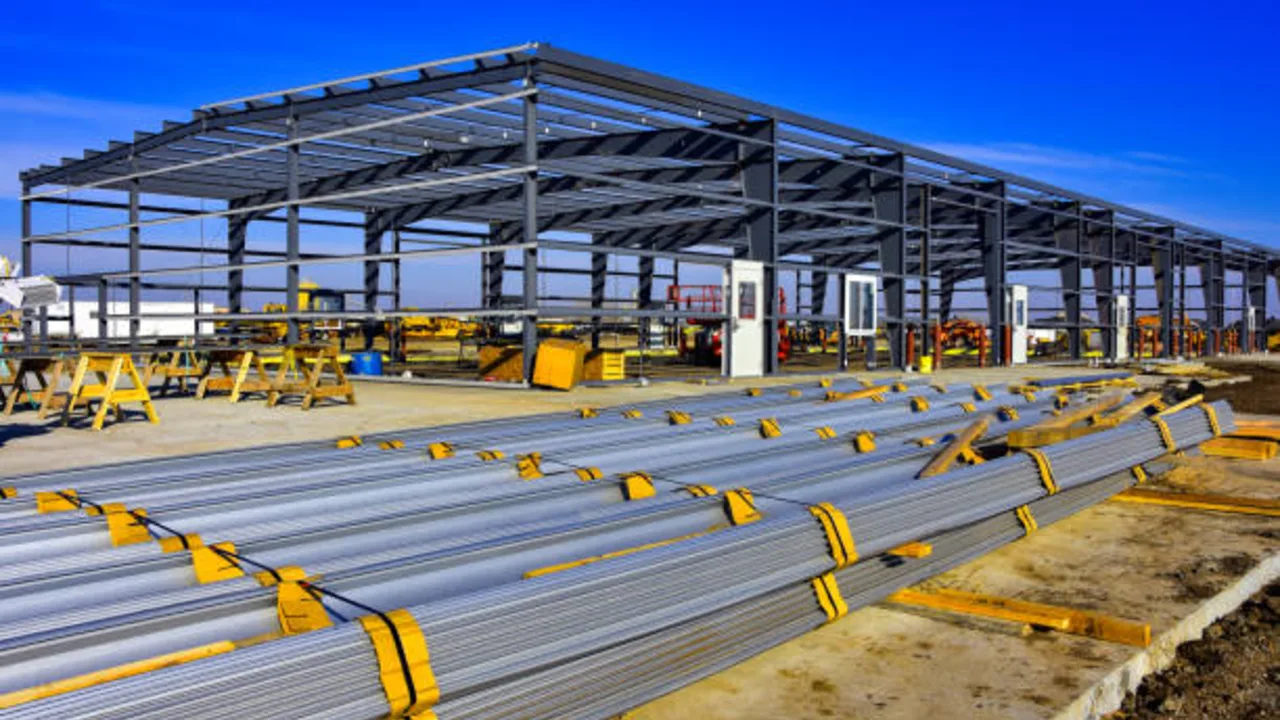
Once fabricated, steel components enter the transport phase. Proper logistics planning ensures that materials arrive on site in the correct sequence and condition.
Important logistics considerations include:
- Optimized packing and labeling of components
- Transport route and vehicle selection
- Protection against damage during transit
- Just-in-time delivery coordination
Efficient transport minimizes site congestion and supports smooth erection operations, especially for large-scale or fast-track projects.
On-Site Erection and Assembly
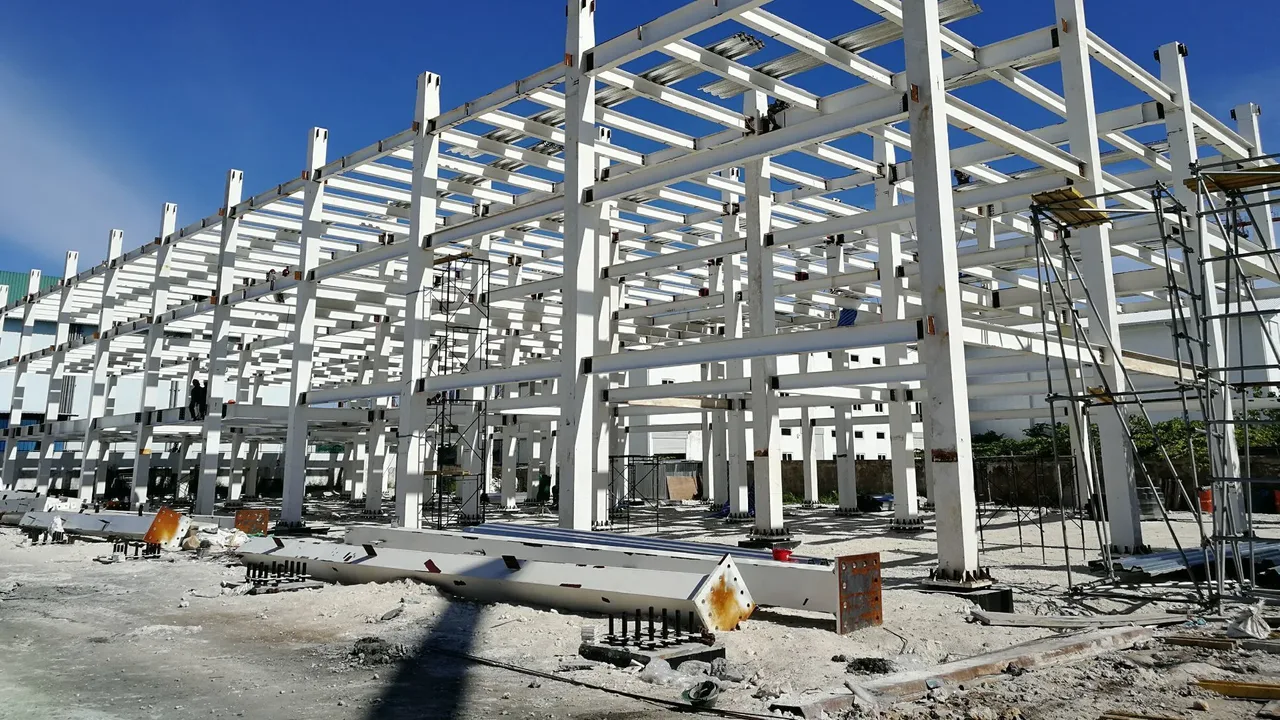
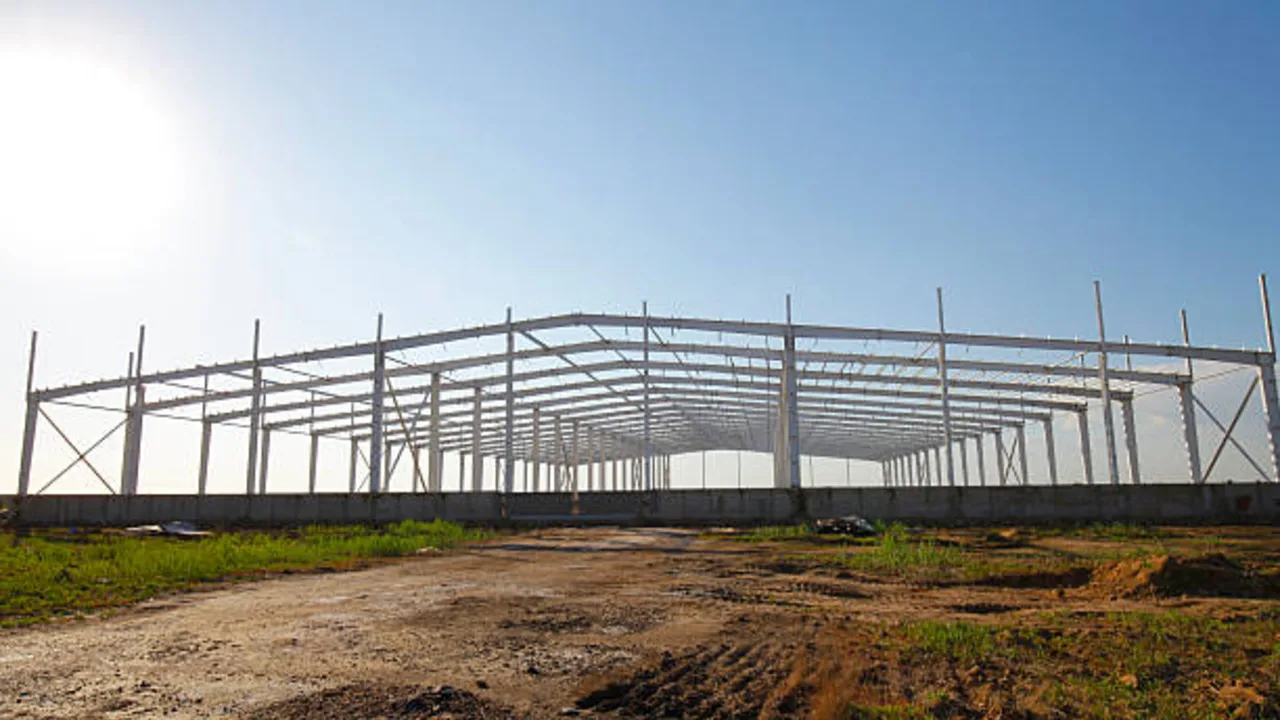
Erection is the most visible stage of the prefab steel building lifecycle. Because components are pre-engineered and pre-fabricated, on-site assembly becomes a controlled and highly efficient process.
Key erection activities include:
- Foundation interface and anchor bolt alignment
- Column and beam installation using cranes
- Connection bolting or welding
- Secondary steel, decking, and envelope installation
Compared with conventional construction, erection time is significantly reduced, often allowing buildings to become operational weeks or months earlier.
Integration with Building Systems
After the primary steel structure is erected, building systems such as roofing, wall panels, mechanical, electrical, and fire protection systems are integrated.
Prefabricated steel buildings simplify this stage by providing:
- Clear structural grids for services routing
- Predefined attachment points
- Minimal structural interference
This integration efficiency further enhances the overall performance of the prefab steel building lifecycle.
Operation and Long-Term Performance
Once in service, prefabricated steel buildings offer excellent long-term performance. Steel structures are inherently durable, dimensionally stable, and resistant to deformation.
Operational advantages include:
- Low maintenance requirements
- High load-bearing capacity
- Adaptability for layout changes or expansion
- Consistent structural performance over time
With proper maintenance, steel buildings can remain in service for decades while retaining their structural integrity.
Adaptation, Expansion, and Reuse
A major strength of the prefab steel building lifecycle is adaptability. Unlike rigid concrete structures, steel buildings can be modified or expanded with minimal disruption.
Common adaptations include:
- Adding mezzanine floors
- Extending building spans or bays
- Reconfiguring internal layouts
This flexibility allows owners to respond to changing operational needs without starting from scratch.
Sustainability and End-of-Life Considerations
At the end of their service life, prefabricated steel buildings offer strong sustainability benefits. Steel components can be disassembled, reused, or fully recycled.
Environmental advantages include:
- Reduced construction waste
- Lower embodied carbon over the lifecycle
- High recycling value of steel materials
These factors make prefabricated steel buildings a responsible choice for long-term industrial and commercial development.
Why Lifecycle Thinking Matters in Steel Construction
Viewing construction as a lifecycle rather than a one-time event enables smarter investment decisions. From controlled manufacturing to efficient erection and long-term adaptability, the prefab steel building lifecycle delivers measurable value at every stage.
For developers, contractors, and facility owners seeking speed, durability, and flexibility, adopting a lifecycle-based approach to prefabricated steel structure building solutions provides a clear competitive advantage.
Conclusion: The Value of Prefabricated Steel Buildings
The lifecycle of a prefabricated steel building demonstrates why steel remains one of the most effective construction materials in modern industry. By combining precision manufacturing, efficient transport, fast erection, and long-term sustainability, prefabricated steel buildings outperform many traditional construction methods.
As construction demands continue to evolve, lifecycle-driven prefabricated steel solutions will play an increasingly important role in delivering resilient, cost-effective, and future-ready buildings.