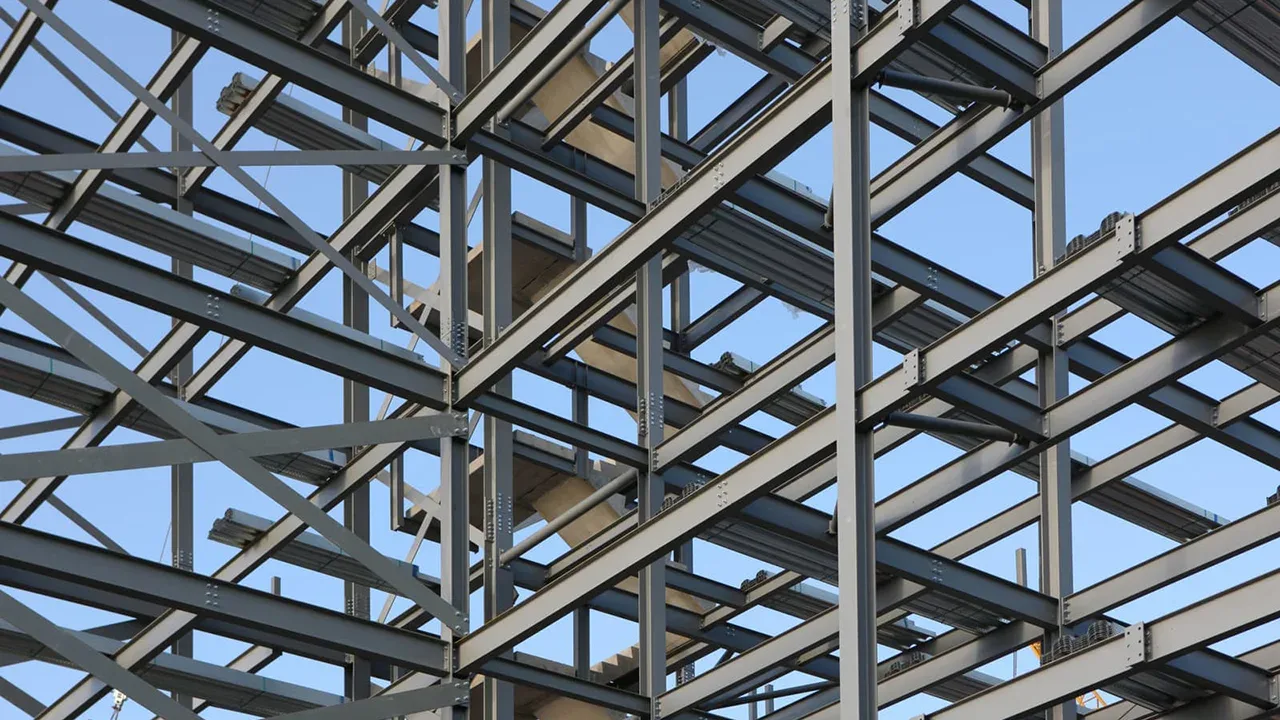
In modern industrial and infrastructure projects, coordination is no longer a secondary management task—it is a critical engineering function. Steel structure projects, in particular, demand precise integration between civil works and steel erection processes. When this integration fails, civil steel construction coordination issues quickly emerge, leading to delays, rework, and escalating project costs.
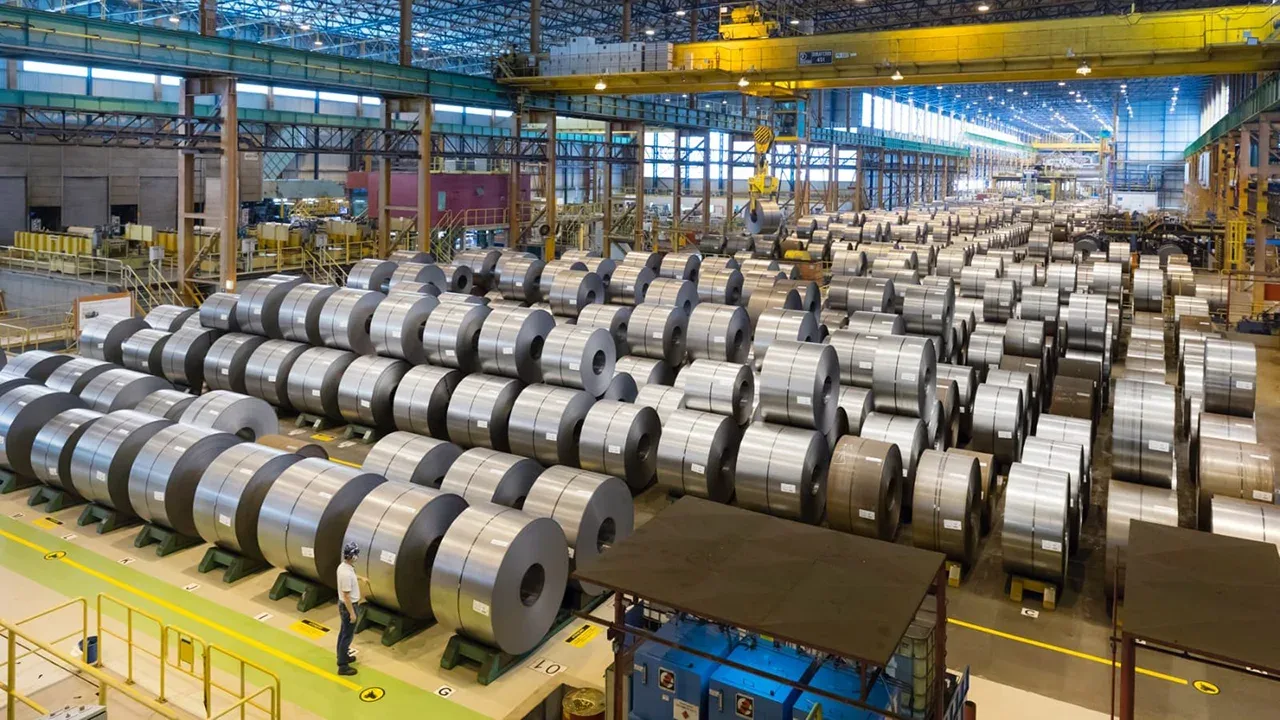
Unlike conventional construction, steel projects operate on a dual-track workflow. Civil construction is driven by on-site conditions such as excavation, foundation work, and concrete curing. In contrast, steel structures are largely fabricated off-site under controlled factory conditions. This fundamental difference creates a coordination gap that must be carefully managed through structured planning and execution.
For companies involved in steel structure building construction, understanding how to align these two workflows is essential. Effective coordination not only ensures structural accuracy but also minimizes interface management risks that can disrupt project timelines and budgets.
Understanding Civil Steel Construction Coordination in Modern Projects
Civil steel construction coordination refers to the systematic alignment of civil engineering works and steel structure activities throughout the project lifecycle. This includes design integration, construction sequencing, data sharing, and real-time communication between teams.
At the core of this coordination lies interface management—the process of identifying, defining, and controlling the interactions between different construction disciplines. In steel projects, these interfaces are often complex and high-risk, particularly at connection points such as foundations, anchor bolts, and load transfer zones.
As projects become larger and more technically demanding, coordination challenges increase exponentially. High-rise industrial facilities, logistics hubs, and complex commercial structures require seamless integration across multiple teams, making coordination a key determinant of project success.
Key Differences Between Civil and Steel Construction Workflows

Timeline and Sequencing Differences
Civil construction typically follows a linear sequence—site preparation, foundation work, and structural base completion. Steel construction, however, operates in parallel. While foundations are being built, steel components are already being fabricated off-site.
This parallel workflow improves efficiency but introduces coordination risks. If civil progress is delayed or inaccurate, steel components may arrive on-site without ready installation conditions, resulting in storage issues, damage risk, and schedule disruption.
Tolerance and Precision Gap
One of the most critical challenges in civil steel construction coordination is the difference in tolerance levels. Civil works, particularly concrete structures, allow for certain deviations. Steel structures, on the other hand, require high precision due to prefabrication.
Even small deviations in foundation level or anchor bolt positioning can lead to misalignment during steel erection. Correcting these issues often involves costly adjustments such as re-drilling, welding modifications, or component re-fabrication.
Responsibility and Scope Overlap
Another major coordination issue arises from unclear responsibility boundaries. Elements such as anchor bolts, base plates, and embedded components often fall into a gray area between civil and steel scopes.
Without clearly defined ownership, errors may go unnoticed until installation, leading to disputes, delays, and additional costs. Effective interface management requires clear allocation of responsibilities from the early stages of the project.
Common Coordination Failures Between Civil and Steel Teams
Foundation and Anchor Bolt Misalignment
Misalignment of anchor bolts is one of the most frequent civil steel construction coordination failures. Incorrect positioning or elevation errors can prevent steel columns from being installed correctly.
These issues often require on-site corrections such as slotting base plates or reworking foundations, which increase both time and cost.
Delayed Handover Between Civil and Steel Works
Steel erection depends heavily on the timely completion of civil works. When foundation work is delayed, steel installation cannot proceed as planned.
This leads to idle labor, equipment downtime, and disruption of the entire project schedule. In large-scale projects, such delays can significantly impact overall profitability.
Inconsistent Drawings and Data Sharing
Another common issue is the mismatch between design drawings, shop drawings, and site conditions. Changes made during construction are not always communicated effectively across teams.
Without proper version control and data synchronization, teams may work with outdated information, leading to errors and rework.
Interface Management as the Core of Coordination
What is Interface Management in Construction
Interface management is the structured process of managing interactions between different project components and teams. It ensures that all interfaces—whether physical, functional, or organizational—are clearly defined and controlled.
In steel construction projects, interface management plays a central role in preventing coordination failures. It allows teams to anticipate potential conflicts and address them before they escalate.
Identifying Critical Interfaces Early
Successful coordination begins with early identification of critical interfaces. These include connections between foundations and steel columns, integration with MEP systems, and alignment with architectural elements.
By mapping these interfaces during the design phase, project teams can reduce uncertainty and improve execution efficiency.
Managing Responsibility Across Teams
Clear definition of roles and responsibilities is essential for effective coordination. Each interface should have a designated owner responsible for ensuring alignment between disciplines.
This approach minimizes ambiguity, reduces conflict, and improves accountability across the project.
Design-Stage Coordination Strategies
Integrated Design Approach
An integrated design approach brings civil and steel teams together from the early stages of the project. Instead of working in isolation, both disciplines collaborate to align structural requirements, load paths, and construction methods.
This approach significantly reduces coordination risks and improves overall project efficiency.
Alignment of Structural Loads and Foundation Design
Accurate load transfer from steel structures to foundations is critical. Any mismatch between structural design and foundation capacity can result in redesign or reinforcement during construction.
Proper coordination ensures that foundation systems are designed to accommodate actual steel loads without overdesign or underperformance.
Early Detection of Conflicts
Digital tools such as BIM (Building Information Modeling) enable early detection of clashes between civil and steel components. By identifying conflicts before construction, teams can avoid costly on-site adjustments.
This proactive approach is essential for maintaining schedule and cost control.
Construction Phase Coordination Best Practices
Pre-Construction Meetings and Planning
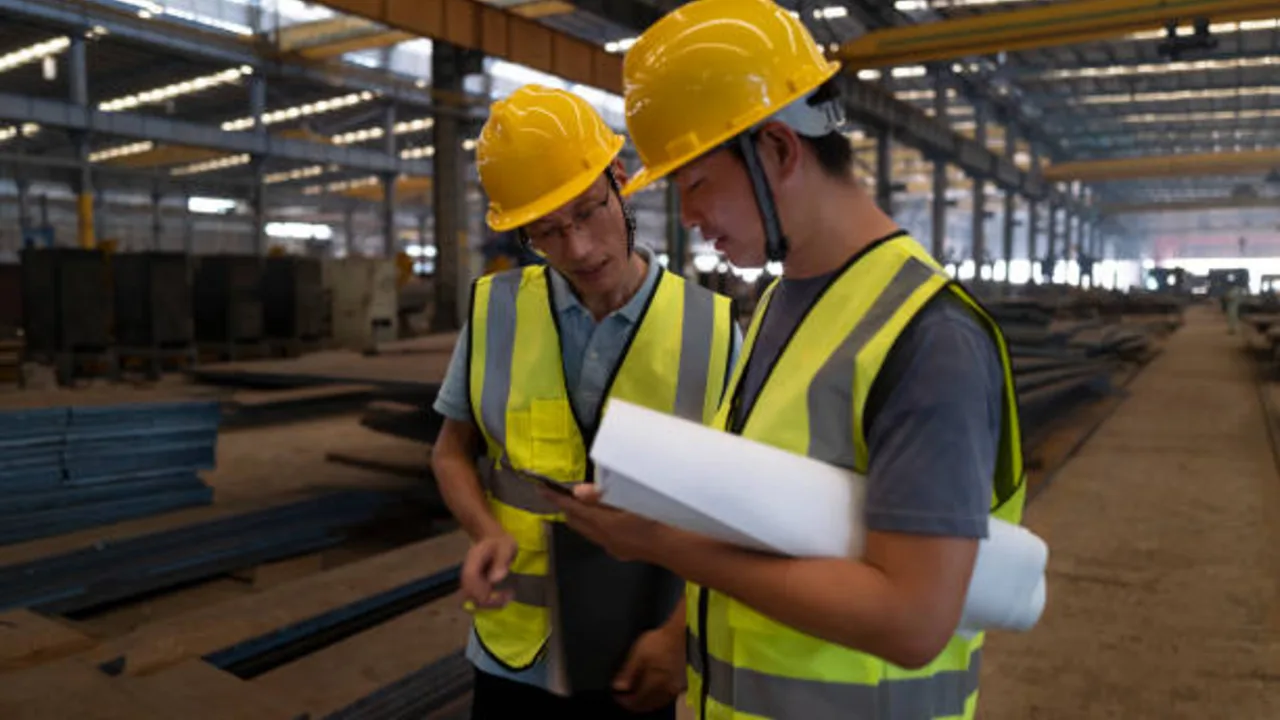
Effective civil steel construction coordination starts before any physical work begins. Pre-construction meetings align all stakeholders on sequencing, responsibilities, and technical requirements. These meetings ensure that civil and steel teams share a common understanding of project expectations and constraints.
Clear communication during this stage reduces misunderstandings and establishes a structured approach to interface management.
Surveying and Verification Before Steel Erection
Before steel components arrive on-site, it is essential to verify that civil works meet the required tolerances. Surveying foundation levels, anchor bolt positions, and alignment ensures that steel installation can proceed without issues.
This step is critical because once steel components are fabricated, adjustments become costly and time-consuming. Early verification helps eliminate one of the most common civil steel construction coordination risks.
Real-Time Communication on Site
Construction environments are dynamic, and conditions can change rapidly. Real-time communication between civil and steel teams allows for immediate problem-solving and reduces delays.
Daily coordination meetings, shared reporting systems, and on-site supervision play a key role in maintaining alignment throughout the construction phase.
Role of Prefabrication in Reducing Coordination Risk
Prefabrication is one of the most effective strategies for improving civil steel construction coordination. By manufacturing steel components in controlled factory environments, project teams can achieve higher accuracy and consistency.
This approach reduces dependency on site conditions and minimizes uncertainties during installation. While civil works are ongoing, steel fabrication can proceed in parallel, improving overall project efficiency.
However, prefabrication also increases the importance of coordination. Since components are produced in advance, any mismatch with site conditions can result in significant rework. This makes precise interface management even more critical.
Digital Tools for Civil Steel Construction Coordination
BIM and 3D Modeling
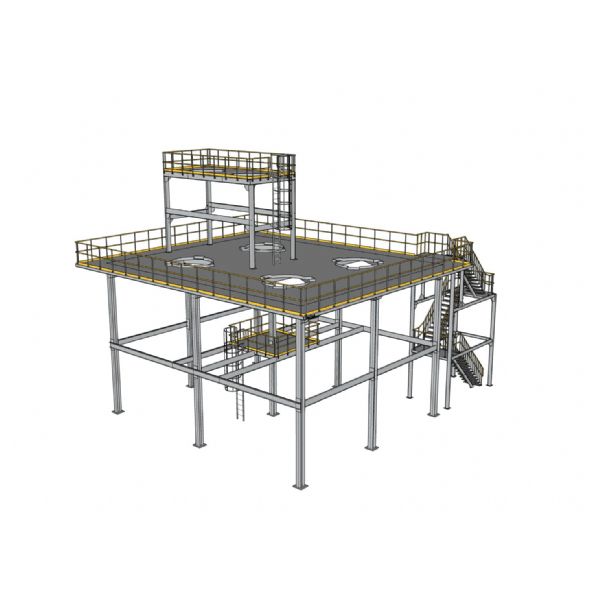
Building Information Modeling (BIM) allows teams to visualize the entire project in a digital environment. It enables early detection of clashes, alignment issues, and coordination gaps.
Through BIM, civil and steel teams can simulate construction sequences and validate design decisions before execution.
Project Management Systems
Digital project management platforms help synchronize data across teams. They provide real-time updates on progress, design revisions, and issue tracking.
This ensures that all stakeholders work with consistent and up-to-date information, reducing the risk of errors.
Digital Tracking of Interfaces
Interface tracking systems allow project teams to monitor coordination points systematically. Each interface is logged, assigned, and tracked until resolution.
This structured approach enhances accountability and improves overall coordination efficiency.
Real Project Insight: Lingang Financial Bay Coordination Case
A practical example of civil steel construction coordination can be seen in the Lingang New Area Financial Bay project. This large-scale development involved complex architectural steel structures, multi-building integration, and high coordination requirements between civil, steel, and facade systems.
The project required precise alignment between foundation works and steel erection. Due to the complexity of the structure and tight tolerance requirements, even minor deviations could have caused significant installation challenges.
In addition, multiple interfaces had to be managed simultaneously, including structural systems, facade integration, and MEP routing. This created a multi-directional coordination environment where traditional linear workflows were insufficient.
To address these challenges, the project utilized advanced digital modeling and simulation tools. Steel components were pre-validated before installation, ensuring compatibility with on-site conditions. This approach minimized rework and improved installation accuracy.
Another key factor was the parallel workflow between civil construction and steel prefabrication. By aligning these processes, the project reduced delays and improved overall efficiency. This demonstrates how effective interface management can significantly reduce coordination risks.
Why Civil Steel Coordination Requires Engineering-Led Teams
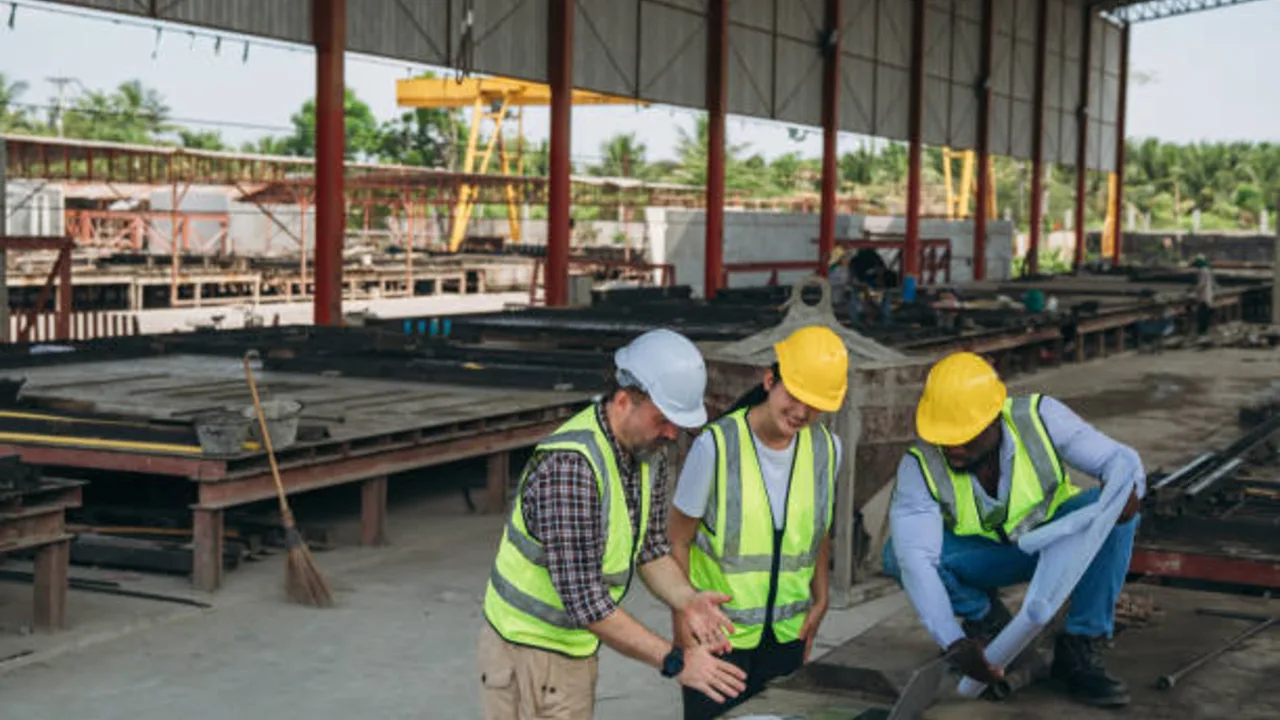
Coordination between civil and steel teams is not just a management task—it is fundamentally an engineering challenge. It requires a deep understanding of structural behavior, fabrication processes, and construction sequencing.
Engineering-led teams are able to anticipate potential conflicts, optimize design solutions, and implement efficient construction strategies. This proactive approach is essential for managing civil steel construction coordination effectively.
For companies involved in steel structure building construction, working with experienced engineering teams ensures better coordination, reduced risk, and improved project outcomes.
Conclusion
In modern construction, coordination between civil and steel teams is a critical success factor. The complexity of steel structures, combined with parallel workflows and tight tolerances, makes coordination both challenging and essential.
Understanding civil steel construction coordination and implementing structured interface management strategies can significantly reduce risks, prevent delays, and improve overall efficiency.
By adopting integrated planning, leveraging digital tools, and relying on engineering expertise, project teams can ensure that civil and steel works align seamlessly from design to execution.
FAQ
What is civil steel construction coordination?
It refers to the alignment of civil works and steel structure activities to ensure accurate and efficient project execution.
Why is interface management important in construction?
Interface management helps control interactions between different disciplines, reducing conflicts and coordination risks.
What are common coordination issues between civil and steel teams?
Common issues include misalignment of anchor bolts, delayed handover, and inconsistent drawings.
How do anchor bolt errors impact steel erection?
They can prevent proper installation of steel columns, requiring costly adjustments or rework.
What is the role of BIM in coordination?
BIM enables visualization, clash detection, and simulation of construction processes.
How can contractors reduce coordination risk?
Through early planning, clear responsibility definition, and use of digital tools.
What is the biggest challenge in steel construction coordination?
The difference in workflows and tolerance levels between civil and steel works.
How does prefabrication improve coordination?
It increases accuracy and allows parallel workflows, reducing on-site uncertainty.