Steel erection projects have evolved significantly with the increasing scale and complexity of modern structures. From large-span industrial facilities to high-rise frameworks, the need to handle heavy and oversized components has pushed construction teams to adopt more advanced lifting strategies. Among these, multi crane steel erection has become a critical approach for executing complex lifts efficiently.
Using multiple cranes in a single lifting operation allows project teams to distribute loads, improve stability, and handle components that exceed the capacity of a single crane. However, this method introduces a new layer of complexity. Coordinating multiple machines, operators, and lifting sequences requires precise planning, engineering expertise, and real-time communication.
Without proper coordination, multi-crane operations can lead to uneven load distribution, structural instability, or even catastrophic failure. Therefore, understanding the principles behind multi-crane lifting is essential for ensuring safety and efficiency on site.
This article explores the key aspects of managing multi-crane operations in steel erection, including planning strategies, load-sharing principles, communication protocols, and safety management.
What Is Multi-Crane Steel Erection?
Definition and Scope
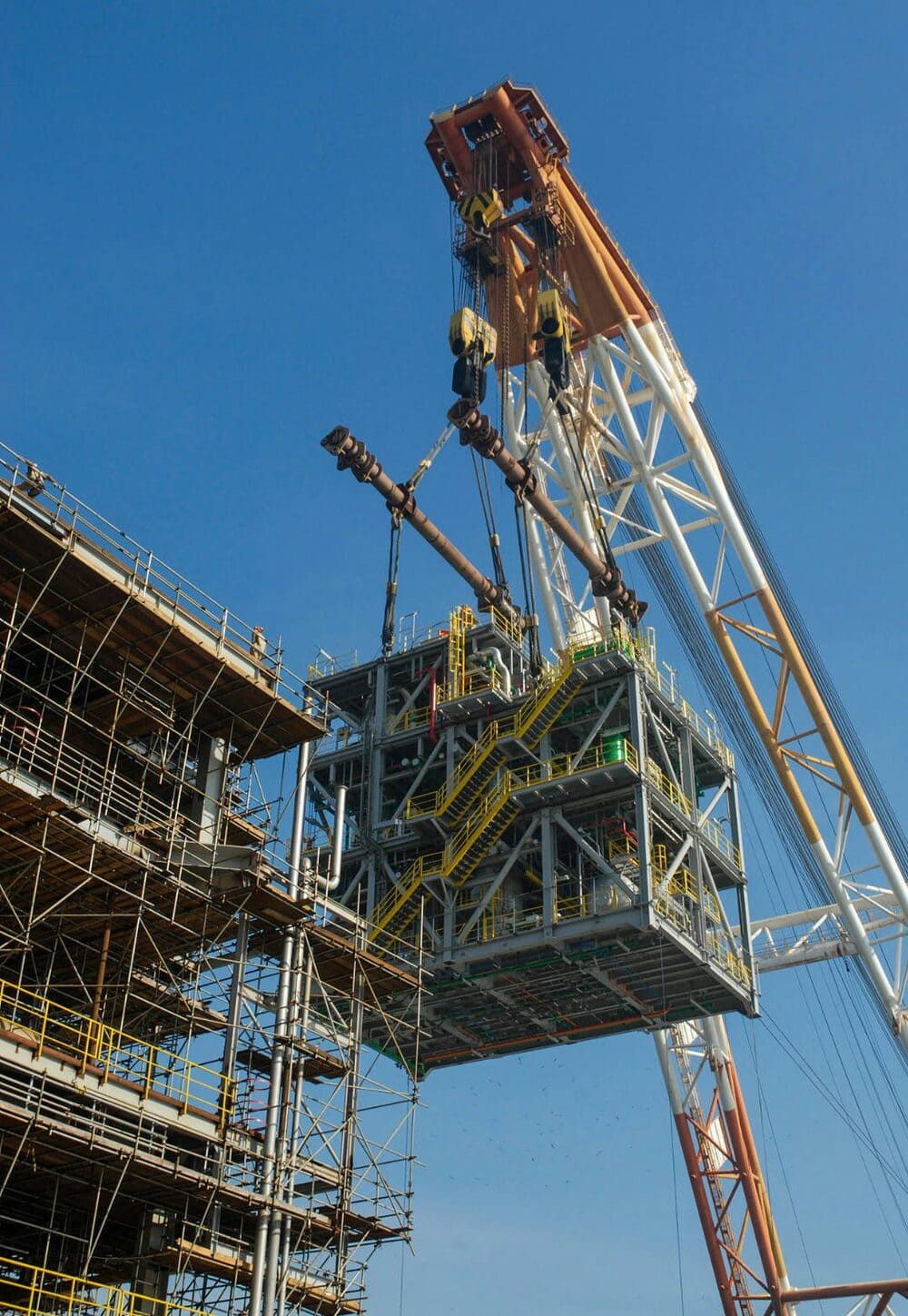
Multi crane steel erection refers to the coordinated use of two or more cranes to lift, position, and install steel components during construction. This method is typically used when individual crane capacity is insufficient or when the geometry of the structure requires multiple lifting points.
Unlike single-crane operations, multi-crane lifting involves synchronized movement, shared loads, and complex rigging systems. Each crane must operate in harmony with the others to maintain balance and prevent excessive stress on the structure.
The scope of multi-crane operations extends beyond lifting itself. It includes pre-lift engineering analysis, rigging design, crane positioning, and continuous monitoring throughout the operation.
Common Scenarios Requiring Multiple Cranes
Multi-crane operations are commonly used in projects where structural components are large, heavy, or difficult to handle with a single crane. Typical scenarios include:
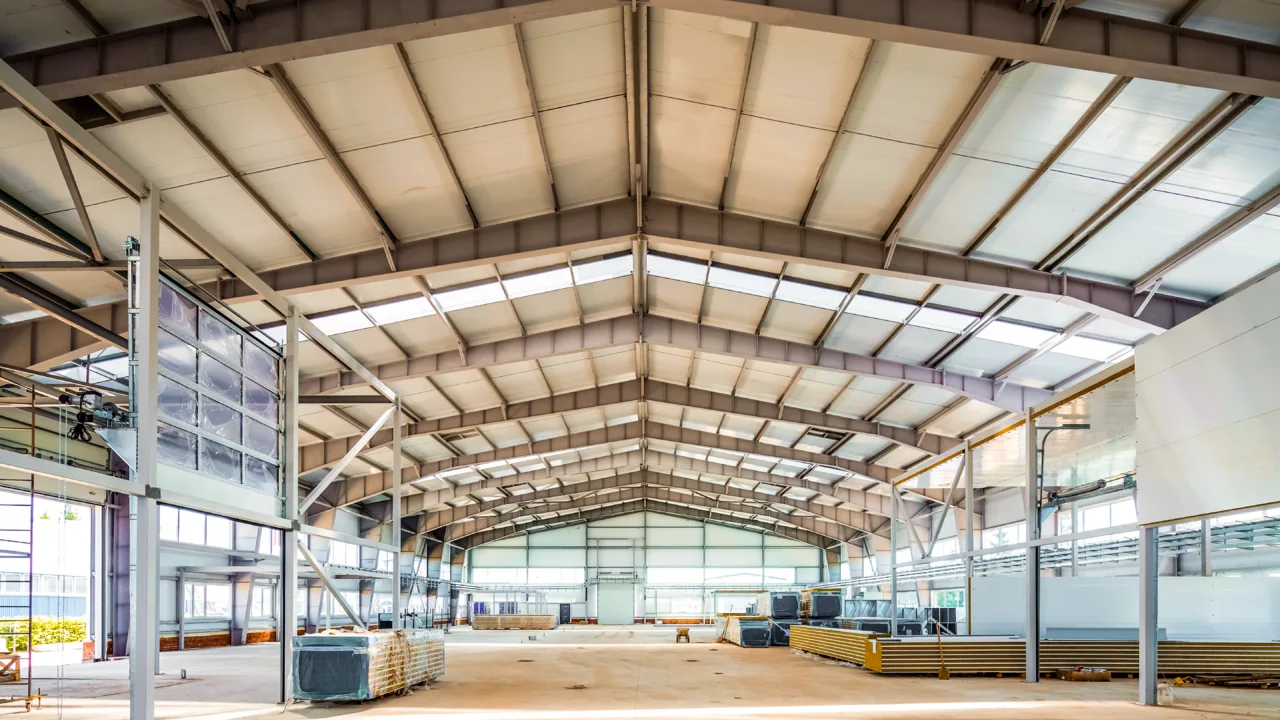
- Large-span industrial buildings: Lifting long beams or trusses
- Stadium and airport structures: Installing complex roof systems
- High-rise steel frames: Positioning heavy prefabricated modules
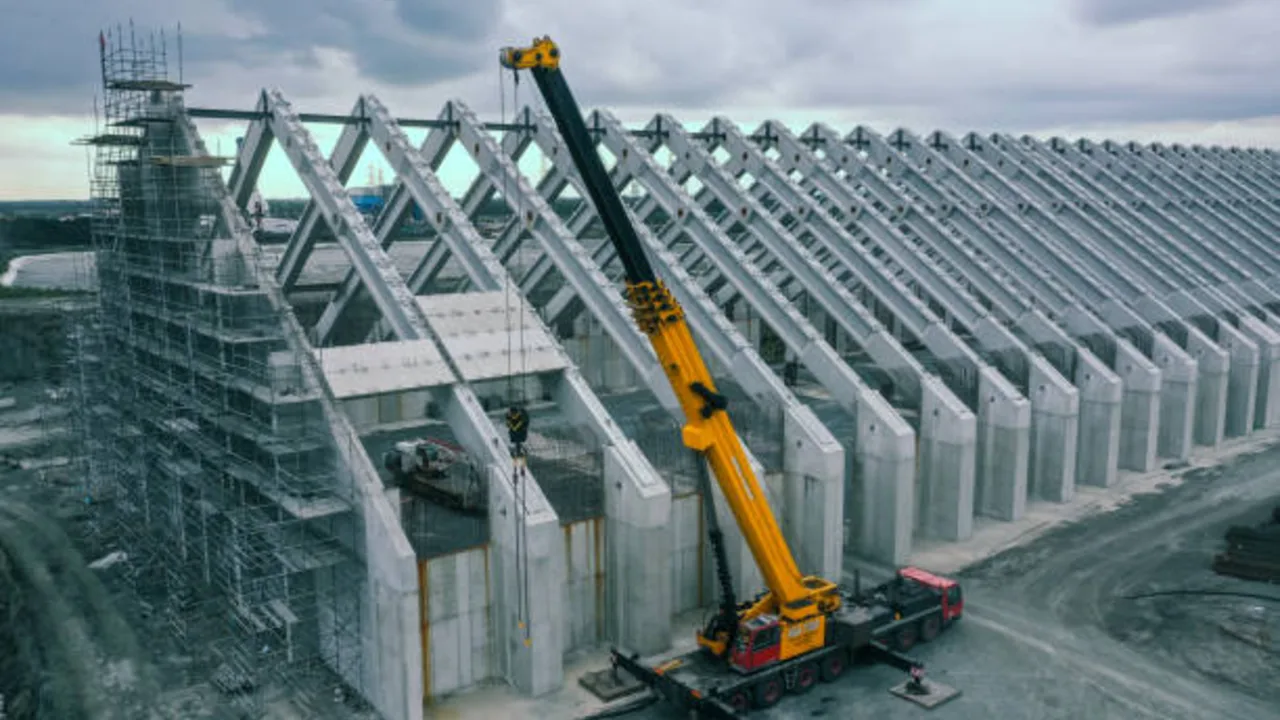
- Heavy truss systems: Requiring multiple lifting points for stability
In these cases, using multiple cranes is not just an option—it is often the only practical solution.
Key Challenges in Multi-Crane Operations
Load Distribution Complexity
One of the most critical challenges in multi-crane operations is managing load distribution. When multiple cranes lift a single component, the load must be carefully divided to prevent overloading any individual crane.
Uneven load sharing can result in excessive stress on one crane, increasing the risk of mechanical failure or structural damage. Even small variations in crane movement or rigging alignment can significantly affect load distribution.
Engineers must calculate load distribution precisely, taking into account factors such as crane capacity, lifting angles, and the center of gravity of the load.
Synchronization Between Cranes
Synchronization is essential for successful multi-crane lifting. All cranes involved must move in a coordinated manner to maintain load balance and stability.
- Simultaneous lifting and lowering
- Controlled rotation and positioning
- Consistent speed and movement
Any delay or mismatch in crane movement can cause load shifting, leading to instability or potential accidents.
Site Constraints and Space Limitations
Construction sites often present physical constraints that complicate multi-crane operations. Limited space can restrict crane positioning, movement, and access.
Careful planning is required to ensure that cranes can operate without interference. This includes considering boom clearance, swing radius, and ground conditions.
In congested sites, even minor positioning errors can lead to operational conflicts or safety hazards.
Safety Risks
Multi-crane operations inherently involve higher risks compared to single-crane lifts. These risks include:
- Collision between cranes: Due to overlapping working zones
- Load instability: Caused by uneven lifting
- Human error: Miscommunication or incorrect signals
Managing these risks requires strict safety protocols, experienced personnel, and continuous monitoring throughout the lifting process.
Planning Multi-Crane Steel Erection Operations
Pre-Lift Planning and Engineering Analysis
Successful multi crane steel erection begins long before the actual lifting operation. Pre-lift planning involves detailed engineering analysis to ensure that all aspects of the lift are carefully considered.
This includes calculating the weight of the load, determining the center of gravity, and selecting appropriate cranes based on capacity and reach.
- Load calculation and distribution analysis
- Rigging design and selection
- Crane capacity verification
Engineering analysis provides the foundation for safe and efficient lifting operations.
Lifting Plan Development
A comprehensive lifting plan outlines the step-by-step process of the operation. It includes detailed procedures, equipment specifications, and safety measures.
The lifting plan typically covers:
- Sequence of lifting operations
- Crane positioning and movement paths
- Communication protocols
- Emergency procedures
This document serves as a reference for all team members and ensures that everyone understands their roles and responsibilities.
Role of Lifting Coordination
Effective lifting coordination is the backbone of multi-crane operations. It ensures that all cranes and personnel work together seamlessly.
A designated lifting coordinator is responsible for overseeing the entire operation, managing communication, and ensuring that all actions follow the lifting plan.
Coordination involves:
- Real-time communication between operators
- Monitoring load movement and stability
- Adjusting operations based on site conditions
Without proper coordination, even well-planned operations can fail.
Load Sharing Principles in Multi-Crane Lifts
Static vs Dynamic Load Distribution
Load distribution in multi-crane lifting can be categorized into static and dynamic conditions. Static distribution refers to the initial load sharing when the load is stationary, while dynamic distribution occurs during lifting and movement.
Dynamic conditions are more complex because load forces change continuously as cranes move. This requires constant monitoring and adjustment to maintain balance.
Factors Affecting Load Balance
Several factors influence how the load is distributed between cranes:
- Crane capacity: Maximum load each crane can handle
- Boom angle: Affects lifting force and reach
- Rigging configuration: Determines load transfer
- Center of gravity: Critical for maintaining stability
Understanding these factors is essential for designing safe lifting operations.
Example Load Distribution
| Crane | Capacity | Assigned Load | Utilization |
|---|---|---|---|
| Crane A | 100 tons | 60 tons | 60% |
| Crane B | 80 tons | 40 tons | 50% |
This example illustrates how loads can be distributed to maintain safe utilization levels for each crane.
Communication and Coordination on Site
Importance of Real-Time Communication
In multi crane steel erection, communication is one of the most critical success factors. Because multiple cranes are operating simultaneously, even a small delay or misunderstanding can lead to load imbalance or unsafe conditions.
Real-time communication ensures that all operators and ground personnel are aligned during every phase of the lift. This typically involves:
- Two-way radio communication between crane operators and supervisors
- Dedicated signalmen providing visual instructions
- Clear command hierarchy to avoid conflicting instructions
Effective communication reduces uncertainty and allows quick response to any unexpected changes during lifting operations.
Roles and Responsibilities
Clearly defined roles are essential to maintaining control during multi-crane operations. Each team member must understand their responsibilities to ensure smooth execution.
- Lifting supervisor: Oversees the entire operation and ensures compliance with the lifting plan
- Signalman: Provides visual signals and communicates instructions to crane operators
- Crane operators: Execute lifting movements according to instructions
- Rigging team: Ensures proper attachment and load stability
Proper role assignment prevents confusion and improves coordination on site.
Standard Communication Protocols
Standardized communication protocols are necessary to ensure clarity and consistency. These include:
- Universal hand signals for crane operations
- Predefined verbal commands
- Emergency stop signals understood by all personnel
Using standardized protocols minimizes the risk of miscommunication and enhances operational safety.
Safety Management in Multi-Crane Operations
Risk Identification and Mitigation
Safety is a top priority in multi-crane operations. Before any lift begins, a thorough risk assessment must be conducted to identify potential hazards.
Common risk mitigation strategies include:
- Conducting hazard identification and risk analysis (HIRA)
- Implementing safety barriers and exclusion zones
- Preparing emergency response plans
Proactive risk management helps prevent accidents and ensures a safer working environment.
Crane Stability and Ground Conditions
Crane stability is directly influenced by ground conditions. Uneven or weak ground can compromise crane performance and increase the risk of tipping.
Key considerations include:
- Soil bearing capacity assessment
- Use of crane mats or support plates
- Leveling and proper setup of cranes
Ensuring stable ground conditions is essential for safe lifting operations.
Collision Prevention Strategies
With multiple cranes operating in close proximity, collision prevention is a major concern. Overlapping working zones can create dangerous situations if not properly managed.
- Maintaining safe distances between cranes
- Defining movement limits for each crane
- Using anti-collision systems where available
These strategies help reduce the risk of equipment damage and accidents.
Equipment and Technology in Multi-Crane Lifting
Modern Crane Monitoring Systems
Advancements in technology have significantly improved the safety and efficiency of multi-crane operations. Modern cranes are equipped with monitoring systems that provide real-time data on load, position, and performance.
These systems allow operators and supervisors to track lifting conditions and make informed decisions during operations.
Use of BIM and Simulation
Building Information Modeling (BIM) and simulation tools are increasingly used in planning multi-crane lifts. These tools enable teams to visualize lifting sequences and identify potential conflicts before execution.
Simulation helps optimize crane positioning, reduce risks, and improve overall efficiency.
Digital Lifting Management Tools
Digital tools provide centralized platforms for managing lifting operations. They support:
- Lifting plan documentation
- Real-time data tracking
- Communication and coordination
These tools enhance collaboration and ensure that all stakeholders have access to up-to-date information.
Best Practices for Multi-Crane Steel Erection
Standardized Lifting Procedures
Developing standardized procedures ensures consistency and reduces errors. All lifting operations should follow predefined guidelines based on industry standards.
Pre-Lift Briefings
Before each lift, the team should conduct a briefing to review the lifting plan, identify risks, and confirm roles. This ensures that all personnel are aligned and prepared.
Continuous Monitoring
Monitoring should continue throughout the lifting process. Supervisors must observe crane movements, load stability, and environmental conditions.
Post-Lift Evaluation
After completing a lift, teams should evaluate performance and identify areas for improvement. This feedback helps enhance future operations.
Role of an Experienced Steel Structure Construction Team
Managing multi-crane operations requires a high level of expertise and coordination. Working with an experienced steel structure building construction team ensures that all aspects of the operation are handled professionally.
Experienced teams bring knowledge in engineering, safety, and execution, allowing them to manage complex lifting scenarios effectively.
The integration of design, fabrication, and construction processes further improves efficiency and reduces risks.
Common Mistakes to Avoid
- Poor load calculation: Leading to imbalance and overloading
- Lack of communication: Causing coordination issues
- Ignoring environmental factors: Such as wind and weather conditions
- Inadequate supervision: Increasing risk of human error
Avoiding these mistakes is essential for maintaining safety and efficiency.
Real Project Insight: Multi-Crane Coordination in Lingang Financial Bay
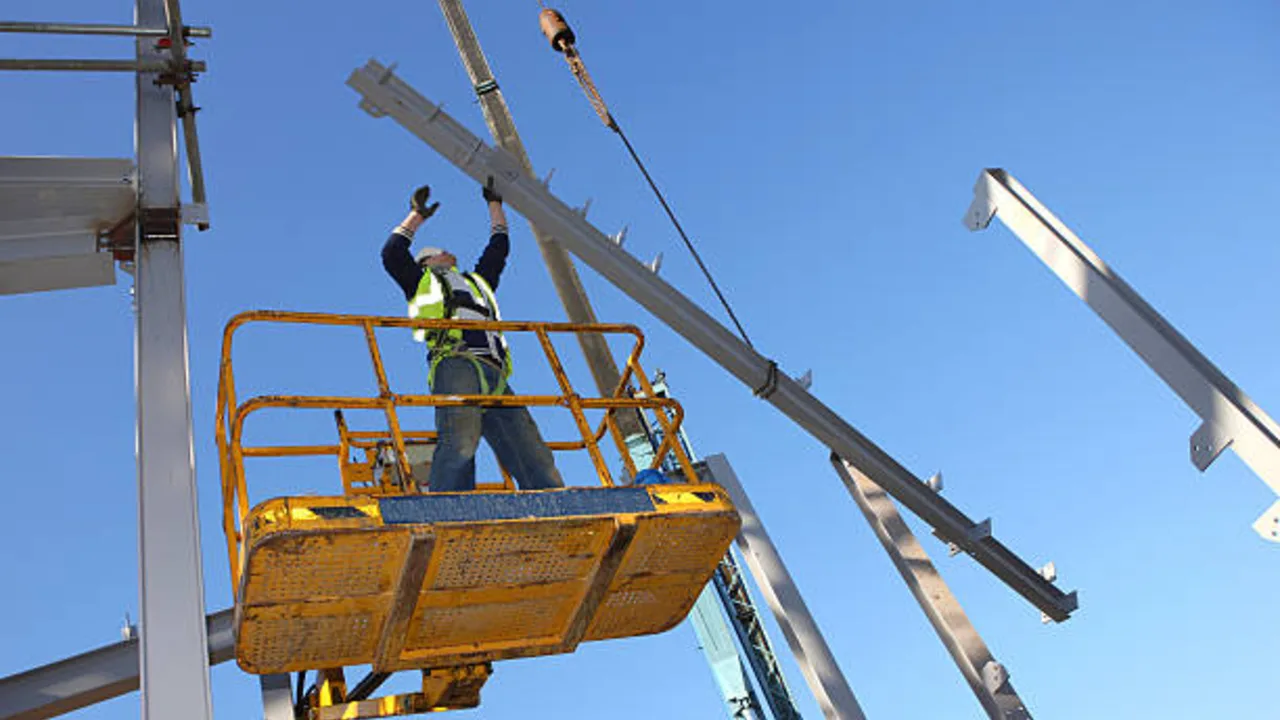
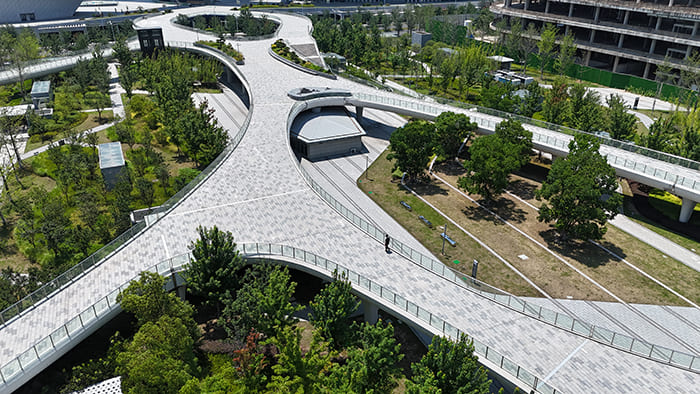
A practical example of multi crane steel erection can be seen in the Lingang New Area Financial Bay project in Shanghai. This large-scale business district development required the installation of complex steel structures across multiple buildings, including high-rise towers and landmark architectural elements.
According to project data, the development covered approximately 27,000+ square meters of building area with over 3,800 tons of steel structures involved. The scale and architectural complexity made single-crane lifting impractical, especially for long-span components and elevated structural sections.
One of the key challenges in this project was managing simultaneous lifting operations across multiple zones. The presence of dense structural layouts and limited working space required precise crane positioning and highly controlled lifting sequences. In such conditions, lifting coordination became a critical engineering function rather than just a site management task.
Multi-crane lifting was particularly important during the installation of large prefabricated steel assemblies and structural connections at elevation. These operations required synchronized crane movement to maintain load balance and prevent torsional stress on structural members.
Another major complexity came from the integration of different construction systems. The project involved coordination between steel structure erection, facade systems, and civil works. As highlighted in similar XTD project insights, even minor misalignment in foundations or anchor bolts could significantly impact steel installation accuracy.
To address these challenges, the project adopted several advanced strategies:
- Parallel workflow: Steel fabrication and civil construction progressed simultaneously to reduce delays
- Pre-lift simulation: Digital modeling ensured compatibility between cranes, loads, and site conditions
- Precision surveying: Verified foundation and alignment before lifting operations
- Real-time coordination: Continuous communication between crane operators and supervisors
Additionally, the architectural complexity of the Financial Bay—including landmark elements such as large-span steel structures and iconic ring-shaped components—required precise hoisting strategies during construction. :contentReference[oaicite:2]{index=2} These structural features demanded multi-point lifting and synchronized crane operations to ensure stability during installation.
This project demonstrates how multi crane steel erection is not just about lifting capacity, but about system-level coordination. Successful execution depends on integrating engineering design, construction sequencing, and real-time site management.
For complex developments like Lingang Financial Bay, multi-crane operations become a core capability that directly impacts project safety, efficiency, and final structural performance.
Conclusion: Achieving Precision in Multi-Crane Steel Erection
Effective management of multi crane steel erection operations requires careful planning, precise execution, and strong coordination. From load distribution to communication protocols, every aspect must be carefully controlled.
By implementing best practices and leveraging modern technology, construction teams can achieve safer and more efficient lifting operations.
In complex steel erection projects, precision is not optional—it is the key to success.
FAQ: Multi-Crane Steel Erection
What is multi-crane steel erection?
It is the use of multiple cranes to lift and install steel components in a coordinated operation.
When are multiple cranes required?
They are required when loads are too heavy or complex for a single crane.
How is load shared between cranes?
Load is distributed based on crane capacity, rigging design, and center of gravity.
What are the main safety risks?
Collision, load instability, and communication errors are common risks.
How to ensure proper coordination?
Through clear communication, defined roles, and effective lifting coordination.
What role does technology play?
Technology improves monitoring, planning, and coordination of lifting operations.
Who manages lifting operations?
A lifting supervisor oversees the operation with support from the team.
What are best practices for success?
Proper planning, communication, monitoring, and evaluation are key factors.