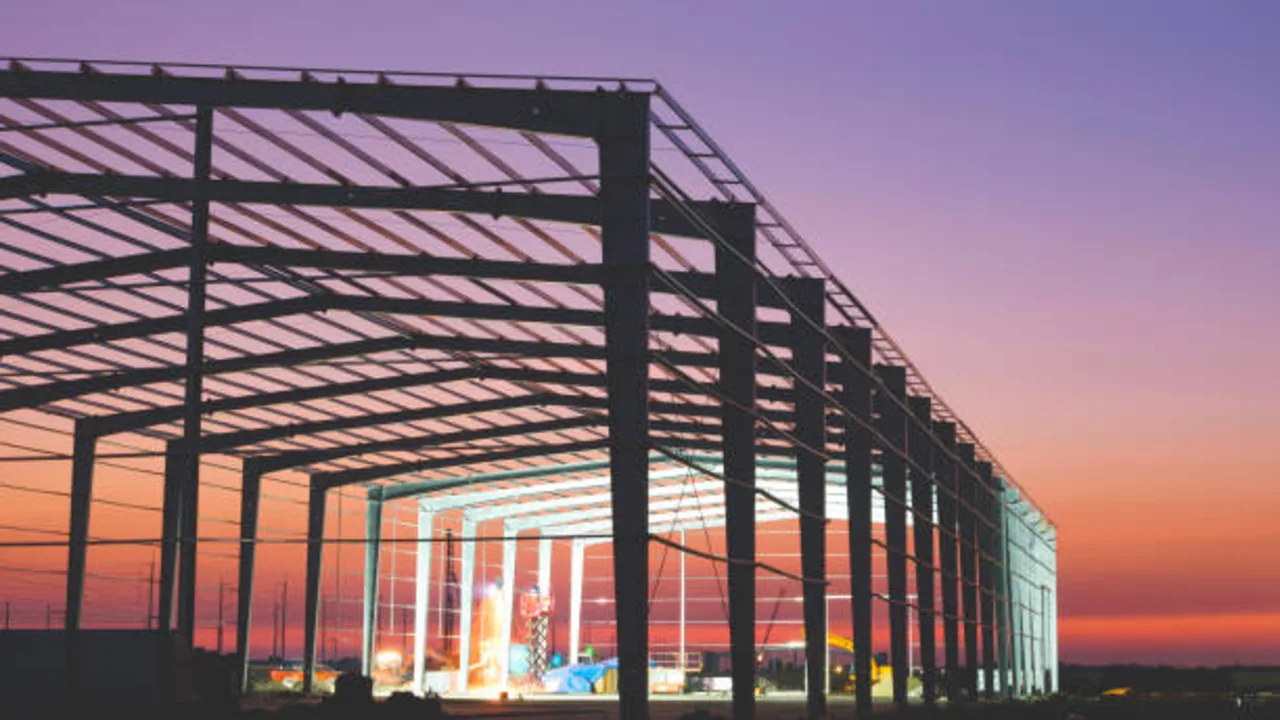
In modern construction environments, project timelines are becoming increasingly compressed, while urban constraints continue to limit daytime operations. As a result, night shift steel construction has become a strategic approach for maintaining productivity without disrupting surrounding activities. This is especially relevant in densely populated areas, where traffic congestion, noise restrictions, and public safety concerns make daytime construction challenging.
Unlike traditional daytime operations, night construction introduces a new layer of complexity. Reduced visibility, increased reliance on artificial lighting, and elevated safety risks all require specialized planning and execution. Steel structure projects, which demand high precision during installation, are particularly sensitive to these conditions.
For developers and contractors working with a steel structure building construction partner, understanding the unique requirements of night operations is critical. With the right strategies in place, night shift work can improve efficiency, optimize logistics, and accelerate project delivery without compromising quality or safety.
Why Night Shift Steel Construction Is Increasing in Modern Projects
The growing adoption of night shift steel construction is closely tied to the evolving demands of urban development and large-scale infrastructure projects. In many cities, construction activities are restricted during peak daytime hours to minimize disruption to traffic and surrounding communities.
Night operations provide a practical solution by allowing work to continue during off-peak hours. This reduces congestion, improves material delivery efficiency, and enables faster installation cycles. For projects with tight deadlines, night shifts can significantly shorten overall construction duration.
In addition, industrial and infrastructure projects often require continuous workflows to meet operational targets. In such cases, night construction becomes not just an option, but a necessity for maintaining progress and ensuring timely completion.
Core Challenges in Night Shift Steel Construction
Limited Visibility and Lighting Constraints
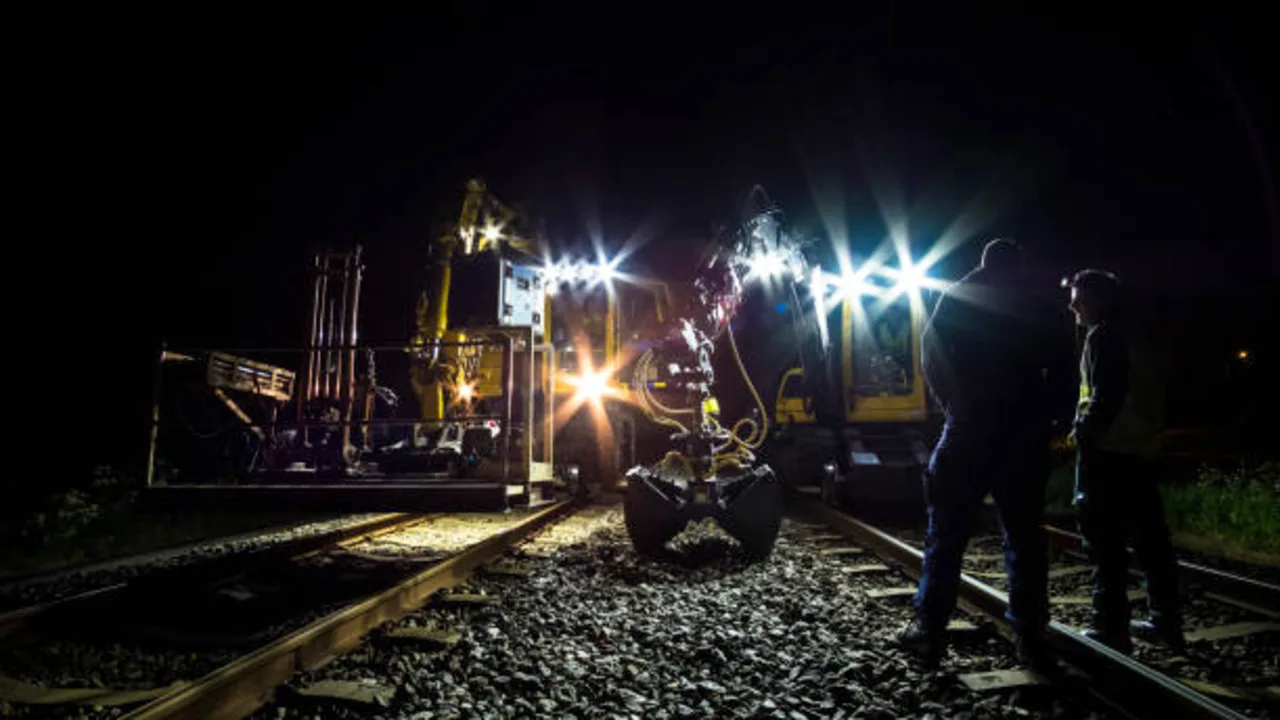
One of the most significant challenges in night shift steel construction is reduced visibility. Unlike daytime operations, where natural light provides consistent illumination, night work depends entirely on artificial lighting systems.
Improper lighting can create shadows, blind spots, and uneven illumination, which directly affect installation accuracy. For steel structures, where alignment and connection precision are critical, even minor visibility issues can lead to errors and rework.
Increased Safety Risks During Night Operations
Safety risks are inherently higher during night construction. Worker fatigue, reduced alertness, and limited visibility all contribute to an increased likelihood of accidents. In steel structure projects, where heavy lifting and high-elevation work are common, these risks are amplified.
Ensuring safety during night shifts requires additional measures, including enhanced supervision, strict safety protocols, and the use of high-visibility protective equipment. Without these controls, the probability of incidents increases significantly.
Coordination and Communication Issues
Night shifts often operate with smaller teams and reduced managerial presence. This can create communication gaps between workers, supervisors, and equipment operators.
In night shift steel construction, where precise coordination is essential for tasks such as crane lifting and structural alignment, any breakdown in communication can disrupt the workflow and compromise safety.
Environmental and Noise Restrictions
Although night work avoids daytime congestion, it is still subject to strict noise regulations in many urban areas. Construction activities must be carefully managed to minimize disturbance to nearby residents and businesses.
These restrictions can limit the types of equipment used and the hours during which certain operations can be performed, adding another layer of complexity to project planning.
Lighting Design for Night Shift Steel Construction
Types of Construction Lighting Systems
Effective lighting is the foundation of successful night construction. Common systems include floodlights, tower lighting units, and portable lighting equipment. Each type serves a specific purpose depending on the scale and nature of the project.
Floodlights provide broad illumination for large work areas, while tower lighting systems offer elevated coverage for vertical construction zones. Portable lights are typically used for focused tasks requiring high precision.
Strategic Lighting Placement
Proper placement of lighting systems is as important as the equipment itself. Lights must be positioned to eliminate shadow zones and ensure consistent illumination across critical work areas.
In night shift steel construction, particular attention should be given to connection points, lifting zones, and areas where precision installation is required. Poor lighting placement can lead to errors that affect structural integrity.
Energy Efficiency and Backup Systems
Reliable power supply is essential for maintaining continuous lighting during night operations. Any interruption can halt work and create safety hazards.
To mitigate this risk, projects often incorporate backup generators and energy-efficient lighting systems. These solutions ensure consistent illumination while reducing operational costs.
Safety Management in Night Construction Operations
Worker Fatigue Management
Managing fatigue is a critical component of safety in night construction. Extended working hours and irregular schedules can reduce worker alertness and performance.
Implementing shift rotations, scheduled breaks, and workload balancing helps maintain productivity while reducing the risk of accidents.
Enhanced Safety Protocols
Night operations require stricter safety measures compared to daytime work. High-visibility personal protective equipment (PPE), reflective clothing, and clearly marked safety zones are essential.
Regular safety briefings and on-site monitoring further enhance awareness and ensure that all workers adhere to established protocols.
Emergency Response Planning at Night
Emergency situations can be more difficult to manage at night due to reduced visibility and limited external support. Response times may be longer, and access to medical or emergency services can be constrained.
Therefore, comprehensive emergency planning is essential. This includes clear evacuation routes, on-site first aid facilities, and trained personnel ready to respond to incidents.
Equipment and Installation Considerations at Night
Crane Operation in Low Visibility
Crane operations are particularly sensitive to visibility conditions. Operators rely heavily on visual cues and communication signals, both of which can be compromised at night.
In night shift steel construction, additional signal personnel and communication systems are often required to ensure safe and accurate lifting operations.
Precision Installation Challenges
Steel structure installation demands high precision, especially in alignment and bolt connections. Reduced visibility can make these tasks more difficult, increasing the risk of misalignment.
To address this, teams must use enhanced lighting, precise measurement tools, and strict quality control procedures.
Noise-Control Equipment
To comply with urban regulations, construction teams may need to use low-noise equipment during night operations. This includes specialized machinery designed to minimize sound levels.
While these solutions help meet regulatory requirements, they may also impact efficiency and must be carefully integrated into the project plan.
Logistics and Material Handling During Night Shift
Night Delivery Advantages
One of the major advantages of night shift steel construction is the ability to streamline logistics. With reduced traffic congestion, transportation of steel components becomes faster and more predictable. This allows for more efficient delivery schedules and minimizes delays caused by urban traffic conditions.
Night deliveries also enable direct unloading and installation, reducing the need for on-site storage. This is particularly beneficial in urban environments where space is limited and logistics must be tightly controlled.
Risks in Material Handling
Despite these advantages, material handling during night operations presents its own challenges. Limited visibility can lead to misplacement of components, incorrect sequencing, or handling errors.
In night shift steel construction, ensuring accurate identification and placement of materials requires clear labeling systems, well-lit unloading zones, and coordinated workflows between logistics and installation teams.
Scheduling Coordination
Effective scheduling is critical to aligning material delivery with installation activities. Any mismatch between delivery timing and construction progress can lead to delays and inefficiencies.
To avoid these issues, project teams must implement synchronized schedules that integrate logistics, equipment availability, and workforce planning. This level of coordination is essential for maintaining productivity during night operations.
Project Management Strategies for Night Shift Construction
Real-Time Monitoring Systems
Advanced monitoring systems play a vital role in managing night construction activities. Cameras, sensors, and digital tracking tools provide real-time visibility into site operations, enabling quick decision-making and issue resolution.
These systems are particularly valuable in night shift steel construction, where limited visibility can otherwise hinder effective supervision.
Clear Communication Protocols
Communication is a key factor in ensuring smooth execution during night shifts. Radio systems, predefined command structures, and standardized signaling methods help maintain coordination between teams.
Clear communication protocols reduce the risk of misunderstandings, especially during critical operations such as lifting and structural alignment.
Risk Mitigation Planning
Night construction requires proactive risk management. Project teams must anticipate potential disruptions and develop contingency plans to address them.
This includes backup equipment, alternative work sequences, and schedule buffers. Effective risk mitigation ensures that unexpected challenges do not compromise project progress.
Real Project Insight: Night Shift Steel Construction in Urban Infrastructure
A clear example of effective night shift steel construction can be seen in the Shanghai Power Substation Renovation Project. This project involved the integration of steel structures within a complex urban infrastructure environment, where daytime operations were heavily restricted.
The project required a steel-concrete hybrid system, combining structural steel frameworks with reinforced concrete elements. Due to the urban setting and operational constraints, a significant portion of the construction activities had to be carried out during night shifts.
Why Night Shift Construction Was Critical
In this project, night operations were essential to minimize disruption to surrounding infrastructure and public activities. Daytime construction was limited by traffic conditions and regulatory restrictions, making night shifts the most viable solution.
By adopting a night shift steel construction strategy, the project team was able to maintain progress while complying with urban constraints.
Lighting Strategy in High-Risk Installation Zones
Given the complexity of the structure and the height of installation areas, a well-designed lighting system was critical. Multi-directional floodlights were used to eliminate shadows and ensure consistent visibility across all working zones.
Special attention was given to connection points, lifting areas, and vertical assembly zones, where precision was essential.
Safety Control Under Night Shift Conditions
Maintaining safety was a top priority throughout the project. Measures included the use of reflective PPE, clearly defined safety zones, and continuous on-site supervision.
Fatigue management strategies were also implemented to ensure that workers remained alert and capable of performing tasks safely during extended night operations.
Coordination Between Fabrication, Delivery, and Installation
The project relied heavily on prefabrication to reduce on-site workload. Steel components were manufactured off-site and delivered according to a just-in-time schedule, aligning with night installation activities.
This approach minimized on-site handling and improved efficiency, demonstrating the importance of integrating design, logistics, and construction processes in night shift steel construction.
Key Takeaways from the Project
This project highlights that night construction is not simply a shift in working hours. It requires a comprehensive strategy that integrates lighting design, safety management, and precise coordination.
Successful execution depends on aligning engineering design, fabrication processes, and on-site operations to address the unique challenges of night work.
Why Experience Matters in Night Shift Steel Construction
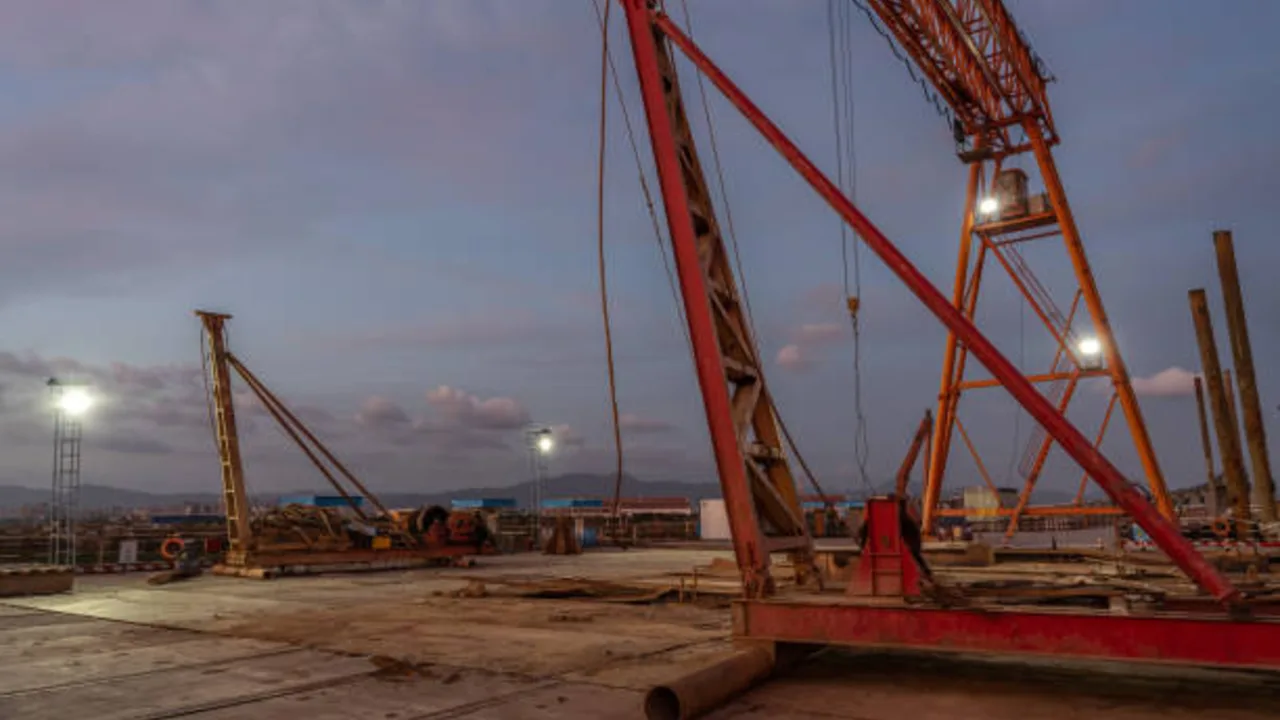
Night construction introduces complexities that go beyond standard practices. Without the right expertise, projects are more susceptible to delays, safety incidents, and quality issues.
An experienced steel structure building construction contractor can anticipate challenges and implement effective solutions. From lighting planning to safety control and logistics coordination, expertise plays a critical role in ensuring successful project delivery.
Conclusion
Night shift steel construction has become an essential strategy in modern construction, particularly in urban and infrastructure projects where daytime operations are restricted. However, it introduces unique challenges that require careful planning and execution.
Effective lighting systems, strict safety management, and coordinated logistics are the key factors that determine success in night operations. By addressing these aspects proactively, project teams can achieve high efficiency while maintaining safety and quality standards.
Ultimately, the success of night construction depends on expertise, preparation, and the ability to adapt to dynamic site conditions.
FAQ
What is night shift steel construction?
It refers to steel structure construction activities carried out during nighttime to avoid daytime restrictions and improve project efficiency.
Why do projects use night construction?
To reduce traffic disruption, comply with urban regulations, and accelerate project timelines.
How is lighting managed in night construction?
Through the use of floodlights, tower lighting systems, and strategic placement to ensure consistent visibility.
What are the main safety risks at night?
Worker fatigue, reduced visibility, and increased accident probability.
How can worker fatigue be reduced?
By implementing shift rotations, scheduled breaks, and workload management.
Is night construction more expensive?
It can increase labor and equipment costs but may reduce overall project duration.
What equipment is used during night construction?
Compact cranes, lighting systems, and low-noise machinery are commonly used.
How are logistics managed during night shifts?
Through synchronized delivery schedules, just-in-time strategies, and coordinated workflows.