As global industrialization accelerates, companies are increasingly expanding their operations beyond domestic markets. Large-scale infrastructure, manufacturing facilities, and logistics hubs are now frequently developed across borders. In this context, steel structure systems have become a preferred solution due to their efficiency, scalability, and speed of construction. However, executing projects internationally introduces a new layer of complexity that requires advanced overseas steel construction management.
Unlike domestic projects, overseas steel construction involves coordination across multiple countries, time zones, and regulatory environments. Each stage—from engineering design to fabrication, logistics, and installation—must be carefully aligned. Even minor misalignment between teams can lead to delays, cost overruns, or quality issues. These challenges highlight the critical role of cross-border coordination in ensuring project success.
For companies involved in global projects, especially those delivering china construction steel structure systems, success is no longer defined by manufacturing capability alone. It depends on the ability to manage an integrated delivery system that connects engineering, production, and on-site execution seamlessly.
Understanding Overseas Steel Construction Management
Overseas steel construction management refers to the comprehensive coordination of all project stages across different countries. This includes design adaptation, manufacturing planning, logistics management, and on-site construction control. Unlike local projects, international construction requires a centralized strategy combined with localized execution.
One of the key differences between domestic and overseas projects is the involvement of multiple stakeholders operating under different standards and expectations. Clients, contractors, suppliers, and regulatory authorities may each follow different codes and workflows. Managing these differences requires a structured system that ensures consistency across all project phases.
Steel structure projects are particularly sensitive to coordination issues due to their prefabricated nature. Components are manufactured off-site with high precision, meaning any design error or miscommunication can lead to misalignment during installation. This makes effective overseas steel construction management essential for maintaining quality and efficiency.
Key Challenges in Overseas Steel Structure Construction
Cross-Border Coordination Complexity
One of the most significant challenges in international projects is managing cross-border coordination. Project teams are often distributed across headquarters, manufacturing facilities, and construction sites located in different countries.
Time zone differences can delay communication and decision-making. Language barriers may lead to misunderstandings, while cultural differences can affect working styles and expectations. Without a clear communication framework, these factors can disrupt workflow and create inefficiencies.
Regulatory and Code Compliance
Each country has its own construction standards and regulatory requirements. Steel structures may need to comply with different codes such as European standards (EN), American standards (ASTM), or local building regulations.
Failure to meet these requirements can result in project delays, redesign costs, or even rejection of structural components. Therefore, aligning design and documentation with local regulations is a critical aspect of overseas steel construction management.
Logistics and Shipping Risks
Transporting steel components across long distances introduces significant logistical challenges. Components must be carefully packed to prevent damage during transit, especially when exposed to varying weather conditions and handling processes.
In addition, international shipping involves customs clearance, port handling, and potential delays. Any disruption in the supply chain can impact the construction schedule and increase costs. Effective logistics planning is therefore a key part of managing cross-border coordination.
Local Workforce and Skill Gaps
Another challenge in overseas projects is the availability and capability of local labor. In some regions, workers may lack experience with steel structure installation, particularly for complex or large-span systems.
This can lead to lower productivity, installation errors, and extended project timelines. Providing training and technical support becomes essential to ensure consistent quality and performance on-site.
Engineering and Design Adaptation for Overseas Projects

Localization of Structural Design
Designing steel structures for overseas projects requires adaptation to local environmental conditions. Factors such as wind loads, seismic activity, temperature variations, and corrosion exposure must be carefully evaluated.
For example, coastal regions may require enhanced corrosion protection, while earthquake-prone areas demand specialized structural reinforcement. These adjustments are essential to ensure both safety and durability.
Standardization vs Customization
Balancing standardization and customization is a critical aspect of international steel construction. Standardized systems improve efficiency in fabrication and installation, while customization ensures compliance with local requirements.
A modular design approach allows projects to maintain consistency while accommodating regional variations. This strategy helps reduce complexity and supports effective overseas steel construction management.
BIM and Digital Coordination
Building Information Modeling (BIM) has become a vital tool in managing overseas projects. It enables real-time collaboration between teams located in different regions, allowing for accurate design visualization and coordination.
Through BIM, potential clashes between structural and mechanical systems can be identified before construction begins. This reduces the risk of rework and improves overall project efficiency, especially in environments where cross-border coordination is required.
Fabrication Strategy for Overseas Steel Projects
Centralized Manufacturing in China
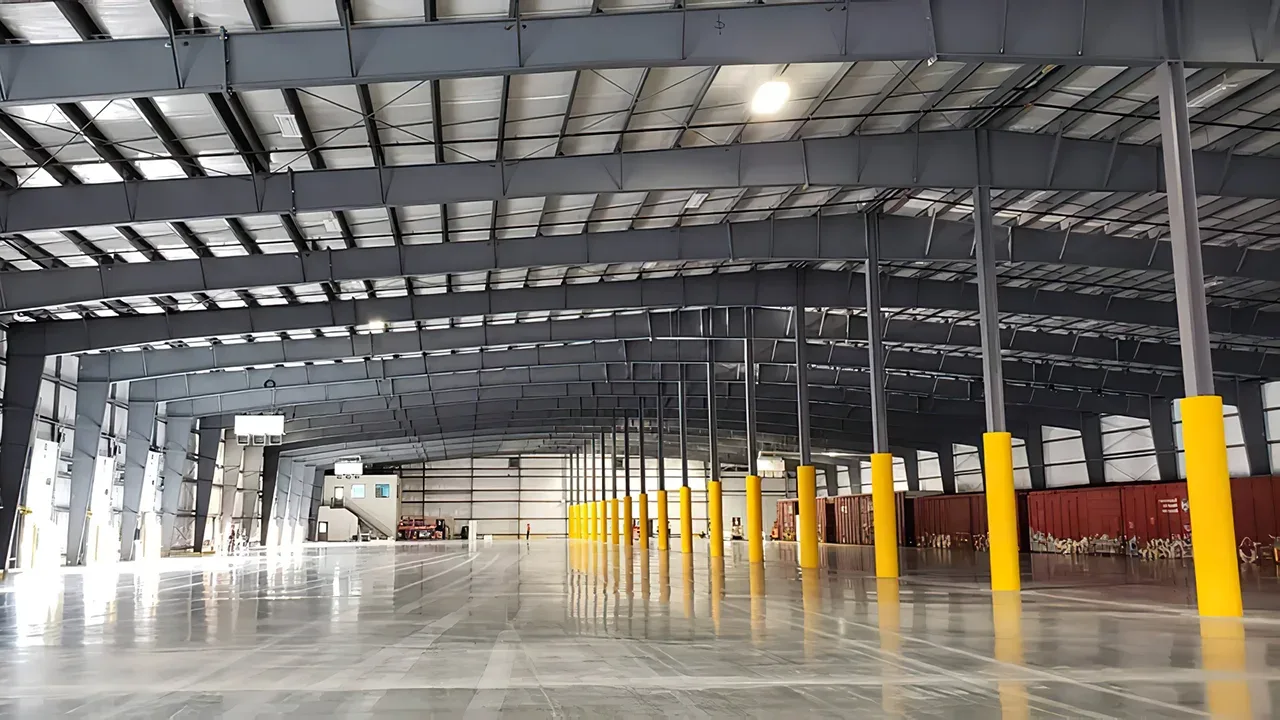
Many international steel projects rely on centralized manufacturing in China due to its cost efficiency, advanced production capabilities, and established supply chains. Large-scale factories are able to produce high-quality components with consistent precision.
This approach also allows for better quality control, as production processes can be standardized and closely monitored. For projects involving china construction steel structure, centralized fabrication plays a key role in ensuring reliability and performance.
Multi-Factory Coordination
In large projects, production is often distributed across multiple factories to meet tight schedules. Different facilities may handle specific tasks such as component processing, assembly, or specialized fabrication.
This requires careful coordination to ensure that all components meet the same standards and are delivered in the correct sequence. Effective multi-factory management is a crucial element of overseas steel construction management.
Quality Assurance Before Export
Before components are shipped overseas, rigorous quality inspections must be conducted. This includes dimensional checks, welding inspections, and surface treatment verification.
Comprehensive documentation is also required, including inspection reports and compliance certificates. Ensuring quality before export reduces the risk of issues during installation and supports smoother project execution.
Real Project Insight: Lesotho Bus Station Project
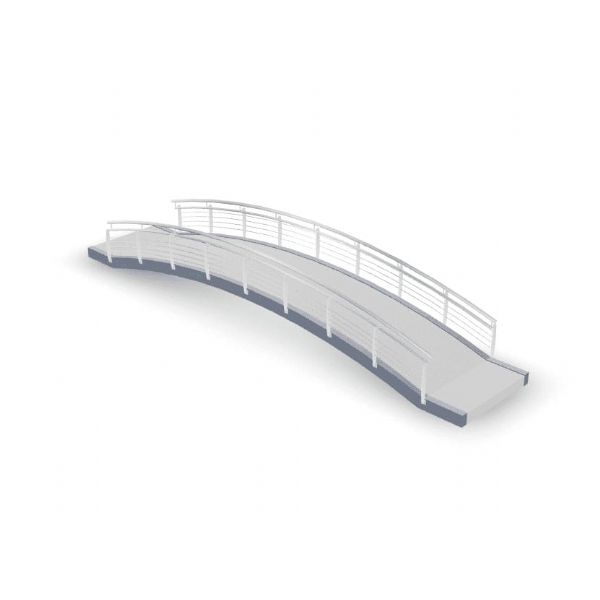
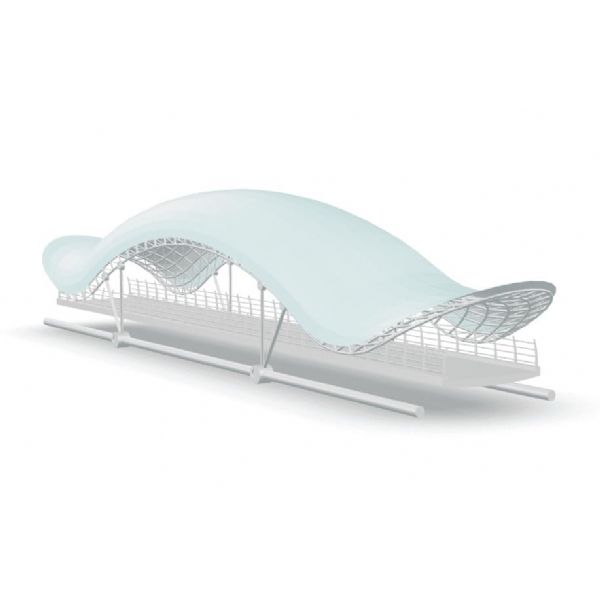
A practical way to understand overseas steel construction management is through real project execution. One representative case is the Lesotho Bus Station project, an infrastructure development delivered by XTD Steel Structure in Southern Africa.
This project involved cross-border delivery of a modern steel-framed bus station designed to improve public transport efficiency and passenger flow. With approximately 30 tons of structural steel and a modular system, the project emphasized rapid installation, durability, and long-term operational performance. :contentReference[oaicite:0]{index=0}
One of the key highlights of the project was the integration of prefabrication and modular construction. Steel components were manufactured off-site under controlled conditions, then transported and assembled efficiently on-site. This approach significantly reduced construction time and minimized on-site errors—two critical factors in overseas steel construction management.
The project also demonstrated strong cross-border coordination across engineering, fabrication, logistics, and installation teams. From BIM-based design coordination to sequenced shipping and erection planning, each stage was aligned to ensure smooth execution despite geographical distance.
In terms of structural design, the use of a portal rigid frame combined with a space-truss canopy provided both stability and large-span coverage. This system allowed efficient material usage while maintaining performance under environmental loads such as wind and corrosion exposure.
Another important aspect was logistics management. Components were packed and delivered according to installation sequence, ensuring that on-site assembly could proceed without delays. This level of planning is essential in international projects, where even minor disruptions can impact the entire schedule.
For companies planning a china construction steel structure project overseas, the Lesotho case highlights a key principle: successful delivery depends on system integration across all phases. From engineering and fabrication to logistics and installation, every step must be aligned to reduce risk and improve efficiency.
Ultimately, this project demonstrates that overseas steel construction is not just about exporting materials—it is about delivering a fully coordinated system that ensures performance, speed, and reliability in a global context.
Logistics Planning and Delivery Execution
Packing and Transportation Optimization
Efficient logistics planning is essential in overseas projects, where steel components must travel long distances before reaching the construction site. Proper packing methods are critical to prevent damage during transportation, especially for large or irregularly shaped members.
Choosing between container shipping and bulk cargo depends on project scale, component size, and delivery schedule. Optimizing transportation not only reduces costs but also minimizes risks associated with delays and damage, which are common challenges in overseas steel construction management.
Customs Clearance and Documentation
International shipping requires strict compliance with export and import regulations. Each shipment must include accurate documentation, such as material certifications, inspection reports, and packing lists.
Errors or missing documents can lead to customs delays, which may disrupt the entire construction schedule. Effective documentation management is therefore a key component of successful cross-border coordination.
On-Time Delivery Strategy
Timely delivery of components is critical to maintaining construction progress. Delays in one shipment can create a ripple effect, affecting installation sequences and labor efficiency.
To mitigate these risks, project teams must implement buffer strategies, carefully plan shipment sequences, and maintain close communication between logistics and site teams.
Construction Phase Management in Overseas Projects
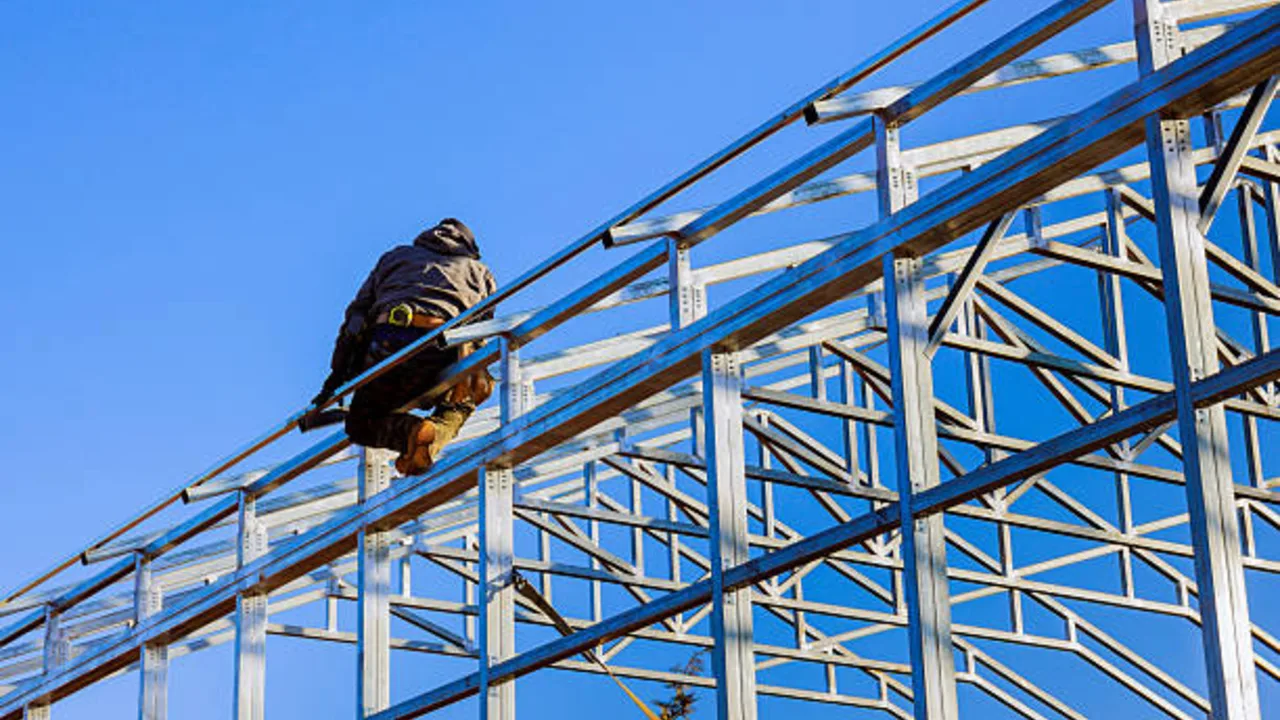
Site Installation Planning
Proper installation planning ensures that steel components are assembled efficiently and safely. This includes defining erection sequences, crane positioning, and temporary support requirements.
In overseas projects, where site conditions may vary significantly, detailed planning is essential to avoid unexpected challenges during construction.
Remote Engineering Support
Due to geographical distance, engineering teams often provide remote support during the construction phase. This includes reviewing site conditions, solving technical issues, and guiding installation procedures.
Real-time communication between headquarters and site teams helps resolve problems quickly and ensures that construction remains aligned with design intent.
Safety and Quality Control
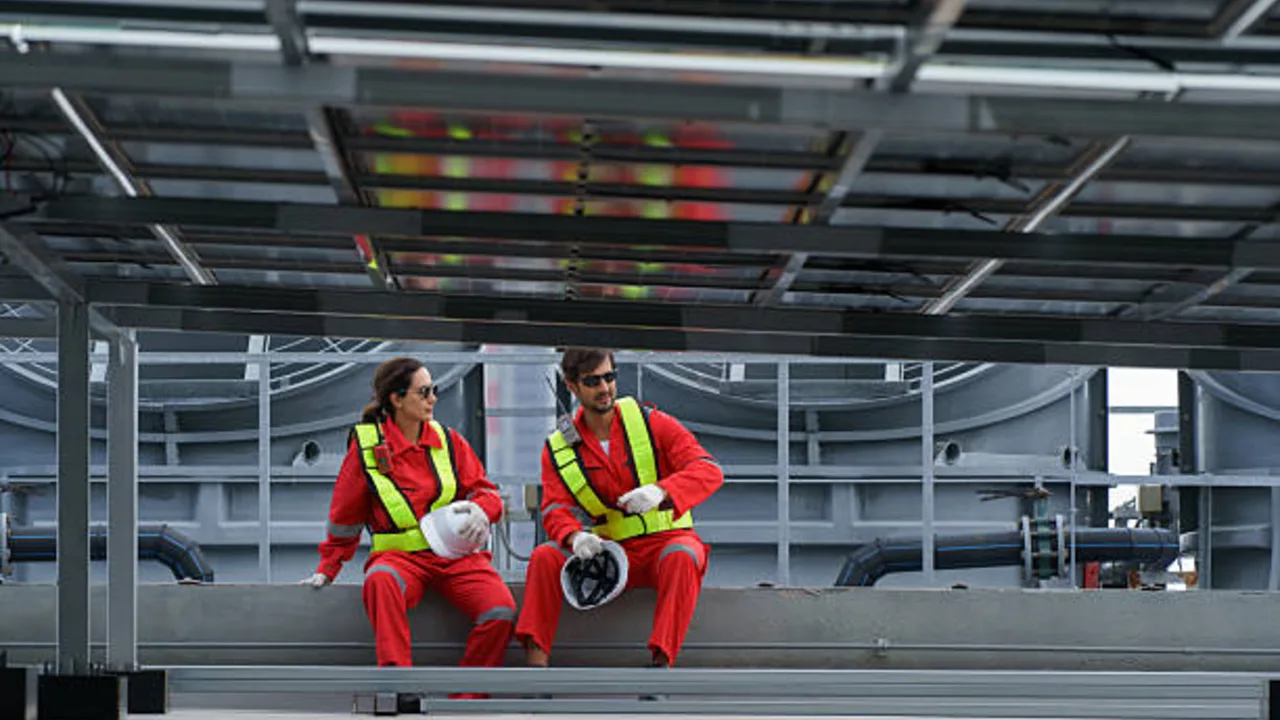
Maintaining safety and quality standards is critical in any construction project, but even more so in international environments. Different countries may have varying safety regulations and practices.
Implementing a unified quality control system ensures that all work meets the required standards, regardless of location. This consistency is a key aspect of effective overseas steel construction management.
Cross-Border Coordination as a Core Success Factor
At the center of every successful overseas project lies strong cross-border coordination. This involves seamless communication between headquarters, manufacturing facilities, logistics teams, and on-site personnel.
A structured communication system helps ensure that information flows efficiently across all levels of the project. Regular reporting, clear documentation, and defined decision-making processes are essential to avoid delays and misunderstandings.
In complex international projects, coordination is not just a supporting function—it is a core driver of project success.
Why Engineering-Driven Contractors Perform Better Overseas
Not all contractors are equally equipped to handle international steel construction projects. Engineering-driven companies, which prioritize technical expertise and system-based delivery, tend to perform significantly better in overseas environments.
Unlike trading-based contractors, engineering-focused teams are able to manage complex design requirements, coordinate multi-stage production, and respond to on-site challenges effectively. Their structured approach reduces uncertainty and improves overall project reliability.
For organizations seeking dependable partners in global projects, working with experienced providers of china construction steel structure solutions ensures better control over quality, schedule, and cost.
Strategies to Improve Overseas Steel Construction Management
Integrated Project Planning
Successful overseas projects begin with integrated planning that aligns design, fabrication, logistics, and construction. Early coordination helps identify potential risks and ensures that all stakeholders are working toward the same objectives.
Digital Project Management Systems
Modern project management tools enable real-time tracking of progress, costs, and resources. These systems improve transparency and allow for faster decision-making, which is essential in international projects.
Reliable Partner Network
Establishing a strong network of local contractors and suppliers enhances project execution. Local partners provide valuable insights into regional regulations, labor conditions, and construction practices.
Risk Management Framework
Implementing a structured risk management approach helps anticipate and mitigate potential issues. This includes contingency planning, risk assessment, and continuous monitoring throughout the project lifecycle.
Conclusion
Steel structure construction in overseas projects is far more complex than domestic construction. It requires not only technical expertise but also a well-coordinated system that integrates design, manufacturing, logistics, and installation.
Understanding the principles of overseas steel construction management and strengthening cross-border coordination are essential for delivering successful projects. Companies that adopt a systematic, engineering-driven approach are better positioned to navigate the challenges of international construction.
In a global market where efficiency, reliability, and precision are critical, mastering overseas project delivery is no longer optional—it is a competitive necessity.
FAQ
What is overseas steel construction management?
It refers to the coordination of design, fabrication, logistics, and construction activities across different countries to ensure successful project delivery.
Why is cross-border coordination important?
It ensures effective communication and alignment between teams located in different regions, reducing delays and errors.
How do logistics affect steel construction projects?
Transportation delays, customs issues, and damaged components can significantly impact schedules and costs.
What are common risks in overseas projects?
Regulatory differences, communication barriers, logistics challenges, and labor skill gaps.
How does China-based fabrication benefit projects?
It offers cost efficiency, consistent quality, and large-scale production capacity.
What role does BIM play in overseas construction?
BIM enables digital coordination, clash detection, and real-time collaboration across teams.
How can quality be maintained across countries?
Through standardized processes, strict inspections, and unified quality control systems.
What makes a contractor reliable for international projects?
Strong engineering capability, structured management systems, and proven experience in overseas delivery.