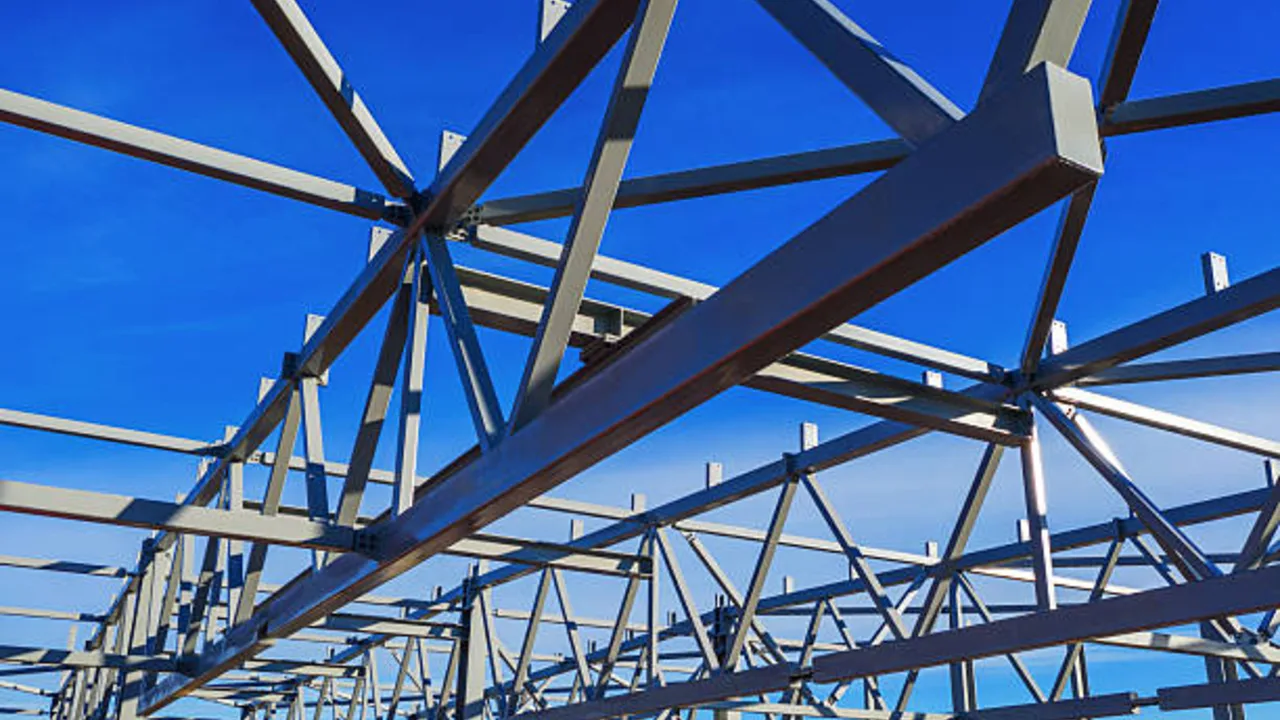
In steel structure construction, achieving proper alignment does not end when the last component is installed. The erection phase is only one part of the process. What follows is equally critical — verifying that the structure has been assembled according to design specifications. This is where post erection alignment steel checks become essential.
Steel structures are designed with precise geometries to ensure correct load transfer, stability, and compatibility with subsequent systems such as cladding, equipment, and mechanical installations. Even small deviations during erection can accumulate into significant structural and operational issues if not properly identified and corrected.
Post-erection alignment checks serve as a quality control step that validates whether the installed structure meets the required tolerances. These checks rely heavily on systematic survey check procedures, which provide measurable data on the position, level, and orientation of structural elements. For any contractor involved in steel structure building construction, this process is fundamental to ensuring both safety and project success.
What Is Post-Erection Alignment in Steel Structures
Definition and Scope
Post-erection alignment refers to the process of verifying the position and geometry of steel structural elements after installation has been completed. Unlike erection activities, which focus on assembling components, post-erection checks focus on accuracy and compliance.
This process involves comparing the actual position of structural members against design coordinates and tolerance limits. It ensures that columns are vertical, beams are level, and connections are correctly aligned.
The scope of post erection alignment steel checks typically includes structural frames, connection points, and reference grid systems. These elements must all align within acceptable tolerances to maintain structural integrity.
Why Alignment Checks Are Necessary
Alignment checks are critical because steel structures rely on precise geometry for performance. Misalignment can lead to uneven load distribution, which increases stress in certain areas and reduces overall stability.
Additionally, many steel structures support equipment, piping systems, and architectural components. If the structure is not properly aligned, these downstream installations may not fit correctly, leading to delays and additional costs.
By performing thorough post erection alignment steel verification, project teams can identify and correct issues before they escalate into larger problems.
Key Elements Checked During Post-Erection Alignment
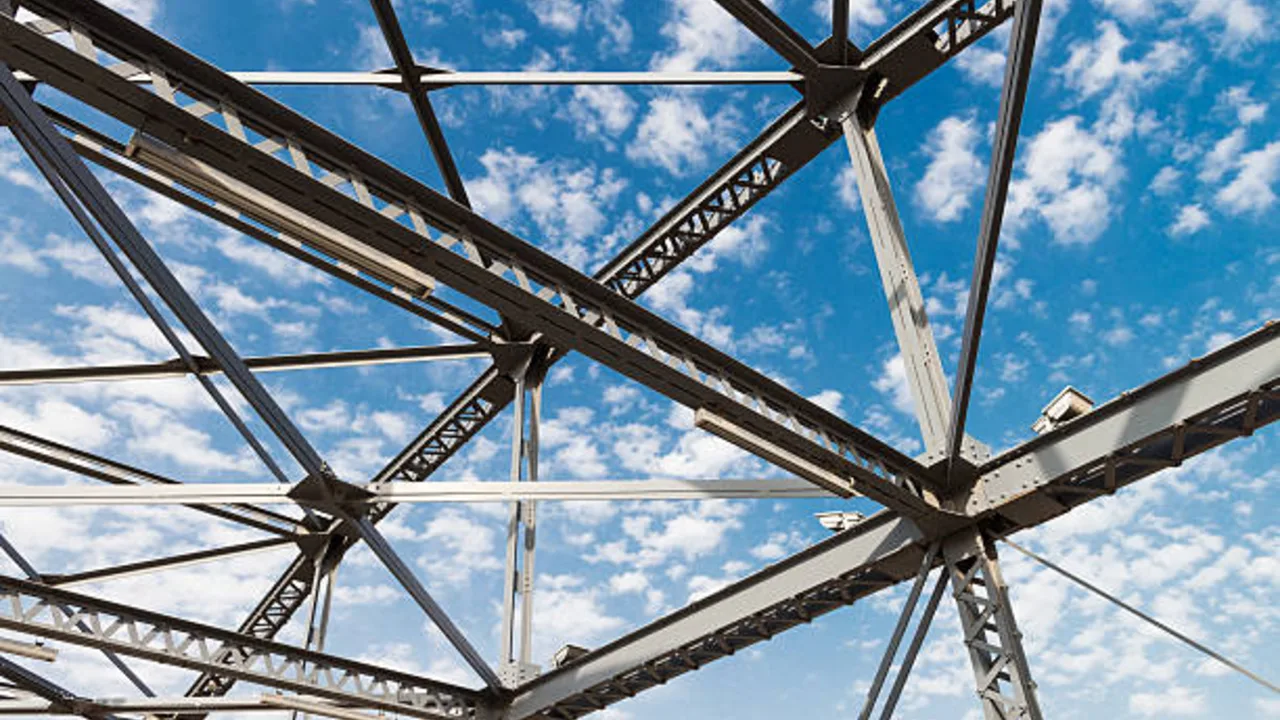
Column Verticality
Column verticality, or plumbness, is one of the most critical alignment parameters. Columns must be installed within strict vertical tolerance limits to ensure proper load transfer.
Even slight deviations can affect structural behavior, particularly in multi-story or large-span structures. Survey checks are used to measure the deviation from true vertical alignment and determine whether adjustments are required.
Beam Alignment
Beam alignment focuses on levelness and straightness. Beams must be installed at the correct elevation and aligned with the structural grid to ensure proper load distribution.
Misaligned beams can create uneven stress conditions and complicate the installation of secondary systems such as roofing or flooring.
Grid and Positioning Accuracy
The structural grid defines the entire layout of a steel building. Accurate positioning of columns and beams within this grid is essential for maintaining design integrity.
Survey check procedures are used to verify that each element is installed at the correct coordinates. Deviations from the grid can lead to cumulative alignment issues across the structure.
Connection Alignment
Connection points must also be checked for alignment. This includes verifying bolt hole alignment, plate positioning, and readiness for welding.
Poor alignment at connections can lead to installation difficulties, increased stress on fasteners, and potential structural weaknesses.
Survey Check Methods in Steel Structure Alignment
Traditional Survey Methods
Traditional survey methods rely on manual tools such as spirit levels, plumb lines, and measuring tapes. These methods are simple and widely used but may lack the precision required for complex structures.
While still useful for basic checks, manual methods are often supplemented with more advanced technologies in modern projects.
Modern Survey Technology
Modern construction projects increasingly use advanced tools for alignment verification. Total stations, laser scanners, and digital measurement systems provide high accuracy and efficiency.
These technologies allow survey teams to capture precise spatial data and compare it directly with design models. This improves the reliability of post erection alignment steel checks.
Accuracy and Tolerance Standards
Alignment checks must follow established tolerance standards. These standards define the acceptable limits of deviation for different structural elements.
By adhering to these standards, project teams can ensure that the structure meets safety and performance requirements.
Typical Alignment Tolerances in Steel Construction
| Element | Parameter | Typical Tolerance | Impact |
|---|---|---|---|
| Column | Vertical deviation | ±10 mm | Load imbalance |
| Beam | Level deviation | ±8 mm | Structural stress |
| Grid | Position deviation | ±15 mm | Misalignment |
| Connection | Bolt alignment | ±5 mm | Installation issues |
Common Alignment Issues After Erection
Even with careful planning and execution, alignment issues can still occur after steel structure erection. Identifying these problems early through post erection alignment steel checks is essential to prevent long-term structural and operational consequences.
Column Leaning
Column leaning is one of the most common issues. This occurs when columns deviate from vertical alignment beyond acceptable tolerance limits. It can result from improper base leveling, inaccurate installation, or foundation irregularities.
If not corrected, column leaning can lead to uneven load distribution and compromise structural stability.
Beam Misalignment
Beam misalignment refers to deviations in level or horizontal positioning. Misaligned beams can create stress concentrations and affect the installation of secondary components such as roofing systems.
These issues often arise from improper sequencing or lack of precise survey check during erection.
Bolt Mismatch
Bolt hole mismatch occurs when connection holes do not align properly. This can delay installation and require on-site adjustments, which may weaken structural connections if not handled correctly.
Structural Distortion
Structural distortion may occur when cumulative alignment errors affect the overall geometry of the structure. This is particularly critical in large-span or complex steel systems.
Root Causes of Alignment Issues
- Fabrication inaccuracies in steel components
- Improper installation sequence
- Inadequate survey check procedures
- Challenging site conditions such as uneven foundations
Impact of Poor Alignment on Project Performance
Structural Risks
Poor alignment can significantly affect structural performance. Misaligned elements may introduce unintended stress concentrations, leading to reduced load-bearing capacity and potential long-term fatigue.
Installation Delays
Alignment issues often cause delays in downstream activities. Equipment, cladding, and mechanical systems may not fit correctly, requiring adjustments and rework.
Cost Implications
Correcting alignment errors can be costly. Additional labor, equipment usage, and material modifications can increase project expenses and reduce overall efficiency.
Correction Methods for Alignment Issues
Mechanical Adjustment
Mechanical adjustment techniques are commonly used to correct alignment deviations. This includes jacking structural members into position and using shim plates to achieve proper alignment.
Re-alignment Techniques
In some cases, connections can be loosened and repositioned before being re-secured. This allows for controlled correction without major structural modifications.
When Rework Is Required
Severe alignment deviations may require partial dismantling and reinstallation. While this is not ideal, it is sometimes necessary to ensure structural safety and compliance.
Best Practices for Effective Post-Erection Alignment
Early Survey Check Integration
Alignment verification should not be limited to post-erection stages. Continuous survey check during erection helps detect deviations early and reduces the need for major corrections later.
Skilled Supervision
Experienced engineers and supervisors play a critical role in maintaining alignment. Their ability to interpret survey data and make informed decisions ensures consistent performance.
Standardized Procedures
Implementing standardized checklists and documentation processes improves consistency and accountability. This ensures that all alignment checks are performed systematically.
Role of Steel Structure Construction Companies
The capabilities of a contractor significantly influence alignment outcomes. A well-organized steel structure building construction team integrates design, fabrication, and erection processes to minimize alignment errors.
Such integration ensures better coordination, reduces inconsistencies, and improves overall project efficiency.
Real Project Insight: Alignment Control in Industrial Steel Construction
In large-scale industrial projects, alignment control is critical to maintaining both structural performance and operational functionality. Projects involving complex layouts and equipment integration require precise positioning of structural elements.
Through structured post erection alignment steel procedures and rigorous survey check methods, project teams can maintain tight tolerances and ensure smooth installation of downstream systems.
This approach demonstrates how alignment verification contributes not only to structural safety but also to overall project productivity and efficiency.
Future Trends in Alignment Verification
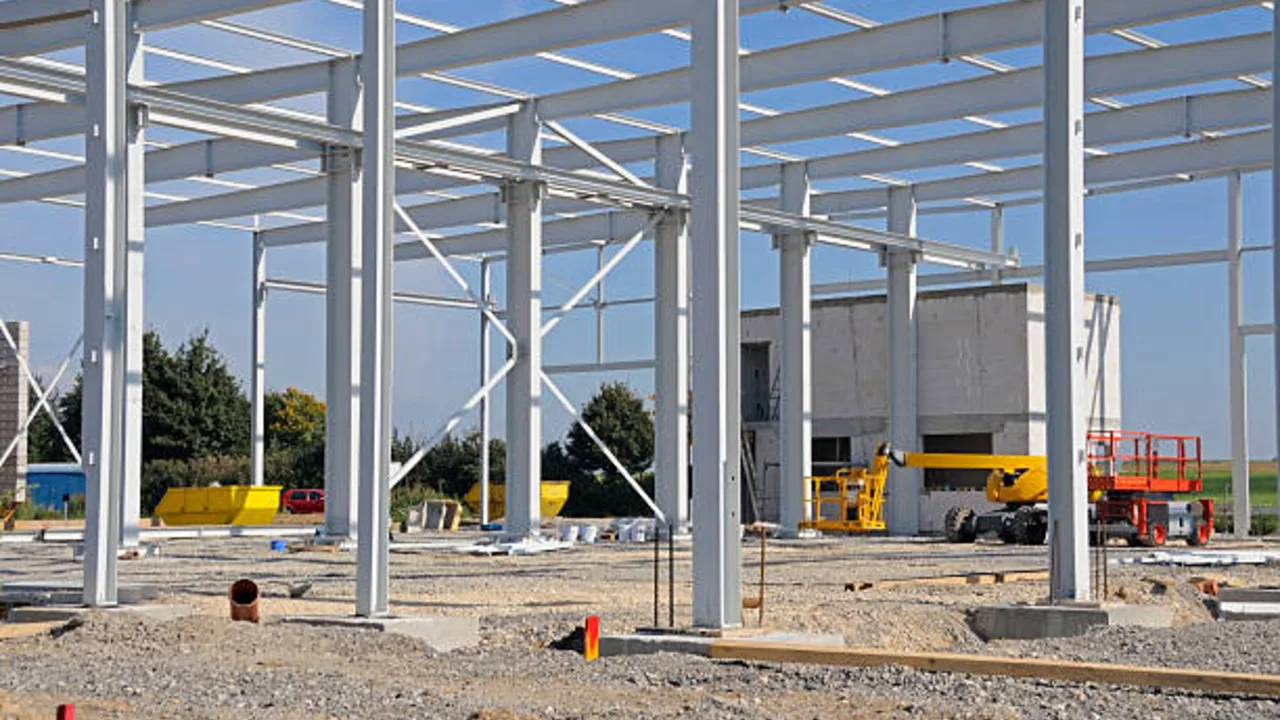
The future of alignment verification is increasingly driven by digital technologies. Advanced tools such as 3D laser scanning, digital twins, and AI-based analysis are transforming how alignment is measured and managed.
These technologies enable real-time monitoring, predictive analysis, and higher accuracy, reducing the risk of alignment-related issues.
FAQ — Post-Erection Alignment in Steel Structures
What is post erection alignment steel?
It refers to the process of verifying the position and geometry of steel structures after installation to ensure compliance with design tolerances.
Why is survey check important?
Survey check provides accurate measurement data that helps identify alignment deviations and ensures structural accuracy.
What happens if alignment is outside tolerance?
It can lead to structural instability, installation problems, and increased project costs due to rework.
How often should alignment be checked?
Alignment should be checked continuously during erection and verified again after completion.
What tools are used for alignment checks?
Tools include total stations, laser scanners, and traditional measuring instruments.
Can alignment errors be corrected after erection?
Yes, through mechanical adjustments, repositioning, or rework depending on severity.
Who is responsible for alignment checks?
Typically, contractors, survey teams, and project engineers share responsibility.
What are acceptable alignment tolerances?
Acceptable tolerances vary by project but are defined by engineering standards and specifications.
Conclusion
Post erection alignment steel checks are a critical component of steel structure construction. They ensure that the structure meets design requirements, maintains structural integrity, and supports efficient project execution.
Through systematic survey check procedures, project teams can detect deviations early, implement corrective measures, and maintain high standards of quality.
Ultimately, proper alignment is not just about precision — it is about ensuring safety, performance, and long-term reliability in steel structures.