In modern construction projects, sequencing is not just a planning detail — it is a critical factor that directly affects safety, efficiency, and overall project success. This is especially true in steel structure projects, where multiple trades must operate in a tightly coordinated environment. Among the most common and disruptive issues is the roofing steel erection conflict, a problem that arises when roofing installation overlaps improperly with steel erection activities.
Steel erection forms the backbone of structural construction, while roofing represents the enclosure phase that protects the structure from environmental exposure. Although these two activities are closely related, they must follow a precise sequence. When that sequence is disrupted, conflicts emerge that can lead to rework, delays, and serious safety risks.
In many projects, schedule pressure and coordination gaps push contractors to overlap tasks that should otherwise be sequential. This often results in structural instability, access limitations, and misalignment issues. Without proper control, even a small sequencing mistake can escalate into a major operational problem.
Understanding how and why roofing steel erection conflict occurs is essential for project managers, engineers, and contractors aiming to deliver projects efficiently. More importantly, identifying these conflicts early helps prevent costly disruptions and ensures smoother execution on site.
Understanding Roofing Steel Erection Conflict
What is Roofing Steel Erection Conflict
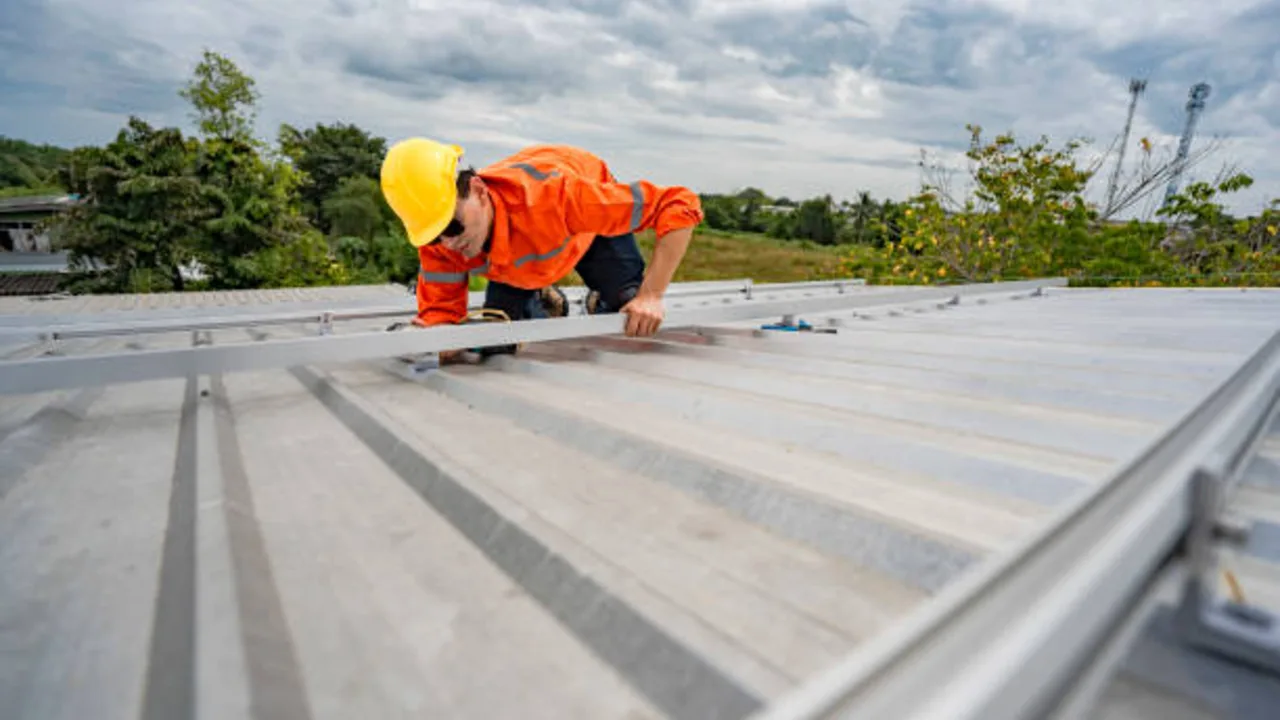
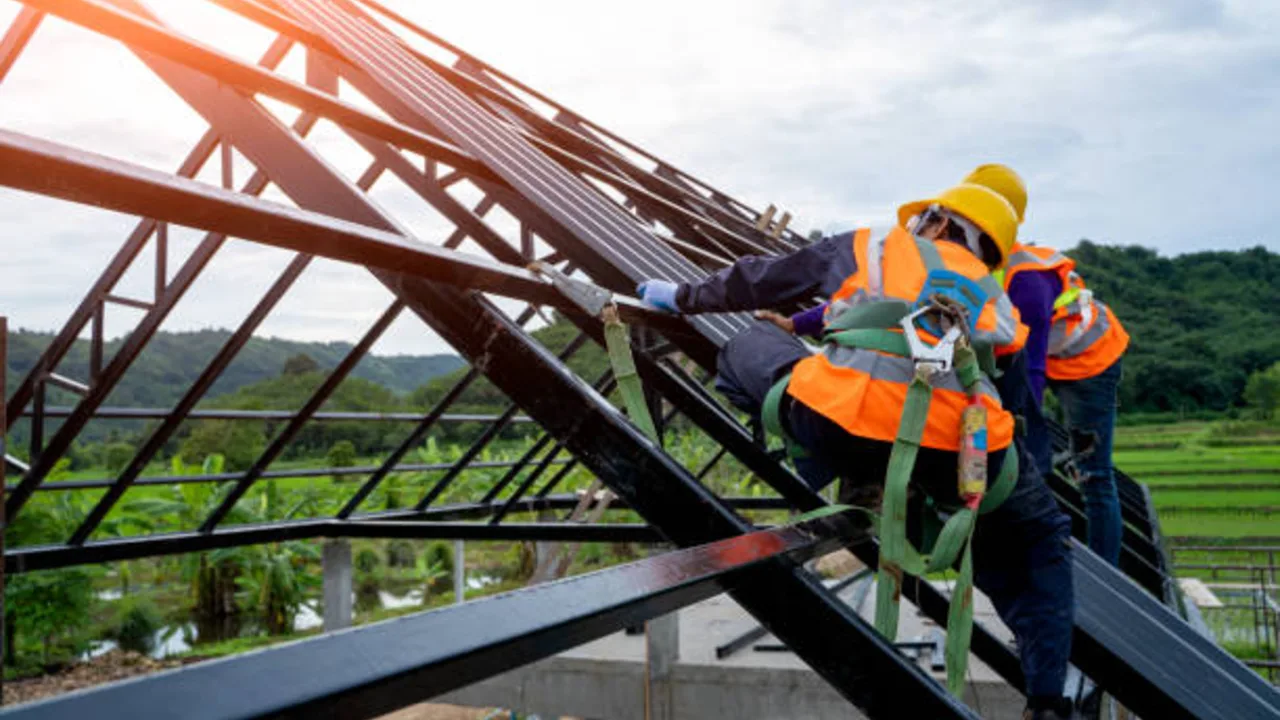
A roofing steel erection conflict occurs when roofing installation activities begin before steel erection has reached the required level of completion or stability. This typically involves situations where roofing panels, purlins, or secondary systems are installed while the primary steel frame is still being aligned, bolted, or stabilized.
At first glance, overlapping these activities may seem like a way to accelerate project timelines. However, this approach often creates more problems than it solves. Structural components may still be under adjustment, meaning any roofing work installed during this stage may need to be removed or corrected later.
Additionally, roofing crews and steel erection teams may compete for the same workspace, leading to congestion and inefficiencies. These conflicts are not just logistical — they also introduce serious safety risks when workers operate simultaneously in the same vertical and horizontal zones.
Why It Happens in Real Projects
The primary reason behind roofing steel erection conflict is schedule pressure. In fast-track construction environments, contractors are often incentivized to compress timelines by overlapping activities. While this may appear efficient on paper, it frequently leads to execution conflicts on site.
Another contributing factor is fragmented project delivery. Steel erection and roofing are often handled by different subcontractors, each with their own priorities and schedules. Without strong coordination, these teams may proceed independently, unaware of how their activities interfere with one another.
Inadequate planning also plays a major role. If the construction sequence is not clearly defined during the early stages of the project, teams may rely on assumptions rather than structured workflows. This increases the likelihood of misalignment between trades.
Finally, communication gaps between site management and execution teams can amplify the issue. Even when proper sequencing is planned, poor communication can result in incorrect implementation in the field.
The Role of Interface Clash in Construction Sequencing
What is an Interface Clash
An interface clash refers to a conflict that occurs when two or more construction activities overlap in a way that creates interference, inefficiency, or risk. In steel structure projects, interface clashes are common due to the high level of coordination required between multiple trades.
Unlike design clashes, which are typically identified through drawings or digital models, interface clashes occur during execution. They are often the result of scheduling conflicts, poor coordination, or misaligned work sequences.
In the context of roofing and steel erection, an interface clash can manifest as physical obstruction, workflow disruption, or safety hazards. These clashes are particularly critical because they occur in high-risk environments involving heavy materials and elevated work areas.
Typical Interface Clash in Steel Projects
One of the most common interface clashes occurs when roofing installation begins before the steel frame is fully stabilized. This can lead to misalignment issues, as the structure may still undergo minor adjustments during erection.
Another frequent conflict involves bolt tightening and final alignment processes. Steel erection teams often require uninterrupted access to connection points, but roofing elements can block these areas, making it difficult to complete essential structural work.
Equipment conflicts are also common. Cranes, lifts, and other machinery may be required simultaneously by both teams, leading to scheduling bottlenecks. In tight job sites, this can significantly reduce productivity.
Access conflicts further complicate the situation. Roofing crews may require safe walking surfaces and stable platforms, while steel erection teams may still be working on those same areas. Without proper zoning, this overlap creates both inefficiency and safety risks.
Key Causes of Roofing Steel Erection Conflict
Incomplete Structural Frames
One of the leading causes of roofing steel erection conflict is the premature transition from steel erection to roofing installation. When the structural frame is not fully completed or properly braced, introducing roofing work can destabilize the workflow.
Steel structures rely on proper alignment, bolting, and bracing to achieve stability. If roofing loads are applied before these processes are finalized, it can affect structural performance and lead to additional corrections later.
Schedule Compression
Project deadlines often drive contractors to accelerate work sequences. While overlapping tasks may appear to save time, it frequently results in conflicts that ultimately cause delays.
When roofing and steel erection are forced to occur simultaneously, the lack of clear sequencing increases the likelihood of errors, rework, and inefficiencies.
Lack of Coordination Between Teams
Coordination between steel and roofing teams is essential, yet often overlooked. Without regular communication and clear planning, each team may proceed based on their own schedule rather than a unified project timeline.
This disconnect leads to misaligned activities, where one team’s progress directly interferes with another’s work.
Equipment and Access Conflicts
Construction sites have limited space and resources. When multiple teams attempt to use the same equipment or access routes simultaneously, conflicts are inevitable.
Shared crane usage, limited working platforms, and restricted movement areas all contribute to roofing steel erection conflict, particularly in dense or complex projects.
Critical Risk Areas in Roofing and Steel Interface
Structural Stability Risks
Installing roofing elements on an incomplete steel frame can introduce unexpected loads and stresses. Without proper bracing and alignment, the structure may not be able to handle these loads safely.
This creates a risk not only to the structure itself but also to workers operating within the area.
Worker Safety Hazards
Simultaneous operations increase the risk of accidents, especially when working at height. Falling objects, unstable platforms, and limited visibility can all contribute to unsafe conditions.
Proper sequencing and zoning are essential to minimize these hazards.
Installation Accuracy Issues
Roofing installation requires precision, particularly in alignment and fastening. If the underlying steel structure is still being adjusted, achieving accurate installation becomes difficult. This often leads to misalignment, gaps, and the need for rework.
Material Damage Risks
Roofing materials are vulnerable to damage if handled or installed improperly. In a congested work environment, panels may be dropped, scratched, or deformed. These damages not only increase costs but also affect the overall quality of the project.
Common Conflict Scenarios on Site
Scenario 1: Roofing Starts Before Frame Completion
One of the most frequent cases of roofing steel erection conflict occurs when roofing installation begins before the steel frame is fully completed. In this scenario, steel erection teams are still aligning columns and beams, while roofing crews attempt to install panels or purlins.
This creates a chain reaction of problems. The structure may still be subject to adjustments, making it difficult to maintain roofing alignment. In many cases, installed roofing components must be removed and reinstalled, leading to wasted time and materials.
Scenario 2: Simultaneous Work Without Zoning
Another common issue arises when both teams operate in the same area without defined work zones. Steel erection and roofing crews may be working at different heights but within the same vertical space.
This lack of separation increases the risk of falling objects and limits safe access. Workers may be forced to navigate around each other, reducing efficiency and increasing the likelihood of accidents.
Scenario 3: Crane Conflict Between Teams
Steel erection heavily relies on cranes for lifting structural components, while roofing installation also requires lifting equipment for panels and materials. When both teams depend on the same crane, scheduling conflicts become inevitable.
Without proper coordination, crane downtime increases, and both activities suffer delays. This type of interface clash can significantly impact productivity.
Scenario 4: Bolt Tightening vs Roofing Access
Final bolt tightening and structural alignment require clear access to connection points. However, if roofing elements are already installed, these access points may be blocked.
This forces steel teams to either work around obstructions or remove installed components, both of which reduce efficiency and increase project complexity.
Conflict vs Solution Overview
| Conflict Type | Root Cause | Impact | Solution |
|---|---|---|---|
| Early roofing installation | Incomplete steel frame | Rework and misalignment | Strict sequencing control |
| Crane usage conflict | Shared equipment | Delays and downtime | Equipment scheduling |
| Access overlap | No zoning | Safety risks | Work zone separation |
| Interface clash | Poor coordination | Operational inefficiency | Coordination meetings |
How to Prevent Roofing Steel Erection Conflict
Proper Construction Sequencing
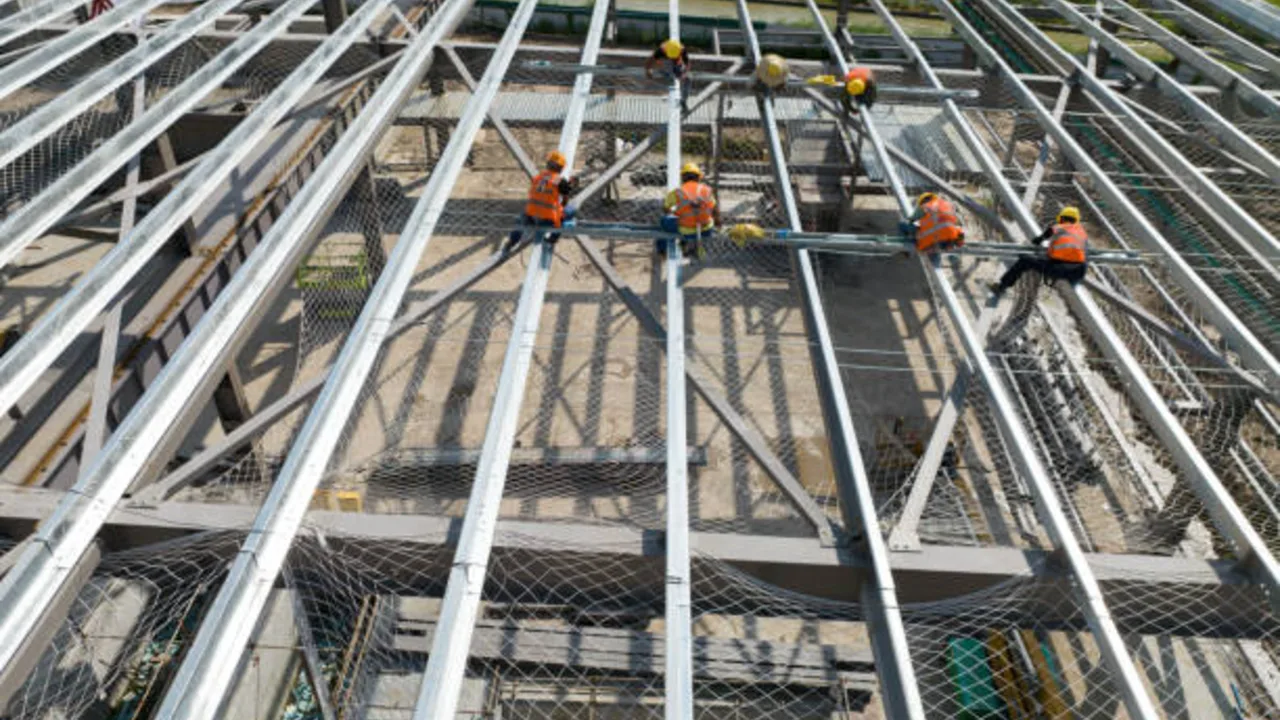
The most effective way to avoid roofing steel erection conflict is to establish a clear and logical construction sequence. Steel erection should reach full structural stability, including alignment, bolting, and bracing, before roofing work begins.
This ensures that roofing installation is performed on a stable and finalized structure, reducing the risk of rework and alignment issues.
Zoning Work Areas
Dividing the construction site into clearly defined work zones allows multiple teams to operate simultaneously without interfering with each other. Zoning helps prevent physical overlap and reduces safety risks.
Each team can focus on its designated area, improving productivity and minimizing conflicts.
Scheduling Control
Detailed scheduling is essential to manage overlapping activities. Project managers should define clear timelines for each phase and avoid unnecessary compression of tasks.
Using structured schedules with milestone checkpoints helps ensure that each stage is completed before the next begins.
Interface Planning Meetings
Regular coordination meetings between contractors are critical to managing interface clash. These meetings allow teams to align their activities, identify potential conflicts, and adjust plans accordingly.
Effective communication ensures that all parties understand the sequence and timing of work.
Role of Supervisors in Managing Interface Clash
Site Coordination Responsibilities
Supervisors play a key role in monitoring site activities and ensuring that sequencing is followed correctly. They act as the link between planning and execution, translating schedules into real-time actions.
By actively overseeing work progress, supervisors can identify early signs of conflict and intervene before issues escalate.
Communication Management
Clear communication is essential for preventing misunderstandings between teams. Supervisors must ensure that instructions are conveyed accurately and that all workers are aware of current site conditions.
Daily briefings and toolbox talks are effective tools for maintaining alignment.
Risk Identification and Control
Supervisors must continuously assess risks associated with overlapping activities. By identifying hazards early, they can implement control measures that prevent accidents and disruptions.
Integrating Roofing and Steel Workflows
Successful project execution depends on the seamless integration of different construction activities. Roofing and steel erection must be treated as interconnected processes rather than isolated tasks.
Aligning workflows ensures that each phase supports the next, reducing inefficiencies and improving overall performance.
Working with an experienced steel structure construction team ensures that sequencing, coordination, and execution are managed effectively from start to finish.
Monitoring and Controlling Work Sequencing
Key Performance Indicators
To evaluate the effectiveness of sequencing strategies, project teams should monitor key metrics such as delay frequency, rework rates, and safety incidents.
These indicators provide valuable insights into how well activities are coordinated and where improvements are needed.
Continuous Improvement
Lessons learned from previous projects should be incorporated into future planning. Continuous improvement helps refine sequencing strategies and reduce recurring conflicts.
Feedback from site teams is particularly valuable, as it reflects real-world challenges and solutions.
Real Project Insight – Managing Conflict in Steel Construction
A practical example of managing roofing steel erection conflict can be observed in XTD Steel Structure projects, particularly in complex industrial environments. In one case, a factory construction project required tight coordination between steel erection and roofing installation due to schedule constraints.
Initially, overlapping activities created access issues and slowed down progress. However, by implementing strict sequencing control, redefining work zones, and improving communication through daily coordination meetings, the project team successfully resolved these conflicts.
Steel erection was prioritized to reach structural stability before roofing installation resumed. This adjustment minimized rework, improved safety, and restored workflow efficiency.
The project highlights the importance of proactive planning and real-time coordination in managing construction sequencing challenges.
Future Trends in Construction Coordination
As construction projects become more complex, digital tools are playing an increasingly important role in managing sequencing and coordination. Technologies such as Building Information Modeling (BIM) allow teams to visualize potential conflicts before they occur.
Real-time monitoring systems and digital scheduling platforms also help improve communication and decision-making on site.
These advancements are expected to significantly reduce interface clash issues and improve overall project performance.
Practical Recommendations for Project Teams
- Establish clear construction sequencing from the early planning stage
- Define work zones to avoid overlapping activities
- Conduct regular coordination meetings between trades
- Monitor performance metrics and adjust strategies accordingly
Conclusion
The roofing steel erection conflict is a common but preventable issue in steel construction projects. It often arises from poor sequencing, inadequate coordination, and schedule pressure.
By understanding the role of interface clash and implementing structured planning, project teams can minimize conflicts and improve efficiency.
Ultimately, successful construction depends on coordination, communication, and disciplined execution — ensuring that each phase is completed in the right sequence for optimal results.