Welding plays a critical role in steel construction, directly affecting structural integrity, safety, and long-term durability. In modern projects, choosing between site welding vs shop welding is not just a technical decision—it is a strategic one that influences cost, schedule, and overall project performance.
As steel structures become more complex and project timelines more demanding, contractors must carefully evaluate where and how welding should be performed. Whether in a controlled factory environment or on-site under varying conditions, each approach presents its own advantages and limitations. Understanding the differences in site welding vs shop welding is essential for making informed construction decisions.
For developers and contractors involved in steel structure building construction, selecting the right welding strategy early in the planning phase can significantly improve efficiency, reduce rework, and ensure consistent weld quality across the project lifecycle.
Understanding Welding in Steel Construction
Welding is the process of joining steel components through heat and fusion, creating a continuous structural connection. In steel construction, welds are used in beams, columns, trusses, and connection joints, forming the backbone of the entire structure.
The performance of a welded structure depends heavily on weld quality. Poor welding can lead to defects such as cracks, porosity, or incomplete fusion, all of which compromise structural safety. As a result, welding must be executed with precision, proper procedures, and strict quality control.
There are various types of weld joints used in construction, including butt welds, fillet welds, and groove welds. Each type is selected based on load requirements, design specifications, and fabrication conditions. Regardless of the type, maintaining consistent weld quality is a top priority in both shop and site environments.
What is Shop Welding?
Definition and Process
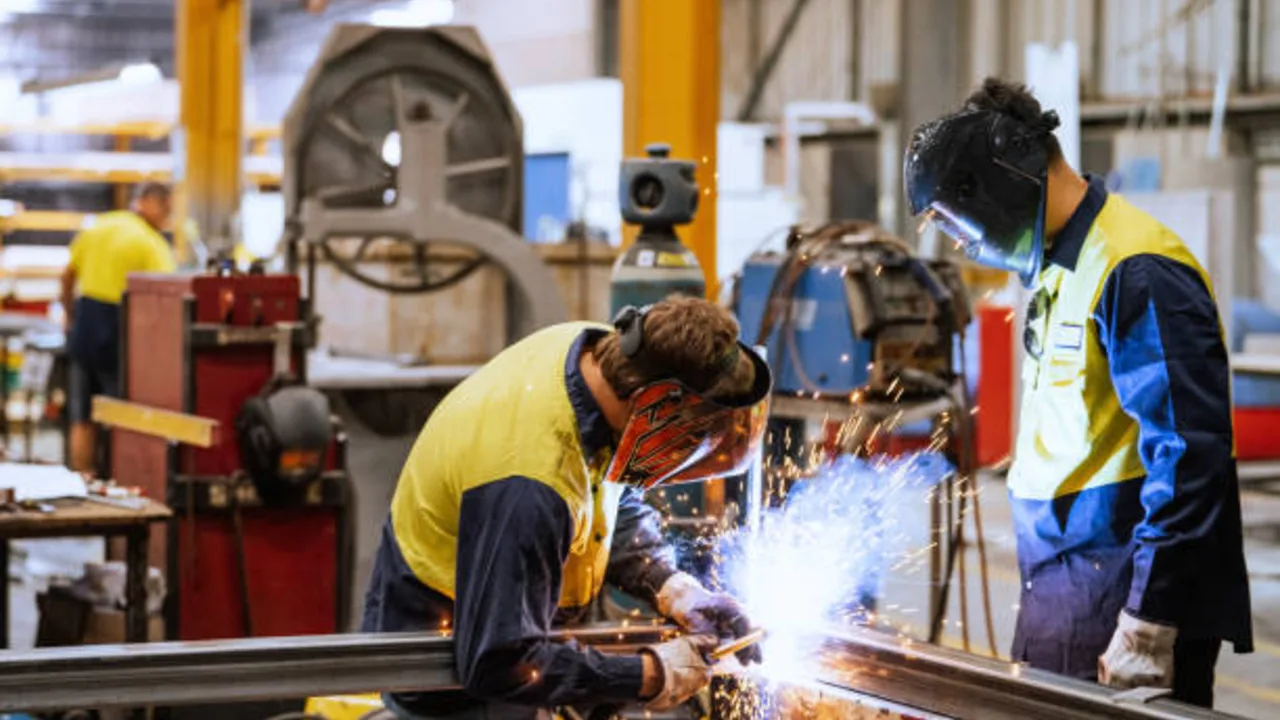
Shop welding refers to welding operations performed in a controlled factory or fabrication facility before the steel components are transported to the construction site. In this environment, temperature, humidity, and working conditions are carefully managed to ensure precision and consistency.
Fabrication shops are equipped with advanced machinery, automated welding systems, and highly skilled technicians. This controlled setup allows for repeatable processes and standardized production, making shop welding a preferred option for many structural components.
Advantages of Shop Welding
One of the primary advantages of shop welding is its ability to achieve high and consistent weld quality. Controlled conditions minimize the impact of environmental factors, reducing the likelihood of welding defects.
Additionally, shop welding allows for the use of automated or semi-automated welding equipment, which improves accuracy and productivity. Standardized procedures and rigorous inspection protocols further enhance quality control.
Another key benefit is efficiency. Since welding is completed before delivery, on-site installation becomes faster and more streamlined. This reduces labor requirements and minimizes construction time in the field.
Limitations of Shop Welding
Despite its advantages, shop welding has certain limitations. Transportation of large or fully assembled components can be challenging due to size and weight restrictions. Oversized steel elements may require special handling or segmentation.
In addition, excessive prefabrication may reduce flexibility during installation. If design changes or alignment adjustments are needed on-site, modifications can become more complex and costly.
What is Site Welding?
Definition and Process
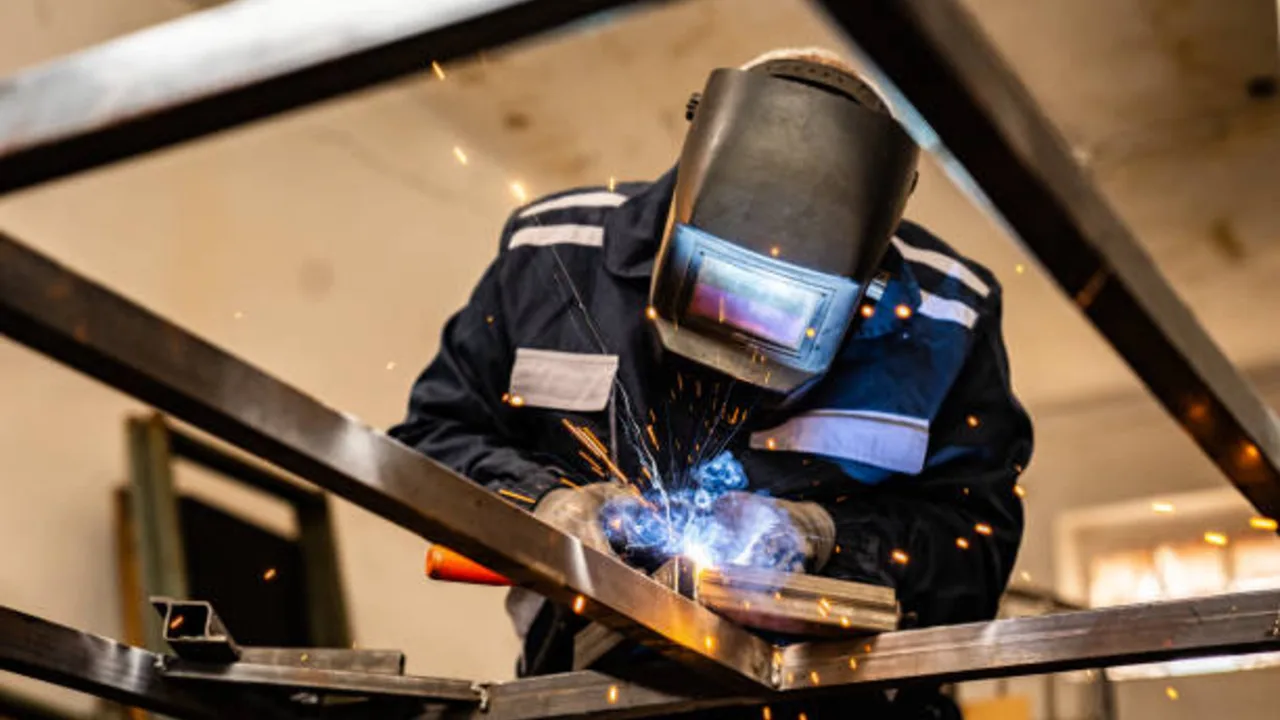
Site welding, also known as field welding, is performed directly at the construction site during the assembly and installation of steel structures. This method is commonly used for connecting prefabricated components or completing joints that cannot be welded in the shop.
Unlike shop welding, site welding takes place in open environments where conditions are less controlled. Factors such as weather, wind, and temperature variations can influence the welding process and outcomes.
Advantages of Site Welding
The main advantage of site welding is flexibility. It allows contractors to adjust connections, align components, and accommodate real-world site conditions. This is particularly important for large-scale or complex structures where precise fit-up cannot be guaranteed in advance.
Site welding also reduces transportation constraints. Instead of delivering fully assembled components, steel elements can be transported in smaller segments and welded on-site, making logistics more manageable.
For certain applications, especially in large industrial or infrastructure projects, site welding is essential to complete final connections and ensure structural continuity.
Limitations of Site Welding
However, site welding introduces several challenges. Environmental factors such as rain, humidity, and wind can negatively impact weld quality, increasing the risk of defects.
In addition, site welding typically requires more labor and time compared to shop welding. Working conditions are less efficient, and maintaining consistent quality can be more difficult due to variability in execution.
Safety is another concern. Welding operations on-site often involve working at height, confined spaces, or active construction zones, which increases operational risks.
Site Welding vs Shop Welding: Key Differences
Weld Quality Comparison
When comparing site welding vs shop welding, weld quality is one of the most critical factors. Shop welding generally provides superior and more consistent weld quality due to controlled conditions and standardized procedures.
In contrast, site welding is more dependent on operator skill and environmental conditions. Variability in execution can lead to inconsistencies, making quality control more challenging.
Cost Comparison
Cost considerations in site welding vs shop welding depend on multiple factors, including labor, equipment, and logistics. Shop welding may involve higher fabrication costs but reduces on-site labor and installation time.
Site welding, while offering flexibility, can increase labor costs and extend project duration. Additional inspection and rework may also contribute to higher overall expenses.
Construction Speed
Shop welding typically accelerates construction speed by completing a significant portion of the work off-site. Prefabricated components can be quickly assembled upon arrival.
Site welding, on the other hand, requires more time for execution and inspection during installation, potentially slowing down the project timeline.
Safety Considerations
Safety is another key factor when evaluating site welding vs shop welding. Shop welding is performed in a controlled environment with established safety protocols, reducing exposure to hazards.
In contrast, site welding involves working in dynamic construction environments, often at heights or in confined spaces. These conditions increase the risk of accidents, requiring stricter safety management and supervision.
Quality Control and Inspection
Quality control processes differ significantly between the two methods. Shop welding allows for easier implementation of non-destructive testing (NDT) and inspection procedures under stable conditions.
Site welding inspections are more complex due to accessibility limitations and environmental factors. Ensuring consistent weld quality requires additional effort, including frequent monitoring and skilled inspectors.
Impact on Project Performance
Structural Performance and Durability
The choice between site welding vs shop welding directly affects structural performance. High-quality welds contribute to better load distribution, fatigue resistance, and long-term durability.
Shop welding generally delivers more reliable results due to controlled conditions. However, properly executed site welding can also meet performance requirements when strict quality control measures are applied.
Project Timeline
Project timelines are closely linked to welding strategy. Shop welding reduces on-site workload, allowing faster assembly and minimizing delays.
Site welding, while flexible, can introduce scheduling uncertainties due to environmental factors and coordination challenges. This makes planning more complex in large-scale projects.
Cost Efficiency
From a lifecycle perspective, cost efficiency in site welding vs shop welding depends on balancing fabrication, transportation, and installation costs.
While shop welding may involve higher upfront fabrication expenses, it often results in lower overall project costs by reducing rework, improving productivity, and ensuring consistent weld quality.
When to Choose Shop Welding vs Site Welding

Suitable Scenarios for Shop Welding
Shop welding is ideal for standardized components and repetitive structures where precision and consistency are critical. It is commonly used in beams, columns, and prefabricated assemblies.
Projects that prioritize high weld quality and efficient production processes benefit significantly from shop welding.
Suitable Scenarios for Site Welding
Site welding is more suitable for complex structures, large-span systems, and situations where on-site adjustments are necessary. It provides flexibility to accommodate real-world conditions and alignment variations.
In projects with limited transportation capabilities or unique structural configurations, site welding becomes an essential component of the construction process.
Hybrid Approach in Modern Projects
In modern steel construction, a hybrid approach that combines both methods is often the most effective solution. This strategy leverages the strengths of each method while minimizing their limitations.
Primary structural components are typically fabricated using shop welding, while final connections and adjustments are completed through site welding. This balanced approach ensures efficiency, flexibility, and optimal weld quality.
Real Project Insight: Welding Strategy in Industrial Steel Construction
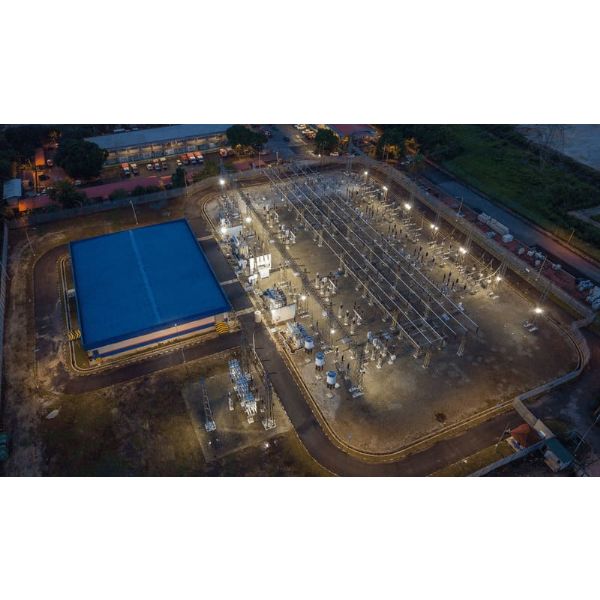
A practical example of site welding vs shop welding can be observed in the Rongteng Intelligent Manufacturing Park project, which involves large-scale industrial steel structures.
In this project, most primary structural members were fabricated in a controlled factory environment using shop welding. This ensured high precision, consistent weld quality, and efficient production.
However, due to the scale and complexity of the project, site welding was required during installation. Field welding was used for connection joints, alignment adjustments, and large-span assembly.
The project adopted a hybrid welding strategy, combining shop welding for core components and site welding for final assembly. This approach reduced on-site workload, improved installation efficiency, and maintained structural integrity.
This case demonstrates that the choice between site welding vs shop welding is not absolute. Instead, successful projects rely on integrating both methods based on engineering requirements and site conditions.
Why Welding Strategy Matters in Steel Construction
Welding strategy plays a crucial role in determining project success. It affects structural safety, construction speed, cost efficiency, and long-term performance.
For companies involved in steel structure building construction, selecting the appropriate welding approach is a key decision that requires both technical expertise and practical experience.
By aligning welding methods with project conditions, contractors can minimize risks, improve efficiency, and ensure consistent results across all stages of construction.
Conclusion
The comparison of site welding vs shop welding highlights the importance of selecting the right approach for each project. Both methods offer distinct advantages and limitations, and their effectiveness depends on factors such as project scale, design complexity, and site conditions.
While shop welding provides superior control and consistency, site welding offers flexibility and adaptability. In many cases, a hybrid approach delivers the best results by combining the strengths of both methods.
Ultimately, achieving optimal weld quality and project efficiency requires careful planning, skilled execution, and a well-defined welding strategy.