In modern industrial projects, completing the physical construction is only one part of the delivery process. The final phase—known as steel construction close-out—is where project quality, compliance, and contractual obligations are formally verified. This stage ensures that the structure is not only built but also documented, inspected, and accepted according to agreed standards.
Unlike general construction, steel projects require a higher level of precision in fabrication and installation. Small deviations in alignment, welding, or bolting can lead to long-term structural issues. Because of this, the close-out phase becomes a critical control point for validating performance and ensuring the structure is ready for operation.
Within the broader lifecycle of steel structure construction, close-out serves as the bridge between construction execution and operational use. A well-managed close-out process minimizes disputes, accelerates final payments, and ensures a smooth transition to facility management teams.
What is Steel Construction Close-Out?
Definition and Scope
Steel construction close-out refers to the structured process of completing all technical, contractual, and administrative requirements at the end of a project. It includes final inspections, documentation submission, defect correction, and formal handover to the client.
This process is not limited to verifying physical completion. It also involves ensuring that all engineering records, compliance documents, and operational manuals are properly compiled and delivered. Without these components, a project cannot be considered fully complete, even if the structure is already in use.
Why Close-Out Matters in Steel Projects
Steel structures are highly dependent on fabrication accuracy and installation quality. Unlike traditional materials, steel systems rely on precise connections, tolerances, and load distribution. Any deviation can affect performance over time.
Close-out ensures that:
- All structural components meet design specifications
- Welding and bolting connections are properly inspected
- Protective coatings are applied and verified
- Documentation supports future maintenance and compliance
In addition, close-out directly impacts liability. Warranty periods and contractual responsibilities often begin only after formal acceptance, making this phase essential for both contractors and project owners.
Key Phases of Steel Construction Close-Out
Mechanical Completion
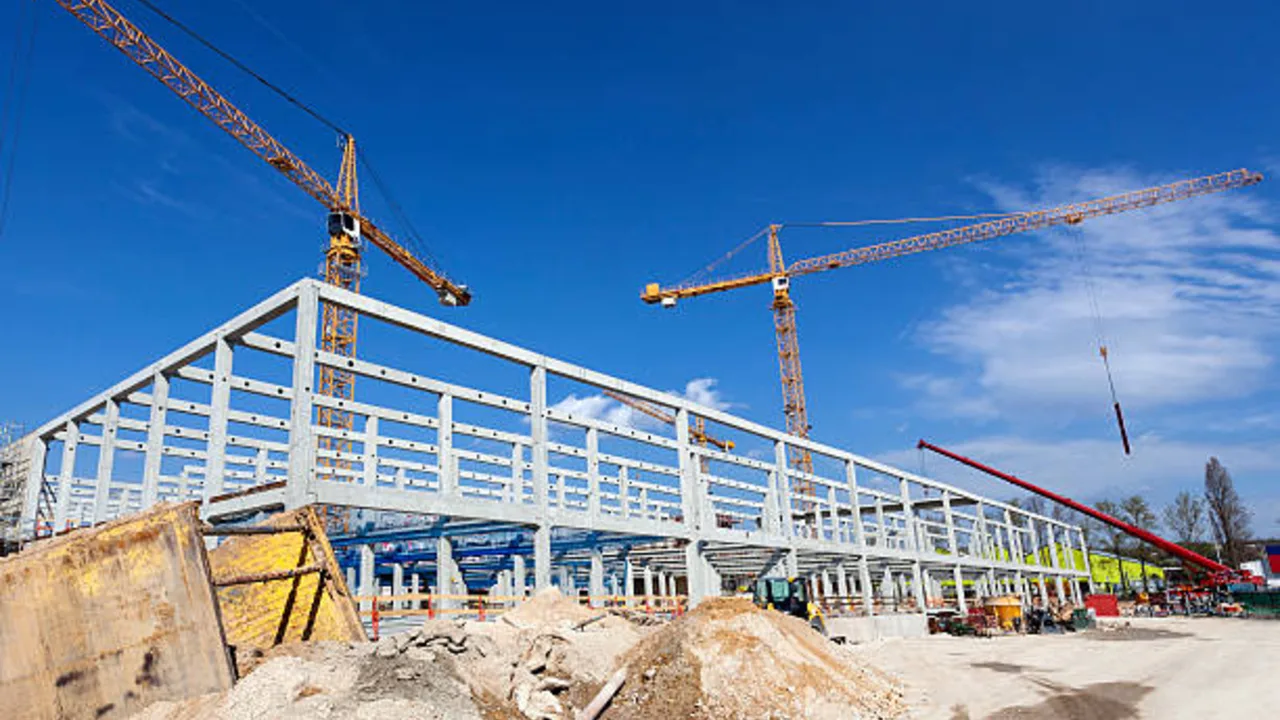
Mechanical completion marks the stage where all structural elements have been installed according to design. At this point, the building frame, connections, and primary systems are physically in place.
Typical activities include:
- Verification of structural alignment and geometry
- Final tightening of bolts and inspection of connections
- Completion of welding works and visual inspections
- Application of coatings or galvanization systems
This phase ensures that the structure is ready for inspection but does not yet indicate final acceptance.
Pre-Commissioning
Pre-commissioning focuses on testing and verifying that the structure meets all performance and safety requirements before handover. While more common in complex industrial facilities, it also applies to steel structures with critical load or operational requirements.
Key activities may include:
- Non-destructive testing (NDT) of welds
- Inspection of bolted connections under load conditions
- Verification of structural tolerances
- Functional checks for integrated systems (if applicable)
This phase helps identify potential issues before the client conducts final inspections.
Final Acceptance
The final acceptance stage is where the client formally reviews the completed structure and confirms that it meets contractual and technical requirements. This is one of the most critical milestones in the project lifecycle.
During this stage, the following are typically reviewed:
- Completion of all construction works
- Resolution of punch list items
- Submission of complete documentation
- Compliance with applicable standards and specifications
Once approved, a formal acceptance certificate is issued, triggering the transition to operational use and financial closure.
Administrative Close-Out
Administrative close-out ensures that all project records, financial transactions, and contractual obligations are finalized. This phase often runs in parallel with final acceptance.
It includes:
- Submission of final documentation packages
- Verification of contract completion requirements
- Processing of final payments and retention release
- Closure of project accounts and claims
Without proper administrative close-out, even technically completed projects can face delays in financial settlement and legal closure.
Close-Out Documentation Checklist
Essential Documents
Documentation is a cornerstone of steel construction close-out. It provides a complete record of how the structure was built, tested, and verified. These documents are essential for both compliance and long-term maintenance.
Key documents typically include:
- As-built drawings reflecting final construction conditions
- Material certificates confirming steel grade and origin
- Welding documentation such as WPS (Welding Procedure Specification) and PQR (Procedure Qualification Record)
- Inspection and test reports covering all critical activities
- Coating and surface protection reports
Each document must be accurate, complete, and properly organized to meet client and regulatory requirements.
Operation & Maintenance (O&M) Manuals
O&M manuals provide guidance on how to operate, inspect, and maintain the steel structure over its lifecycle. These manuals are particularly important for industrial and infrastructure projects where long-term performance is critical.
Typical contents include:
- Inspection schedules for structural components
- Maintenance procedures for coatings and connections
- Guidelines for load limits and usage conditions
- Recommendations for periodic repairs or upgrades
Well-prepared O&M manuals reduce operational risks and extend the lifespan of the structure.
Warranty Documentation
Warranty documentation defines the responsibilities of the contractor after project completion. It specifies what is covered, the duration of coverage, and the conditions under which claims can be made.
This documentation is closely tied to the final acceptance process, as warranty periods typically begin once the project is formally handed over.
Typical Steel Construction Close-Out Documents
| Document Type | Purpose | Responsible Party |
|---|---|---|
| As-built Drawings | Reflect final installed structure | Contractor |
| Material Certificates | Verify material compliance | Fabricator |
| Welding Reports | Ensure weld quality | QA/QC Team |
| Inspection Reports | Confirm installation quality | Third-party Inspector |
| O&M Manuals | Guide maintenance and operation | Contractor |
Punch List Management and Clearance
What is a Punch List
A punch list is a detailed record of incomplete, defective, or non-compliant items identified during inspections. It is one of the final steps before achieving final acceptance.
These items must be resolved before the project can be officially handed over. The effectiveness of punch list management directly affects project timelines and client satisfaction.
Common Punch List Items in Steel Projects
Steel construction projects often encounter specific types of punch list issues due to the precision required in fabrication and installation.
- Improperly tightened or missing bolts
- Welding defects or incomplete welds
- Surface coating damage or inconsistencies
- Misalignment of structural members
- Missing or incorrectly installed components
Identifying and resolving these issues efficiently is critical to avoiding delays in close-out.
Best Practices for Punch List Clearance
Effective punch list management is essential for achieving a smooth steel construction close-out. Poor coordination at this stage often leads to unnecessary delays, repeated inspections, and strained relationships between contractors and clients.
Best practices include:
- Prioritizing critical structural and safety-related items first
- Assigning clear responsibility for each punch list item
- Using digital tracking systems to monitor progress in real time
- Conducting pre-inspections before official client walkthroughs
A structured approach ensures that punch list items are resolved efficiently and that the project progresses toward final acceptance without avoidable setbacks.
Quality Assurance and Final Inspection
Inspection Standards
Final inspections during steel construction close-out must comply with recognized international and local standards. These standards ensure that the structure meets safety, durability, and performance requirements.
Common standards include:
- EN (European Standards)
- ASTM (American Society for Testing and Materials)
- GB (Chinese National Standards)
Compliance with these standards is verified through systematic inspection and documentation review.
Non-Destructive Testing (NDT)
Non-destructive testing plays a critical role in verifying weld integrity and structural performance without damaging the components. It is widely used in steel projects due to the importance of connection quality.
Common NDT methods include:
- Ultrasonic Testing (UT)
- Magnetic Particle Testing (MT)
- Radiographic Testing (RT)
- Visual Inspection (VT)
These methods help detect internal and surface defects that may not be visible during standard inspections.
Load Testing and Structural Validation
In certain projects, especially industrial facilities or long-span structures, load testing is required to validate structural performance. This ensures that the building can safely handle operational loads.
Key considerations include:
- Application of controlled loads to test structural behavior
- Monitoring deflection and stress levels
- Comparing results with design criteria
Successful load testing provides confidence in the structural integrity of the completed project.
Handover Process and Final Acceptance
Client Walkthrough
The client walkthrough is a joint inspection conducted by the contractor, client, and sometimes third-party consultants. This step ensures that all aspects of the project meet expectations.
During the walkthrough, stakeholders typically:
- Review completed structural elements
- Verify resolution of punch list items
- Confirm documentation completeness
This collaborative process helps align expectations and avoid disputes during final acceptance.
Final Acceptance Certificate
The issuance of a final acceptance certificate marks the official completion of the project. It confirms that all contractual obligations have been fulfilled and that the structure is ready for use.
This certificate is a key milestone because it:
- Triggers final payment to the contractor
- Marks the start of warranty periods
- Transfers responsibility to the owner or operator
Transition to Operations
After acceptance, the project transitions into the operational phase. This involves handing over the facility to the operations or maintenance team.
Key activities include:
- Providing training on structural maintenance
- Delivering O&M manuals and documentation
- Explaining inspection schedules and safety procedures
A well-managed transition ensures long-term performance and reduces operational risks.
Common Challenges in Steel Construction Close-Out
Incomplete Documentation
One of the most frequent issues during steel construction close-out is missing or incomplete documentation. Without proper records, clients may refuse to proceed with final acceptance, leading to delays.
Quality Non-Conformance
Defects identified during inspections can require rework, which impacts both schedule and cost. Common issues include welding defects, coating failures, and alignment errors.
Coordination Issues
Misalignment between contractors, subcontractors, and clients can lead to confusion regarding responsibilities and expectations. This often results in duplicated work or overlooked tasks.
Delayed Punch List Clearance
Slow resolution of punch list items is a major bottleneck in project close-out. Without clear tracking and accountability, minor issues can accumulate and delay completion.
Best Practices for Efficient Close-Out
Start Close-Out Planning Early
Close-out should not be treated as a final step only. Instead, it should be integrated into the project plan from the beginning. Early planning allows teams to anticipate documentation and inspection requirements.
Maintain Real-Time Documentation
Instead of compiling documents at the end, teams should maintain records throughout the project lifecycle. This reduces errors and ensures that all information is readily available during close-out.
Use Digital Project Management Tools
Digital tools improve efficiency by providing centralized platforms for tracking inspections, punch lists, and documentation. They also enhance communication among stakeholders.
Standardize Procedures
Using standardized templates and checklists ensures consistency and reduces the risk of missing critical items. Standardization is especially important for large-scale or multi-project operations.
Role of Contractors in Close-Out Success
Engineering Accuracy
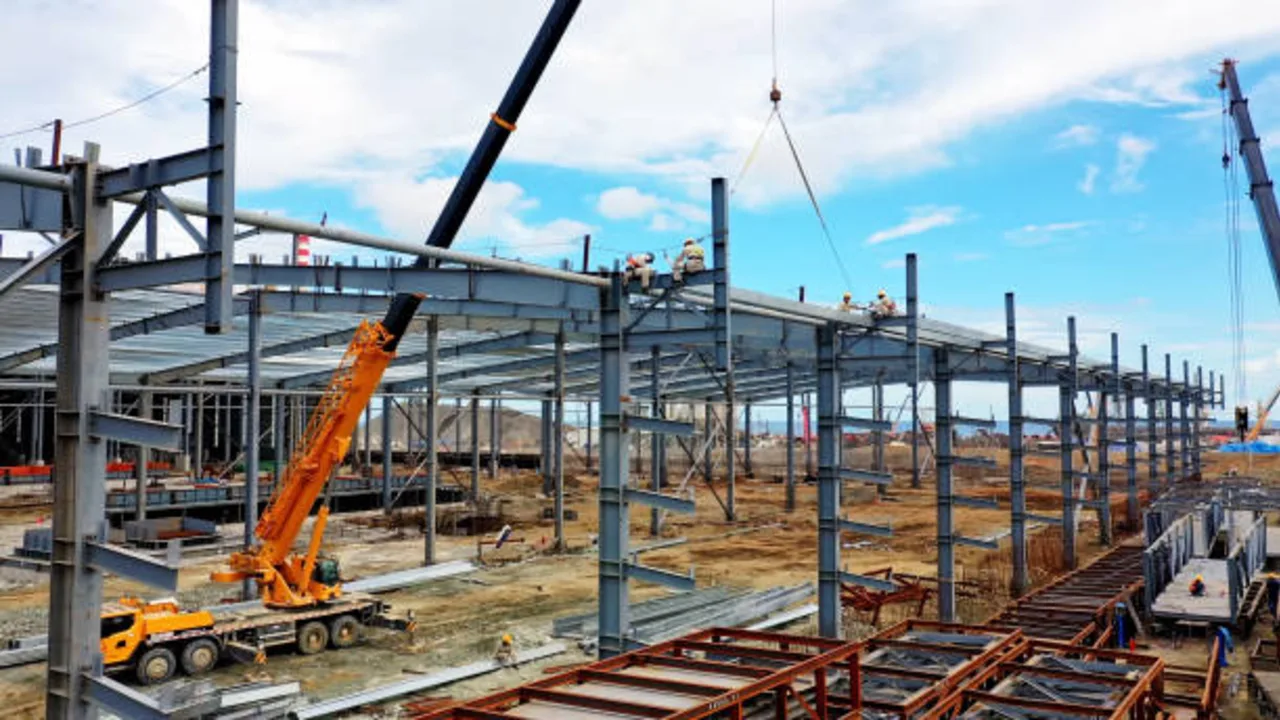
Accurate engineering ensures that the as-built structure matches the design intent. This reduces discrepancies during inspection and simplifies documentation.
Fabrication Quality Control
High-quality fabrication minimizes defects and reduces the need for rework during close-out. Strict QA/QC processes in fabrication facilities are essential.
Installation Precision
Proper installation practices ensure that structural components are aligned and connected correctly. This directly impacts the success of inspections and final acceptance.
Safety and Compliance During Close-Out
Final Safety Audit
A final safety audit verifies that the structure meets all safety requirements. This includes checking load capacity, connection integrity, and compliance with safety standards.
Regulatory Compliance
Projects must comply with local regulations and international standards. Documentation and inspections play a key role in demonstrating compliance.
Financial Closure and Contract Completion
Final Payment Process
Final payments are typically linked to the successful completion of steel construction close-out and issuance of the acceptance certificate. Delays in close-out can directly impact cash flow.
Retention Release
Retention amounts held during the project are released once all close-out requirements are met. This provides assurance to the client that all obligations have been fulfilled.
Claims and Dispute Resolution
Any unresolved claims or disputes must be addressed before contract closure. Clear documentation and communication help prevent conflicts at this stage.
Delivering a Successful Steel Construction Close-Out
A structured and well-executed steel construction close-out ensures that projects are completed efficiently, safely, and in full compliance with contractual requirements. From documentation and inspections to punch list clearance and final acceptance, every step plays a critical role in project success.
By adopting best practices such as early planning, real-time documentation, and standardized procedures, contractors can reduce risks, accelerate project completion, and deliver long-term value to clients.
Ultimately, a successful close-out is not just about finishing construction—it is about delivering a complete, verified, and operational-ready steel structure.