In modern construction, more projects are being executed in environments exposed to strong and unpredictable wind conditions. Coastal developments, open industrial zones, and elevated terrains all present unique challenges where wind becomes a critical factor in both design and execution. In these scenarios, steel construction high wind conditions are not an exception—they are a defining constraint that shapes how projects are planned and delivered.
Unlike static structural loads, wind introduces dynamic forces that directly affect lifting operations, structural stability during erection, and worker safety. Even moderate wind speeds can create significant challenges when handling large steel components at height. As a result, steel construction high wind environments require a more integrated approach that combines engineering design, construction sequencing, and real-time operational control.
For developers and contractors working with an experienced steel structure construction partner, understanding how to manage wind restriction becomes essential. Proper planning not only ensures safety but also minimizes delays and cost overruns associated with weather-related disruptions.
Understanding High Wind Conditions in Steel Construction
High wind conditions in construction are typically defined by site-specific thresholds that affect lifting operations and structural safety. These thresholds vary depending on project type, component size, and equipment capacity, but they generally represent wind speeds at which construction activities must be modified or suspended.
In steel construction high wind environments, several factors contribute to wind exposure. Coastal areas experience consistent wind flow due to minimal obstruction, while elevated or open terrain sites are subject to stronger gusts and turbulence. Urban high-rise zones can also create wind tunnel effects, intensifying localized wind pressure.
The concept of wind restriction plays a central role in managing these conditions. It defines operational limits for lifting, installation, and worker activity. These restrictions are not optional—they are critical safety controls that directly influence construction sequencing and scheduling.
Key Challenges in Steel Construction High Wind Environments
Structural Stability During Erection
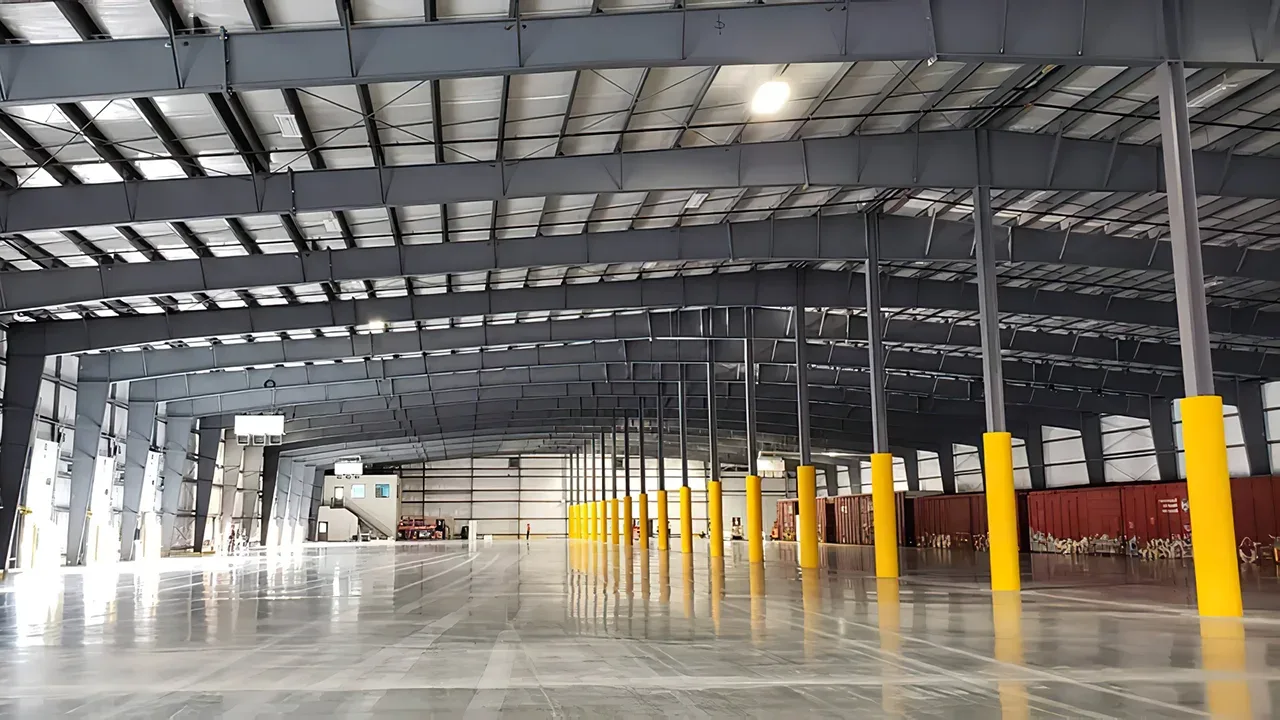
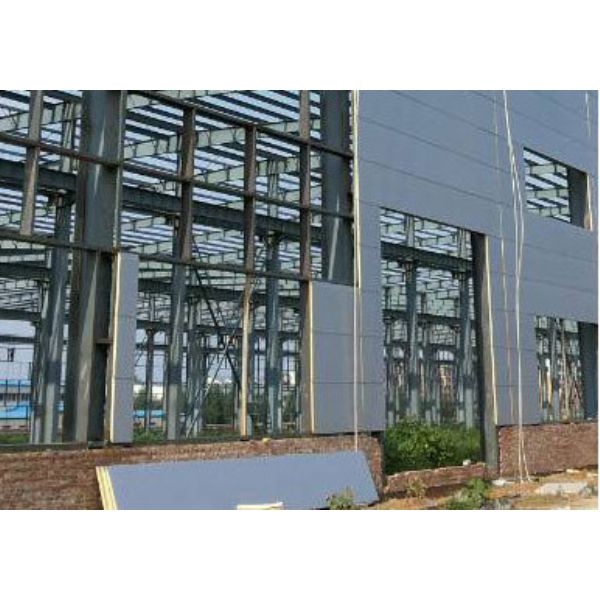
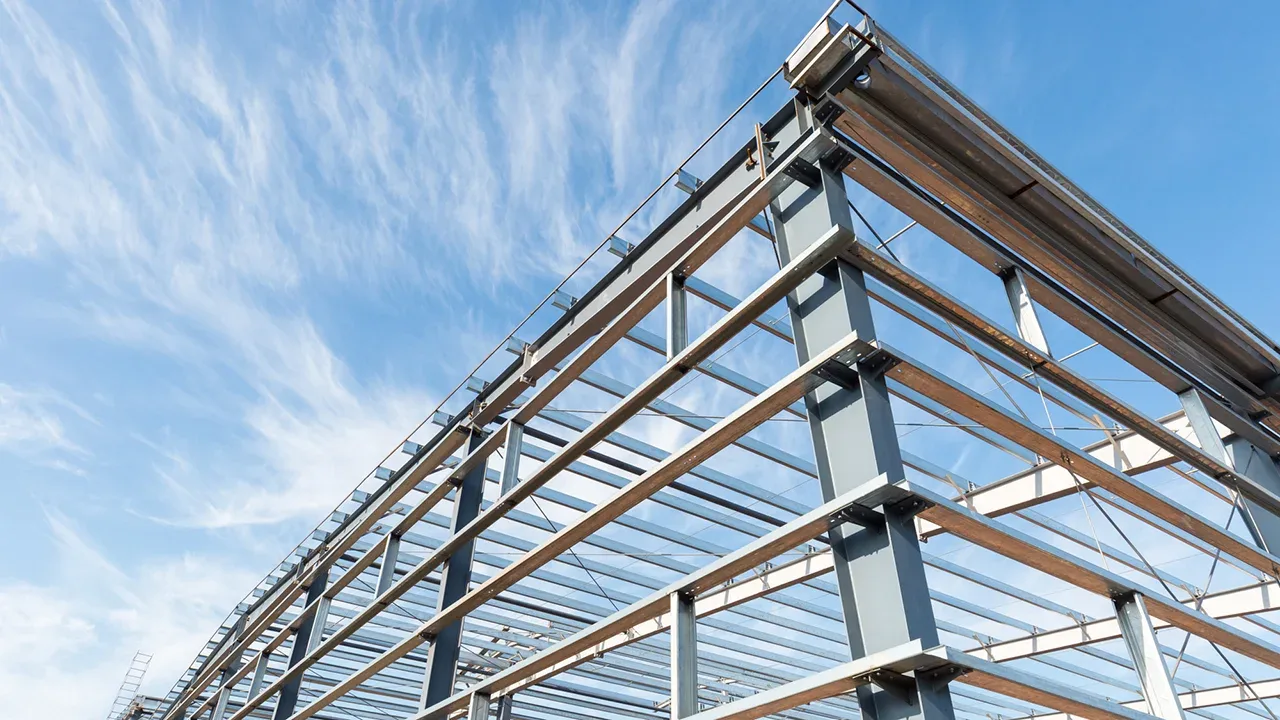
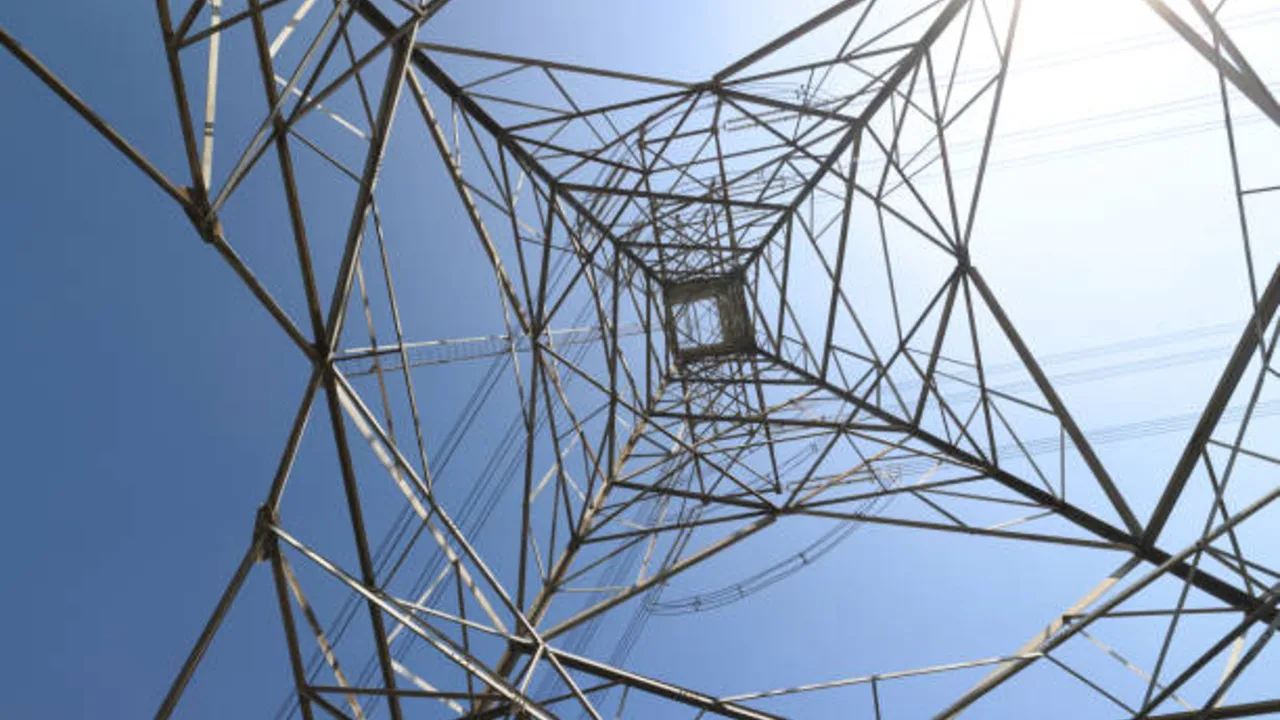
One of the most critical risks in steel construction high wind scenarios occurs during the erection phase. Before the structural system is fully connected, the framework lacks complete stability. Wind loads acting on partially assembled structures can introduce unexpected forces that lead to deformation or instability.
Temporary conditions are often more vulnerable than final structural states. Without sufficient bracing, even moderate wind can cause movement or misalignment, increasing the risk of structural failure during installation.
Lifting Operations Under Wind Restriction
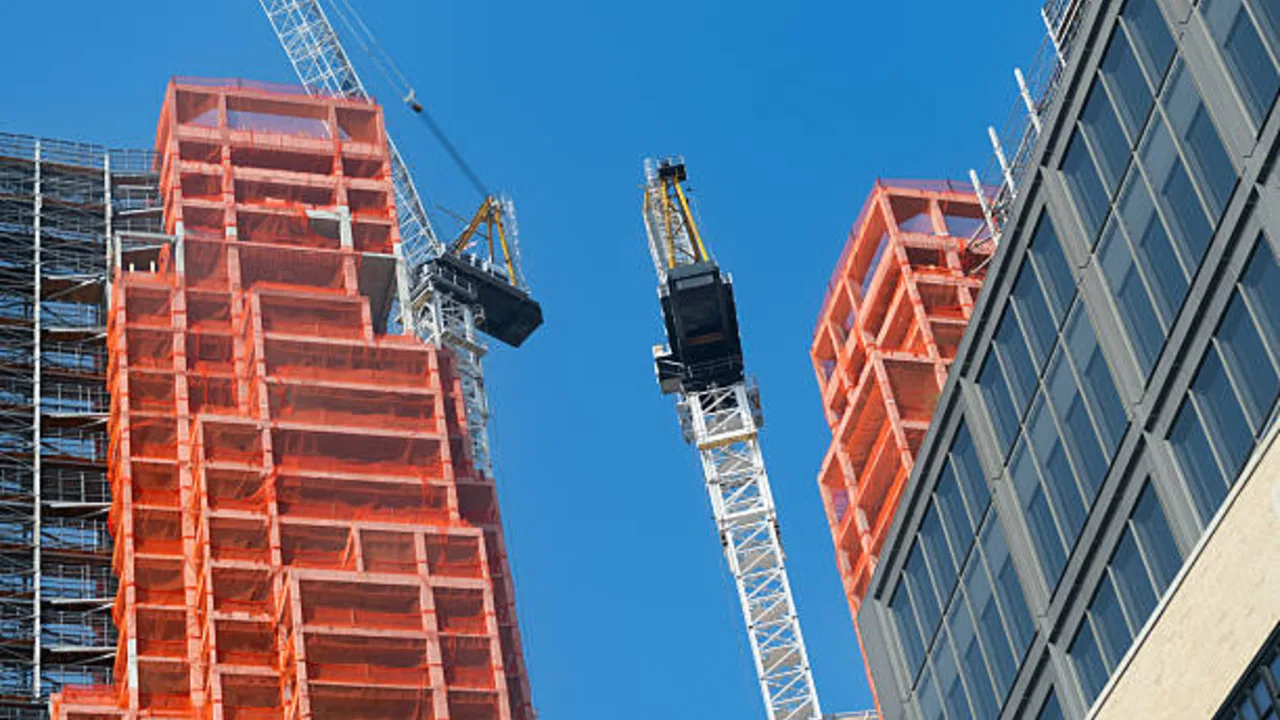
Lifting steel components under wind restriction is one of the most sensitive operations on site. Suspended loads are directly affected by wind, which can cause swinging, rotation, or loss of control.
Crane operations are governed by strict wind speed limits. When these limits are exceeded, lifting must be stopped immediately. This creates operational challenges, especially in projects with tight schedules where delays can impact overall progress.
Installation Accuracy and Alignment Issues
Wind does not only affect safety—it also impacts precision. During installation, steel components must be aligned accurately for bolting or welding. In steel construction high wind environments, even slight wind forces can shift components, making precise alignment difficult.
This can lead to installation delays, repeated adjustments, or additional labor requirements. Over time, these small inefficiencies accumulate and affect both schedule and cost.
Safety Risks for Workers
Worker safety is significantly affected by high wind conditions. Tasks performed at height become more hazardous as wind speed increases, particularly when handling large or irregularly shaped components.
Loss of balance, uncontrolled movement of materials, and reduced visibility during gusts all contribute to increased risk. Strict safety protocols and real-time monitoring are essential to mitigate these hazards.
Design Considerations for High Wind Steel Construction
Wind Load Analysis in the Design Phase
Effective management of steel construction high wind conditions begins at the design stage. Engineers must consider both permanent wind loads acting on the completed structure and temporary loads during construction.
Different international standards, such as EN, US, or GB codes, define how wind loads should be calculated. However, construction-phase loads are often more complex because the structure is not yet fully stable.
Temporary Bracing and Stability Systems
Temporary bracing systems are essential to maintain structural stability during erection. These systems provide additional support until the permanent structural framework is completed.
In high wind environments, temporary bracing must be carefully designed to resist lateral forces. Insufficient bracing can lead to structural movement, which compromises both safety and installation accuracy.
Connection Design for Wind Resistance
Connections play a critical role in transferring loads within a structure. In steel construction high wind scenarios, connections must be designed to accommodate both static and dynamic forces.
Bolted connections offer flexibility and ease of installation, while welded connections provide higher rigidity. The choice depends on the specific project requirements and wind exposure conditions.
Construction Planning Under Wind Restrictions
Wind Speed Monitoring Systems
Real-time wind monitoring is a fundamental requirement in high wind construction environments. Sensors installed on-site provide continuous data on wind speed and direction, allowing teams to make informed decisions.
These systems help define safe operating limits and trigger automatic work stoppages when thresholds are exceeded. In steel construction high wind projects, accurate data is critical for maintaining safety and efficiency.
Work Suspension Criteria
Clear criteria must be established for suspending construction activities. These criteria are typically based on wind speed thresholds defined by equipment manufacturers and safety regulations.
While work suspension affects productivity, it is essential for preventing accidents. Proper planning ensures that these interruptions are anticipated and managed effectively.
Scheduling Around Wind Windows
In environments with frequent wind fluctuations, construction schedules must adapt to available “wind windows”—periods when conditions are suitable for critical operations.
Planning lifting and installation activities within these windows helps maintain progress while adhering to wind restriction requirements. This approach requires flexibility and close coordination between project teams.
Equipment and Lifting Strategy in High Wind Conditions
Crane Selection and Wind Limits
Crane selection plays a critical role in steel construction high wind environments. Different crane types have varying wind tolerance levels, which directly influence operational decisions. Mobile cranes, for example, offer flexibility but may have lower wind resistance compared to tower cranes designed for vertical construction.
Each crane is associated with defined wind speed limits for safe operation. These limits are not only determined by the crane itself but also by the size, weight, and shape of the load being lifted. In high wind conditions, even a relatively light steel component can behave unpredictably due to increased surface area exposure.
Load Control Techniques
Managing suspended loads under wind restriction requires specialized techniques. Tag lines are commonly used to control the movement of lifted components, allowing workers to stabilize loads during positioning.
However, in stronger wind conditions, manual control becomes less effective. In such cases, lifting operations must be carefully timed or suspended entirely. This highlights the importance of integrating operational strategy with real-time environmental conditions.
Pre-Assembled Sections to Reduce Exposure Time
One of the most effective ways to minimize wind-related risks is to reduce the time components spend exposed at height. This can be achieved through the use of pre-assembled sections.
By assembling larger structural units at ground level and lifting them into position, the number of lifting operations can be reduced. This approach not only improves efficiency but also limits exposure to unstable wind conditions, making it a key strategy in steel construction high wind projects.
Installation Sequencing for Wind-Prone Sites
Rapid Stabilization Strategy
In high wind environments, achieving structural stability as quickly as possible is a priority. Installation sequences are often designed to close structural frames early, creating stable systems that can resist lateral forces.
This approach reduces the vulnerability of partially completed structures and improves overall safety during erection.
Sectional Installation Approach
Breaking down construction into smaller, manageable sections allows for better control under wind conditions. Smaller components are easier to handle and less affected by wind forces.
However, this approach may increase the number of lifting operations, requiring careful coordination to maintain efficiency.
Parallel vs Sequential Installation Under Wind Risk
Balancing parallel and sequential workflows is critical in steel construction high wind projects. While parallel operations can accelerate progress, they may increase congestion and safety risks.
Sequential installation provides greater control and reduces interference between activities, which is often preferred in environments with strict wind restriction conditions.
Project Management and Risk Control
Weather Risk Integration in Project Planning
Weather conditions, particularly wind, must be integrated into project planning from the outset. Historical data and forecasting tools are used to anticipate potential disruptions.
In steel construction high wind scenarios, scheduling must remain flexible to accommodate weather variability. Rigid planning can lead to delays and inefficient resource allocation.
Communication and Safety Protocols
Clear communication is essential for managing high wind risks. Site teams must be able to respond quickly to changing conditions, with well-defined protocols for stopping and resuming work.
Safety systems, including alarms and real-time alerts, play a critical role in ensuring that all personnel are aware of wind conditions and operational limits.
Cost and Schedule Impact of Wind Restrictions
Wind restriction has a direct impact on both cost and schedule. Work stoppages, equipment idle time, and extended project durations can significantly affect overall project performance.
Effective planning and risk mitigation strategies are essential to minimize these impacts and maintain project viability.
Real Project Insight: Steel Construction in High Wind Regions
A clear example of complex steel construction under environmental constraints can be seen in the Zhejiang East Canal Museum project. This project involved a large-span curved space truss structure with approximately 34,000 square meters of construction area and over 12,000 tons of steel.
The curved and non-linear geometry of the structure introduced additional complexity in how wind loads were distributed across the system. Unlike conventional straight-frame structures, curved trusses are more sensitive to torsional effects caused by wind, particularly during the erection phase.
During construction, the structure was highly vulnerable before full system integration. Temporary stability systems and carefully planned installation sequencing were essential to manage steel construction high wind risks. Components had to be installed in stages to ensure that structural loops were closed quickly, reducing exposure to wind forces.
This project demonstrates how advanced engineering design, combined with precise construction planning, can successfully address the challenges of high wind environments. It also highlights the importance of integrating design and execution strategies to ensure structural stability throughout the construction process.
Why Expertise Matters in High Wind Steel Construction
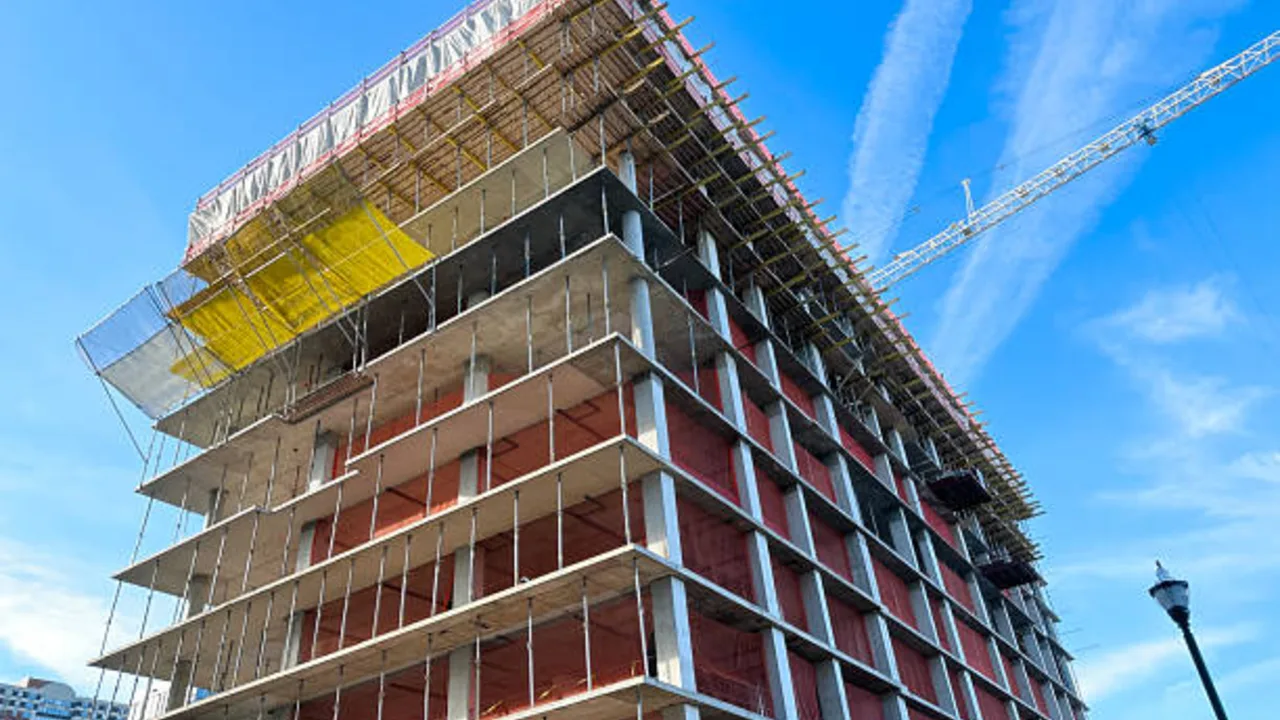
High wind construction is not only an engineering challenge—it is an execution challenge. The ability to manage wind conditions effectively depends on experience in planning, coordination, and on-site decision-making.
An experienced steel structure construction team understands how to integrate design, logistics, and sequencing into a cohesive system. This expertise allows for proactive risk management and efficient project delivery, even in challenging environments.
Conclusion
Wind is an invisible but powerful factor that significantly influences steel construction projects. In steel construction high wind environments, success depends on the integration of design, planning, and execution strategies.
From wind load analysis and temporary bracing to logistics planning and installation sequencing, every aspect of the project must be carefully coordinated. By addressing wind restriction proactively, projects can achieve both safety and efficiency.
Ultimately, the ability to adapt to environmental conditions is what defines successful steel construction in high wind regions.
FAQ
What wind speed stops steel construction?
Wind speed limits vary depending on equipment and project conditions, but lifting operations are typically stopped when safety thresholds are exceeded.
Why is wind critical during steel erection?
Because structures are not fully stable during erection, making them more vulnerable to wind forces.
How do cranes operate in high wind?
Cranes operate within defined wind limits and must stop lifting when conditions become unsafe.
What is wind restriction in construction?
It refers to operational limits set based on wind speed to ensure safety during construction activities.
Can steel structures be installed in windy conditions?
Yes, but only within safe wind limits and with proper planning and control measures.
How is safety managed in high wind sites?
Through real-time monitoring, strict protocols, and controlled work suspension criteria.
Does wind affect construction cost?
Yes, delays, idle equipment, and extended schedules can increase project costs.
How to plan projects in windy regions?
By integrating weather data, flexible scheduling, and risk management strategies into project planning.