In modern construction projects, quality control is not optional—it is a fundamental requirement for safety, performance, and long-term durability. One of the most effective tools to ensure construction quality is a well-structured steel construction inspection checklist. From material verification to final structural validation, inspection procedures play a critical role in minimizing risk and maintaining consistency across all phases of a project.
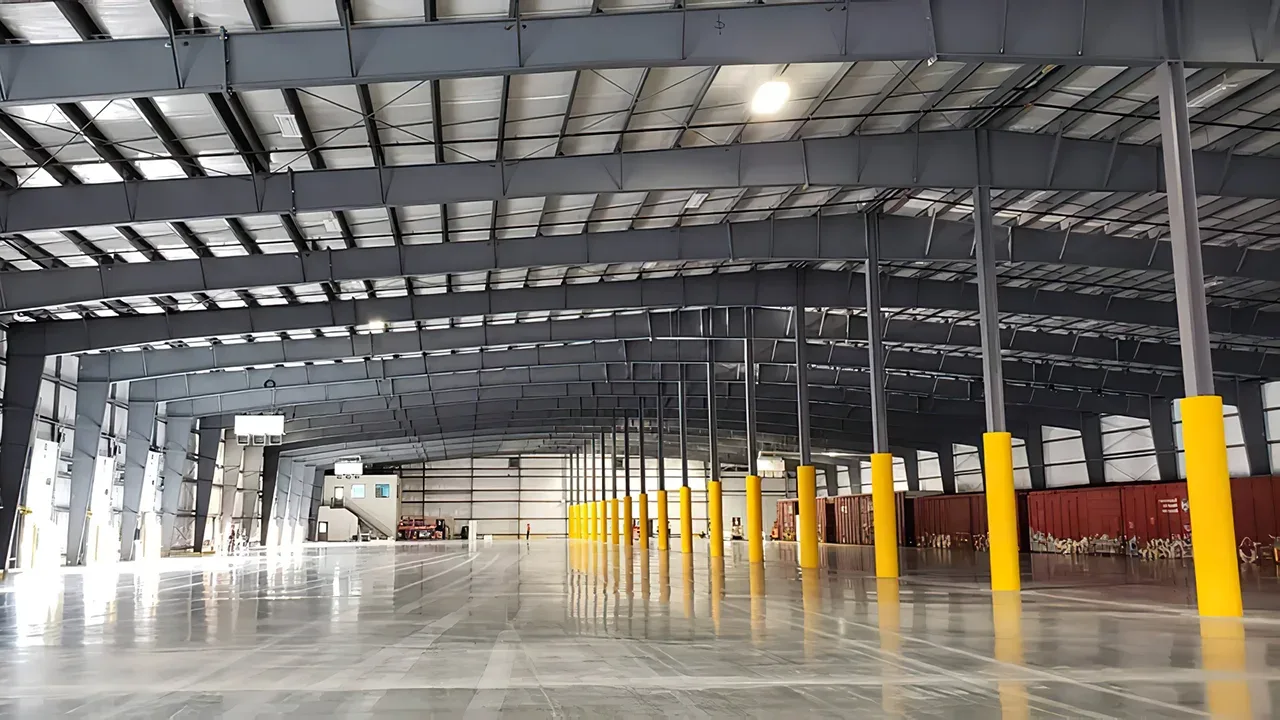
Steel structures, widely used in industrial buildings, warehouses, and infrastructure, require precise coordination between design, fabrication, and on-site assembly. Without systematic site inspection and proper QA processes, even small deviations can lead to structural inefficiencies, safety hazards, or costly rework. A standardized steel construction inspection checklist ensures that every stage of construction meets engineering requirements and regulatory standards.
This article outlines a comprehensive inspection framework, covering pre-construction preparation, on-site erection checks, and post-construction verification. By understanding these processes, project teams can improve execution quality and reduce long-term risks.
Overview of Steel Construction Inspection Process
The inspection process in steel construction is typically divided into three main stages: pre-construction, during construction, and post-construction. Each stage addresses specific risks and quality requirements, contributing to the overall effectiveness of the steel construction inspection checklist.
Pre-Construction Inspection Stage
Before any physical work begins, inspection focuses on materials, documentation, and readiness. Engineers verify that all steel components meet design specifications and quality standards. This stage of the steel construction inspection checklist helps prevent issues that could escalate during construction.
Material certification, fabrication drawings, and supplier documentation must be reviewed carefully. Any inconsistency at this stage can affect the entire project timeline and performance.
During Construction Inspection Stage
Once erection begins, continuous site inspection becomes essential. Inspectors monitor alignment, connection integrity, and structural stability as components are assembled. The steel construction inspection checklist ensures that installation follows the correct sequence and meets tolerance requirements.
Real-time inspection allows teams to detect deviations early, reducing the likelihood of structural issues and costly corrections later in the project.
Post-Construction Inspection Stage
After structural assembly is complete, final inspection verifies that all elements perform as intended. This includes load testing, structural alignment checks, and documentation review. The steel construction inspection checklist at this stage confirms readiness for operation and compliance with design standards.
Pre-Construction Inspection Checklist
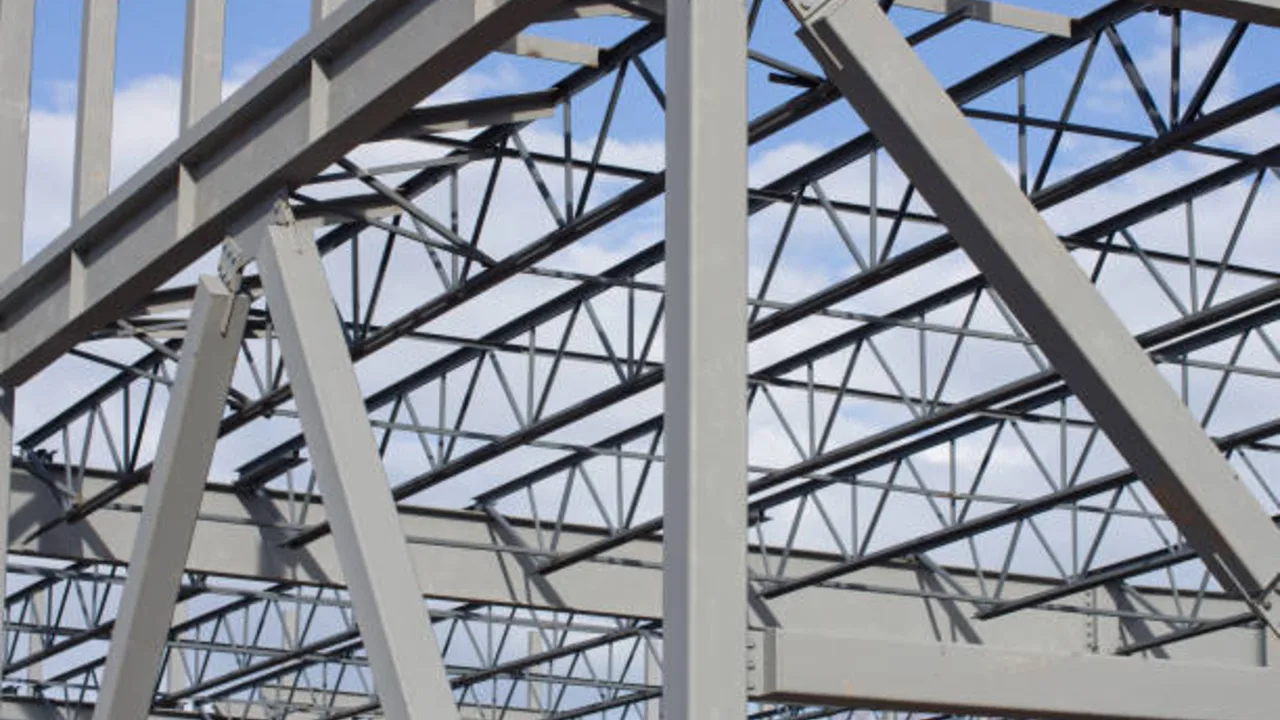
The pre-construction phase establishes the foundation for project success. A detailed steel construction inspection checklist ensures that materials, fabrication, and site conditions are fully prepared before erection begins.
Material Quality Verification
Material inspection is the first step in ensuring structural integrity. Steel components must comply with specified grades and mechanical properties. Inspectors review mill test reports (MTR) and verify chemical composition and strength characteristics.
Surface condition is equally important. Corrosion, cracks, or manufacturing defects can compromise performance. Identifying these issues early helps avoid structural risks and ensures compliance with quality standards.
Fabrication Accuracy Check
Fabrication accuracy directly impacts on-site assembly. Components must meet dimensional tolerances defined in design drawings. The steel construction inspection checklist includes verification of lengths, hole alignment, and connection geometry.
Proper labeling and traceability are also critical. Each component should be identifiable to ensure correct installation and quality tracking throughout the project lifecycle.
Site Readiness Inspection
Before erection begins, the construction site must be fully prepared. Foundations should be completed and inspected for level accuracy and load-bearing capacity. Anchor bolt positioning must match design specifications to ensure proper column installation.
Equipment readiness is another key factor. Cranes, lifting tools, and temporary supports must be inspected for safety and functionality. Effective site inspection at this stage reduces delays and enhances construction efficiency.
Steel Construction Inspection Checklist During Erection
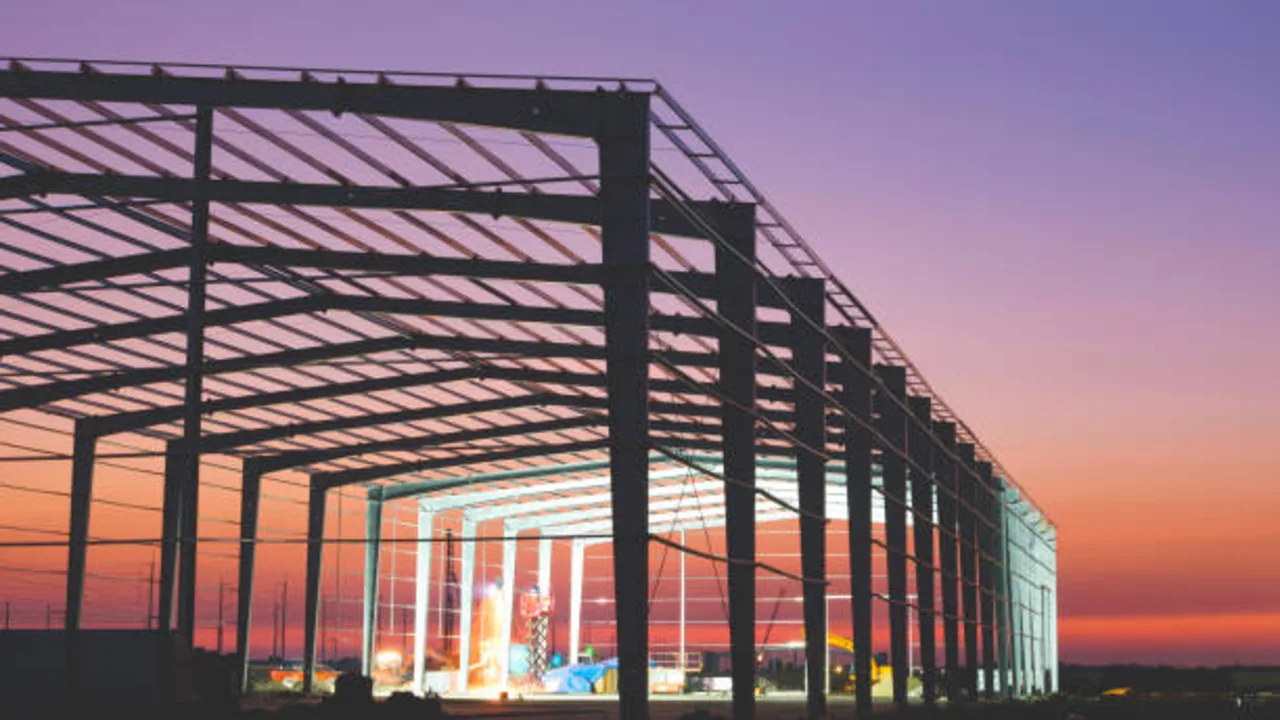
The erection phase is one of the most critical stages in steel construction. Errors during installation can lead to structural instability or alignment issues. A detailed steel construction inspection checklist ensures that all elements are installed correctly and safely.
Structural Alignment and Positioning
Accurate alignment is essential for load distribution and structural performance. Columns must be installed vertically within allowable tolerances, while beams must be positioned correctly to ensure proper connection.
Inspectors use measurement tools to verify alignment and levelness. Any deviation must be corrected immediately to prevent cumulative errors that could affect the entire structure.
Bolting Inspection
Bolted connections play a vital role in structural stability. The steel construction inspection checklist includes verification of bolt type, grade, and installation procedure. Proper torque application is necessary to achieve the required connection strength.
Incorrect tightening can result in connection failure or reduced load capacity. Inspectors ensure that bolts are installed according to specified sequences and standards.
Welding Quality Inspection
Welding is another critical component of steel construction. The steel construction inspection checklist requires verification of weld size, type, and quality. Visual inspection identifies surface defects, while non-destructive testing (NDT) may be used to detect internal flaws.
High-quality welding ensures effective load transfer and structural integrity. Poor welds can lead to stress concentration and potential failure under load conditions.
Safety and Site Inspection
Safety is an integral part of the inspection process. Inspectors evaluate compliance with safety regulations, including worker protection, equipment condition, and temporary support systems.
Proper site inspection not only ensures worker safety but also contributes to overall project quality. Unsafe conditions can disrupt construction and increase project risk.
QA Procedures in Steel Structure Construction
Quality assurance (QA) procedures ensure that inspection results are documented and aligned with project requirements. A structured steel construction inspection checklist integrates QA processes to maintain consistency and accountability throughout construction.
Documentation and Compliance
Accurate documentation is essential for quality control. Inspection reports, checklists, and test results provide evidence of compliance with design specifications and regulatory standards. These records are critical for project verification and future reference.
Standards such as those defined by the American Institute of Steel Construction guide inspection and QA practices, ensuring consistency across projects.
Third-Party Inspection and Certification
In many projects, independent inspectors are involved to verify construction quality. Third-party inspection adds an additional layer of assurance, ensuring that all aspects of the steel construction inspection checklist are properly implemented.
Certification from recognized authorities enhances project credibility and confirms compliance with industry standards.
Common Issues Identified During Steel Construction Inspection
Even with a structured steel construction inspection checklist, various issues can arise during construction. Identifying and addressing these problems early is essential to maintaining structural integrity and minimizing rework.
- Misalignment: Incorrect positioning of columns or beams can lead to uneven load distribution and structural instability.
- Welding Defects: Incomplete penetration, cracks, or porosity can compromise connection strength.
- Improper Bolting: Incorrect torque or bolt type reduces connection reliability and load capacity.
- Material Inconsistencies: Using non-compliant materials can affect structural performance and safety.
Regular site inspection ensures that these issues are detected and corrected promptly, preventing long-term performance problems.
Real Project Case: Inspection Challenges in Steel Structure Construction
A large-scale industrial project in Southeast Asia highlights the importance of a detailed steel construction inspection checklist. The project involved a multi-span steel facility designed for heavy manufacturing operations, requiring precise alignment and high load-bearing performance.
During the erection phase, site inspection identified slight misalignment in several primary columns. Although the deviation was within acceptable limits initially, further analysis revealed that cumulative tolerances could affect beam connections and overall structural geometry.
The inspection team immediately halted installation and conducted a detailed review. Adjustments were made to column positioning, and additional measurements were implemented to ensure compliance with design specifications. This proactive approach prevented potential structural inefficiencies and avoided costly rework at later stages.
In another instance, welding inspection revealed inconsistencies in weld quality at critical connection points. Non-destructive testing confirmed internal defects in several welds. These areas were repaired and re-tested, ensuring that the final structure met all safety and performance requirements.
This case demonstrates how a well-executed steel construction inspection checklist, combined with thorough QA procedures, can significantly improve project outcomes and reduce risk.
Best Practices for Effective Inspection Workflow
Implementing best practices enhances the effectiveness of inspection processes and ensures consistent quality across projects. A comprehensive steel construction inspection checklist should be supported by clear procedures and experienced personnel.
Standardized Inspection Procedures
Establishing standardized inspection protocols ensures consistency and reduces variability. Checklists should be clearly defined and aligned with project specifications, allowing inspectors to follow a systematic approach during site inspection.
Skilled Inspection Teams
Qualified inspectors with technical expertise play a crucial role in identifying potential issues. Training and experience enable inspection teams to interpret design requirements accurately and apply QA standards effectively.
Use of Digital Inspection Tools
Modern construction projects increasingly utilize digital tools for inspection and documentation. Mobile applications, real-time reporting systems, and digital checklists improve accuracy and efficiency, making the steel construction inspection checklist more effective and easier to manage.
How Inspection Impacts Structural Safety and Performance
Inspection directly influences structural safety and long-term performance. By ensuring proper installation and material quality, the steel construction inspection checklist helps maintain reliable load transfer and structural stability.
Accurate inspection also contributes to durability. Identifying defects early prevents progressive damage, reducing maintenance requirements and extending the lifespan of the structure.
From a risk management perspective, thorough inspection minimizes the likelihood of structural failure, protecting both assets and personnel.
Why a Steel Construction Inspection Checklist Is Critical
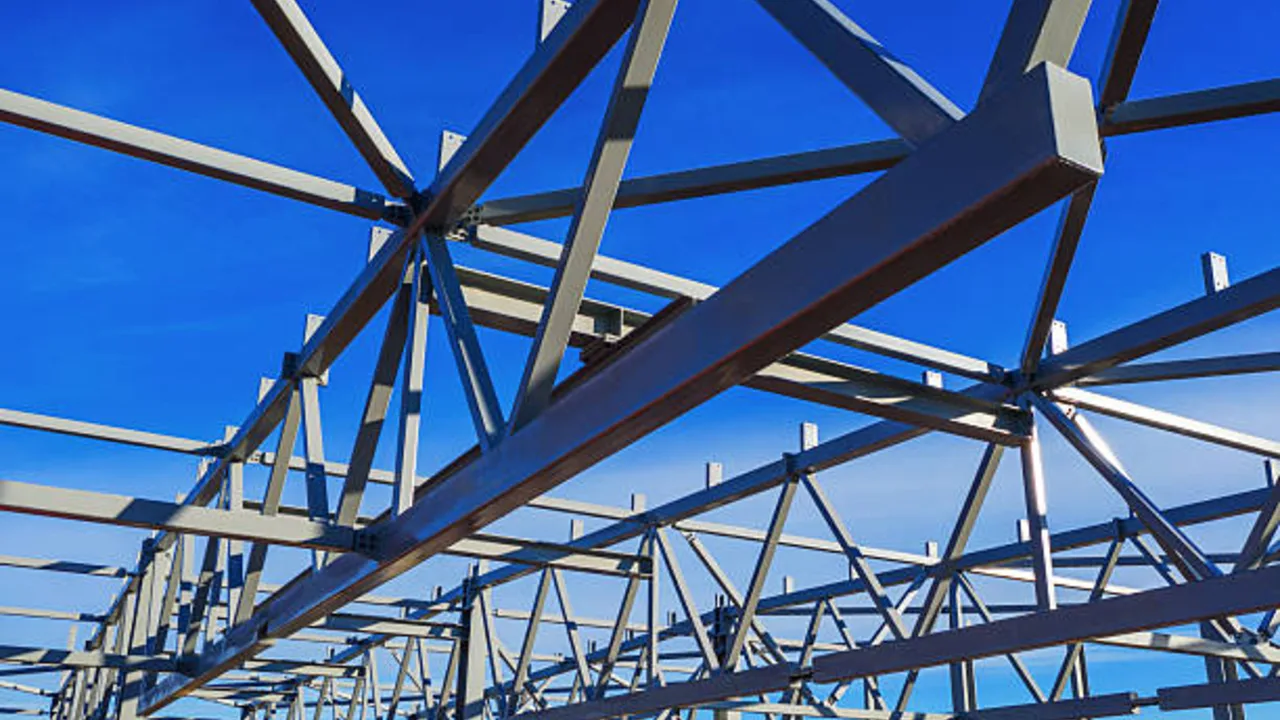
A structured steel construction inspection checklist is essential for maintaining quality and efficiency in construction projects. It provides a clear framework for inspection activities, ensuring that no critical step is overlooked.
By identifying issues early, the checklist helps prevent costly errors and delays. It also supports compliance with engineering standards and regulatory requirements, enhancing project credibility.
For projects requiring reliable execution and quality assurance, working with professionals experienced in steel structure construction ensures that inspection processes are effectively implemented and aligned with industry best practices.
Conclusion
Steel construction projects demand precision, coordination, and strict quality control. A comprehensive steel construction inspection checklist provides the foundation for achieving these objectives, covering every stage from pre-construction to final verification.
By integrating systematic site inspection and QA procedures, project teams can improve construction quality, reduce risks, and ensure long-term structural performance. In today’s competitive construction environment, effective inspection is not just a requirement—it is a strategic advantage.