In modern construction projects, obtaining permits is not just a procedural step—it is a critical foundation for project execution. This is especially true in steel structure projects, where technical complexity, safety considerations, and regulatory compliance are significantly higher than in conventional construction. The steel construction permit process ensures that every aspect of the project, from design to execution, meets legal and engineering standards before any physical work begins.
Without proper permits, even well-designed steel projects can face delays, legal penalties, or complete shutdowns. More importantly, the absence of structured approval increases the risk of safety failures, structural issues, and long-term operational problems. For developers, contractors, and investors, understanding how permit workflows operate is essential to maintaining project certainty.
In today’s global construction environment, permit systems are becoming more complex due to the involvement of multiple authorities. Structural integrity, fire safety, environmental compliance, and infrastructure coordination must all be reviewed separately. This makes the steel construction permit process not just a checklist, but a coordinated system of approvals that directly impacts project timelines and costs.
Understanding the Steel Construction Permit Process
What Is a Construction Permit in Steel Projects
A construction permit is an official authorization issued by regulatory authorities that allows a project to proceed according to approved plans. In steel structure projects, permits go beyond basic approval. They require detailed engineering validation, ensuring that every structural component—from beams to connections—meets safety and performance standards.
Unlike traditional construction, steel structures rely heavily on prefabrication and precise engineering. This means that errors in design cannot be easily corrected on-site. As a result, authorities place greater emphasis on reviewing technical documentation during the approval stage.
Why Permits Are Critical in Steel Structure Construction
The importance of permits extends across multiple dimensions. Legally, they ensure that the project complies with national and local regulations. From a safety perspective, they verify that the structure can withstand loads, environmental forces, and operational demands.
Permits also play a key role in risk management. Insurance providers often require approved permits before coverage is granted. In addition, investors and stakeholders rely on the permit process as proof of project feasibility and compliance.
Ultimately, the steel construction permit process acts as a control mechanism that protects all parties involved in the project lifecycle.
Key Authorities Involved in Approval
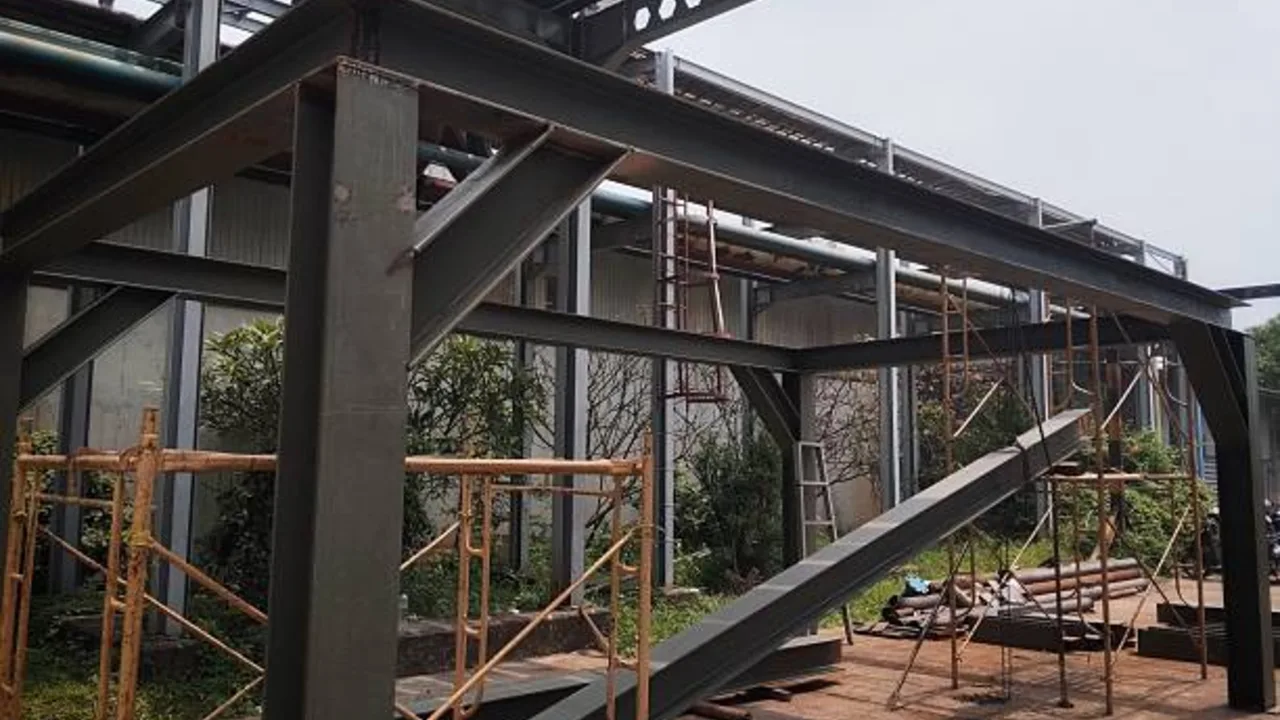
Local Government & Municipal Authorities
Local authorities are typically the first point of contact in the permit process. They evaluate zoning compliance, land use permissions, and general building regulations. Without approval at this level, the project cannot proceed further.
Zoning regulations determine whether a steel structure—such as a factory, warehouse, or industrial facility—is allowed in a specific location. This step often defines the feasibility of the entire project.
Structural & Engineering Review Bodies
Engineering authorities are responsible for reviewing the technical aspects of the project. This includes structural calculations, connection design, and compliance with international or local standards such as EN, ASTM, or GB codes.
Because steel structures involve prefabricated elements, the accuracy of engineering design is critical. Authorities must ensure that the structure will perform as intended under various load conditions, including wind, seismic activity, and operational loads.
Fire Safety & Environmental Agencies
Steel structures, particularly industrial facilities, must meet strict fire safety requirements. Fire authorities review evacuation plans, fireproofing systems, and material performance under high temperatures.
Environmental agencies assess the project’s impact on surrounding areas. This includes emissions, waste management, and construction-related disturbances. In many regions, environmental approval is a mandatory step before construction permits can be issued.
Utility & Infrastructure Departments
Modern steel projects must integrate seamlessly with existing infrastructure. Utility departments review connections to power, water, drainage, and transportation systems.
Failure to coordinate with these departments can lead to major delays during construction. For example, insufficient power supply planning can halt operations even after structural completion.
Step-by-Step Steel Construction Permit Process
Step 1 – Land Use & Zoning Approval
The first stage in the steel construction permit process is confirming that the project complies with land use regulations. Authorities verify whether the site is designated for industrial, commercial, or mixed-use development.
This step may seem administrative, but it has a direct impact on project viability. If the land classification does not match the project type, developers may need to apply for rezoning, which can significantly delay the project.
Step 2 – Concept Design Submission
Once zoning approval is secured, the next step involves submitting a concept design. This includes general layout plans, preliminary structural concepts, and intended building functions.
Authorities review these documents to assess feasibility and identify potential issues early. This stage helps reduce the risk of major revisions later in the process.
Step 3 – Detailed Engineering Review
This is one of the most critical stages in the approval workflow. Engineers must submit detailed drawings, structural calculations, and fabrication specifications.
For steel structures, this includes connection details, load distribution analysis, and material specifications. Because steel components are manufactured off-site, accuracy at this stage is essential.
Any inconsistency or missing information can lead to rejection or requests for revision, extending the approval timeline.
Step 4 – Multi-Authority Approval Coordination
At this stage, the project enters a complex coordination phase involving multiple authorities. Structural, fire, environmental, and utility approvals often occur simultaneously but are interdependent.
This creates one of the biggest challenges in the steel construction permit process: synchronization. A delay from one authority can affect the entire approval chain.
Effective coordination between stakeholders is essential to prevent bottlenecks and maintain project momentum.
Step 5 – Final Permit Issuance
Once all approvals are obtained, the final construction permit is issued. This document officially authorizes the project to begin construction.
However, permits often include conditions that must be followed during execution. These may relate to safety procedures, inspection requirements, or environmental controls.
Failing to comply with these conditions can result in penalties or suspension of work.
Typical Permit Timeline & Bottlenecks
Average Approval Timeline
The duration of the steel construction permit process can vary significantly depending on project scale, location, and regulatory complexity. In general, most steel structure projects require between two to six months to obtain full approval.
Smaller projects with standard designs may move faster, while large industrial facilities often require extended review periods due to the number of authorities involved. International projects may also face additional layers of approval, particularly when foreign standards or imported materials are used.
Common Delays in the Steel Construction Permit Process
Despite careful planning, delays are common in permit approval workflows. One of the most frequent causes is incomplete or inconsistent documentation. Missing structural details, unclear specifications, or incorrect calculations can lead to repeated revisions.
Another major challenge is coordination between authorities. Since multiple departments review different aspects of the project, misalignment in communication can slow down approvals.
Design changes during the review phase also contribute to delays. Even small adjustments in structural design can trigger re-evaluation across multiple approval bodies.
Timeline Comparison Table
| Phase | Typical Duration | Risk Level | Main Delay Factor |
|---|---|---|---|
| Zoning Approval | 2–4 weeks | Medium | Land classification issues |
| Concept Design Review | 2–6 weeks | Medium | Incomplete initial submission |
| Engineering Approval | 4–8 weeks | High | Structural revisions |
| Multi-Authority Coordination | 4–12 weeks | High | Inter-agency delays |
| Final Permit Issuance | 1–2 weeks | Low | Documentation verification |
Documentation Required for Authority Approval
Technical Documents
Technical documentation forms the backbone of the approval process. Authorities require detailed structural drawings, load calculations, connection designs, and material specifications.
These documents must demonstrate that the structure meets all applicable codes and can safely support operational demands. In steel projects, precision is critical because fabrication occurs off-site and leaves little room for adjustment during installation.
Legal & Administrative Documents
Beyond engineering data, projects must include legal documentation such as land ownership certificates, contractor licenses, and project registration forms. These ensure that the project is legally authorized and that all parties involved are qualified.
Failure to provide complete legal documentation can halt the approval process regardless of technical readiness.
Safety & Compliance Reports
Safety documentation is equally important. This includes fire protection plans, evacuation strategies, and environmental impact assessments.
Authorities rely on these reports to verify that the project aligns with public safety and environmental standards before granting approval.
Role of Engineering & Contractor in Approval Flow
Design Responsibility
Engineers play a critical role in ensuring that all submitted designs comply with relevant codes and standards. Their responsibility goes beyond calculations—they must anticipate potential issues during construction and operation.
A well-prepared engineering submission can significantly accelerate the steel construction permit process by reducing the need for revisions.
Contractor Coordination
Contractors are responsible for managing the submission process and coordinating communication between different authorities. This includes tracking approval status, responding to feedback, and ensuring that all documentation remains consistent.
Working with an experienced steel structure building construction partner can make a substantial difference in navigating complex approval workflows. Experienced teams understand regulatory expectations and can proactively address potential issues.
Digitalization of Permit Approval (Modern Trend)
Online Submission Systems
Many regions are adopting digital platforms for permit submission and review. These systems streamline documentation, reduce paperwork, and improve transparency in the approval process.
Applicants can track progress in real time, respond quickly to authority feedback, and minimize administrative delays.
BIM Integration in Approval
Building Information Modeling (BIM) is increasingly being used in permit approval workflows. By providing a digital representation of the structure, BIM allows authorities to review designs more accurately.
This technology enables clash detection, real-time validation, and better coordination between stakeholders, reducing the likelihood of approval delays.
Common Mistakes in Permit Applications
Several common mistakes can negatively impact the approval process. One of the most frequent issues is inaccurate load assumptions, which can lead to design rejection.
Incomplete documentation is another major problem. Missing drawings, unclear specifications, or inconsistent data can delay approvals significantly.
Poor coordination between stakeholders also contributes to inefficiencies. Without clear communication, updates and revisions may not be properly aligned across all parties.
Best Practices to Speed Up Authority Approval

To improve efficiency, project teams should engage with authorities early in the planning phase. This helps clarify requirements and avoid unexpected issues during submission.
Ensuring complete and accurate documentation is essential. Every detail must be verified before submission to reduce the likelihood of revision requests.
Finally, working with experienced engineering and construction teams can greatly enhance approval efficiency. Their expertise allows them to anticipate challenges and navigate regulatory processes effectively.
Real Project Insight – Shanghai Bankcard Industrial Park Steel Structure Assembly Building
A practical example of how the steel construction permit process works in real-world conditions can be seen in the Shanghai Bankcard Industrial Park Lot 8 Steel Structure Assembly Building. This project reflects the complexity of coordinating approvals for large-scale industrial developments in highly regulated urban environments.
Located in Shanghai, the project required strict compliance with municipal regulations, structural engineering standards, and multi-department authority approval. As part of an industrial park development, the building had to align with zoning requirements, infrastructure integration, and performance expectations for modern assembly facilities. :contentReference[oaicite:0]{index=0}
One of the key challenges in this project was the synchronization of multiple approval layers. Structural design validation, fire safety compliance, and utility coordination had to be reviewed in parallel. This required precise documentation and early-stage planning to ensure that each approval stage did not delay the overall timeline.
The project also demonstrates the importance of engineering-led submission strategies. By delivering complete and accurate structural drawings, material specifications, and fabrication details upfront, the approval cycle was significantly streamlined. This reduced the need for repeated revisions, which is a common bottleneck in the steel construction permit process.
In addition, close coordination between the contractor and regulatory bodies played a critical role. Continuous communication allowed the project team to respond quickly to authority feedback and maintain alignment across different approval agencies.
This case highlights a key takeaway: successful permit approval is not only about meeting technical requirements, but also about managing coordination across stakeholders. In complex urban projects like Shanghai Bankcard Industrial Park, the ability to navigate the steel construction permit process efficiently can directly impact project delivery speed and overall construction certainty.
Conclusion
The steel construction permit process is a critical component of any steel structure project. It ensures compliance, enhances safety, and provides a structured pathway from design to execution.
By understanding authority requirements, preparing comprehensive documentation, and coordinating effectively across stakeholders, project teams can significantly improve approval efficiency.
In an increasingly complex regulatory landscape, mastering the permit process is not just an advantage—it is essential for delivering successful and reliable steel construction projects.