Large-scale steel construction projects are complex undertakings that involve multiple stakeholders, tight schedules, heavy materials, and high safety requirements. From fabrication and transportation to on-site erection, every phase carries potential risks that can impact cost, time, and overall project success. This is why steel construction risk management plays a critical role in ensuring projects are delivered safely, on schedule, and within budget.
Effective risk management is not about eliminating uncertainty entirely, but about identifying, assessing, and mitigating risks before they escalate into costly problems. In large steel construction projects, unmanaged risks often result in delays, safety incidents, contractual disputes, and long-term structural issues.
Understanding Steel Construction Risk Management
Steel construction risk management refers to the systematic and continuous process of identifying potential risks, evaluating their likelihood and impact, and implementing effective strategies to reduce or control those risks throughout the entire project lifecycle. This process starts from early planning and design, continues through fabrication and logistics, and extends into on-site erection and final commissioning.
In steel construction, risks are not isolated events. They are interconnected factors that can influence cost, schedule, safety, and structural performance simultaneously. Poorly managed risks at one stage—such as design or fabrication—often cascade into larger problems during installation or operation.
Compared to smaller construction works, large steel projects—such as factories, warehouses, stadiums, and industrial plants—face significantly higher exposure to technical, operational, and safety-related risks. These projects commonly involve long-span structural members, heavy lifting operations, complex steel connections, and tight tolerances that demand precise coordination between design, fabrication, and erection teams operating across different locations.
The complexity of large steel construction projects also increases the need for clear communication and decision-making. Design changes, fabrication adjustments, or site constraints must be managed carefully to prevent disruptions that could affect multiple project stages at once.
At its core, steel construction risk management aims to achieve the following objectives:
- Minimizing project delays caused by technical issues, material shortages, fabrication bottlenecks, or logistical disruptions that can interrupt erection sequences and critical construction activities.
- Reducing safety risk during fabrication and installation, particularly in high-risk activities such as welding, heavy lifting, and working at height, where accidents can have severe consequences.
- Controlling cost overruns related to rework, design changes, or quality failures by identifying potential issues early and applying preventive measures instead of corrective actions.
- Ensuring compliance with engineering standards, project specifications, and regulatory requirements to maintain structural integrity, legal conformity, and long-term performance.
When applied effectively, steel construction risk management transforms uncertainty into manageable variables. Instead of reacting to problems after they occur, project teams are equipped to anticipate challenges, allocate responsibilities clearly, and make informed decisions that protect both people and project outcomes.
For large-scale steel construction projects, this proactive approach is not merely a best practice—it is a fundamental requirement for achieving predictable schedules, controlled costs, and safe execution.
Common Risks in Large Steel Construction Projects
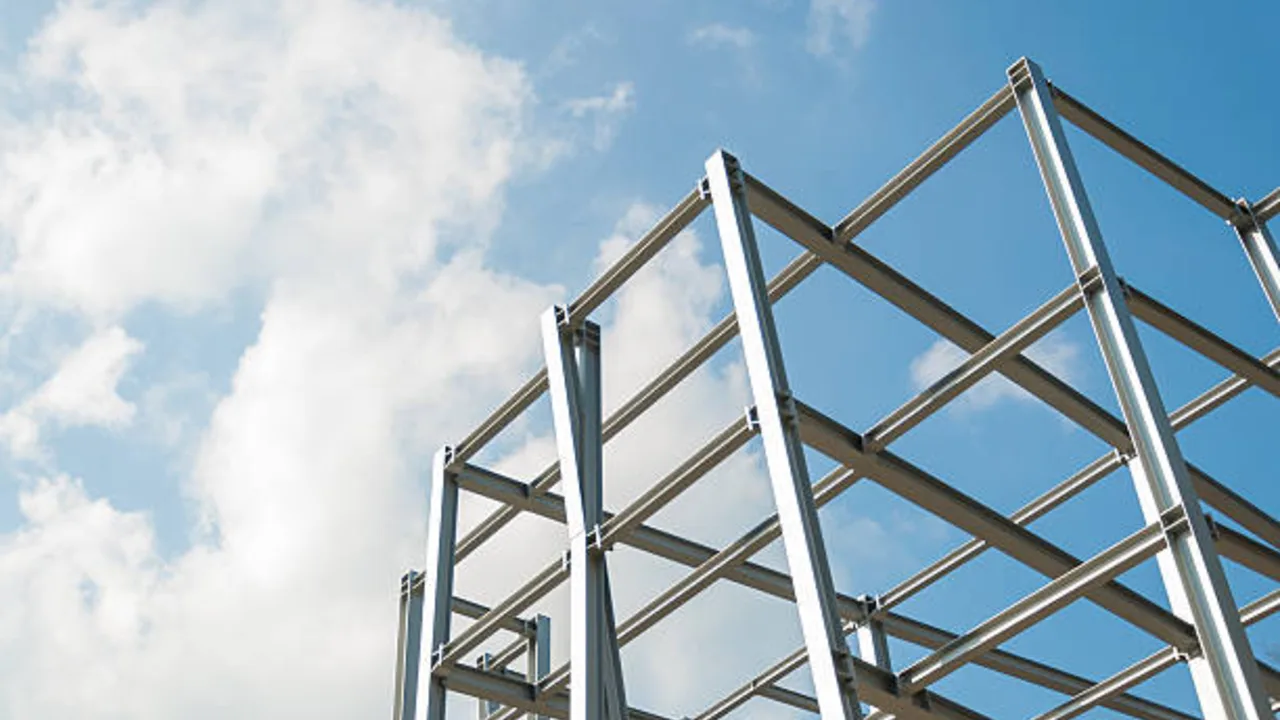
Design and Engineering Risks
Errors or omissions in structural design can have serious consequences. Inaccurate load calculations, unclear connection details, or insufficient consideration of dynamic loads may lead to redesign, fabrication delays, or structural safety concerns.
Risk mitigation at this stage includes thorough design reviews, peer checks, and close coordination between structural engineers and fabrication teams.
Delays in Fabrication and Supply Chain
Steel construction projects are highly dependent on timely material procurement and fabrication. Delays in steel plate supply, fabrication bottlenecks, or transportation disruptions can significantly affect the project schedule.
Effective steel construction risk management requires early supplier engagement, buffer planning, and clear fabrication schedules aligned with site erection sequences.
On-Site Erection and Installation Risks
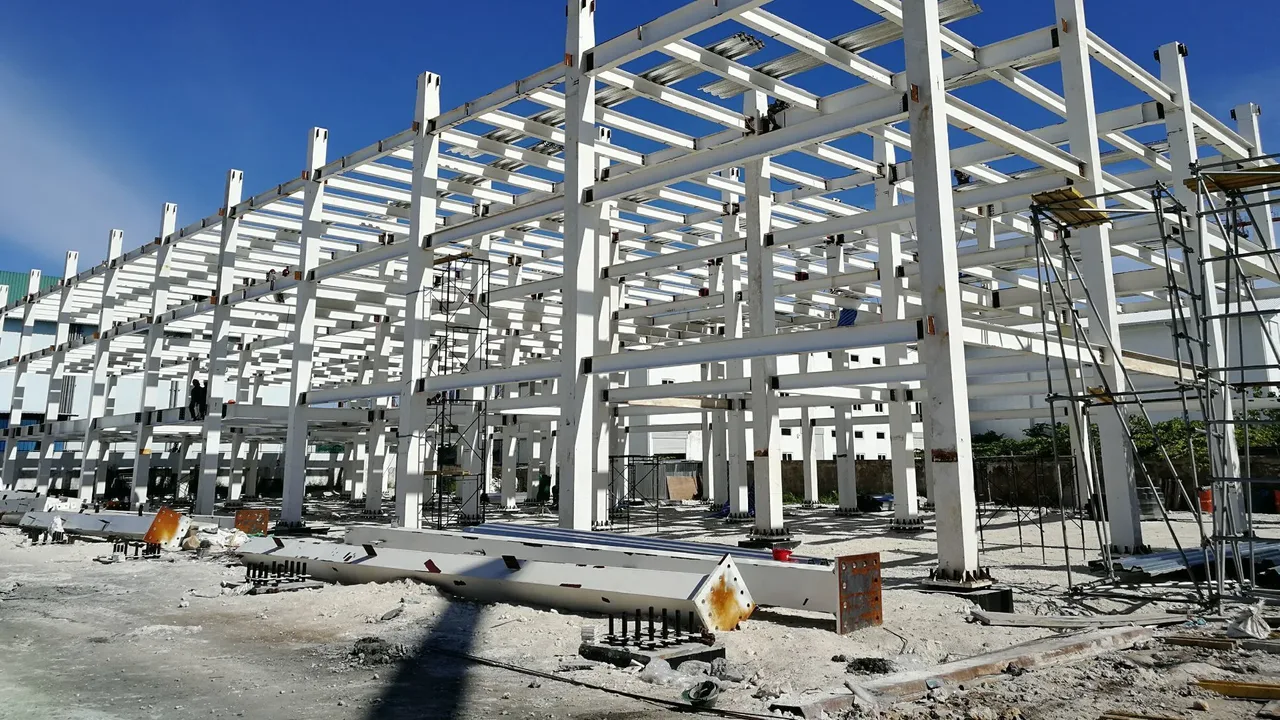
Erection is one of the most risk-intensive phases of steel construction. Heavy lifting operations, working at height, and tight installation tolerances increase both safety risk and the likelihood of rework.
Common issues include crane availability, improper lifting plans, and misalignment during assembly. These risks can be reduced through detailed method statements, experienced erection teams, and strict on-site supervision.
Safety Risks
Safety risk is one of the most critical concerns in large steel construction projects. Accidents during lifting, welding, or working at height can lead to injuries, work stoppages, and legal consequences.
Proactive safety planning, toolbox meetings, certified equipment, and proper training are essential components of steel construction risk management.
Managing Delays in Steel Construction Projects
Delays are among the most common and costly risks in large steel projects. They can originate from design changes, late approvals, weather conditions, or coordination failures between trades.
- Finalize structural designs early and limit late-stage changes
- Establish realistic construction schedules with contingency buffers
- Coordinate closely between fabrication, logistics, and erection teams
- Monitor progress continuously and adjust plans proactively
By addressing delays as a core element of steel construction risk management, project owners can maintain better control over timelines and costs.
Safety Risk Management in Steel Construction
Safety risk management goes beyond regulatory compliance. It requires a proactive culture that prioritizes prevention over reaction.
- Risk assessments for each construction activity
- Certified lifting plans for heavy steel components
- Proper personal protective equipment (PPE)
- Regular safety audits and inspections
- Clear communication between supervisors and workers
In large projects, even small lapses in safety procedures can escalate quickly. Integrating safety risk into the broader steel construction risk management framework ensures continuous attention at every stage.
Role of Contractors and Project Partners
The capability of contractors plays a decisive role in managing construction risks. Working with an experienced
steel structure construction company can significantly reduce exposure to technical and operational risks.
- Proven fabrication and erection methodologies
- Strong quality control systems
- Knowledge of international standards and best practices
- Ability to anticipate and resolve site issues efficiently
Choosing the right project partners is therefore one of the most effective risk mitigation measures available to project owners.
Using Data and Planning to Reduce Risk
Modern steel construction projects increasingly rely on digital tools and data-driven planning. Building Information Modeling (BIM), erection simulations, and progress tracking systems help identify risks early and improve coordination.
Research on construction risk analysis shows that structured risk identification and continuous monitoring significantly improve outcomes in complex steel structures
(source).
Conclusion: Why Risk Management Determines Project Success
Large steel construction projects demand more than strong materials and skilled labor—they require disciplined planning and effective risk control. Steel construction risk management provides the framework to anticipate problems, reduce uncertainty, and protect both people and investments.
By addressing delays, safety risk, and coordination challenges early, project stakeholders can achieve smoother execution, better safety performance, and more predictable outcomes. In an industry where complexity is high and margins are tight, effective risk management is not optional—it is essential.