In modern industrial and commercial projects, steel construction sequencing is one of the most critical yet underestimated factors determining whether a project finishes on time and within budget. While structural design ensures strength and safety on paper, sequencing determines how that structure becomes reality on-site. Without a clearly defined erection order, even the most well-engineered steel system can face delays, instability, or costly rework.
Unlike concrete construction, steel systems are assembled piece by piece through lifting, bolting, and alignment. Each component depends on the correct installation of the previous one. That means the site workflow must follow a logical and safe progression — from anchor bolts and base plates to columns, beams, bracing systems, and specialized systems like space truss structures.
This guide explains steel construction sequencing step by step, breaking down how professional teams manage structural stability, crane efficiency, and workflow coordination during steel structure construction. Whether you are an engineer, project manager, or site supervisor, understanding sequencing logic will significantly reduce risk and improve project performance.
What Is Steel Construction Sequencing?
Definition and Core Principles
Steel construction sequencing refers to the planned and systematic order in which steel structural components are installed during erection. It is not random assembly. Instead, it follows engineering logic based on structural load paths, temporary stability requirements, crane positioning, and safety protocols.
The core principles include:
- Load Path Continuity – Ensuring structural loads transfer safely to the foundation at every stage of erection.
- Temporary Stability – Providing interim bracing before the structure becomes self-supporting.
- Balanced Erection Order – Preventing uneven loading or torsional instability.
- Crane Efficiency – Minimizing repositioning and idle lifting time.
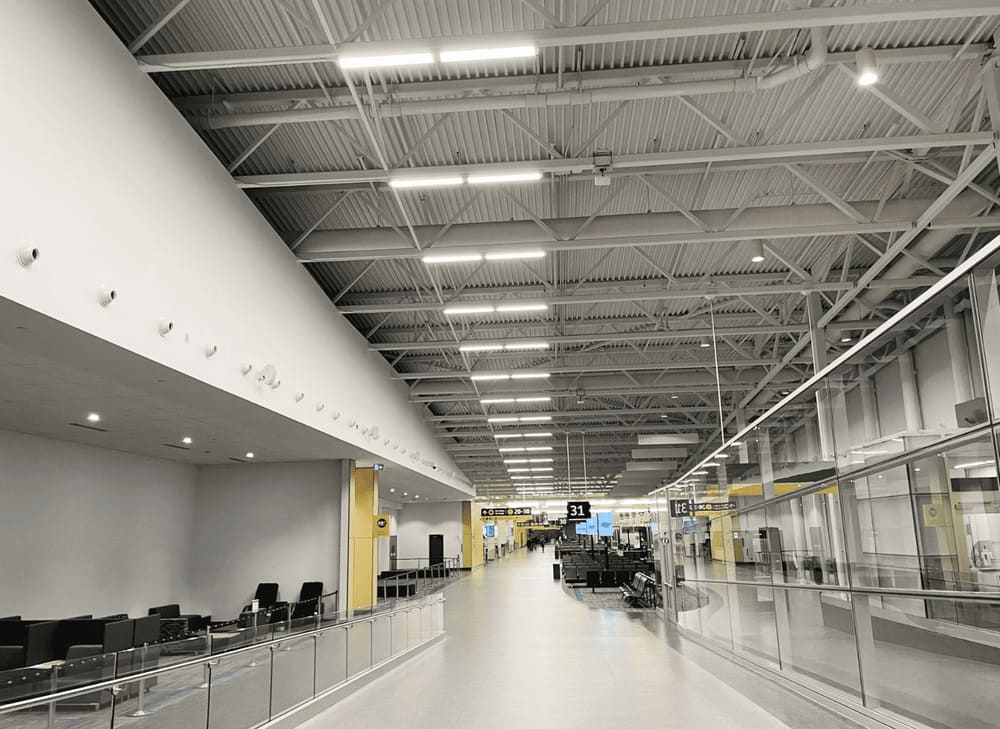
In large-span facilities such as warehouses, factories, or aircraft hangars, sequencing becomes even more important because structural elements are longer, heavier, and more sensitive to alignment.
Why Sequencing Matters More in Steel Than Concrete
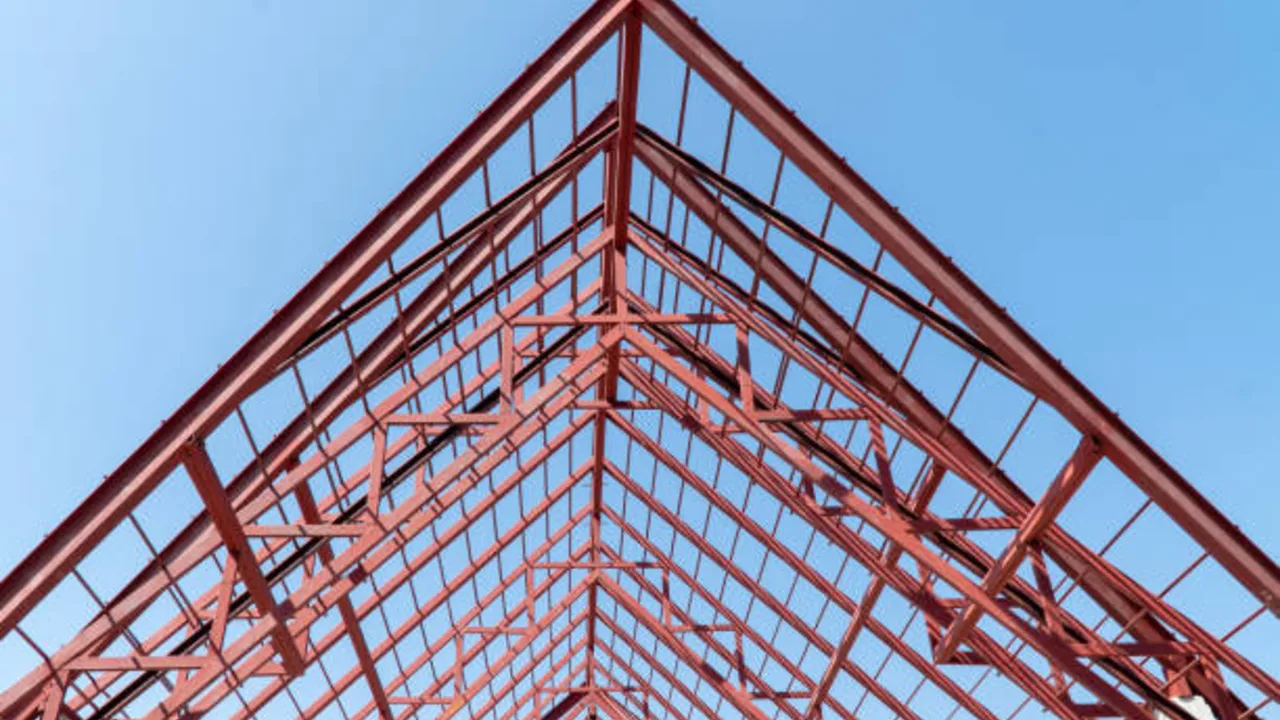
Concrete structures gain stability as material cures in place. Steel structures, on the other hand, rely on mechanical connections — bolts and welds — assembled in the air. Until sufficient members are installed and bracing systems are completed, the frame remains partially unstable.
This means erection order directly impacts:
- Worker safety
- Wind resistance during construction
- Connection alignment accuracy
- Structural integrity before completion
A poorly planned erection sequence can lead to column misalignment, excessive deflection during lifting, or even progressive collapse if temporary bracing is neglected.
Pre-Construction Planning Phase
Before any steel component is lifted, sequencing decisions must be finalized during the planning stage. Successful projects invest significant time in erection simulations and coordination meetings.
Engineering Coordination
Sequencing begins with a detailed review of erection drawings and shop drawings. Engineers must verify:
- Connection types (moment vs pinned)
- Bolt specifications and torque requirements
- Bracing system layout
- Critical load-bearing bays
Braced bays are typically erected first because they provide lateral stability. Without identifying these key structural zones early, erection teams may accidentally start in less stable areas.
Logistics and Delivery Scheduling
Material delivery must align with erection order. Delivering steel randomly creates site congestion and disrupts workflow. Instead, components are usually shipped according to installation priority:
- Anchor bolts and base plates
- Primary columns
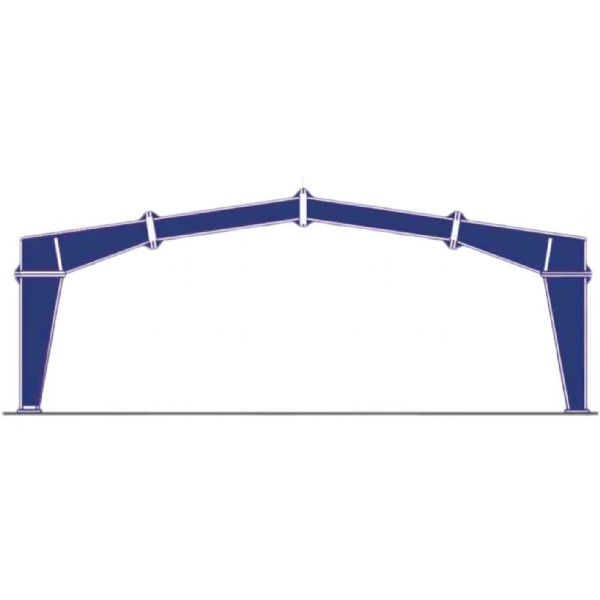
- Main beams and rafters
- Secondary members
- Bracing components
Efficient site workflow requires designated staging areas where materials are sorted by erection sequence. This reduces crane downtime and prevents unnecessary double handling.
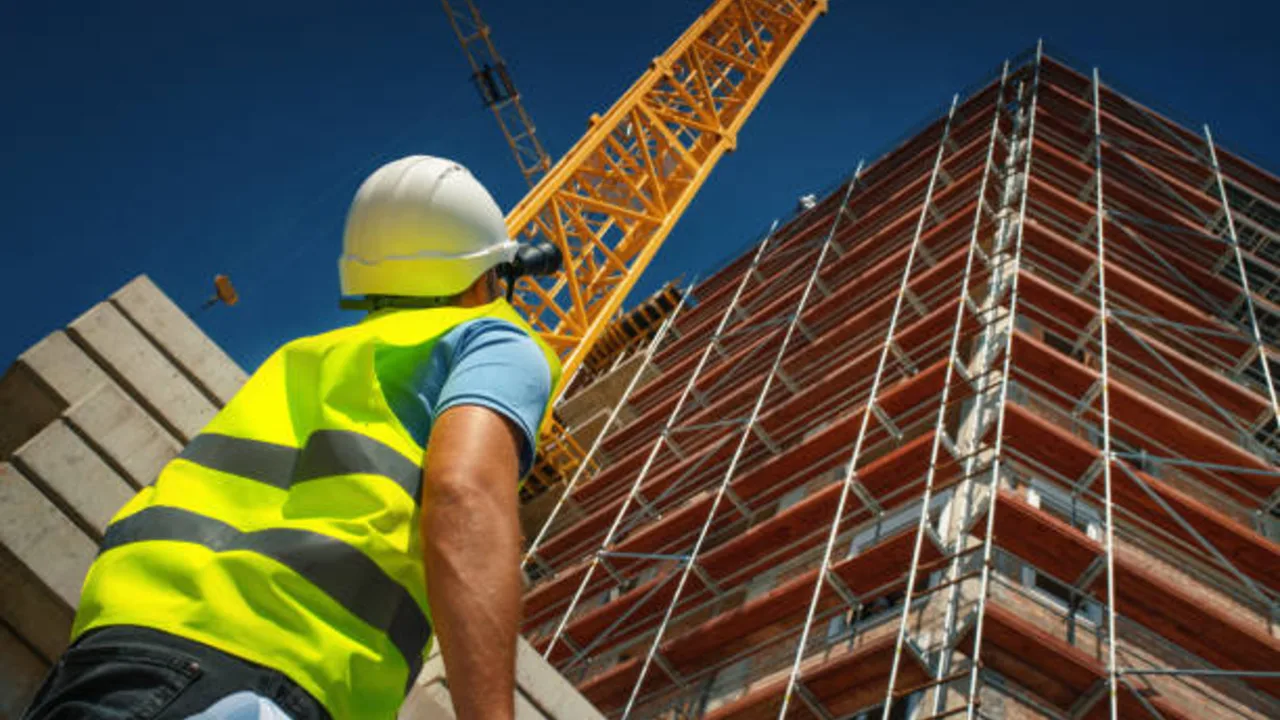
Crane Selection and Lifting Study
Crane planning is directly tied to steel construction sequencing. Engineers must analyze:
- Maximum lift weight
- Lift radius
- Boom length requirements
- Ground bearing capacity
For long-span rafters or space truss systems, tandem lifting or pre-assembly on ground may be required. Without proper lifting studies, the sequence may need to change mid-project, causing delays and safety concerns.
Step 1 – Foundation Readiness and Anchor Bolt Verification
No steel erection should begin until foundation readiness is confirmed. Sequencing always starts at the base — literally.
Survey and Alignment Checks
Before installing columns, survey teams verify:
- Anchor bolt positioning tolerance
- Foundation elevation accuracy
- Gridline alignment
- Concrete curing completion
Even minor anchor bolt misalignment can delay erection because base plates may not fit properly. Corrections at this stage are significantly easier than after columns are lifted.
Base Plate Leveling and Preparation
Base plates are set using leveling nuts or shims to ensure precise vertical alignment of columns. Proper leveling ensures that loads distribute evenly and prevents torsion during erection.
Grouting is typically performed after column alignment is finalized, not before. Premature grouting can complicate adjustments during early erection stages.
Step 2 – Primary Column Erection
Once foundations are verified, the erection of primary columns begins. This marks the transition from groundwork to structural assembly.
Erection Order for Columns
Columns are typically erected starting from a braced bay or core structural zone. This provides immediate lateral stability. The sequence often follows a symmetrical outward progression to maintain balance.
Standard erection logic:
- Install first pair of columns in braced bay
- Install temporary bracing
- Continue to adjacent bays
- Verify plumb alignment after each installation
Survey checks are performed continuously to ensure vertical tolerance compliance.
Temporary Bracing During Early Stages
At this stage, the structure is highly vulnerable to wind loads. Temporary bracing systems may include:
- Cable bracing
- Steel rod cross-bracing
- Temporary diagonal members
Ignoring temporary stability is one of the most common and dangerous sequencing mistakes. The frame must never be left unsupported at the end of a workday.
Step 3 – Beam and Rafter Installation
With columns in place and temporarily stabilized, installation of primary horizontal members begins.
Connecting Primary Framing Members
Beams and rafters are lifted into position and connected to columns using bolted or welded joints. Bolt tightening usually follows a staged approach:
- Snug-tight installation during initial placement
- Final torque tightening after frame alignment
- Inspection and documentation
Moment-resisting connections require particular attention because improper sequencing may induce stress before the full frame is assembled.
Achieving Frame Stability
The structure becomes progressively more stable as beams connect multiple columns. Once sufficient bays are completed with bracing systems installed, the frame transitions from temporary to semi-permanent stability.
At this point, erection teams can proceed to secondary structural members, which will be covered in the next section.
Step 4 – Installing Secondary Members
After the primary frame achieves sufficient stability, the next phase in steel construction sequencing involves installing secondary structural members. While these components are lighter than columns and main beams, they play a crucial role in load distribution, diaphragm action, and overall structural rigidity.
Purlins and Girts Installation
Purlins (roof members) and girts (wall members) are typically installed in a consistent directional sequence, following the completed primary frame bays. The erection order generally moves from one stabilized bay outward to maintain balanced loading.
Key sequencing principles include:
- Install roof purlins only after rafters are fully aligned and bolted.
- Ensure wall girts are level before fastening cladding supports.
- Maintain symmetrical installation to avoid uneven torsional forces.
Although secondary members are not primary load-bearing components, installing them too early — before the frame is stabilized — can introduce unwanted stress or alignment issues.
Completion of Permanent Bracing System
This phase also finalizes the permanent bracing system. Unlike temporary bracing used during early erection, permanent bracing ensures long-term lateral stability against wind and seismic forces.
Bracing systems typically include:
- Vertical cross-bracing in wall bays
- Roof diaphragm bracing
- Tension rods or rigid bracing frames
Completion of permanent bracing marks a major milestone in steel construction sequencing because the structure now behaves as a fully integrated load-resisting system.
Special Case – Space Truss Installation Sequencing
Projects involving space truss systems require additional sequencing logic. Due to their three-dimensional geometry and long-span capabilities, space trusses demand careful planning to ensure safety and precision.
Ground Pre-Assembly Strategy
In many projects, space truss modules are partially or fully assembled at ground level before lifting. This approach improves:
- Worker safety
- Connection accuracy
- Inspection efficiency
However, ground assembly requires sufficient staging area and crane capacity for heavy lifts.
Segmental Lifting Approach
For very large spans, trusses may be installed in segments. The erection order usually follows:
- Install support columns or edge frames first
- Lift central truss segments
- Connect adjacent modules progressively
- Complete locking bolts and alignment checks
Temporary shoring towers may be used until full structural continuity is achieved.
Final Locking and Structural Verification
Once all segments are connected, final bolt torqueing and structural inspections are conducted. Alignment tolerances must be verified before removing temporary supports. Any misalignment at this stage can affect roof cladding installation or load distribution.
Site Workflow Integration
Effective steel construction sequencing does not exist in isolation. It must align with overall site workflow to prevent delays and equipment congestion.
Coordination Between Fabrication and Erection Teams
Fabrication progress should always stay slightly ahead of erection but never excessively so. Overproduction leads to material stacking, while underproduction causes crane downtime.
Successful projects implement:
- Daily coordination meetings
- Material tracking systems
- Real-time erection progress updates
Managing Multiple Work Zones
Large industrial sites often divide erection into zones. This allows parallel progress while maintaining safety boundaries.
Proper zoning ensures:
- No crane interference
- Clear access routes for material delivery
- Controlled fall protection systems
Without organized workflow planning, even a perfectly designed erection order can collapse under logistical inefficiencies.
Common Sequencing Mistakes and Their Consequences
Installing Secondary Members Too Early
Premature installation of purlins or girts can destabilize partially completed frames. It may also force unnecessary rework if alignment adjustments are required later.
Ignoring Temporary Stability
One of the most dangerous mistakes in steel construction sequencing is underestimating wind loads during erection. Frames without sufficient bracing are vulnerable to sudden gusts.
Poor Crane Planning
Improper crane placement can require excessive repositioning, reducing productivity and increasing rental costs. In extreme cases, inadequate lift radius calculations can halt operations entirely.
Safety Considerations in Steel Construction Sequencing
Fall Protection Systems
Sequencing should integrate fall protection planning from the beginning. Lifeline systems and anchor points must be installed before workers operate at height.
Controlled Lifting Zones
Clear communication between crane operators and ground crews is essential. Signal coordination protocols should be standardized to prevent accidents.
Inspection and Bolt Torque Verification
Every major sequencing milestone should include inspection checkpoints. Bolt torque testing, alignment verification, and bracing confirmation ensure the structure is ready for the next phase.
How Sequencing Impacts Project Cost and Timeline
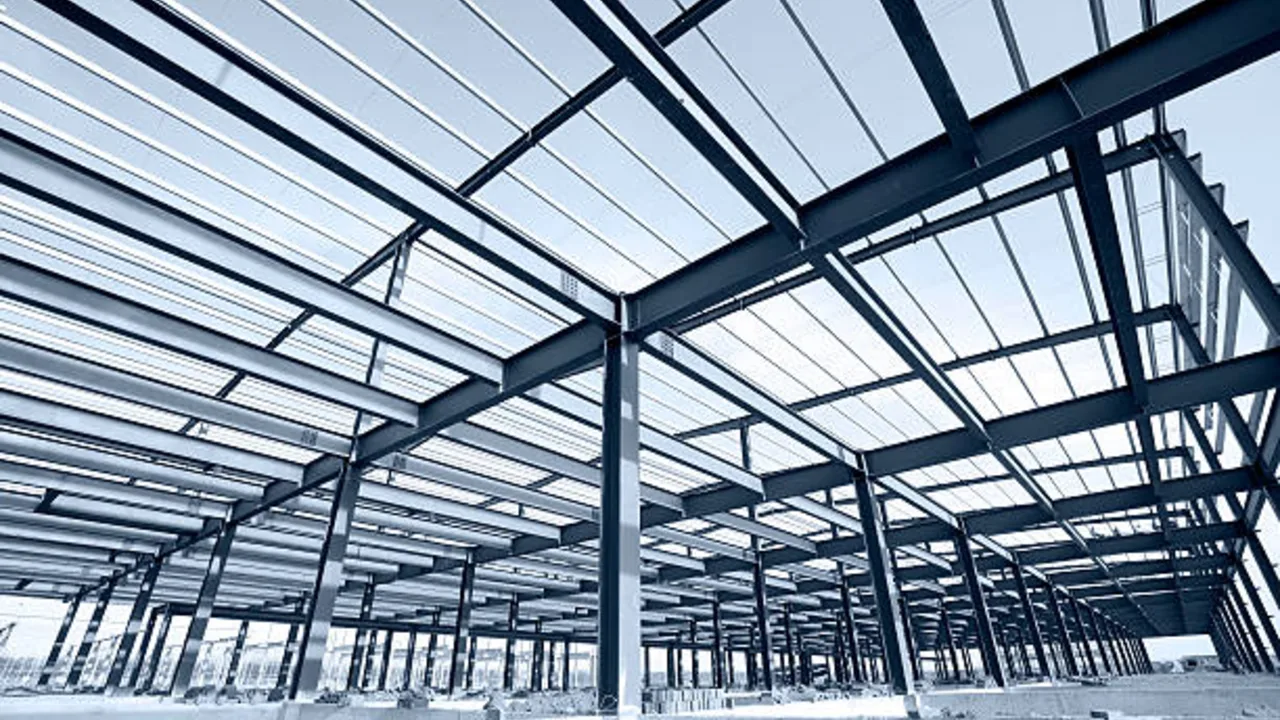
Strategic steel construction sequencing directly influences project economics.
- Reduced crane idle time lowers equipment rental costs.
- Efficient site workflow increases labor productivity.
- Proper erection order minimizes rework and structural adjustments.
Projects that treat sequencing as a strategic planning component consistently outperform those that improvise on-site.
Digital Tools Improving Steel Construction Sequencing
BIM-Based Erection Simulation
Building Information Modeling (BIM) allows teams to simulate erection order before construction begins. Potential clashes and access constraints can be identified early.
4D Construction Planning
4D models integrate schedule data with 3D models, allowing visualized sequencing simulations. This improves forecasting accuracy and enhances coordination between disciplines.
Conclusion – Why Steel Construction Sequencing Determines Project Success
From foundation verification to space truss installation, every step in steel construction sequencing must follow a logical and safety-driven progression. Proper erection order ensures structural stability, protects workers, optimizes crane usage, and supports efficient site workflow.
In complex projects, sequencing is not merely a construction detail — it is a strategic framework that determines whether a steel structure rises smoothly or encounters costly setbacks.