In modern construction, precision is not optional—it is fundamental. One of the most critical challenges during installation is managing steel erection dimensional errors. Even small deviations in alignment or positioning can propagate throughout the structure, affecting stability, connection integrity, and overall performance. As steel structures rely on prefabricated components assembled on-site, dimensional accuracy becomes essential for ensuring proper fit-up and load transfer.
Unlike cast-in-place systems, steel construction depends heavily on pre-engineered tolerances. Any deviation introduced during fabrication, transportation, or erection can lead to misalignment, installation delays, and costly correction work. Understanding how these errors occur and how to manage them effectively is critical for engineers, contractors, and project managers.
This article explores the causes, impacts, and management strategies for steel erection dimensional errors, providing practical insights for maintaining precision during construction.
Understanding Steel Erection Dimensional Errors
Steel erection dimensional errors refer to deviations between the designed geometry and the actual installed position of structural components. These errors can occur in multiple directions—vertical, horizontal, and rotational—and may accumulate as construction progresses.
Even minor dimensional discrepancies can affect connection alignment, bolt installation, and structural behavior. In complex projects, cumulative errors can lead to significant structural inconsistencies, making early detection and management essential.
Common Types of Dimensional Errors in Steel Erection
Column Misalignment
Column misalignment is one of the most common steel erection dimensional errors. It occurs when columns deviate from their intended vertical position. This can be caused by inaccurate base plate placement, uneven foundation surfaces, or improper installation procedures.
Vertical misalignment affects load transfer and may introduce unintended bending moments. Over time, this can compromise structural stability and increase stress concentration in critical areas.
Beam Positioning Errors
Beam positioning errors involve horizontal or rotational deviations in beam placement. These errors often result in connection difficulties, particularly when bolt holes do not align properly. Misalignment between beams and columns can disrupt the structural system and require immediate correction.
Bolt Hole Misalignment
Bolt hole misalignment occurs when holes in connecting members do not match during installation. This issue may originate from fabrication inaccuracies or from cumulative dimensional errors during erection. It often leads to delays, as components must be adjusted or modified on-site.
Elevation and Level Errors
Errors in elevation or level can affect floor systems and roof alignment. Uneven elevations may create difficulties for subsequent trades, including cladding installation and equipment placement. These steel erection dimensional errors can also impact drainage and functional performance.
Root Causes of Steel Erection Dimensional Errors
Fabrication Tolerances
No fabrication process is perfectly precise. Manufacturing tolerances allow for slight deviations in component dimensions. While individual deviations may be small, cumulative tolerance stacking can result in significant steel erection dimensional errors during assembly.
Surveying and Layout Errors
Accurate surveying is essential for proper alignment. Errors in reference points or measurement can lead to incorrect positioning of structural elements. In large projects, even minor surveying inaccuracies can result in widespread misalignment.
Transportation and Handling Deformation
Steel components may experience deformation during transportation or lifting. Improper handling, inadequate support, or excessive loading can alter component geometry, contributing to steel erection dimensional errors during installation.
Site Installation Practices
Erection sequence and temporary support systems play a critical role in maintaining alignment. Improper sequencing or lack of bracing can cause structural members to shift before final connections are secured. This increases the likelihood of misalignment and the need for correction.
Effects of Dimensional Errors on Structural Performance
Steel erection dimensional errors can significantly impact structural performance. Misaligned components may alter load distribution, leading to unintended stress paths. Over time, this can reduce structural efficiency and increase the risk of localized failure.
Connection integrity is particularly sensitive to dimensional accuracy. Poor alignment can introduce additional forces on bolts and welds, accelerating fatigue and reducing long-term durability. In severe cases, dimensional errors may compromise safety and require extensive corrective work.
Measurement and Inspection Techniques
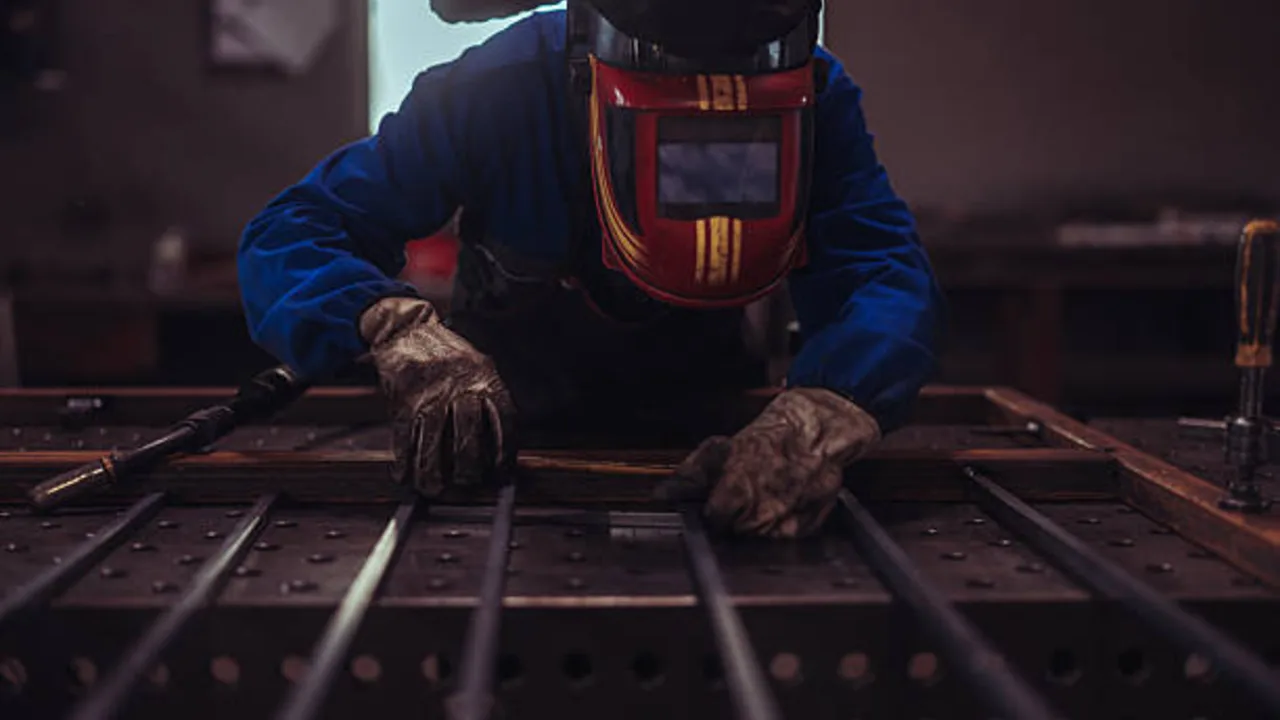
Total Station Surveying
Total stations provide high-precision measurement capabilities for tracking component positions during erection. These instruments allow engineers to detect steel erection dimensional errors early and make adjustments before errors accumulate.
Laser Scanning Technology
Laser scanning offers real-time verification of structural geometry. By comparing scanned data with design models, project teams can identify misalignment and plan correction strategies efficiently.
Manual Measurement Methods
Traditional tools such as measuring tapes and spirit levels are still used for basic checks. However, they have limitations in accuracy and are less effective for complex structures. Combining manual methods with advanced technology provides more reliable results.
Tolerance Standards in Steel Construction
Tolerance standards define acceptable limits for dimensional deviations. Organizations such as the American Institute of Steel Construction provide guidelines to ensure structural safety and performance.
Understanding and applying tolerance standards helps control steel erection dimensional errors and ensures that deviations remain within acceptable limits. Proper tolerance management also reduces the need for costly correction work during construction.
Correction Methods for Steel Erection Errors
Despite best efforts, steel erection dimensional errors may still occur. Effective correction strategies are essential to maintain structural integrity and project timelines.
Mechanical Adjustment Techniques
Mechanical methods such as jacking, shimming, and repositioning are commonly used to correct misalignment. These techniques allow controlled adjustment of structural elements without compromising safety.
Thermal Correction Methods
Controlled heating can be used to adjust steel geometry. By applying heat to specific areas, engineers can induce expansion or contraction to correct dimensional errors.
Re-drilling and Slotting
When bolt holes do not align, re-drilling or slotting may be required. This method provides flexibility in connection assembly but must be carefully controlled to maintain structural strength.
Structural Reinforcement Solutions
In cases where correction is not feasible, additional reinforcement such as stiffeners or plates may be introduced. These solutions help restore load capacity and ensure structural safety.
In Part 2, we will explore real-world case studies, preventive strategies, and best practices for minimizing steel erection dimensional errors in large-scale projects.
Real Case Project: Managing Steel Erection Dimensional Errors in a Logistics Facility
A large-scale logistics warehouse project in Southeast Asia provides a practical example of how steel erection dimensional errors can be identified and managed effectively. The project involved a 26,000 m² distribution facility with long-span steel frames designed to support automated storage systems.
During erection, survey data revealed progressive misalignment in several column lines, particularly in areas where foundation tolerances varied slightly. Although each deviation was within acceptable limits individually, cumulative errors began to affect beam alignment and bolt hole matching at higher elevations.
The project team implemented a staged correction approach. Columns were realigned using hydraulic jacking and temporary bracing, while beam connections were adjusted through controlled slotting of bolt holes. Continuous total station monitoring ensured that adjustments remained within tolerance limits.
As a result, the structure was successfully corrected without major delays. The case demonstrated that early detection and coordinated correction strategies are essential in managing steel erection dimensional errors in complex projects.
Preventive Strategies to Minimize Dimensional Errors
Pre-Construction Planning and Coordination
Effective planning is the first line of defense against steel erection dimensional errors. Accurate shop drawings, coordinated design models, and clear tolerance specifications help reduce the risk of misalignment during construction. Building Information Modeling (BIM) allows teams to visualize potential conflicts before erection begins.
Quality Control During Fabrication
Fabrication accuracy directly influences on-site performance. Implementing strict dimensional inspection procedures in the factory ensures that components meet design requirements. Reducing fabrication deviations minimizes cumulative errors during erection.
Accurate Surveying and Layout
Precise site layout is critical for maintaining alignment. Establishing reliable control points and verifying measurements throughout the erection process helps prevent dimensional drift. Regular survey checks ensure that steel erection dimensional errors are detected early.
Controlled Erection Sequencing
Erection sequence plays a crucial role in structural stability. Proper sequencing ensures that loads are distributed correctly and that temporary supports maintain alignment until final connections are secured. Poor sequencing can amplify misalignment and increase correction requirements.
Best Practices for Managing Steel Erection Accuracy
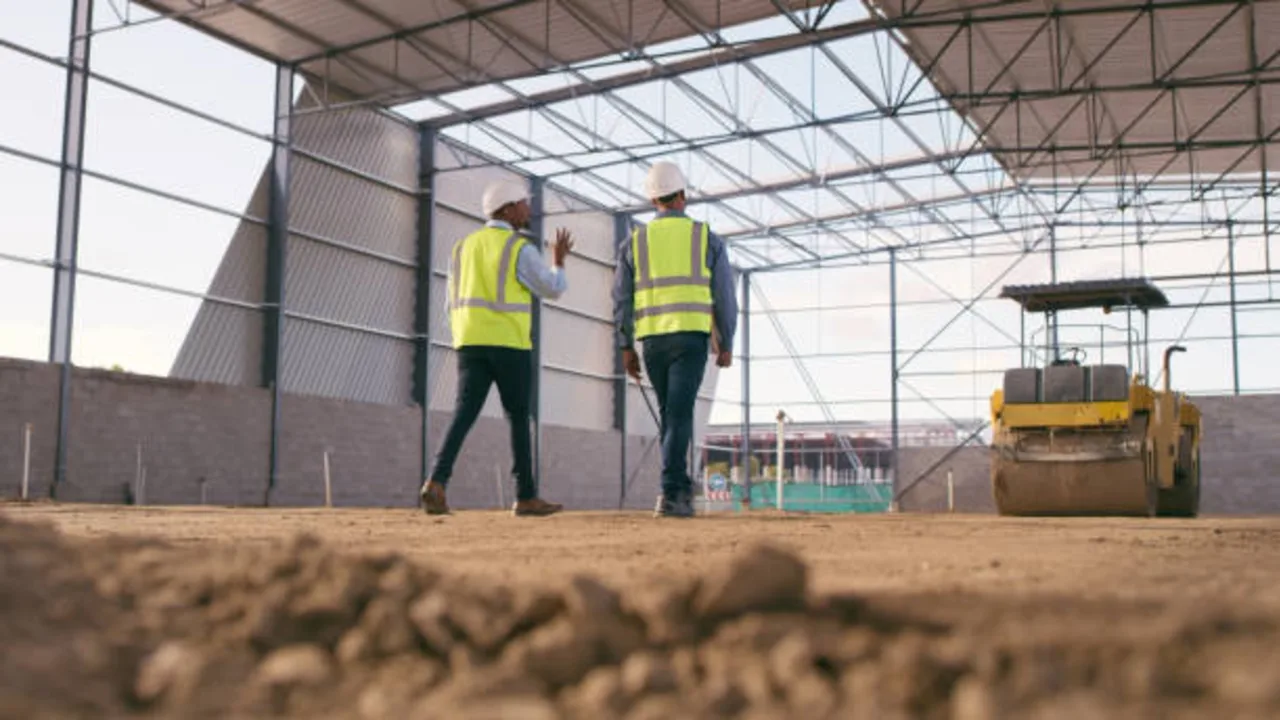
Maintaining accuracy in steel erection requires a combination of technical expertise and systematic control. The following best practices help minimize steel erection dimensional errors:
- Continuous Monitoring: Use advanced surveying tools to track alignment throughout the erection process.
- Integrated Coordination: Ensure communication between design, fabrication, and site teams.
- Skilled Workforce: Experienced crews are better equipped to identify and address misalignment issues.
- Documentation and Verification: Maintain detailed records of measurements and adjustments for quality assurance.
By implementing these practices, project teams can control steel erection dimensional errors and maintain structural integrity throughout construction.
The Importance of Tolerance Management in Steel Structures
Tolerance management is a critical aspect of controlling steel erection dimensional errors. Establishing realistic tolerance limits ensures that minor deviations do not compromise structural performance. Engineers must balance precision with constructability, allowing for manageable variations without affecting safety.
Proper tolerance management also reduces the need for extensive correction work, saving time and cost. It ensures that connections fit as intended and that structural elements align correctly during erection.
Long-Term Implications of Dimensional Accuracy
Dimensional accuracy during erection has lasting effects on structural performance. Misalignment can introduce residual stresses that affect long-term durability. Over time, these stresses may lead to fatigue, deformation, or maintenance issues.
Ensuring precise alignment during construction helps maintain load distribution and reduces the risk of structural degradation. It also improves the performance of secondary systems such as cladding and mechanical installations.
Why Precision Matters in Steel Structure Construction
Precision is fundamental to successful structural performance. Managing steel erection dimensional errors ensures that components fit together as designed and that loads are transferred efficiently. Without proper control, even minor misalignment can escalate into major structural challenges.
For projects requiring high accuracy and reliable execution, working with experienced professionals in steel structure building construction ensures that dimensional control is maintained from design through installation.
Conclusion
Managing steel erection dimensional errors is essential for ensuring structural integrity, safety, and project efficiency. From fabrication to installation, every stage of the process must be carefully controlled to minimize deviations and maintain alignment.
By understanding the causes of dimensional errors, implementing effective correction methods, and adopting preventive strategies, project teams can achieve high levels of precision in steel construction. In modern projects, dimensional control is not just a technical requirement—it is a key factor in long-term structural success.