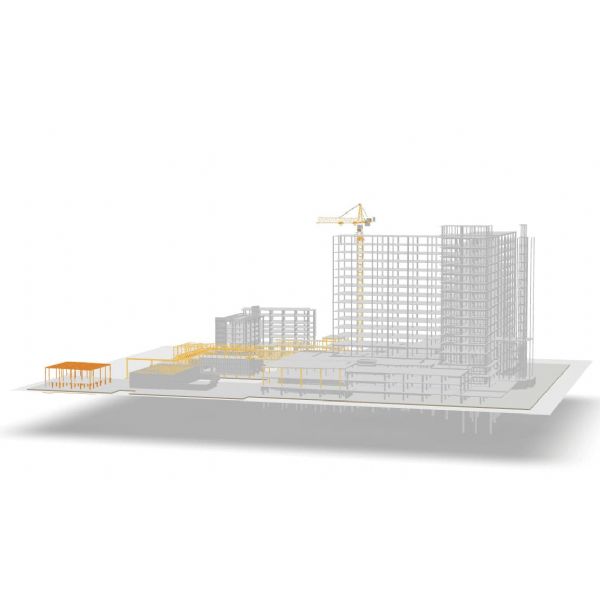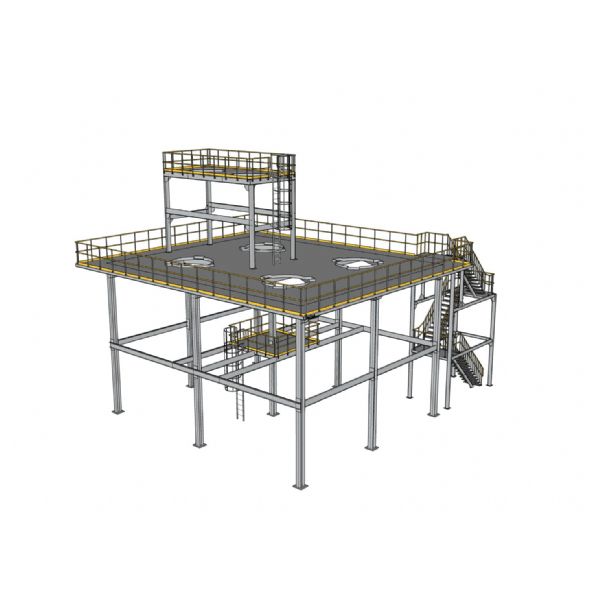
Steel construction projects are often planned with precise schedules, material deliveries, and installation sequences. However, one factor that consistently challenges even the most detailed project plans is weather impact steel construction. From unexpected rainstorms to high winds and extreme temperatures, weather conditions can significantly influence construction timelines, safety, and overall project costs.
Understanding how weather affects steel construction — and how to mitigate these risks — is essential for developers, contractors, and project owners who want to maintain progress without compromising quality or safety.
Understanding Weather Impact on Steel Construction
Weather plays a critical role at every stage of steel construction, from site preparation to final erection. Unlike indoor manufacturing processes, steel construction activities such as foundation work, steel erection, welding, and bolting are exposed directly to environmental conditions.
The weather impact steel construction becomes particularly significant during erection and installation phases, where precision alignment, lifting operations, and safety protocols are highly sensitive to wind, rain, and temperature changes. While steel itself is durable and weather-resistant, the construction process around it is not immune to environmental disruption.
Wind Delay and Its Effect on Steel Erection
One of the most common causes of schedule disruption in steel projects is wind delay. Steel members are often large, heavy, and lifted at height using cranes. High wind speeds can make lifting operations unsafe or inaccurate, forcing temporary work stoppages.
How Wind Causes Construction Delays
- Crane operations may be suspended when wind speeds exceed safety thresholds
- Long-span beams and columns become difficult to control during lifting
- Higher risk of collision, misalignment, or instability during placement
In large industrial or warehouse projects, even a single day of wind delay can trigger a chain reaction — affecting decking installation, roofing, and follow-on trades. Experienced contractors often plan erection sequences around historical wind data and use temporary bracing to stabilize partially erected frames.
Rain Protection and Wet-Weather Challenges
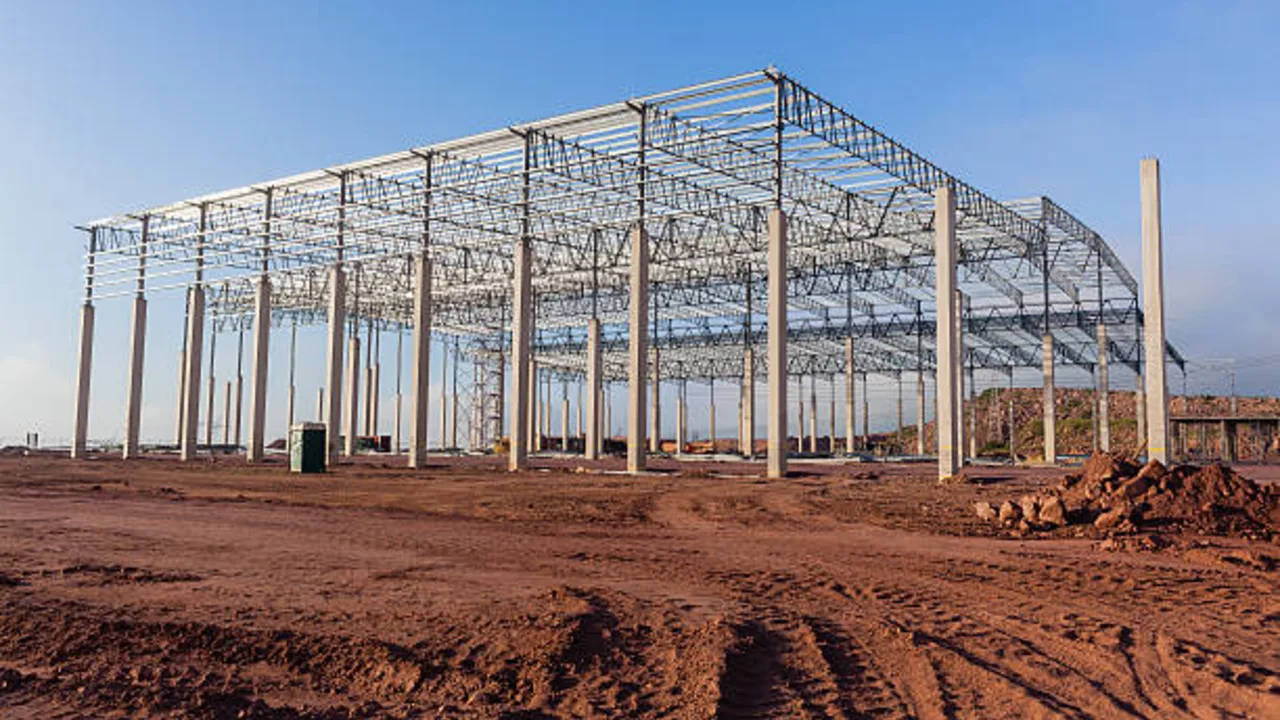
Rain is another major contributor to weather impact steel construction, especially during foundation work and connection installation. While steel components can tolerate moisture, the surrounding construction activities often cannot.
Common Rain-Related Issues
- Slower foundation curing and unstable ground conditions
- Slippery working surfaces increasing safety risks
- Delays in bolting, welding, and inspection processes
Effective rain protection strategies include temporary roofing systems, proper drainage planning, and weather-resistant coatings on steel components. These measures help maintain productivity while protecting both materials and workers during wet conditions.
Temperature Extremes and Steel Construction Performance
Extreme temperatures — whether hot or cold — can affect steel construction timelines in less visible but equally impactful ways.
Cold Weather Impacts
- Reduced productivity due to safety limitations and worker fatigue
- Welding challenges caused by low temperatures affecting joint integrity
- Slower concrete curing for foundations and anchor systems
Hot Weather Impacts
- Heat stress reducing worker efficiency and concentration
- Thermal expansion affecting alignment tolerances
- Increased need for rest periods and hydration management
Managing temperature-related challenges often requires adjusted work schedules, specialized equipment, and enhanced quality control — all of which can influence overall project duration.
Planning for Weather Impact in Steel Construction Projects\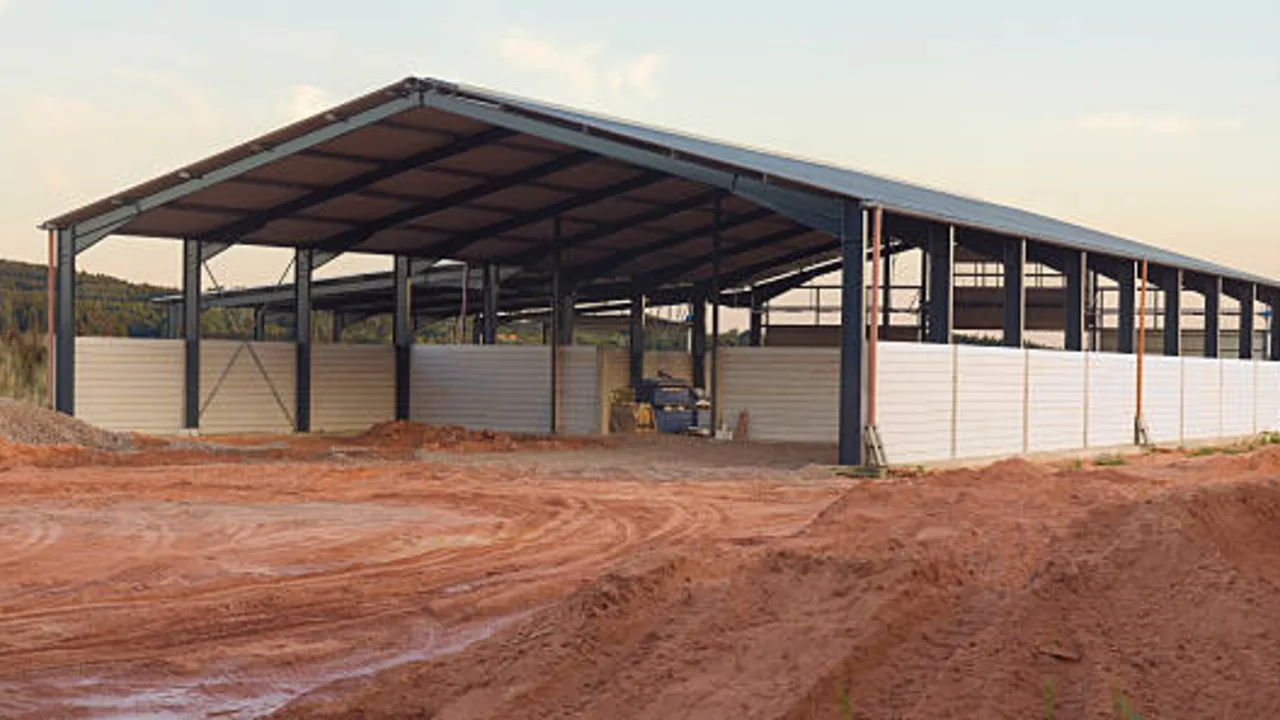
Successful projects address weather impact steel construction risks during the planning phase rather than reacting to disruptions on-site. Weather risk mitigation should be built into scheduling, budgeting, and logistics decisions from the start.
Best Practices for Weather-Resilient Scheduling
- Including buffer days to absorb wind delay and rain disruption
- Sequencing critical lifting activities during favorable weather periods
- Prefabricating steel components off-site to reduce on-site exposure
- Using modular systems to shorten installation windows
Prefabrication is particularly effective because it moves critical work into controlled factory environments. Many developers therefore rely on a professional
steel structure construction factory
to ensure precision fabrication, quality control, and predictable installation timelines regardless of site weather conditions.
Safety Considerations Under Adverse Weather Conditions
Beyond delays, adverse weather directly affects worker safety — a critical concern in steel construction. High winds, rain, or extreme temperatures significantly increase the risk of accidents, falls, and equipment failure.
- Real-time wind monitoring on cranes and lifting equipment
- Mandatory work stoppages under unsafe conditions
- Anti-slip surfaces and temporary coverings during rain
- Adjusted work hours during extreme heat or cold
Although safety-driven stoppages may slow short-term progress, they help prevent long-term consequences such as accidents, rework, and regulatory penalties.
Industry Insights on Weather and Steel Construction
Real-world experience shows that projects failing to account for weather impact steel construction often face cost overruns and schedule conflicts. In contrast, projects that integrate weather analysis into early planning typically achieve more consistent outcomes.
Industry guidance from :contentReference[oaicite:0]{index=0} emphasizes evaluating regional climate patterns, soil conditions, and seasonal weather variations before construction begins. Proactive planning — including soil preparation and weather-aware scheduling — can significantly reduce installation disruptions.
For additional technical insight, see this detailed reference on how weather affects metal building installation:
How Weather and Soil Conditions Affect the Installation of Metal Buildings.
Conclusion: Managing Weather Impact on Steel Construction Timelines
Weather will always be a variable in steel construction — but it does not have to derail a project. By understanding wind delay risks, implementing effective rain protection strategies, and planning for temperature extremes, project teams can maintain control over schedules and costs.
The key takeaway is clear: weather impact steel construction should be treated as a core planning factor, not an afterthought. With smart scheduling, off-site fabrication, and experienced partners, steel construction projects can remain efficient, safe, and predictable — even when weather conditions are less than ideal.