In structural steel production, precision in hole-making is a fundamental requirement for ensuring proper assembly and long-term performance. One of the most important comparisons in fabrication processes is drilling vs punching steel. Both methods are widely used to create bolt holes in steel members, yet they differ significantly in terms of process, efficiency, and hole accuracy.
The choice between drilling and punching is not merely a matter of preference. It directly affects connection quality, structural integrity, fabrication speed, and overall project cost. Engineers and fabricators must evaluate the advantages and limitations of each method to determine the most suitable approach for specific applications.
This article provides a detailed comparison of drilling vs punching steel, focusing on hole accuracy, structural implications, and practical decision-making in steel fabrication projects.
Understanding Drilling vs Punching Steel
The debate between drilling vs punching steel revolves around two fundamentally different manufacturing processes. Each method produces holes in steel, but the way material is removed or displaced leads to variations in precision, surface quality, and performance.
What is Drilling in Steel Fabrication?
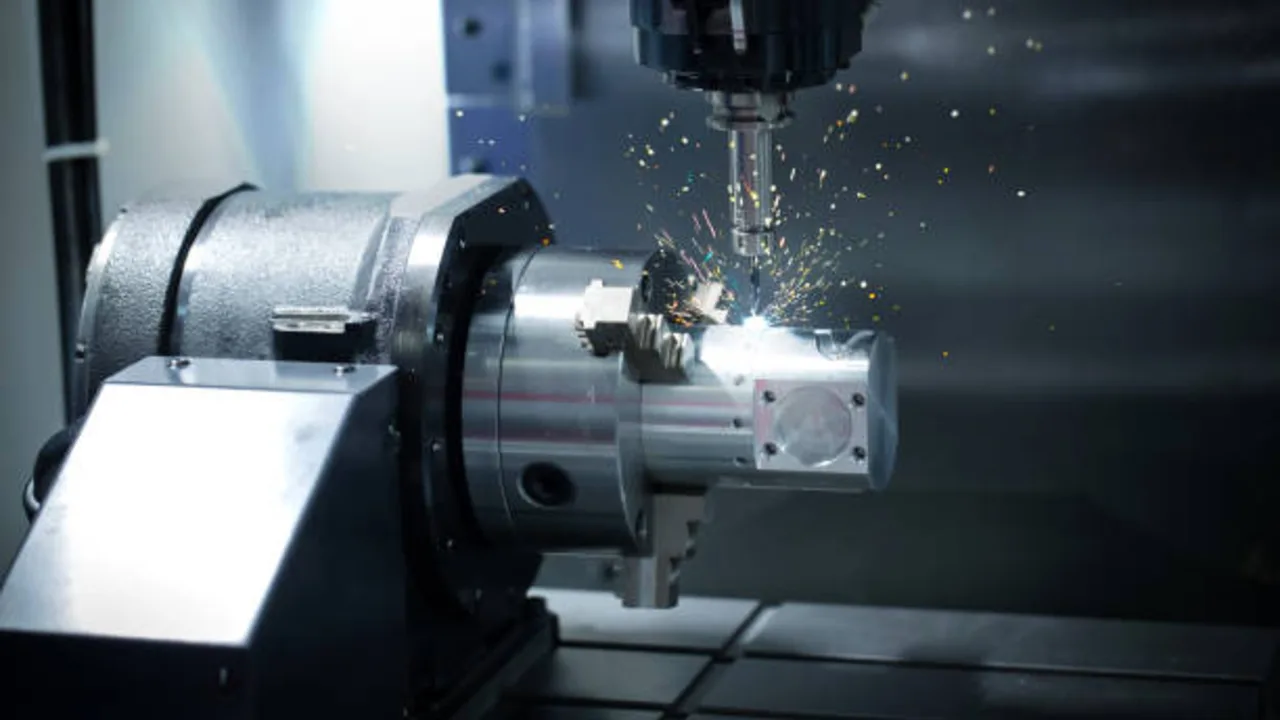
Drilling is a machining process that removes material using a rotating cutting tool. The drill bit gradually cuts through the steel, producing a clean and precise hole. This method is commonly used when high hole accuracy is required, especially in structural connections where alignment is critical.
Modern fabrication facilities often use CNC drilling machines to ensure consistent results. These machines allow precise control over hole diameter, depth, and positioning, making drilling a preferred choice for high-precision applications.
What is Punching in Steel Fabrication?
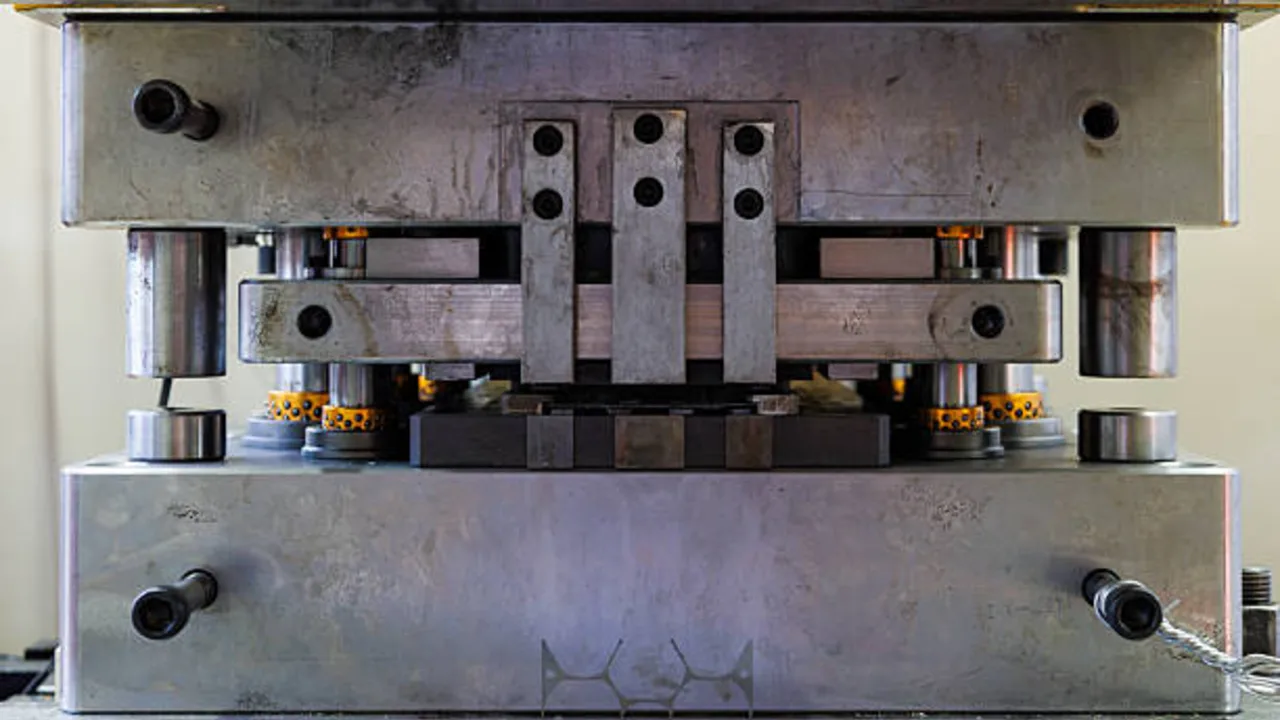
Punching is a mechanical process that creates holes by applying force to shear the material. A punch and die system is used to quickly produce holes without removing material through cutting. Instead, the steel is displaced and sheared, resulting in rapid hole formation.
Punching is widely used in high-volume production due to its speed and efficiency. It is particularly suitable for thinner steel plates and repetitive fabrication tasks where productivity is a priority.
Key Differences Between Drilling vs Punching Steel
Understanding the differences between drilling vs punching steel helps fabricators select the appropriate method based on project requirements.
| Factor | Drilling | Punching |
|---|---|---|
| Process Type | Material removal | Material shearing |
| Speed | Slower | Faster |
| Hole Accuracy | High precision | Moderate precision |
| Edge Quality | Clean finish | May produce burrs |
| Material Thickness | Suitable for thick steel | Limited to thinner sections |
These differences highlight the trade-offs between production efficiency and hole accuracy. While punching offers speed advantages, drilling provides superior precision and consistency.
Hole Accuracy in Drilling vs Punching Steel
One of the most critical considerations in drilling vs punching steel is the level of hole accuracy achieved by each method. Accurate holes ensure proper bolt fit-up, alignment, and load transfer within structural connections.
Dimensional Precision
Drilling produces highly precise holes with tight tolerances. The controlled cutting process ensures consistent diameter and alignment, reducing the risk of connection issues. In contrast, punching may introduce slight variations due to material deformation during shearing.
These variations can accumulate in large assemblies, potentially leading to misalignment and the need for on-site adjustments.
Edge Quality and Surface Finish
The edge quality of holes also differs between drilling vs punching steel. Drilled holes typically have smooth edges and minimal burr formation. Punching, however, can produce rough edges and deformation zones around the hole perimeter.
Poor edge quality may require additional finishing processes, increasing fabrication time and cost.
Impact on Bolt Fit-Up
Accurate hole alignment is essential for proper bolt installation. Inaccurate holes can lead to difficulty during assembly, requiring reaming or slotting. This not only delays installation but may also affect structural performance.
For critical connections, drilling is often preferred due to its superior hole accuracy and reliability.
Structural Implications of Hole Accuracy
The choice between drilling vs punching steel has direct implications for structural behavior. Holes act as stress concentration points, and their quality influences the distribution of forces within the steel member.
Poor hole accuracy can introduce unintended stress concentrations, increasing the risk of fatigue failure. Over time, these issues may compromise the durability and safety of the structure.
In high-load or fatigue-sensitive applications, ensuring precise hole geometry is essential for maintaining structural integrity.
Production Efficiency and Cost Considerations
Speed of Production
Punching is significantly faster than drilling, making it ideal for large-scale production. Multiple holes can be created in a short time, improving overall efficiency.
Drilling, while slower, provides better control and accuracy. The trade-off between speed and precision must be carefully evaluated in each project.
Equipment and Labor Costs
Punching machines typically have lower operating costs for high-volume production. However, they require specialized tooling and maintenance. Drilling machines, especially CNC systems, involve higher initial investment but offer greater versatility.
Material Waste and Rework
Errors in hole placement or quality can lead to rework or material waste. Punching may increase the likelihood of rework due to lower hole accuracy, while drilling reduces this risk through precise control.
Balancing efficiency and accuracy is essential to optimize fabrication costs.
Limitations of Punching and Drilling Methods
Thickness Constraints
Punching is generally limited to thinner steel sections. As thickness increases, the force required becomes excessive, reducing efficiency and tool life. Drilling, on the other hand, can handle a wide range of material thicknesses.
Material Hardness
Harder steel grades can accelerate tool wear in both processes. However, drilling offers better adaptability through tool selection and cutting parameters, while punching may struggle with high-strength materials.
Understanding these limitations is critical when selecting between drilling vs punching steel for different fabrication scenarios.
In Part 2, we will explore real-world case studies, quality control methods, and best practices for optimizing drilling vs punching steel in structural fabrication.
Quality Control and Inspection Methods
Measuring Hole Accuracy
Ensuring proper hole accuracy requires consistent inspection throughout the fabrication process. Gauging tools such as calipers, plug gauges, and coordinate measuring machines (CMM) are commonly used to verify hole diameter and position.
Inspection standards defined by organizations like the American Institute of Steel Construction provide guidelines for acceptable tolerances. Adhering to these standards ensures that drilled or punched holes meet structural requirements.
Non-Destructive Testing
Non-destructive testing methods can be used to evaluate the integrity of hole edges and surrounding material. Techniques such as visual inspection, ultrasonic testing, and magnetic particle testing help identify cracks or defects caused by punching or drilling processes.
These inspections are particularly important in critical structural components where failure risks must be minimized.
Best Practices for Optimizing Hole-Making Processes
Optimizing drilling vs punching steel requires a balanced approach that considers both efficiency and precision. Fabricators can improve outcomes by implementing the following best practices:
- Process Selection Based on Application: Use drilling for critical connections requiring high hole accuracy, and punching for high-volume, non-critical components.
- Tool Maintenance: Regular maintenance of drill bits and punching dies ensures consistent performance and reduces defects.
- Process Integration: Combine drilling and punching strategically to achieve optimal production efficiency.
- Operator Training: Skilled operators can identify potential issues early and adjust processes accordingly.
By applying these practices, fabrication teams can reduce errors, improve quality, and enhance overall productivity.
When to Use Drilling vs Punching Steel
Selecting between drilling vs punching steel depends on several factors, including material thickness, required hole accuracy, production volume, and structural importance.
Drilling is typically preferred for:
- Thick steel sections
- High-strength materials
- Critical load-bearing connections
- Projects requiring tight tolerances
Punching is more suitable for:
- Thin steel plates
- High-volume production
- Non-critical structural elements
- Projects prioritizing speed and cost efficiency
Understanding these criteria helps engineers and fabricators make informed decisions that balance performance and cost.
Real Project: Hole Accuracy Control in the Shouning County Edible Fungi Industrial Project
A practical example of how drilling vs punching steel decisions impact fabrication quality can be seen in the Shouning County Edible Fungi Whole Industry Chain Development Project (Phase I). This project involved the construction of a large-scale agricultural industrial facility with multiple steel-framed buildings requiring precise and repeatable connection performance.
The structural system included extensive use of bolted connections across primary frames, secondary members, and modular expansion zones. Due to the repetitive layout and prefabricated nature of the system, maintaining consistent hole accuracy across thousands of connection points became a critical fabrication requirement.
During early production, punching was initially considered for efficiency in high-volume plate processing. However, quality evaluations showed that minor deformation around punched holes—especially in medium-thickness plates—could affect bolt alignment during on-site assembly. This introduced potential misalignment risks in long-span frames and connection clusters.
To address this, the fabrication strategy was optimized by adopting a hybrid approach. Punching was retained for non-critical secondary components, while drilling was applied to primary structural connections where higher hole accuracy was required. CNC drilling ensured precise hole diameter and positioning, significantly improving fit-up during erection.
This adjustment reduced on-site correction work, minimized installation delays, and improved overall structural alignment. The project demonstrated that selecting the right process in drilling vs punching steel is not just a fabrication decision—it directly affects construction efficiency and final structural performance.
Why Drilling vs Punching Steel Matters in Fabrication Quality
The choice between drilling vs punching steel directly influences fabrication quality and structural reliability. Accurate holes ensure proper bolt fit-up, efficient load transfer, and long-term durability.
Poor hole accuracy can lead to installation difficulties, increased labor costs, and potential structural issues. Conversely, selecting the appropriate method enhances efficiency while maintaining required performance standards.
For projects that demand both precision and efficiency, working with experienced professionals in steel structure fabrication ensures that the correct processes are applied based on project requirements.
Conclusion
The comparison of drilling vs punching steel highlights the importance of selecting the right hole-making method in structural fabrication. While punching offers speed and cost advantages, drilling provides superior hole accuracy and reliability.
Each method has its place within steel fabrication workflows. By understanding their differences, limitations, and applications, project teams can optimize both production efficiency and structural performance.
Ultimately, achieving high-quality fabrication requires a balanced approach that aligns process selection with engineering requirements. In modern steel construction, precision and efficiency must work together to deliver successful outcomes.