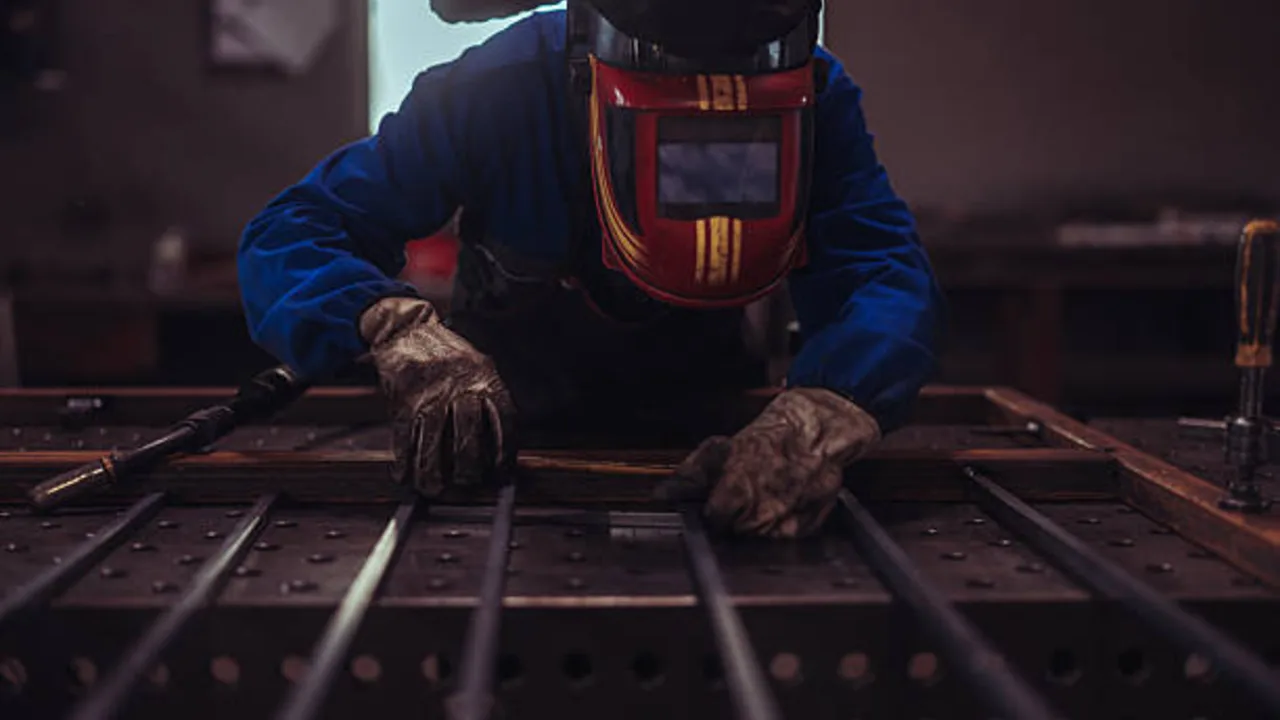
In steel fabrication, welding is often seen as the most critical operation. However, the quality of any weld is fundamentally determined long before the welding arc is even initiated. The stage that defines success or failure is fit-up—the precise alignment and preparation of components prior to welding. Steel fabrication fit up control is not just a technical step; it is a quality gate. Poor fit-up leads to misalignment, uneven stress distribution, weld defects, and costly rework. In large-scale industrial and infrastructure projects, even minor deviations can escalate into significant structural issues.
From alignment accuracy to tack welding stability, every detail in the fit-up stage influences the final structural performance. Understanding and controlling these factors ensures that welding becomes a reinforcing process rather than a corrective one. This article explores the principles, common problems, and best practices of fit-up control, helping fabrication teams improve efficiency, reduce defects, and deliver structurally reliable steel components.
Understanding Fit-Up in Steel Fabrication
What is Fit-Up in Steel Fabrication?
Fit-up refers to the process of positioning, aligning, and preparing steel components before welding. It ensures that all elements are correctly placed according to design specifications, with proper gaps, angles, and orientation.
Unlike machining or cutting, where errors can often be corrected, fit-up defines the starting condition of welding. Once welding is completed, correcting misalignment becomes significantly more difficult and expensive.
Fit-up is therefore not just preparation—it is the foundation of weld quality and structural integrity.
Key Elements of Fit-Up Control
Effective steel fabrication fit up control relies on several critical elements working together:
- Alignment: Ensuring components are positioned correctly in all directions
- Gap control: Maintaining proper spacing for optimal weld penetration
- Edge preparation: Correct beveling and surface readiness
- Positioning and clamping: Securing components during assembly
Each of these elements directly affects weld quality and overall structural performance.
Why Fit-Up is Critical Before Welding
Welding does not correct errors—it locks them in place. If components are misaligned or improperly prepared, welding will permanently embed those defects into the structure.
Key impacts of poor fit-up include:
- Residual stress and distortion
- Weak weld joints due to improper penetration
- Increased likelihood of cracks and fatigue failure
- Higher rework costs and project delays
This is why experienced fabrication teams treat fit-up as a critical control point rather than a routine step.
Common Fit-Up Problems in Steel Fabrication
Misalignment Issues
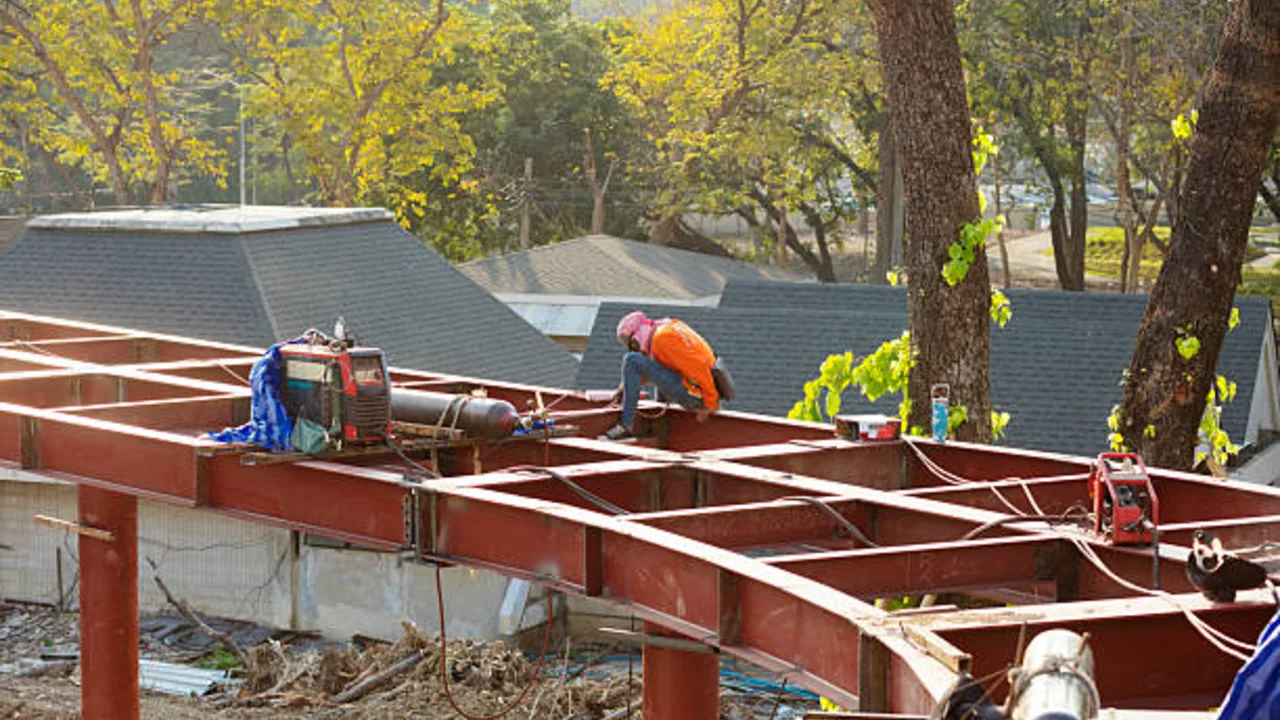
Misalignment is one of the most frequent problems in steel fabrication. It can occur in multiple forms, including axial misalignment, angular deviation, and offset between connected members.
Even small misalignments can disrupt load paths, creating stress concentrations that compromise structural performance.
- Horizontal misalignment affects beam continuity
- Vertical misalignment impacts load distribution
- Angular misalignment leads to uneven stress transfer
These issues are particularly critical in heavy structures and long-span systems.
Improper Gap Control
The gap between components plays a crucial role in weld quality. If the gap is too small, proper weld penetration cannot be achieved. If it is too large, excessive filler material may be required, increasing the risk of defects.
Improper gap control can result in:
- Lack of fusion
- Incomplete penetration
- Excessive heat input
- Weak joint performance
Maintaining consistent gap dimensions is essential for achieving reliable welds.
Incorrect Edge Preparation
Edge preparation determines how well the weld metal fuses with the base material. Incorrect bevel angles, rough surfaces, or contamination can significantly reduce weld quality.
Common issues include:
- Improper bevel geometry
- Presence of rust, oil, or debris
- Uneven cutting surfaces
These factors can lead to defects such as porosity, inclusions, and incomplete fusion.
Poor Tack Welding Practices
Tack welding is used to temporarily hold components in place during fit-up. However, poor tack welding practices can introduce new problems instead of preventing them.
Common tack welding issues include:
- Insufficient number of tack welds
- Incorrect placement of tack welds
- Weak or inconsistent tack weld quality
Improper tack welding can result in movement during final welding, leading to distortion and misalignment.
Real Project Insight: State Grid Shanghai Huangdu 500kV UHV Tower
To better understand how steel fabrication fit up control is applied in real-world projects, it is useful to examine high-precision infrastructure works where fabrication accuracy is critical. One relevant example is the State Grid Shanghai Huangdu 500kV UHV Tower utility structure project delivered by XTD Steel Structure.
This project falls under power transmission and substation infrastructure, where structural reliability is non-negotiable. UHV (Ultra High Voltage) tower systems require extremely precise fabrication and assembly because even minor deviations in alignment can affect load distribution, stability, and long-term performance.
In such projects, fit-up control before welding becomes a critical quality checkpoint. Large steel members, connection nodes, and tower segments must be aligned within strict tolerances before welding begins. Any misalignment at this stage would be permanently locked into the structure, increasing the risk of stress concentration and structural inefficiency.
One key aspect of this project is the importance of dimensional accuracy during fabrication. Components for power transmission towers are typically produced in segments and later assembled on-site. This means that fit-up errors during fabrication can lead to cumulative misalignment during installation, directly impacting erection efficiency and structural safety.
To prevent these issues, strict fit-up procedures are required, including precise measurement verification, controlled gap settings, and stable positioning through tack welding. These practices ensure that each welded joint maintains the intended geometry and load path, which is essential for infrastructure projects operating under continuous high-load conditions.
Additionally, the use of standardized fabrication processes plays a major role. Projects like the Huangdu 500kV tower rely on repeatable production systems, where fixtures, jigs, and alignment tools are used to ensure consistency across multiple structural components. This directly reflects the core principles of effective fit-up control discussed earlier in this article.
Ultimately, this project demonstrates that high-quality steel fabrication is not only about welding skill, but about controlling every step leading up to welding. By applying disciplined steel fabrication fit up control, XTD Steel Structure ensures that complex infrastructure systems achieve both precision and long-term structural reliability.
Steel Fabrication Fit Up Control: Key Best Practices
Accurate Alignment Procedures
Achieving accurate alignment requires a combination of proper tools, skilled personnel, and systematic verification. Modern fabrication shops use laser alignment systems, measuring tapes, and digital tools to ensure precision.
Best practices include:
- Verifying alignment at multiple checkpoints
- Using calibrated measurement tools
- Applying standardized tolerance limits
- Documenting alignment results for quality control
Consistent alignment procedures reduce variability and improve overall quality.
Gap Control Standards
Gap control should be based on welding specifications and material thickness. Different welding processes may require different gap ranges, making it essential to follow project-specific guidelines.
Key considerations:
- Maintaining uniform gap along the joint
- Adjusting gap based on welding method
- Inspecting gaps before approval for welding
Proper gap control ensures optimal weld penetration and joint strength.
Effective Tack Welding Strategy
Tack welding is more than temporary fixing—it is a critical step in maintaining alignment during welding. A well-planned tack welding strategy prevents movement and reduces distortion.
Important factors include:
- Proper spacing of tack welds
- Symmetrical placement to balance stress
- Sequencing to minimize distortion
- Ensuring tack weld quality matches final weld requirements
A strong tack welding approach stabilizes the structure before final welding begins.
Use of Fixtures and Jigs
Fixtures and jigs play a crucial role in maintaining consistency during fit-up. They provide a controlled environment where components can be positioned accurately and repeatedly without relying solely on manual adjustments.
In high-volume or complex projects, standardized fixtures significantly reduce variability and improve productivity. They also help minimize human error, ensuring that each assembly meets the required tolerances.
- Fixtures: Hold components firmly in place during alignment
- Jigs: Guide positioning and ensure repeatable accuracy
- Clamping systems: Prevent movement during tack welding
By integrating fixtures into the workflow, fabrication teams can achieve higher precision and faster setup times.
Fit-Up Tolerances and Standards
Typical Tolerance Requirements
Fit-up tolerances define acceptable limits for alignment, gap, and positioning. Maintaining these tolerances ensures structural integrity and weld quality.
| Parameter | Typical Tolerance | Impact if Exceeded |
|---|---|---|
| Alignment | ±2–3 mm | Stress concentration |
| Gap | 2–5 mm | Poor weld penetration |
| Angle deviation | <2° | Load imbalance |
| Surface preparation | Clean surface | Weld defects |
Adhering to these tolerances is essential for maintaining consistent quality across all fabricated components.
Inspection and Quality Control in Fit-Up
Pre-Welding Inspection Checklist
Before welding begins, a thorough inspection must be carried out to verify that all fit-up conditions meet project specifications.
- Alignment verification using measuring tools
- Gap measurement across the entire joint
- Surface cleanliness and edge preparation check
- Tack weld placement and quality inspection
This checklist serves as a final control point before committing to permanent welding.
Role of Quality Control Engineers
Quality control (QC) engineers are responsible for ensuring that fit-up meets all technical requirements. Their role includes inspection, documentation, and approval of components before welding.
Key responsibilities include:
- Reviewing fit-up measurements against tolerances
- Approving components for welding
- Identifying and correcting deviations early
- Maintaining records for traceability
Effective QC processes prevent defects rather than reacting to them after they occur.
Common Inspection Tools
Various tools are used to verify fit-up accuracy. Selecting the right tools ensures reliable measurements and consistent results.
- Feeler gauges for gap measurement
- Laser alignment tools for precision positioning
- Spirit levels for horizontal and vertical alignment
- Measuring tapes and calipers for dimensional checks
Combining these tools provides a comprehensive approach to fit-up inspection.
The Role of Skilled Workforce in Fit-Up Control
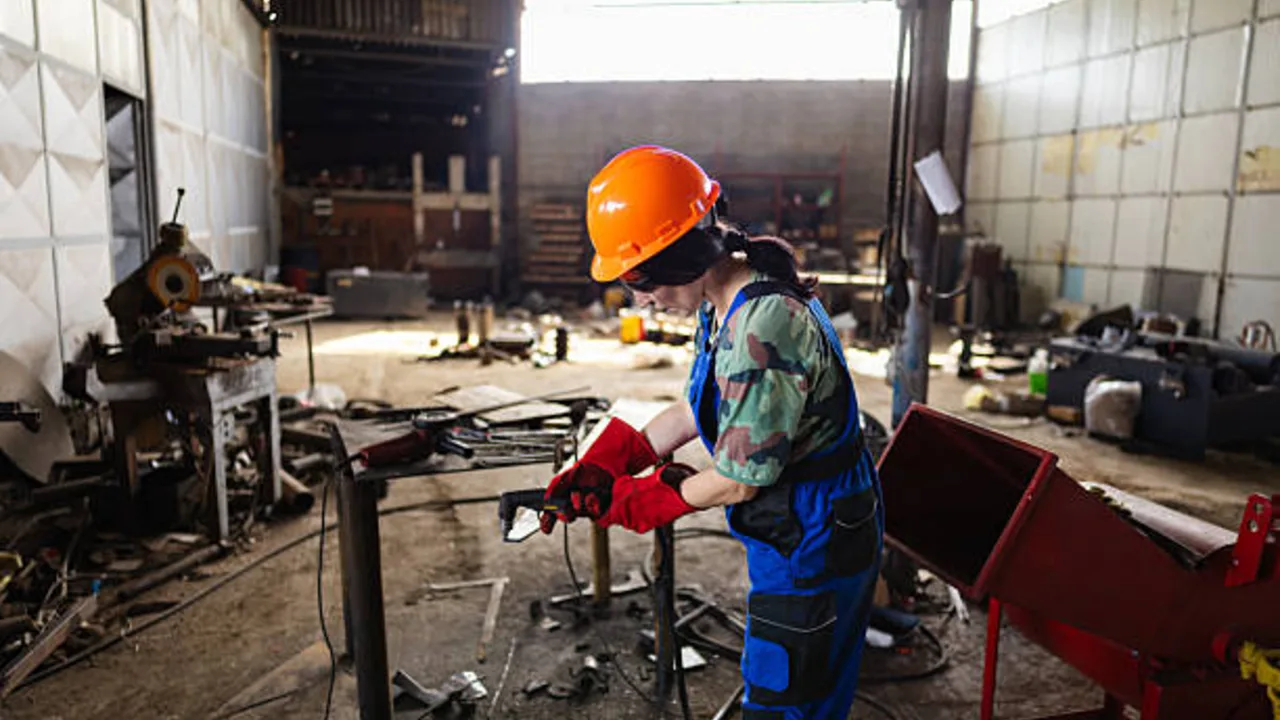
While tools and systems are important, the skill level of the workforce plays a decisive role in fit-up quality. Experienced fitters understand how to interpret drawings, manage tolerances, and anticipate potential issues.
Key factors include:
- Hands-on experience in alignment and assembly
- Ability to identify and correct deviations quickly
- Coordination between fitters and welders
- Understanding of welding requirements and constraints
A skilled workforce bridges the gap between design intent and execution reality.
Integration with Steel Fabrication Workflow
Fit-Up in the Fabrication Process Flow
Fit-up is a critical step within the broader fabrication workflow. It connects upstream processes such as cutting and machining with downstream operations like welding and finishing.
The typical workflow includes:
- Material cutting and preparation
- Component assembly
- Fit-up and alignment
- Welding
- Inspection and finishing
Each stage depends on the accuracy of the previous one, making fit-up a key transition point.
Impact on Project Timeline
Proper fit-up control improves efficiency and reduces delays. When components are correctly aligned, welding can proceed smoothly without interruptions.
Conversely, poor fit-up leads to:
- Rework and adjustments
- Extended welding time
- Project delays
- Increased labor and material costs
Investing time in fit-up ultimately saves time across the entire project lifecycle.
Choosing the Right Structure Steel Fabrication Partner
The success of any fabrication project depends heavily on the capabilities of the contractor. Working with an experienced structure steel fabrication provider ensures that fit-up control is handled systematically.
Reliable fabrication partners offer:
- Standardized fit-up procedures
- Advanced measurement and alignment tools
- Skilled workforce and supervision
- Integrated quality control systems
These capabilities reduce risks and ensure consistent project delivery.
Lessons Learned: Improving Fit-Up Control in Future Projects
Standardization and Process Control
Standardizing fit-up procedures reduces variability and improves repeatability. Clear guidelines ensure that all team members follow the same approach.
Continuous Training and Skill Development
Ongoing training helps workers stay updated with best practices and new technologies. Skilled teams are better equipped to handle complex fabrication challenges.
Leveraging Technology in Fit-Up
Digital tools and automation are increasingly used to enhance fit-up accuracy. Technologies such as laser measurement and 3D modeling improve precision and efficiency.
Conclusion: Fit-Up Control as the Foundation of Welding Quality
Fit-up control is the foundation upon which welding quality is built. Without proper alignment, gap control, and preparation, even the most advanced welding techniques cannot produce reliable results.
The principles of steel fabrication fit up control emphasize prevention over correction. By focusing on precision before welding, fabrication teams can achieve higher quality, reduce rework, and improve overall project performance.
In the long run, investing in fit-up control leads to safer structures, lower costs, and more efficient project delivery.