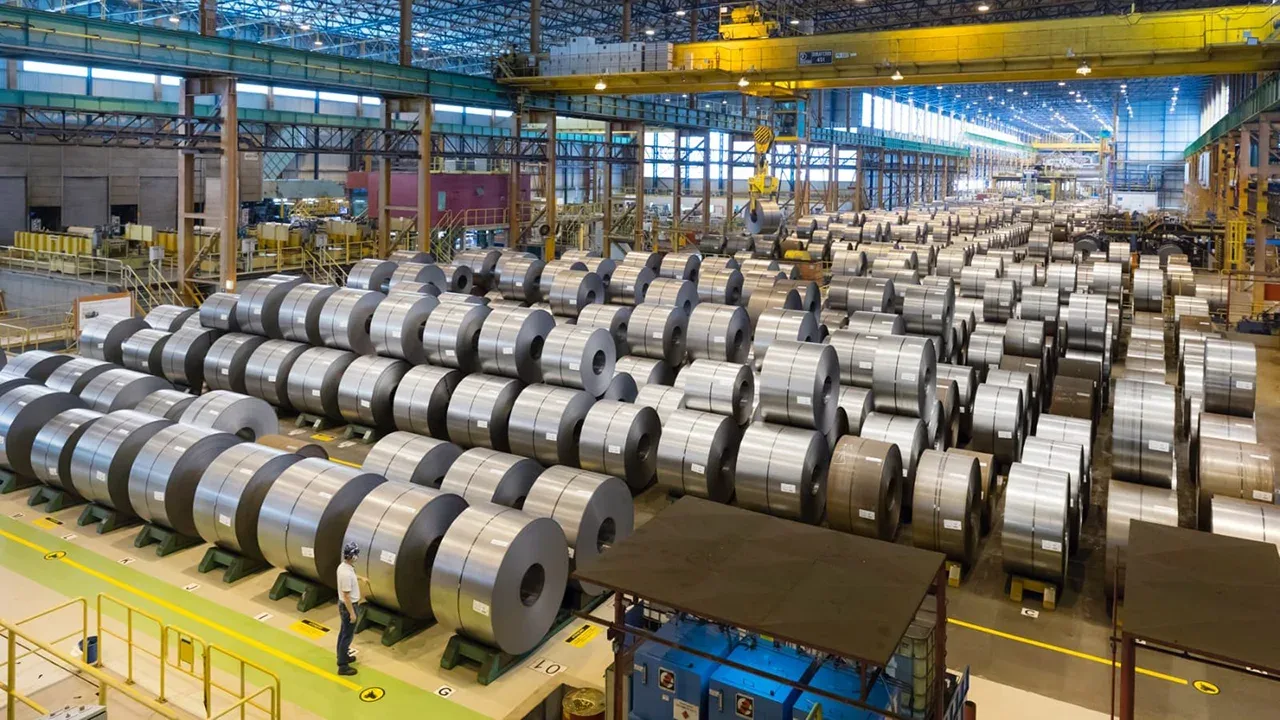
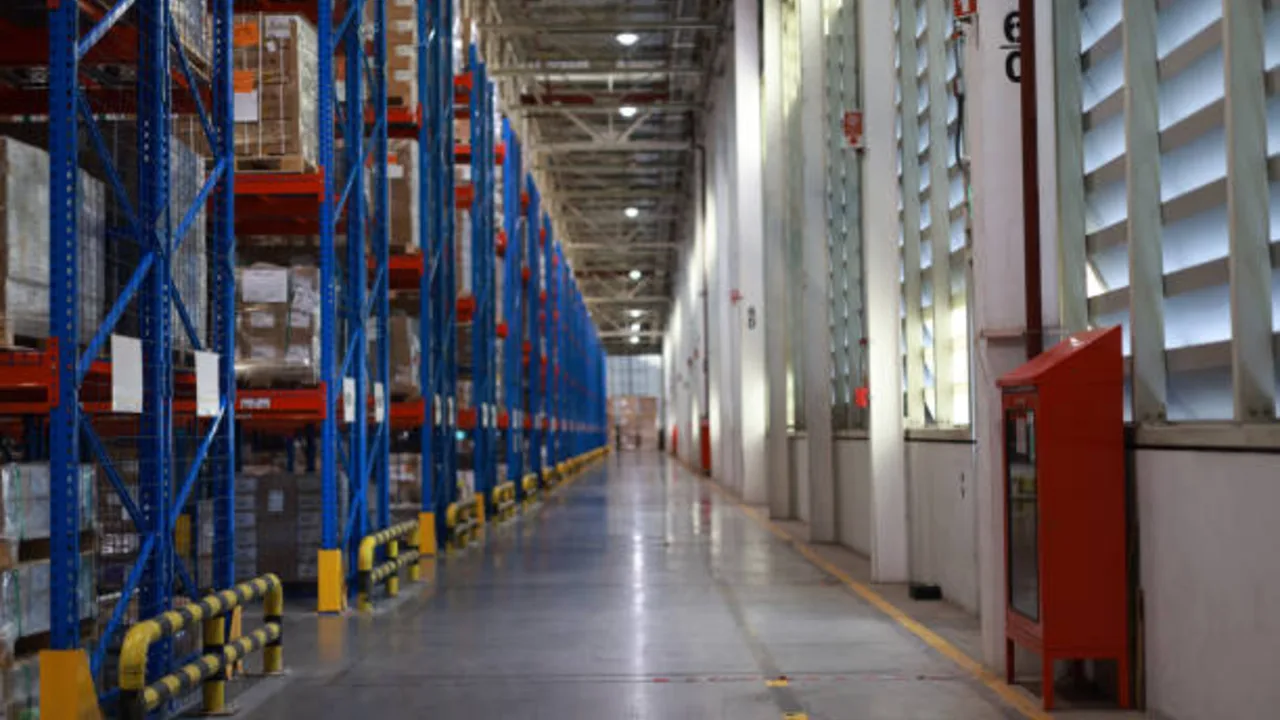
Industrial factories are dynamic environments where vehicles, heavy equipment, and material handling systems operate continuously throughout the day. Forklifts move pallets across production floors, trucks enter loading bays, and automated vehicles travel along defined routes. In such conditions, structural elements inside the building are constantly exposed to accidental contact. Without proper factory column impact protection, even minor collisions can cause structural damage, safety hazards, and costly downtime.
Columns are among the most critical load-bearing elements in any industrial building. They support roof systems, crane beams, and structural frames that carry significant loads across the facility. When a column is hit by a vehicle, the damage may not always appear severe at first, but repeated impacts can weaken the structure over time. For this reason, factory column impact protection should be considered during the design stage of the building, not only after accidents occur.
In modern industrial construction, protecting structural members is part of overall operational planning. A well-designed factory must allow efficient vehicle circulation while ensuring that critical structural components remain safe from collision. By combining layout planning, protective barriers, and durable materials, engineers can significantly reduce the risk of damage caused by vehicle collision inside industrial buildings.
Why Factory Columns Are Vulnerable to Impact Loads
Factory columns are frequently located near traffic routes, storage areas, and production zones where vehicles operate. Because industrial buildings prioritize open space and flexible workflow, columns are often exposed rather than hidden behind walls. This makes them more likely to be struck by forklifts, trucks, or other moving equipment.
Vehicle Movement in Industrial Buildings
Industrial factories depend heavily on internal transportation systems. Forklifts, pallet trucks, overhead cranes, and automated guided vehicles move materials between storage, production, and shipping areas. These movements occur repeatedly throughout the day, increasing the probability of accidental contact with structural columns.
Unlike office buildings or residential structures, factories are designed for operational efficiency rather than separation of spaces. Wide aisles and open layouts improve productivity, but they also place structural columns closer to traffic lanes. Without proper factory column impact protection, these columns can easily become collision points during daily operations.
Blind Spots and Tight Circulation Zones
Many impact accidents occur in areas where drivers have limited visibility. Corners, intersections between aisles, and loading zones often create blind spots that make it difficult to see structural members. When forklifts turn with heavy loads, the driver’s view may be partially blocked, increasing the risk of hitting a column.
Tight circulation zones also contribute to impact risk. In facilities where space is limited, vehicles may need to maneuver close to structural frames. Even experienced operators can accidentally strike columns when turning or reversing in narrow areas. Proper factory column impact protection helps reduce the consequences of these unavoidable situations.
Repeated Minor Impacts That Become Structural Risks
Not every collision causes immediate structural failure. In many factories, columns experience small impacts that appear harmless at first. However, repeated contact can gradually deform protective coatings, dent steel surfaces, and weaken connections near the column base.
Over time, these small damages accumulate and may affect the structural performance of the building. A column that has lost its protective coating may begin to corrode, while repeated bending forces can reduce its load-bearing capacity. Because of this, factory column impact protection should be designed to handle frequent minor impacts before they develop into serious structural problems.
Common Sources of Column Impact in Steel Factories
To design effective protection systems, engineers must first understand where impact loads come from. In most industrial buildings, collisions are caused by internal transport vehicles, loading operations, or heavy equipment maneuvering near structural frames. Identifying these risks early allows better planning of factory column impact protection.
Forklift Traffic and Pallet Handling
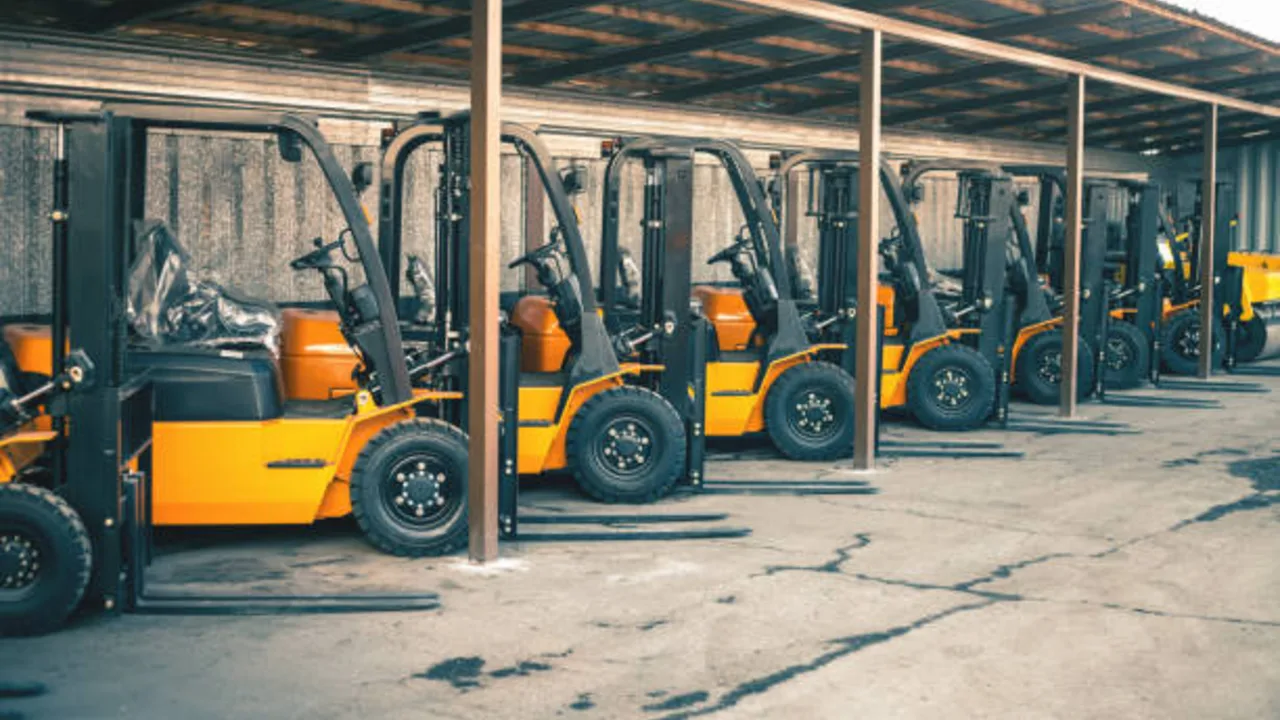
Forklifts are one of the most common causes of column impact inside factories. They operate continuously in warehouses, production halls, and storage areas, often carrying heavy loads that limit driver visibility. When turning near racks or structural frames, forklifts may accidentally strike columns with their forks or counterweights.
Because forklift traffic is constant in most factories, columns located near aisles require additional protection. Installing guard posts, barriers, or reinforced bases can prevent direct contact between the vehicle and the structural member, reducing the chance of damage caused by vehicle collision.
Truck Loading and Unloading Zones
Loading docks are another high-risk area for structural impact. Trucks reversing toward the dock, trailers turning into position, and forklifts moving cargo create a complex traffic environment. In these zones, structural columns are often positioned near doors, ramps, or platform edges, making them vulnerable to collision.
Even a low-speed impact from a truck or trailer can generate enough force to damage a steel column or its base plate. For this reason, factory column impact protection should always be included in the design of loading areas, especially where heavy transport vehicles operate frequently.
AGV and Internal Logistics Routes
Modern factories increasingly use automated guided vehicles and robotic transport systems to improve efficiency. While these systems follow programmed routes, they still operate close to structural elements. Any deviation, sensor error, or obstacle in the path can cause accidental contact with columns.
Because AGV systems run continuously, even small impacts can occur repeatedly in the same location. Protective barriers and clearly defined traffic paths are essential to ensure that automated logistics systems do not damage structural members over time.
Heavy Equipment Maneuvering Near Structural Frames
Large industrial equipment sometimes needs to be moved or installed inside the building. During maintenance, expansion, or production changes, cranes, lifts, and transport platforms may operate close to structural columns. These operations carry a higher risk of accidental impact because the equipment is large and difficult to maneuver.
In facilities designed as a steel structure factory building, structural frames are optimized for strength and efficiency, but they may not be designed to resist direct horizontal impact from vehicles. Adding dedicated factory column impact protection ensures that accidental contact does not compromise the integrity of the structural system.
Structural Consequences of Column Impact Damage
When a column is struck by a vehicle, the damage is not always immediately visible. However, even small impacts can affect the structural performance of the building over time. Because columns carry vertical loads from the roof, crane systems, and upper structural members, any deformation or weakening can influence the stability of the entire frame. Proper factory column impact protection is essential to prevent local damage from developing into larger structural problems.
Local Deformation at Column Bases
Most vehicle collisions occur near the base of the column, where forklifts, trucks, or transport carts operate. The column base is a critical structural point because it transfers loads from the column to the foundation. When impact forces are applied at this location, they can cause local bending, plate deformation, or damage to anchor bolts.
Even minor deformation at the base can change how loads are distributed through the structure. Over time, repeated impact may lead to misalignment, increased stress in connections, or reduced load capacity. Installing proper factory column impact protection around the base helps absorb impact energy before it reaches the structural member.
Coating Damage and Corrosion Exposure
Steel columns in industrial buildings are usually protected by paint, galvanization, or other corrosion-resistant coatings. When a vehicle collision scratches or dents the surface, the protective layer can be damaged. Once the coating is broken, moisture and chemicals in the industrial environment may cause corrosion.
Corrosion does not always appear immediately, but it can weaken the steel over time, especially near the base where humidity and dust accumulate. Effective factory column impact protection reduces direct contact with the column surface, helping maintain the protective coating and extending the life of the structure.
Alignment Issues in Structural Frames
Columns in steel buildings are part of a connected structural system. When one column is bent or pushed out of alignment, the forces in beams, roof trusses, and bracing members may change. Even small misalignment can create additional stress in connections and reduce overall structural efficiency.
In large-span industrial buildings, alignment accuracy is especially important because loads are distributed across long distances. Repeated vehicle collision without proper factory column impact protection can gradually affect the geometry of the frame, leading to costly repairs or operational restrictions.
Long-Term Reduction in Structural Reliability
Structural damage caused by impact is often cumulative. A single collision may not cause failure, but repeated hits over months or years can weaken the column, loosen connections, and reduce safety margins. In factories with heavy traffic, this risk is significantly higher.
Because industrial buildings are expected to operate for decades, engineers must consider long-term durability. Designing factory column impact protection systems is not only about preventing accidents, but also about preserving structural reliability throughout the life of the facility.
Engineering Principles Behind Factory Column Impact Protection
Effective factory column impact protection is based on engineering principles that control how impact forces are absorbed and transferred. Instead of allowing vehicles to strike the structural column directly, protection systems are designed to take the force first and reduce the load reaching the structure.
Energy Absorption vs Direct Force Transfer
When a moving vehicle hits a rigid column, the impact force is transferred directly into the structural member. This can cause deformation, cracking, or damage to connections. Protection systems are designed to absorb part of the energy before it reaches the column.
Steel guards, concrete barriers, and protective posts work by deforming slightly during impact, reducing the force transmitted to the structure. This principle is essential for effective factory column impact protection, especially in areas where vehicle collision is likely to occur.
Protecting the Column Without Obstructing Operations
Protection devices must not interfere with normal factory operations. If barriers are placed too close to traffic lanes, they may create new hazards instead of preventing them. Good design ensures that protective elements are strong enough to stop vehicles while still allowing smooth circulation.
Engineers must consider vehicle size, turning radius, and traffic flow when designing protection systems. Proper factory column impact protection should improve safety without reducing efficiency inside the building.
Load Path Considerations at Critical Structural Points
Not all parts of a column have the same structural importance. The base connection, beam joints, and bracing connections are usually the most critical points. Impact near these locations can affect how loads travel through the structure.
Protection systems should be placed where impact is most likely to occur, usually around the lower part of the column. By protecting critical load paths, factory column impact protection helps maintain the integrity of the entire structural frame.
Maintenance-Friendly Protection Systems
Industrial environments require protection systems that can be repaired or replaced easily. Guards and barriers are expected to take damage occasionally, and they should be designed as sacrificial elements that can be changed without affecting the structure.
Replaceable guards, modular barriers, and bolted protection frames are commonly used because they allow quick maintenance. A well-designed factory column impact protection system reduces repair cost and minimizes downtime after an accident.
Column Protection Methods Used in Steel Factory Buildings
Different factories require different protection methods depending on traffic intensity, equipment size, and structural layout. In most industrial projects, several types of protection are combined to provide reliable factory column impact protection.
Steel Guard Posts and Bollards
Steel guard posts, often called bollards, are one of the most common solutions for protecting columns. These posts are installed around the column at a safe distance so that vehicles hit the guard instead of the structure.
Bollards are usually made from thick steel pipes anchored into the concrete floor. They are strong enough to resist forklift and truck impact while remaining compact enough not to block traffic. This makes them ideal for areas with frequent vehicle collision risk.
Reinforced Concrete Protection Curbs
Concrete curbs or low walls can also be used to protect columns, especially in loading areas or heavy traffic zones. Because concrete has high compressive strength, it can resist impact from large vehicles better than thin steel guards.
Concrete protection is often built around the column base, forming a solid barrier that prevents direct contact. This method provides durable factory column impact protection in locations where impacts are more severe.
Column Base Barriers and Impact Guards
Specialized column guards are designed to wrap around the lower part of the column. These guards may be made from steel, rubber, or composite materials that absorb impact energy. They are commonly used in warehouses and production halls where forklifts operate close to structural frames.
Unlike fixed barriers, these guards are often replaceable. If a vehicle hits the guard, the protection element can be repaired without affecting the column itself. This makes them a practical solution for long-term factory column impact protection.
Protective Rail Systems in Traffic Lanes
In areas where vehicles move along defined routes, protective rail systems can be installed between the traffic lane and the structural frame. These rails guide vehicle movement and prevent accidental contact with columns.
Rail systems are especially useful in facilities with high traffic density, where forklifts or transport carts follow the same path repeatedly. By controlling movement, these systems reduce the chance of vehicle collision and protect structural members at the same time.
Sacrificial Barriers for High-Risk Zones
In areas where collisions are more likely to occur, engineers often use sacrificial barriers designed to take the impact instead of the structural column. These barriers are intentionally built to deform or break under force, absorbing energy and preventing damage to the main structure.
Sacrificial protection systems are commonly used near loading docks, tight turning points, and intersections where vehicle collision risk is high. Because these elements are easier and cheaper to replace than structural members, they provide an efficient solution for long-term factory column impact protection.
Factory Layout Planning to Reduce Column Impact Risk
In addition to physical barriers, proper layout planning plays a major role in effective factory column impact protection. Many impact accidents occur not because of poor driving, but because the building layout forces vehicles to move too close to structural elements. By considering traffic flow during the design stage, engineers can reduce the chance of collision before protection systems are even installed.
Separating Pedestrian and Vehicle Routes
One of the most effective ways to reduce impact risk is to separate walking paths from vehicle lanes. When pedestrians, forklifts, and transport vehicles share the same space, sudden movements can cause drivers to change direction quickly, increasing the chance of hitting a column.
Clearly defined circulation routes improve safety and reduce unexpected maneuvers. In well-planned factories, vehicle paths are wide enough to allow turning without passing too close to structural members, which helps reduce the need for heavy factory column impact protection.
Widening Turning Areas Near Structural Columns
Turning points are one of the most common locations for impact accidents. When forklifts or trucks turn near columns, the rear of the vehicle often swings outward, creating a high risk of collision. If the turning radius is too small, even careful drivers may strike structural elements.
Providing enough clearance around columns helps prevent this problem. During the design of a steel structure factory building, engineers should ensure that turning zones are wide enough for the largest vehicle expected to operate inside the facility. Proper spacing can reduce impact risk significantly.
Protecting Columns at Loading Bays and Corners
Loading bays and building corners are high-risk areas because vehicles frequently reverse, turn, and maneuver in limited space. Structural columns located near doors or ramps are especially vulnerable to impact.
Installing guard posts, barriers, or reinforced bases in these locations provides reliable factory column impact protection. Even if a vehicle makes contact, the protective system will absorb the force before it reaches the structural member.
Using Traffic Flow Design to Reduce Collision Points
Good traffic planning can prevent many accidents before they happen. By organizing one-way routes, defining entry and exit points, and avoiding unnecessary intersections, the number of possible collision points can be reduced.
In a modern steel structure factory building, traffic flow design should be coordinated with structural layout so that columns are not placed directly in high-risk maneuvering zones. When structural planning and operational planning work together, the need for heavy factory column impact protection becomes much lower.
Material Selection for Impact Protection Systems
Choosing the right material is important for reliable factory column impact protection. Protection systems must be strong enough to resist impact, durable enough for industrial use, and easy to maintain. Different materials provide different advantages depending on the level of risk.
Steel vs Concrete Protection Systems
Steel guards are commonly used because they are strong, compact, and easy to install. They work well in areas with moderate impact risk, such as forklift lanes or storage zones. Steel protection systems can also be replaced quickly if damaged.
Concrete barriers provide higher resistance to heavy vehicle collision. They are often used in loading docks, truck routes, or areas where large equipment operates. Although concrete protection is heavier and less flexible, it offers excellent durability in high-impact zones.
Galvanized and Coated Protective Elements
Protection systems in factories are exposed to dust, moisture, and chemicals. To ensure long service life, steel guards and barriers are often galvanized or coated with corrosion-resistant paint. These treatments prevent rust and reduce maintenance requirements.
Durable finishes are especially important for factory column impact protection because protective elements are expected to remain in place for many years while absorbing occasional impacts.
Replaceable Modular Guards for Maintenance Efficiency
Industrial protection systems should be easy to repair. Instead of replacing an entire column or barrier after an accident, modular guards allow damaged parts to be changed quickly. This reduces downtime and keeps maintenance costs low.
Many modern factories use bolt-on protection frames or removable guards around columns. When a collision occurs, only the damaged component needs to be replaced, while the structural member remains intact.
Durability Under Repeated Industrial Use
Factory environments involve continuous movement of equipment, materials, and vehicles. Protection systems must withstand repeated contact without losing effectiveness. Thin or poorly designed guards may bend after a few impacts, leaving the column exposed.
High-quality factory column impact protection should be designed for long-term use, with enough strength to handle frequent minor collisions without requiring constant repair.
High-Risk Zones That Require Extra Column Protection
Not all areas inside a factory have the same level of risk. Some locations experience much higher traffic and therefore require stronger factory column impact protection. Identifying these zones during the design stage helps ensure that protection is installed where it is most needed.
Loading Docks
Loading docks are one of the most dangerous areas for structural columns. Trucks reversing, forklifts moving cargo, and workers operating near the same space create a complex environment where accidents can easily occur. Columns near dock doors should always have strong protective barriers.
Forklift Turning Points
Where forklifts frequently turn, the risk of collision increases. The rear of the forklift swings outward during turning, making it easy to hit nearby structural members. Columns located at intersections or aisle corners require additional protection.
Storage Rack Intersections
In warehouses and production storage areas, racks and columns are often placed close together. Drivers moving pallets in narrow aisles may accidentally strike structural members. Installing guards around columns in these zones helps prevent damage caused by vehicle collision.
Entry and Exit Routes for Internal Transport
Doors, gates, and internal transport routes also create high-risk conditions. Vehicles entering or leaving the building may not be perfectly aligned, especially when carrying large loads. Columns located near these paths should always be protected with barriers or guard systems.
Real Industrial Example of Column Impact Protection
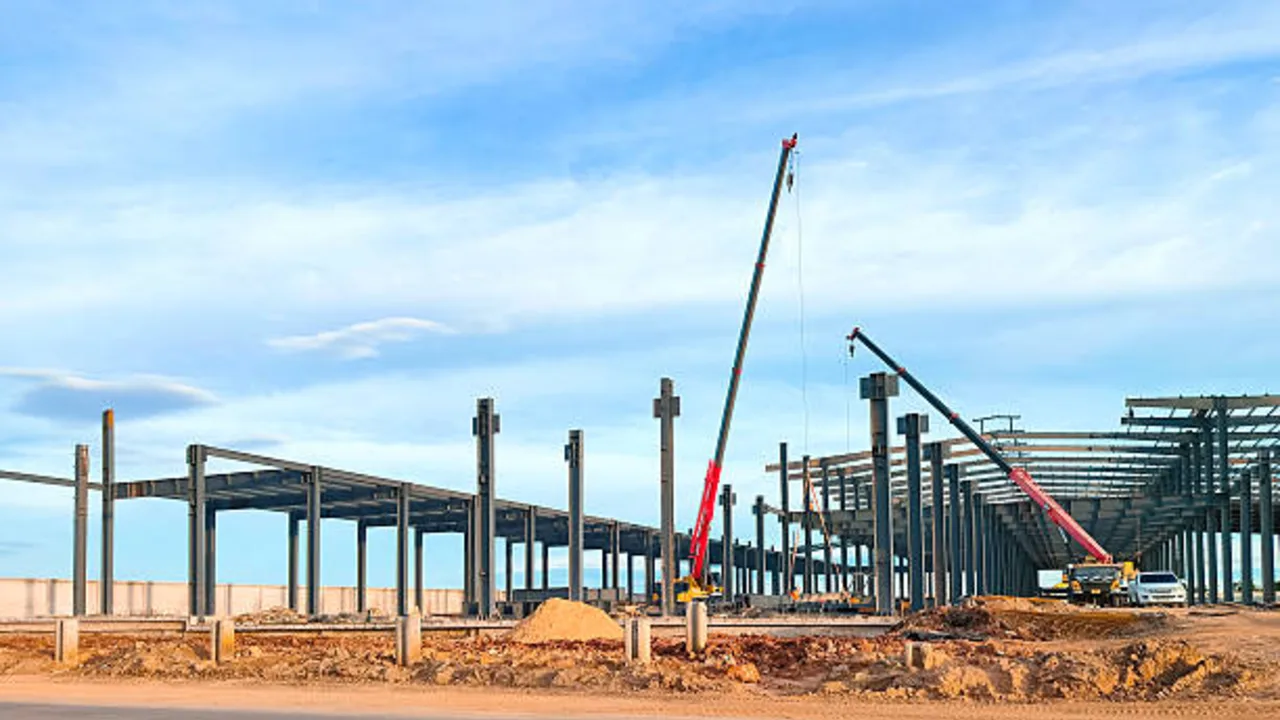
In large industrial facilities, column protection is not only a safety feature but part of the overall structural design strategy. Factories with heavy internal traffic must combine layout planning, protective barriers, and durable materials to prevent structural damage.
In many modern projects, engineers analyze vehicle routes before finalizing the structural grid. Columns located near traffic lanes are equipped with bollards, rail guards, or concrete barriers to ensure reliable factory column impact protection. This approach allows the building to operate safely even in environments with constant vehicle movement.
Balancing safety, workflow efficiency, and maintenance cost is essential. Protection systems must be strong enough to stop vehicles, but also positioned so that they do not interfere with production. When properly designed, column protection becomes part of the building’s long-term performance rather than an added accessory.
Best Practices for Long-Term Column Protection in Factories
Maintaining effective factory column impact protection requires more than installing guards once. Regular inspection, proper maintenance, and coordination with factory operations are necessary to ensure long-term safety.
Routine Inspection of Guards and Barriers
Protection systems should be checked regularly to make sure they remain secure and undamaged. Bent guards or loose anchors reduce the effectiveness of the protection and should be repaired immediately.
Replacing Damaged Protection Before Structural Contact Occurs
If a guard or barrier has already absorbed several impacts, it may no longer provide full protection. Replacing damaged parts early prevents future collisions from reaching the structural column itself.
Integrating Structural Safety with Industrial Traffic Planning
The most effective factory column impact protection combines physical barriers with good operational planning. Traffic routes, equipment placement, and structural layout should be designed together so that the risk of collision is minimized from the start.
Conclusion
Columns are critical structural elements in industrial buildings, and they are often exposed to impact from vehicles operating inside the facility. Without proper factory column impact protection, repeated collisions can cause structural damage, increase maintenance costs, and create safety risks for workers.
By combining protective barriers, intelligent layout planning, and durable materials, engineers can prevent most impact-related damage. Designing protection systems during the early stages of a steel structure factory building project ensures that the building remains safe, efficient, and reliable throughout its service life.
In modern industrial construction, column protection is not only about preventing accidents—it is an essential part of maintaining structural performance and long-term operational stability.