Industrial projects rarely follow the exact design defined at the beginning of the project. During construction, adjustments are often required due to equipment updates, layout optimization, site conditions, or client requests. Because of this, proper control of factory construction design changes is one of the most important aspects of successful industrial project delivery.
Steel factory projects are particularly sensitive to design modifications. Compared with residential or small commercial buildings, industrial factories involve complex structural systems, heavy equipment loads, crane systems, production lines, and strict operational requirements. Even a small change in one area can affect structural design, fabrication drawings, and construction schedules. Without proper planning, uncontrolled changes can lead to delays, cost overruns, and installation problems.
Modern industrial engineering therefore treats factory construction design changes as a normal part of the project rather than an exception. What determines project success is not whether changes occur, but how well those changes are managed. Through proper coordination, documentation, and variation control procedures, design modifications can be handled without disrupting construction progress.
In large industrial projects, design change management must begin at the engineering stage and continue through fabrication, transportation, and site erection. When change control systems are integrated into the project workflow, factories can be completed on time while maintaining structural safety and operational efficiency.
Introduction to Factory Construction Design Changes
In industrial construction, design changes refer to any modification made after the initial design has been approved. These changes may involve structural dimensions, equipment layout, foundation design, crane capacity, building height, or material specifications. Because factory buildings must support both structural loads and production processes, even minor revisions can have wide impact across the entire project.
The need for factory construction design changes often comes from the reality that industrial projects develop in stages. At the early design phase, some equipment specifications may not yet be finalized. As the project progresses, more accurate information becomes available, and adjustments become necessary to ensure the factory can operate as intended.
Another reason design changes occur frequently in factory construction is the involvement of multiple disciplines. Structural engineers, mechanical engineers, electrical designers, production planners, and equipment suppliers must all coordinate their requirements. When one system changes, other systems may also need to be updated.
If these changes are not properly controlled, the consequences can be serious. Fabricated steel components may need to be remade, foundation positions may no longer match equipment layout, or installation may be delayed because drawings are outdated. This is why controlling factory construction design changes is not only an engineering task but also a project management responsibility.
In modern industrial construction, successful projects are not those without changes, but those with effective change management systems. Clear approval procedures, accurate documentation, and early coordination are essential to keep the project under control.
Why Design Changes Are Common in Steel Factory Projects
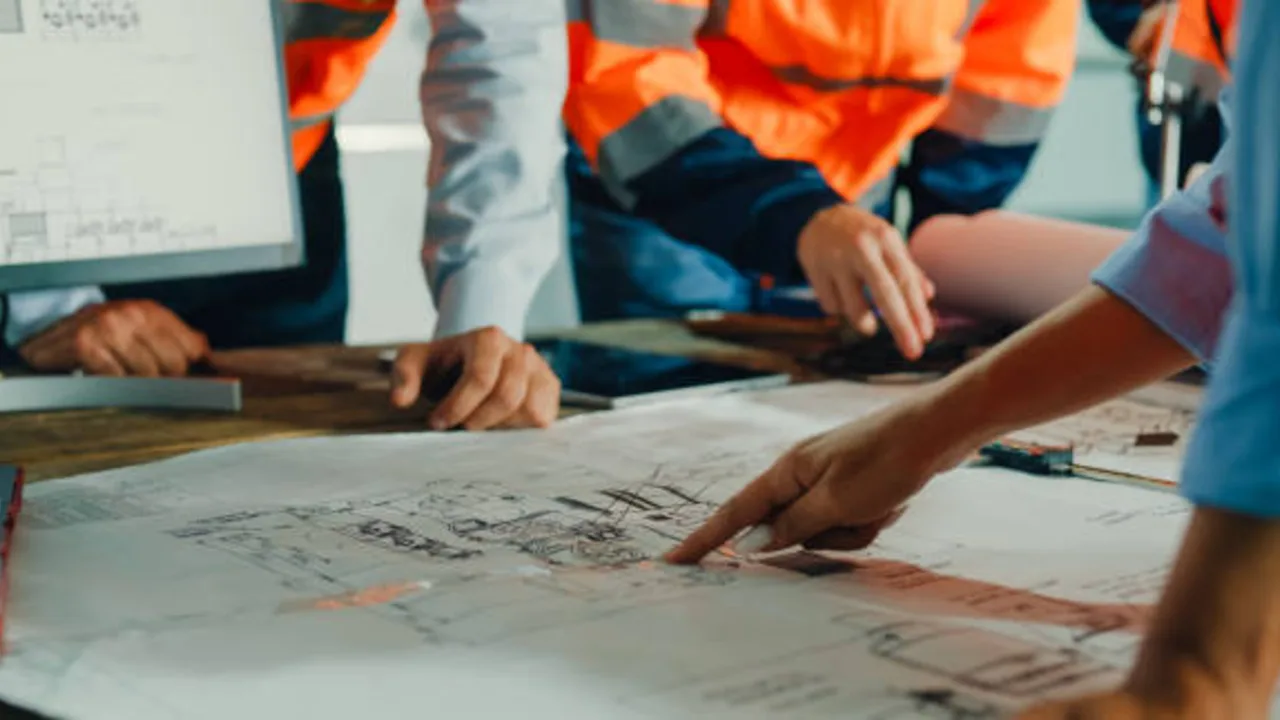
Design changes are more common in steel factory construction than in many other types of buildings. Industrial facilities must combine structural performance with production functionality, which means the design must adapt to operational requirements throughout the project.
In a typical factory project, the building structure, equipment layout, crane system, utilities, and workflow must all work together. Because these elements are often designed by different teams, revisions are almost unavoidable. Understanding why factory construction design changes occur helps engineers reduce risk and manage projects more efficiently.
Changes in Production Layout
One of the most frequent reasons for design modification is a change in the production layout. During early planning, the exact position of machines, storage areas, and assembly lines may not be fully defined. As the client finalizes the production process, the layout may need to be adjusted.
When layout changes occur, structural column spacing, foundation locations, and crane runway positions may also need revision. In steel factories with large spans, even small layout changes can affect the entire structural system. This makes careful planning essential for controlling factory construction design changes.
Equipment Specification Updates
Industrial equipment is often selected after the building design has started. When equipment weight, size, or vibration requirements change, the structural design may also need to be updated. For example, heavier machines may require stronger foundations or additional structural reinforcement.
Equipment updates can also affect building height, crane capacity, and floor load design. Because steel factory structures are optimized for efficiency, any change in load requirements must be carefully reviewed. Without proper coordination, equipment changes can cause serious delays during fabrication or installation.
Structural Load Revisions
Another common cause of factory construction design changes is revision of structural loads. As the project develops, engineers may receive updated information about equipment weight, crane loads, wind loads, or seismic requirements.
When load values change, structural members such as beams, columns, and trusses may need redesign. If fabrication has already started, these changes can increase cost and affect delivery schedule. For this reason, load data should be confirmed as early as possible during the design stage.
Code and Standard Adjustments
Industrial projects often need to comply with local building codes, international standards, and client-specific requirements. During project review, the authority or client may request modifications to meet updated regulations.
Changes related to fire protection, seismic design, safety clearance, or environmental requirements can all affect the building design. Because steel factory projects often involve international standards, the risk of revision is higher than in simple construction projects.
Proper planning and strong variation control procedures help ensure that these changes are managed without causing major disruption to the construction process.
Impact of Design Changes on Steel Factory Construction
Uncontrolled factory construction design changes can have significant impact on the entire project lifecycle. Unlike small buildings, steel factory projects involve detailed engineering, prefabrication, logistics planning, and coordinated site installation. When design revisions occur late in the process, they can affect multiple stages at the same time.
Because steel structures are fabricated in advance, any modification after fabrication has started may require rework, additional material, or schedule adjustments. This is why change management must be treated as a critical part of industrial project control rather than a simple engineering correction.
Understanding the potential impact of design revisions helps project teams implement better variation control procedures and reduce risk during construction.
Effect on Structural Fabrication
Steel factory buildings rely on prefabricated components that are manufactured according to approved drawings. When factory construction design changes occur after fabrication has started, the affected components may need to be modified or completely remade.
This situation increases material waste, labor cost, and fabrication time. In some cases, the production line in the factory must be stopped to adjust the drawings, which can delay the entire project schedule. Because steel fabrication is usually planned in batches, even a small revision can influence many components.
To reduce this risk, design drawings should be frozen before fabrication begins, and any change must go through a formal variation approval process.
Effect on Site Installation
Design changes also create problems during site erection. Steel factory construction requires precise coordination between foundation works, structural installation, and equipment placement. If drawings are updated after construction has started, previously installed components may no longer match the revised design.
For example, a change in column position may affect anchor bolt locations, crane beam alignment, or roof truss connections. Correcting these problems on site often takes more time and cost than adjusting the design during the engineering stage.
Proper control of factory construction design changes ensures that site work follows the latest approved drawings and reduces the risk of installation errors.
Effect on Procurement and Material Supply
Industrial factory projects involve large quantities of steel, fasteners, roof panels, insulation materials, and mechanical equipment. When design revisions occur, material quantities may change, requiring new orders or cancellation of existing orders.
Late changes can also affect delivery schedules, especially when materials are imported or custom-made. Delayed materials may stop construction progress, causing additional cost for labor and equipment.
With strong variation control, the project team can evaluate the impact of each change before approval and avoid unnecessary procurement problems.
Effect on Project Budget and Schedule
Every design modification has a cost. Even small revisions require engineering work, drawing updates, and coordination meetings. Larger changes may require new fabrication, additional materials, or extended construction time.
If factory construction design changes are not properly managed, the project budget can increase significantly. Schedule delays can also affect production start dates, which may cause financial loss for the factory owner.
For this reason, professional industrial projects always include a formal change management system to track revisions, evaluate cost impact, and obtain approval before implementation.
Importance of Variation Control in Industrial Construction
In large industrial projects, change management is handled through a formal process known as variation control. Variation control ensures that every modification is reviewed, approved, and documented before it is executed. This process protects both the contractor and the client from unexpected cost or schedule problems.
Without proper variation control, design changes may be made informally, leading to confusion between engineering drawings, fabrication documents, and site instructions. This is especially dangerous in steel factory construction, where precision and coordination are essential.
A well-defined variation control system allows the project team to maintain stability even when factory construction design changes are unavoidable.
Change Request Procedure
The first step in variation control is the change request. Any modification proposed by the client, engineer, or contractor must be submitted as a formal request. The request should describe the reason for the change, the affected drawings, and the expected impact.
This procedure prevents unauthorized modifications and ensures that all changes are visible to the project team.
Engineering Review Process
After a change request is submitted, the engineering team must review the technical impact. Structural strength, equipment clearance, foundation loads, and installation sequence must all be checked before approval.
During this stage, engineers evaluate whether the proposed modification will require redesign of structural members or adjustment of fabrication drawings. Proper review helps prevent errors that could affect safety or construction quality.
Cost and Schedule Evaluation
Before approving any factory construction design changes, the project manager must evaluate the cost and schedule impact. This includes material changes, additional labor, fabrication delay, and site adjustment work.
If the change increases cost or extends the schedule, the client must approve the variation before implementation. This step ensures transparency and prevents disputes later in the project.
Client Approval Workflow
Final approval must come from the client or project owner. Only after approval should the engineering team update the drawings and release them for fabrication or construction.
A clear approval workflow is essential for effective variation control, especially in large steel factory projects where multiple contractors and suppliers are involved.
When variation control is applied correctly, factory construction design changes can be managed without affecting project quality or delivery time.
Engineering Strategies to Reduce Factory Construction Design Changes
Although design changes cannot be completely avoided, good engineering practice can significantly reduce their frequency. By improving coordination at the early stage, engineers can minimize the number of revisions required during construction.
Reducing factory construction design changes not only saves cost but also improves project stability and construction efficiency.
3D Modeling and Clash Detection
Modern industrial projects often use 3D modeling and BIM technology to detect conflicts before construction begins. Structural members, equipment, pipelines, and cable trays can be checked in a digital model to ensure they do not interfere with each other.
Clash detection allows engineers to solve problems during design rather than on site, which greatly reduces the need for later modifications.
Early Equipment Coordination
Equipment information should be confirmed as early as possible. Machine weight, dimensions, vibration requirements, and installation space all affect structural design.
When equipment data is finalized early, the risk of factory construction design changes during fabrication is much lower.
Structural Reserve Design
In some projects, engineers intentionally include design reserve to allow small changes without major redesign. For example, additional load capacity or flexible connection details may be included in the structure.
This approach allows minor adjustments during construction without affecting safety or schedule.
Modular Design Approach
Modular design makes it easier to adjust building layout without redesigning the entire structure. Standardized bays, repeatable frames, and prefabricated components allow engineers to modify certain areas while keeping the overall system unchanged.
This method is commonly used in large industrial projects where factory construction design changes are expected during the development stage.
Managing Design Changes in a Modern steel structure factory
In modern industrial projects, the flexibility of a steel structural system makes it easier to manage factory construction design changes compared with traditional concrete buildings. Steel factory buildings are usually designed with modular frames, standardized connections, and prefabricated components, which allows engineers to adjust certain parts of the structure without redesigning the entire building.
A well-designed steel structure factory can accommodate layout adjustments, equipment changes, and load revisions with minimal disruption to construction progress. Because most components are fabricated based on detailed drawings, proper coordination between engineering, fabrication, and site installation is essential to ensure that changes are implemented correctly.
One advantage of a steel structural system is that span length, column spacing, and roof structure can often be modified within certain limits without affecting the overall stability of the building. This makes steel construction especially suitable for industrial projects where production requirements may evolve during the design stage.
However, flexibility does not mean that changes can be made freely. Even in a modern steel structure factory, every modification must follow a formal approval and variation control process. Without proper documentation, design revisions can create conflicts between drawings, fabrication data, and site installation work.
For this reason, experienced industrial contractors always establish clear procedures for managing factory construction design changes from the beginning of the project. These procedures include revision tracking, drawing version control, and coordination meetings between all project participants.
When change management is handled correctly, steel factory construction can remain efficient even when adjustments are required.
Project Example: Managing Design Changes in a Thailand Steel Factory Project
A real project example shows how proper control of factory construction design changes plays an important role during industrial construction. One representative case is the
Thailand steel structure factory project completed in 2021
, where a modern industrial workshop was delivered using a fully coordinated design–fabrication–erection workflow.
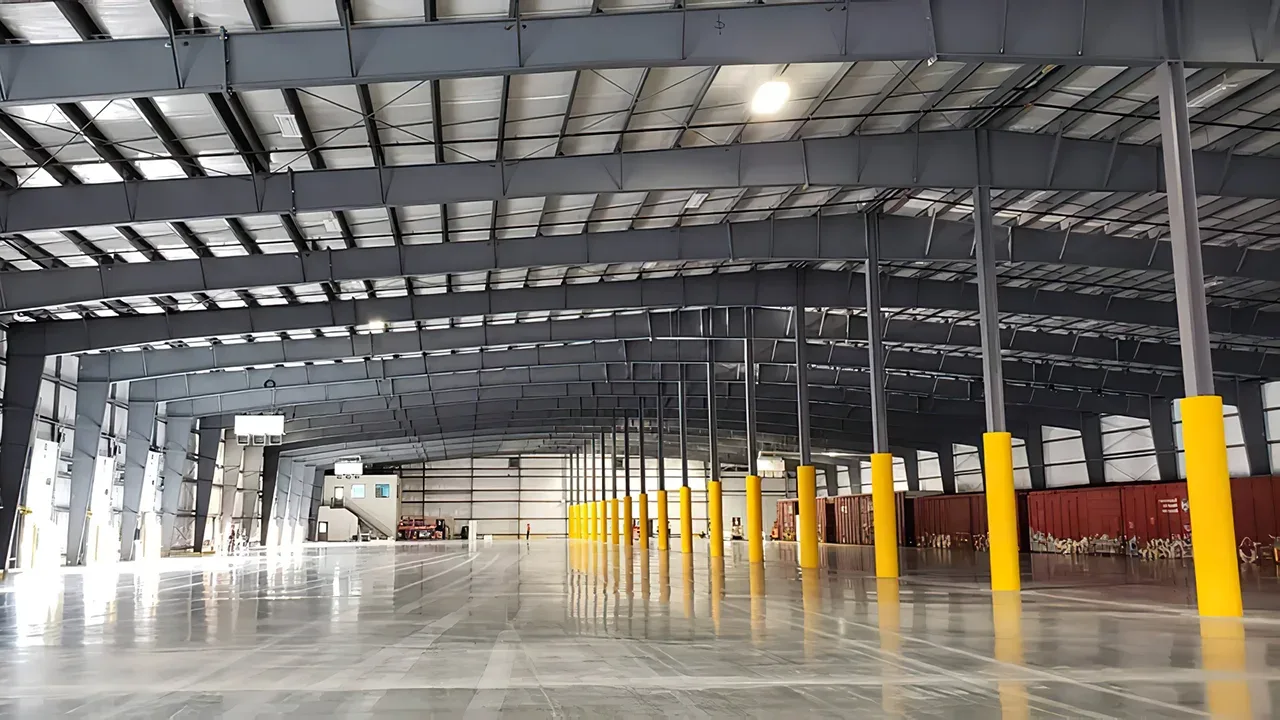
The project used approximately 860 tons of structural steel and included production space, storage areas, and auxiliary facilities. Because the factory needed to support flexible manufacturing operations, the structural layout had to align precisely with the equipment arrangement and material flow planning. During the engineering phase, several adjustments were required to ensure that the building could accommodate the final production configuration. :contentReference[oaicite:1]{index=1}
These adjustments included updates to bay spacing, changes in equipment positions, and revisions to internal circulation routes for forklifts and service vehicles. Without proper variation control, such modifications could have caused fabrication conflicts or delays during site erection. Instead, each change was reviewed through the engineering team before drawings were released for manufacturing.
The project demonstrates how steel structures allow controlled flexibility during construction. Because the building was designed as a modular industrial frame, structural members could be adjusted within defined limits without affecting the overall stability of the system. This made it possible to implement necessary factory construction design changes while keeping the fabrication schedule under control.
Another important factor in this project was early coordination between structural engineers and process planners. By confirming equipment loads, crane requirements, and workflow layout before final fabrication, the project team reduced the risk of late design revisions. This approach is especially important in a modern
steel structure factory, where prefabricated components must match site conditions with high precision.
Projects like the Thailand factory show that design changes are normal in industrial construction, but they must be managed through professional engineering procedures. With proper planning, documentation, and approval workflow, even large factory projects can adapt to new requirements without affecting construction quality or schedule.
Best Practices for Controlling Design Changes in Industrial Projects
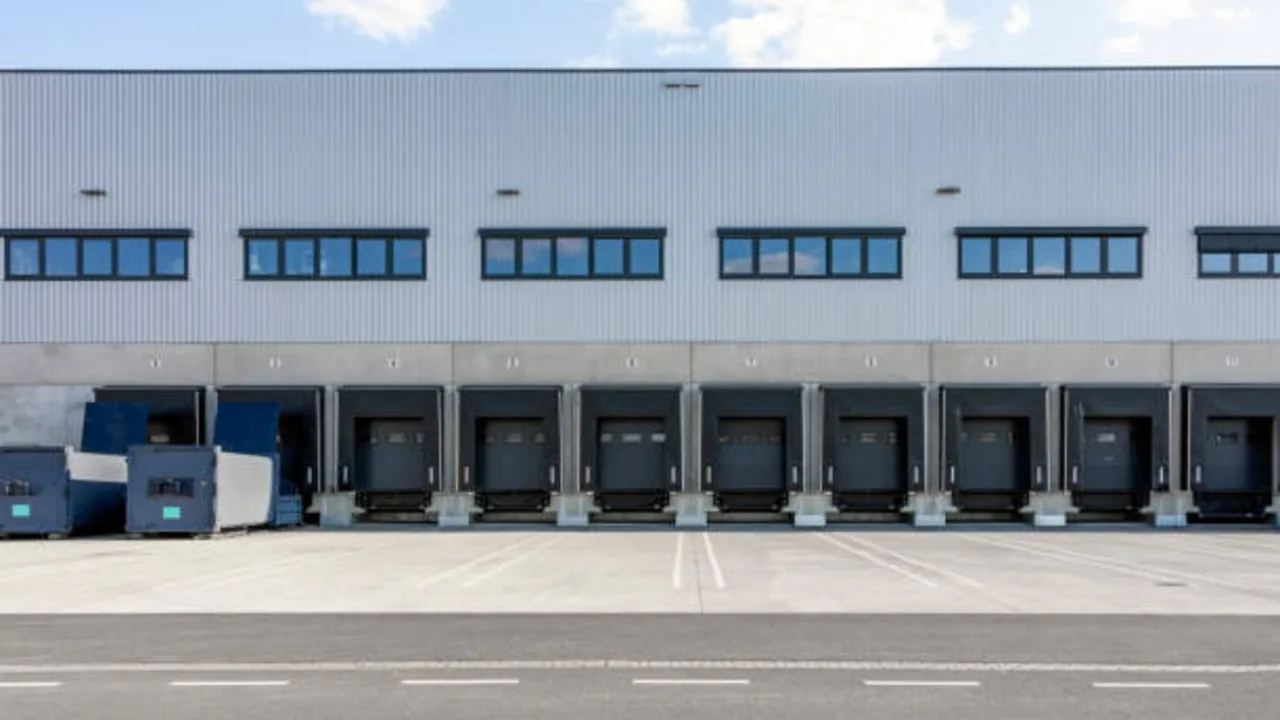
Successful industrial construction projects follow clear rules to manage factory construction design changes. These rules help prevent confusion between engineering drawings, fabrication documents, and site instructions.
By applying standardized procedures, the project team can reduce risk and keep construction under control even when revisions are necessary.
Revision Tracking System
Every drawing revision must be recorded in a revision tracking system. Each version should include revision number, date, and description of the change. This ensures that all departments are working with the latest information.
Without revision tracking, different teams may use different drawings, leading to fabrication errors or installation conflicts.
Drawing Version Control
Only approved drawings should be released for fabrication and construction. When a new revision is issued, the previous version must be clearly marked as obsolete.
Version control is especially important in steel factory projects, where hundreds of fabrication drawings may be used at the same time. Proper control prevents mistakes caused by outdated documents.
Construction Coordination Meetings
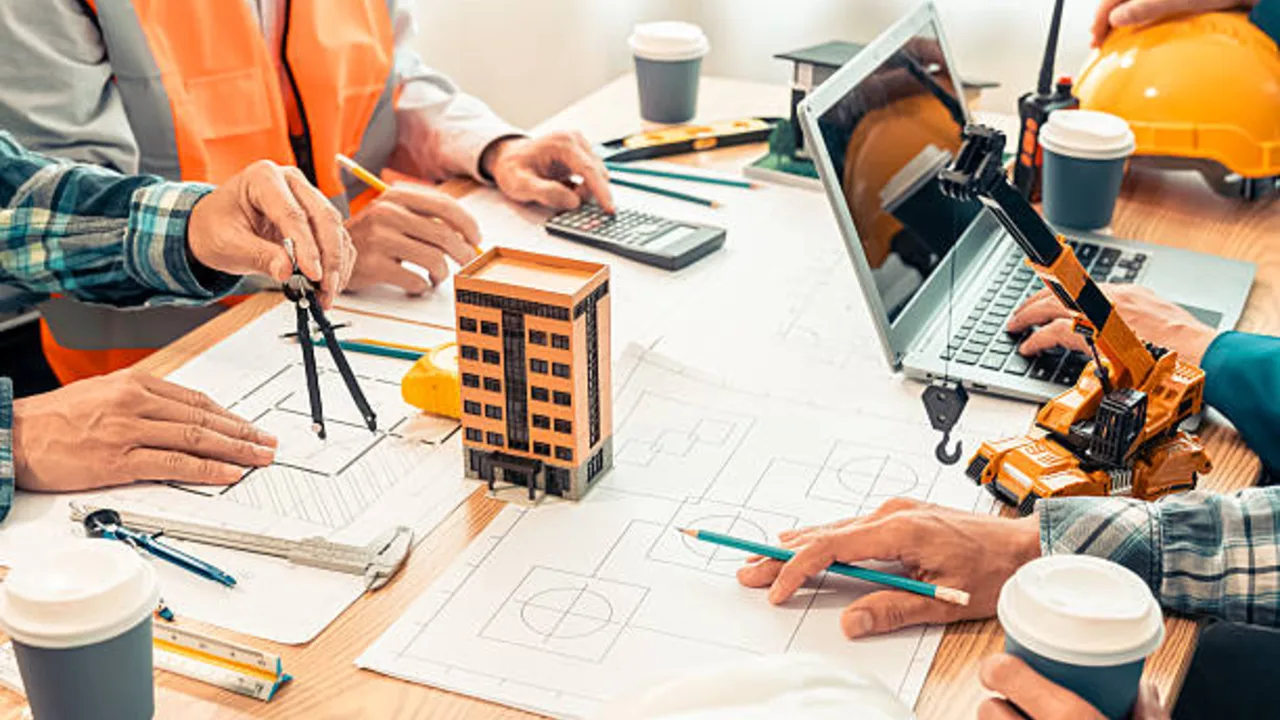
Regular coordination meetings between the client, engineer, contractor, and fabrication team help detect problems early. During these meetings, design updates, equipment changes, and construction progress can be reviewed together.
Early communication reduces the number of unexpected factory construction design changes during later stages of the project.
Engineering Responsibility Definition
Each discipline must clearly understand its responsibility. Structural, mechanical, electrical, and production engineers must coordinate their work and confirm data before drawings are finalized.
When responsibilities are clearly defined, the risk of conflicting design information is much lower.
Future Trends in Factory Construction Change Management
As industrial projects become more complex, new technologies are being used to manage factory construction design changes more efficiently. Digital tools allow engineers to predict problems earlier and control revisions more accurately.
BIM-Based Design Coordination
Building Information Modeling (BIM) allows all disciplines to work on the same digital model. Structural members, equipment, pipelines, and electrical systems can be checked together before construction begins.
With BIM, many conflicts can be solved during the design stage, reducing the need for changes during construction.
Digital Twin Technology
Digital twin systems create a virtual copy of the factory, including structure and equipment. Engineers can simulate production layout and structural behavior before the building is completed.
This technology helps identify potential problems early and reduces the risk of late design changes.
Prefabrication and Modular Construction
Prefabrication improves construction efficiency but also requires accurate design. When modular systems are used, changes must be carefully controlled because components are manufactured in advance.
However, modular design also makes it easier to adjust certain parts without affecting the entire structure, which helps manage factory construction design changes more effectively.
Conclusion
Design revisions are a normal part of industrial construction, but they must be carefully controlled to avoid delays and extra cost. Proper management of factory construction design changes ensures that steel factory projects can be completed safely, efficiently, and on schedule.
By applying strong variation control procedures, early engineering coordination, and modern digital tools, project teams can reduce the impact of design modifications and maintain stable construction progress.
Modern industrial buildings, especially those designed as a steel structure factory, benefit from the flexibility of steel structural systems, but they still require strict change management procedures. When engineering, fabrication, and construction are properly coordinated, even complex factory projects with multiple revisions can be delivered successfully.