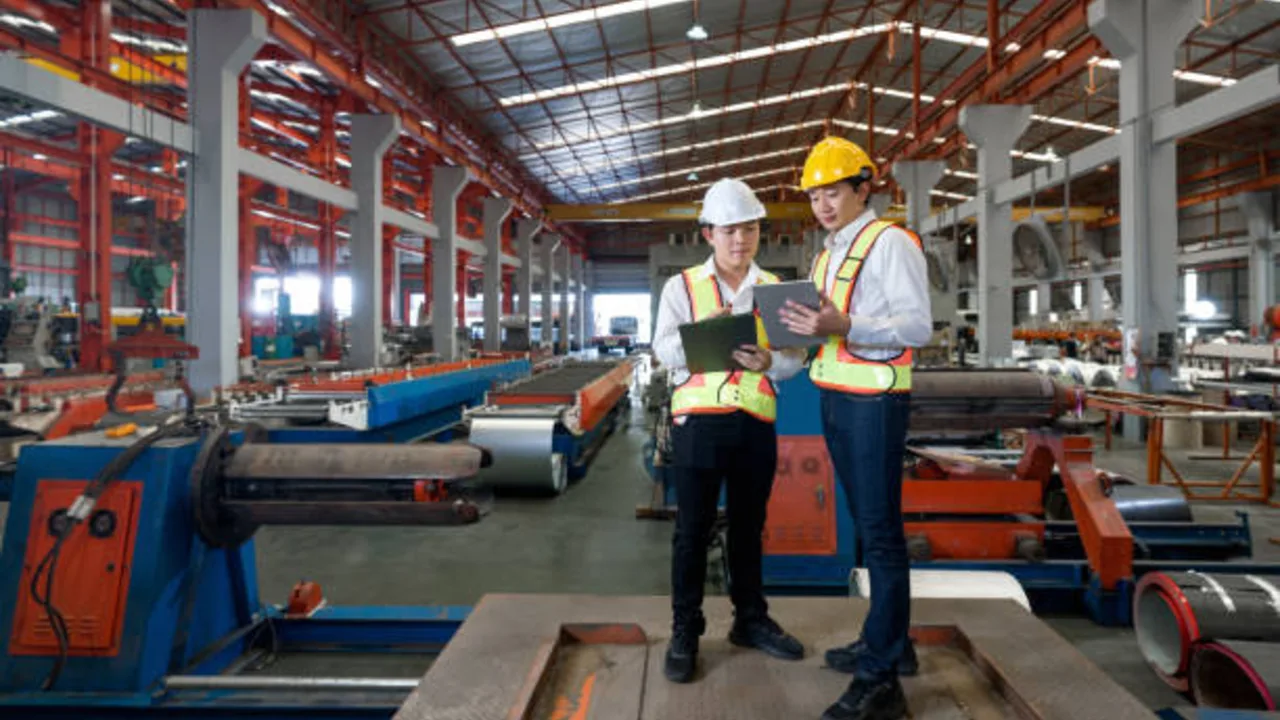
Industrial factory buildings require strict quality control throughout the entire construction process. Unlike small commercial buildings, steel factories often involve long-span structures, heavy equipment loads, crane systems, and complex installation procedures. Because of these factors, clearly defined factory construction inspection points are essential to ensure safety, structural reliability, and successful project acceptance.
During the construction of a steel factory, every stage must be inspected carefully, from material preparation to final installation. Missing even a small defect in fabrication or erection may lead to alignment problems, connection failures, or long-term structural damage. Proper inspection procedures help prevent costly repairs, delays, and safety risks after the building is completed.
Modern industrial projects also require formal inspection and acceptance procedures before the facility can be put into operation. These acceptance checks confirm that the building meets design specifications, structural standards, and safety regulations. For large industrial projects, inspection is not only a technical requirement but also a legal and contractual obligation.
Because of the complexity of modern industrial construction, factory construction inspection points must be planned in advance and integrated into the construction workflow. Engineers, fabricators, and installation teams must follow consistent inspection standards to ensure that the final building performs as expected.
Why Quality Inspection Is Critical in Steel Factory Construction
Quality inspection plays a central role in the success of any industrial construction project. Steel factory buildings are designed to support heavy loads, large equipment, and continuous production operations. If inspection is not performed correctly, small errors can grow into serious structural problems after the factory begins operation.
One of the main reasons factory construction inspection points are important is the nature of steel structures themselves. Steel buildings are fabricated off-site and assembled on-site. This means that dimensional accuracy must be maintained throughout fabrication, transportation, and installation. If components do not fit correctly during erection, adjustments may be difficult or impossible without rework.
Another critical factor is safety. Industrial factories often include overhead cranes, heavy machinery, and high roof structures. Incorrect installation of columns, beams, or crane rails may cause dangerous stress concentrations. Proper inspection ensures that all structural elements are installed according to design requirements.
Inspection is also necessary to meet project acceptance requirements. Many industrial projects must pass official acceptance checks before production can begin. These acceptance procedures verify that the building meets structural codes, fire protection rules, and operational safety standards. Without proper inspection records, the acceptance process may be delayed.
In addition, long-span factory buildings are more sensitive to construction errors than small buildings. When the span becomes large, even small deviations in alignment or bolt installation can affect the overall structural behavior. This is why inspection must be continuous from the beginning of fabrication until the final stage of installation.
Main Stages of Factory Construction Inspection
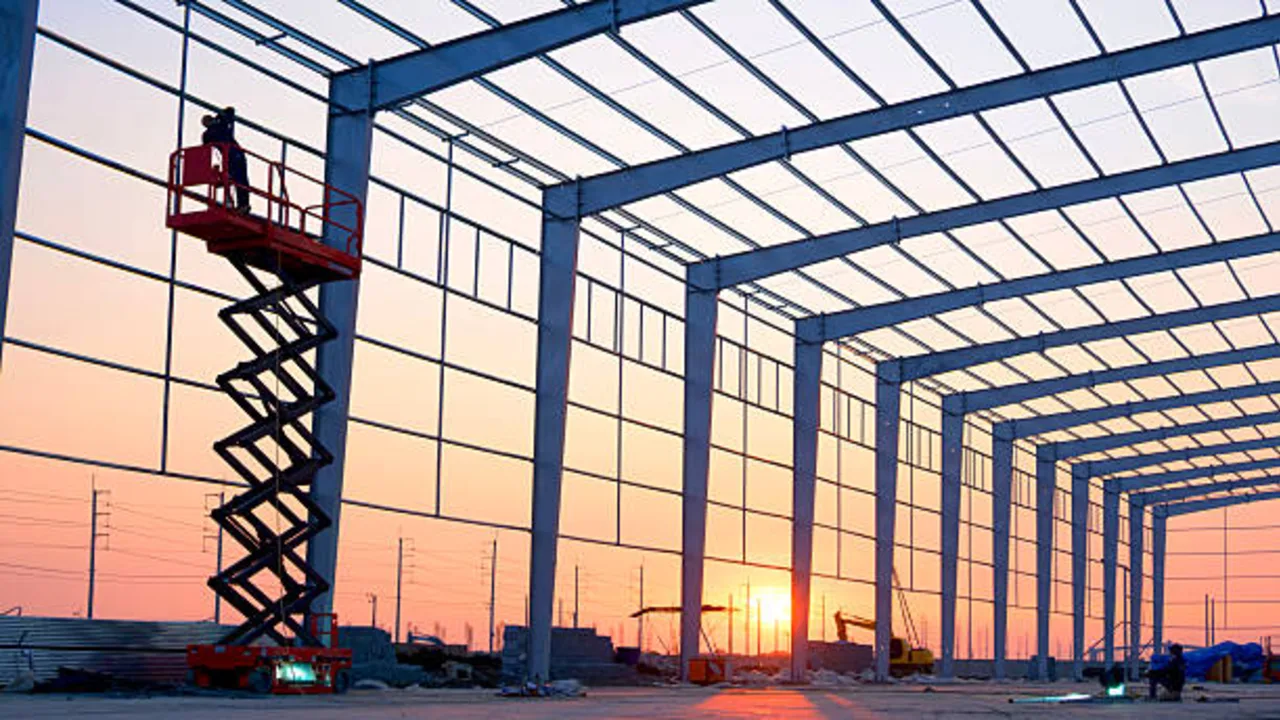
Quality inspection in industrial projects is not performed at only one stage. Instead, factory construction inspection points are distributed throughout the entire construction process. Each stage has its own inspection requirements to ensure that problems are detected early and corrected before the next step begins.
Material Inspection Before Fabrication
Inspection begins before fabrication starts. All steel materials must be checked to confirm that they match the project specifications. Engineers verify the steel grade, thickness, and mechanical properties to ensure that the material can support the required loads.
Surface condition is also important. Steel plates and sections should be free from excessive rust, cracks, or deformation. If the project requires galvanizing or special coating, the materials must be suitable for the specified treatment.
Welding materials must also be inspected. Electrodes, welding wire, and flux must meet the required standards to ensure proper weld strength. Using incorrect welding materials may result in weak joints that fail during operation.
Fabrication Quality Inspection
During fabrication, components must be inspected to confirm dimensional accuracy. Steel columns, beams, and trusses must match the design drawings within allowed tolerances. Incorrect dimensions may cause installation problems later on site.
Hole positions for bolts must also be checked carefully. If bolt holes are misaligned, connections may not fit during erection. This can lead to delays and additional modification work.
Welding quality is one of the most important inspection items. Weld seams must be uniform, free of cracks, and meet required strength standards. Non-destructive testing may be required for critical welds in large industrial buildings.
Surface treatment must also be inspected. Painting, galvanizing, or fireproof coating must be applied evenly and reach the required thickness. Proper surface protection ensures long-term durability of the factory structure.
Installation Stage Inspection
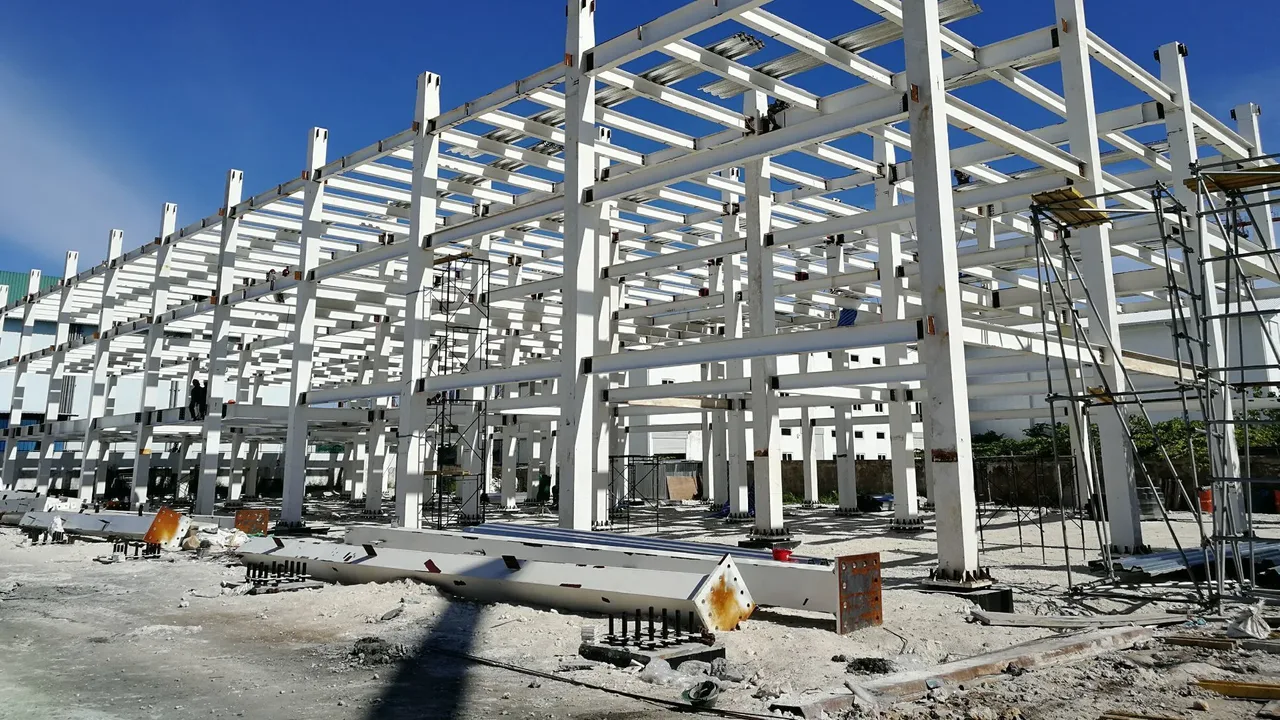
After components arrive on site, installation inspection becomes the main focus. Columns must be installed in the correct position and checked for vertical alignment. Even small deviations in column position can affect the installation of beams and roof systems.
Beam connections must be inspected to ensure correct bolt installation and proper tightening. High-strength bolts require specific tightening procedures, and inspection must confirm that the required torque is achieved.
Crane beam alignment is another critical inspection point in factory construction. If crane rails are not level or properly aligned, crane operation may become unsafe. Because many factories depend on overhead cranes, this inspection step is essential.
Roof and wall installation must also be checked. Panels should be installed correctly with proper sealing to prevent water leakage. Poor installation may cause long-term maintenance problems after the factory starts operation.
Final Acceptance Inspection
The final stage of inspection occurs before the building is officially accepted. At this stage, engineers verify that all work has been completed according to the design drawings and construction standards.
Structural stability must be confirmed. All bolts must be tightened, welds must be inspected, and protective coatings must be complete. Safety systems such as fire protection and access platforms must also be checked.
During the final acceptance inspection, the project owner, contractor, and engineers review the building together. Only after all inspection points are approved can the factory be put into operation.
Key Inspection Points for Steel Structure Factory Buildings
In large industrial projects, certain inspection items require extra attention because they directly affect structural safety and long-term performance. These critical factory construction inspection points must be checked carefully during fabrication, installation, and final acceptance to ensure that the building meets engineering requirements.
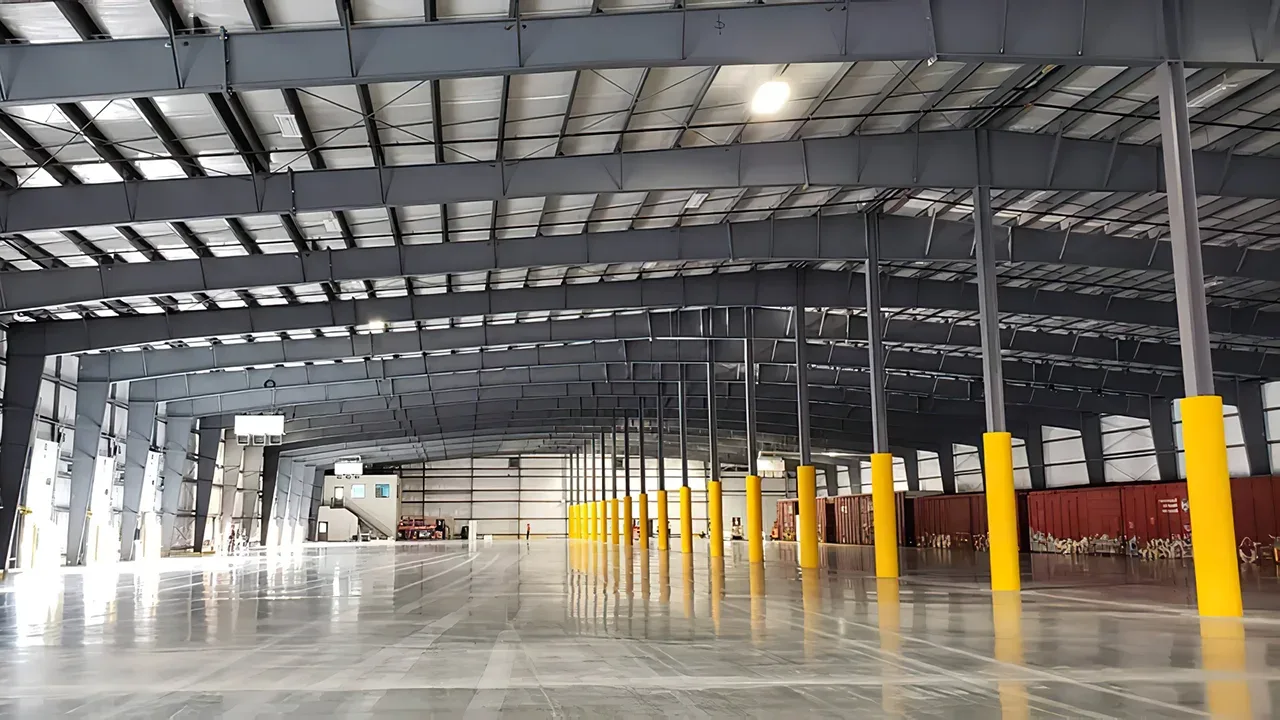
Quality inspection becomes even more important in a modern steel factory where long spans, heavy equipment, and crane systems create higher structural demands than ordinary buildings. Each structural element must be installed within strict tolerances to avoid stress concentration, deformation, or operational problems after the factory begins production.
Foundation and Anchor Bolt Position
The foundation is the starting point of all structural work, so anchor bolt position must be inspected before steel erection begins. The location, elevation, and spacing of anchor bolts must match the design drawings. If anchor bolts are misplaced, steel columns may not fit correctly, leading to alignment problems during installation.
Engineers usually check anchor bolts using surveying instruments to ensure that position tolerances are within the allowed range. Correcting anchor bolt errors after erection starts is difficult and may delay the entire project.
Steel Column Verticality
Column alignment is one of the most important factory construction inspection points. Steel columns must be installed vertically within the specified tolerance. Even small deviations can affect beam installation, roof structure alignment, and crane system accuracy.
During erection, columns are temporarily fixed and then adjusted using measurement tools. After alignment is confirmed, final bolt tightening and grouting can be completed. Proper column verticality ensures that the entire structure remains stable.
Beam Connection Accuracy
Beam connections must be inspected to confirm that all bolt holes match and that connection plates fit correctly. Misalignment at beam joints may cause additional stress on bolts or welds.
Connection inspection includes checking bolt quantity, bolt grade, washer installation, and tightening method. For high-strength bolts, the tightening sequence must follow the specified procedure to ensure uniform force distribution.
High-Strength Bolt Installation
High-strength bolts are widely used in industrial steel structures because they provide reliable connections and allow faster installation. However, these bolts must be tightened according to strict procedures.
Inspection must confirm that the correct bolt type is used and that tightening torque meets the required value. In many projects, special tools or torque testing methods are used to verify bolt tension. Loose bolts may cause structural vibration, while over-tightening may damage the connection.
Welding Quality Control
Welding inspection is another critical part of factory construction inspection points. Weld seams must be visually inspected for cracks, incomplete fusion, or excessive deformation. In important structural joints, non-destructive testing such as ultrasonic or magnetic testing may be required.
Proper welding quality ensures that the structure can safely transfer loads between components. Poor welding may not show problems immediately but can lead to failure after long-term use.
Roof and Wall Panel Installation
Roof and wall systems must be inspected to ensure proper installation and sealing. Panels should be installed in the correct direction with secure fasteners and sealing materials.
Waterproof performance is especially important in factory buildings. Leakage may damage equipment, affect production, and increase maintenance cost. Inspection should verify panel overlap, screw tightening, and sealing strip installation.
Crane Beam Alignment
Many factories use overhead cranes, which makes crane beam inspection one of the most critical factory construction inspection points. Crane rails must be level, straight, and installed at the correct elevation.
If crane beams are not aligned correctly, the crane may produce vibration, noise, or uneven load distribution. In serious cases, misalignment can damage crane wheels or rails. Precise measurement is required to ensure safe crane operation.
Fire Protection and Coating
Industrial buildings often require fireproof coating or special paint to protect steel members. Inspection must confirm that coating thickness meets the specification and that the surface is evenly covered.
Coating quality affects both durability and safety. Insufficient fire protection may reduce structural resistance during high temperature conditions. Proper inspection ensures that protective systems perform as designed.
Tolerance Control in Factory Construction
Tolerance control is an essential part of factory construction inspection points. Because steel structures are fabricated in different locations and assembled on site, dimensional accuracy must be controlled at every stage. If tolerances exceed the allowed range, installation problems may occur.
Fabrication tolerance must be checked when components are produced in the workshop. Length, hole position, and connection plate dimensions must match the drawings. Incorrect fabrication may make installation impossible without modification.
Erection tolerance must also be inspected during installation. Column position, beam level, and roof alignment must be measured regularly. Early correction is easier than fixing errors after the structure is completed.
Bolt hole tolerance is another important factor. If hole positions are incorrect, bolts cannot be installed properly. In large factory buildings with many connections, small errors can accumulate and cause serious alignment problems.
Crane beam tolerance is especially strict because crane operation requires precise rail alignment. Engineers usually use surveying equipment to check rail level, spacing, and straightness. Maintaining correct tolerance ensures smooth and safe crane movement.
Inspection Standards Used in Industrial Steel Projects
Industrial construction projects often follow international or national standards to define inspection requirements. These standards specify material quality, fabrication tolerance, welding procedures, and acceptance criteria.
Common standards used in steel factory construction include ISO standards, European EN standards, American ASTM specifications, and Chinese GB codes. Each project may select the standard according to contract requirements or local regulations.
Inspection documents must record all factory construction inspection points. These records provide proof that the building meets the required quality level. Without proper documentation, the project may fail acceptance even if the structure appears correct.
Following recognized standards also helps ensure that the factory building can operate safely for many years. Standardized inspection procedures reduce the risk of hidden defects and improve overall construction quality.
Common Problems Found During Factory Inspection
During construction, inspection often discovers problems that must be corrected before the project can continue. Identifying these issues early is one of the main purposes of defining clear factory construction inspection points.
One common problem is structural misalignment. Columns or beams installed outside the tolerance range may cause difficulty when installing the roof system. If not corrected in time, the entire structure may shift.
Loose or incorrectly installed bolts are another frequent issue. High-strength bolts require specific tightening procedures, and improper installation may reduce connection strength.
Welding defects are also common in large projects. Cracks, incomplete welds, or excessive deformation can weaken structural joints. Inspection must ensure that all welds meet the required standard.
Roof and wall panel leakage may occur if sealing is not installed correctly. Water leakage can damage equipment and affect factory operation, so inspection must verify waterproof performance.
Crane rail errors are particularly serious in industrial factories. Even small alignment errors may cause crane vibration or uneven load distribution. Careful measurement is required before final acceptance.
Inspection Workflow for Large Steel Factory Projects
In large industrial projects, inspection must follow a clear and systematic workflow. Defining proper factory construction inspection points at each stage helps ensure that problems are detected early and corrected before they affect the overall structure. A well-organized inspection process also makes the final acceptance procedure smoother and faster.
The inspection workflow usually starts during the design stage and continues until the factory is fully completed and approved for operation. Each step must be recorded and verified to confirm that the construction meets engineering standards and contract requirements.
Design Review Before Construction
Before fabrication begins, engineers must review the design drawings carefully. The review checks structural calculations, connection details, material specifications, and installation methods. Any design errors discovered at this stage can be corrected easily, but problems found after fabrication may cause delays and additional cost.
During the design review, inspectors also confirm the required standards for fabrication, welding, coating, and acceptance. Clear inspection requirements should be written into the construction plan so that every team understands the quality expectations.
Material and Component Inspection
After the design is approved, the next step is material inspection. Steel plates, sections, bolts, and welding materials must match the specified grade and strength. Surface condition must also be checked to ensure that materials are suitable for fabrication and coating.
When components are fabricated in the workshop, dimensional accuracy must be inspected before shipment. Checking these factory construction inspection points early prevents installation problems on site.
Fabrication Inspection in Workshop
During fabrication, inspectors verify that all components are produced according to the drawings. This includes checking length, hole position, welding quality, and surface treatment.
Weld seams must meet required standards, and protective coating must reach the specified thickness. If errors are found during fabrication, they should be corrected before the components are transported to the construction site.
Installation Inspection on Site
When steel components arrive on site, installation inspection becomes the main focus. Columns, beams, and trusses must be installed in the correct position and within tolerance limits. Surveying instruments are usually used to measure alignment and elevation.
Bolt tightening, welding, and crane beam installation must also be checked carefully. These steps are critical factory construction inspection points because errors at this stage may affect the entire structure.
Roof and wall installation should be inspected for proper sealing and fastening. Waterproof performance is especially important for factory buildings where equipment must be protected from moisture.
Final Inspection and Acceptance
After installation is complete, a final inspection is performed before the building can be officially accepted. Engineers check structural stability, connection quality, coating condition, and safety systems.
During the final acceptance inspection, all inspection records must be reviewed. If every inspection point meets the required standard, the factory can be approved for operation. If problems remain, corrections must be completed before acceptance.
A complete inspection workflow ensures that the building meets safety requirements and performs reliably during long-term use.
Factory Layout and Structural Design Affect Inspection Difficulty
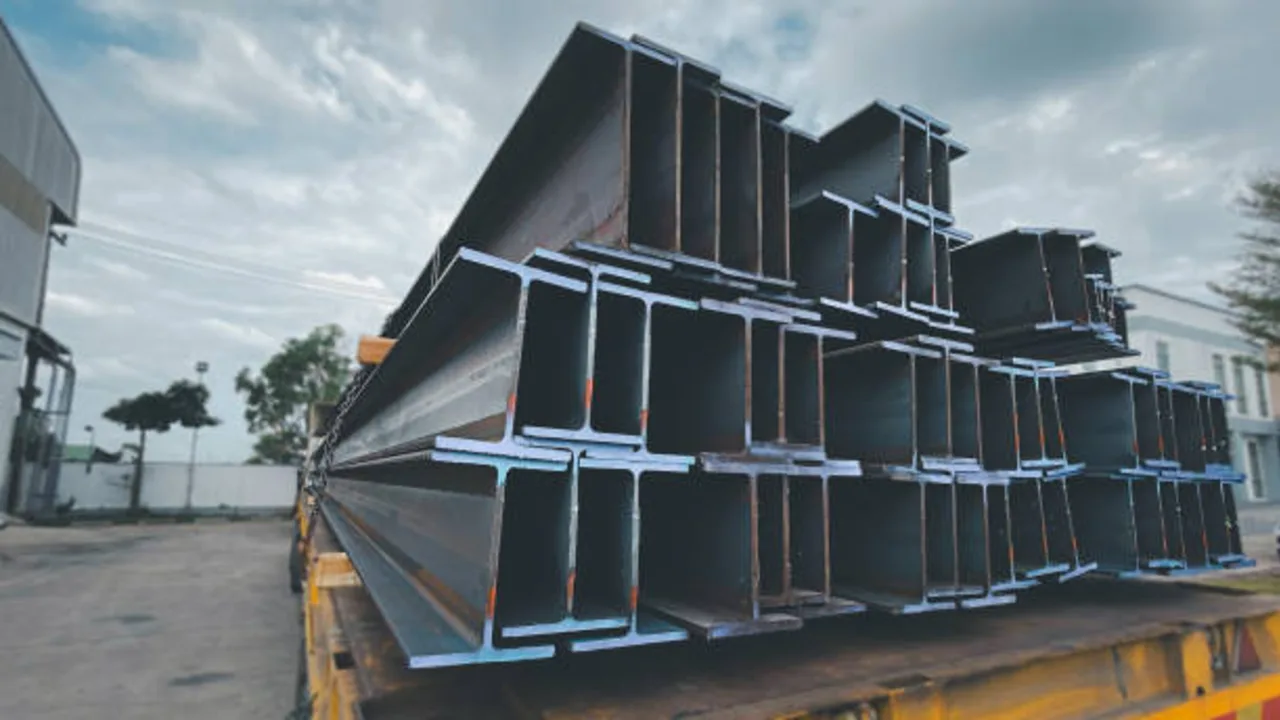
The complexity of inspection depends not only on construction quality but also on the structural design and layout of the building. In a modern steel structure factory building, large spans, crane systems, and heavy equipment create higher requirements for alignment and tolerance control.
When the factory layout is well planned, inspection becomes easier because structural elements are organized in a clear and logical way. Proper spacing between columns, correct crane beam design, and accurate foundation layout help reduce installation errors.
However, in large industrial facilities, even small mistakes in early stages can affect later inspection results. For example, incorrect anchor bolt position may cause column misalignment, which then affects beam installation and roof structure accuracy. Because of this chain reaction, inspection must start from the foundation stage and continue until the final acceptance.
Factory buildings designed with clear structural systems and standardized components are easier to inspect and maintain. This is why modern industrial projects often use modular steel structural systems to improve both construction efficiency and inspection reliability.
Factory Construction Inspection in Angola Steel Structure Project
A real construction case helps illustrate how important factory construction inspection points are during industrial steel building projects. One representative example is the
Angola steel structure factory project, where strict inspection procedures were required to ensure structural safety, installation accuracy, and successful final acceptance.
The Angola project involved the construction of a single-storey industrial workshop using a pre-engineered steel structural system with portal frames, bracing members, purlins, and cladding components. Because the building was designed for efficient industrial use under tropical conditions, quality inspection had to be performed at every stage of fabrication and installation to guarantee long-term durability and reliable performance.
During fabrication, all structural members were inspected to confirm dimensional accuracy, welding quality, and surface treatment. Factory-controlled cutting, drilling, and welding ensured that components could be assembled on site without modification. These early factory construction inspection points reduced the risk of installation errors and helped maintain the planned construction schedule.
During site erection, inspection focused on column alignment, beam connection accuracy, and bolt tightening procedures. Since the structure used bolted connections for fast installation, correct torque and connection sequence were essential to ensure structural stability. Engineers also checked bracing installation and roof framing to confirm that the building could safely resist wind and service loads.
Another important inspection stage was the installation of the daylighting roof system. Because roof panels and skylight elements must remain properly aligned to prevent leakage and heat gain, inspectors verified sealing, fastening, and panel positioning before final approval. Careful inspection at this stage ensured that the building would provide both structural reliability and energy efficiency.
Before project handover, a complete acceptance inspection was carried out. The inspection included structural alignment, coating condition, bolt tightening records, and installation quality verification. Only after all inspection points were approved could the factory be commissioned for operation.
This Angola project demonstrates that clear inspection planning is essential for modern industrial construction. By following strict factory construction inspection points from fabrication to final acceptance, large steel factory buildings can achieve high quality, safe operation, and long service life even in challenging construction environments.
Conclusion
Quality control is one of the most important factors in industrial construction. Clearly defined factory construction inspection points help ensure that every stage of the project meets structural, safety, and operational requirements.
From material inspection to final acceptance, each step must follow strict procedures. Proper inspection prevents structural defects, reduces maintenance problems, and ensures long-term reliability of the factory building.
In modern industrial projects, inspection is not only a technical task but also a key part of project management. Careful planning, accurate measurement, and complete documentation are necessary to guarantee that the building performs as designed.
When inspection is integrated into the entire construction process, steel factory projects can achieve high quality, safe operation, and successful acceptance, even in large and complex industrial facilities.